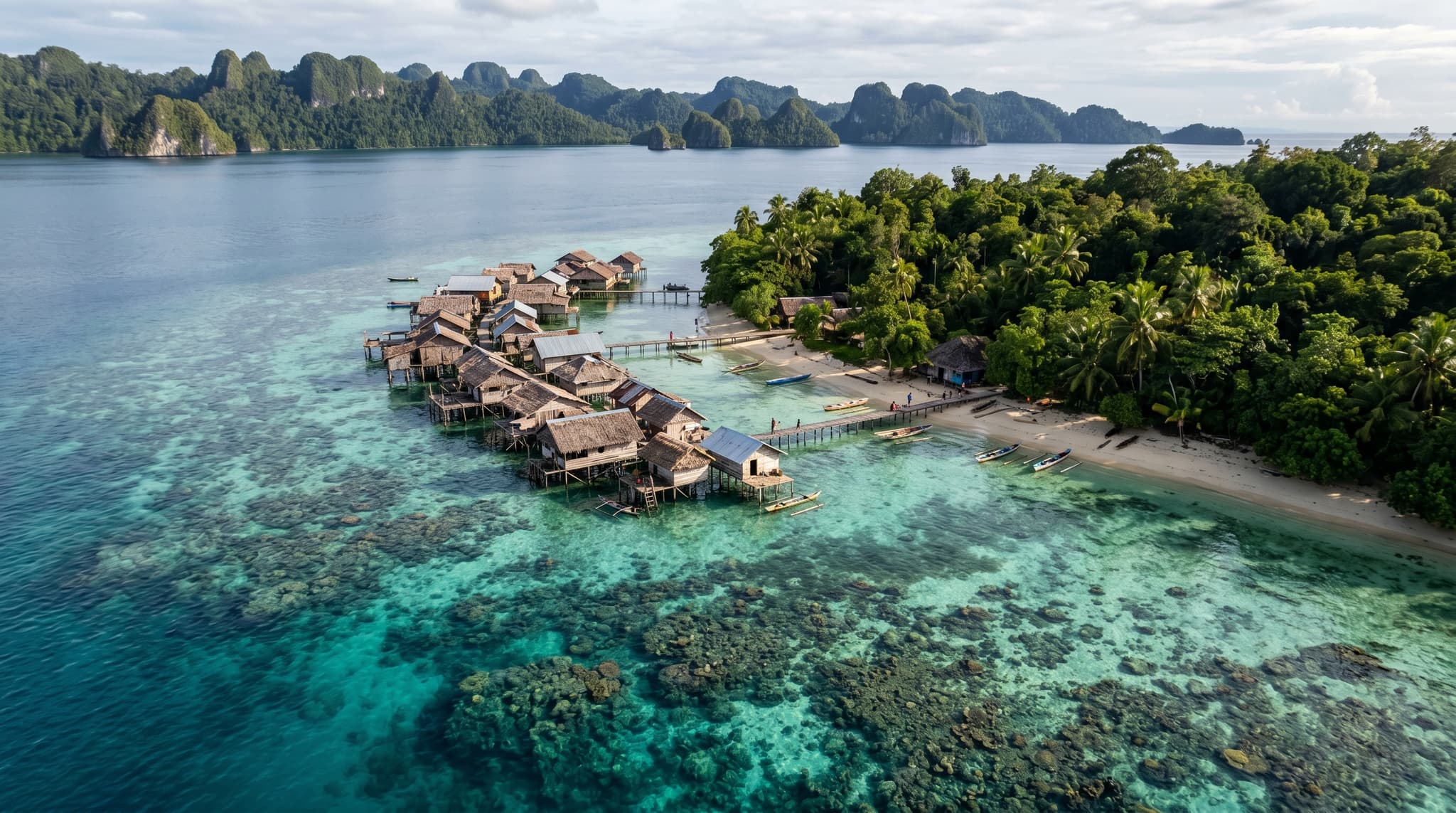
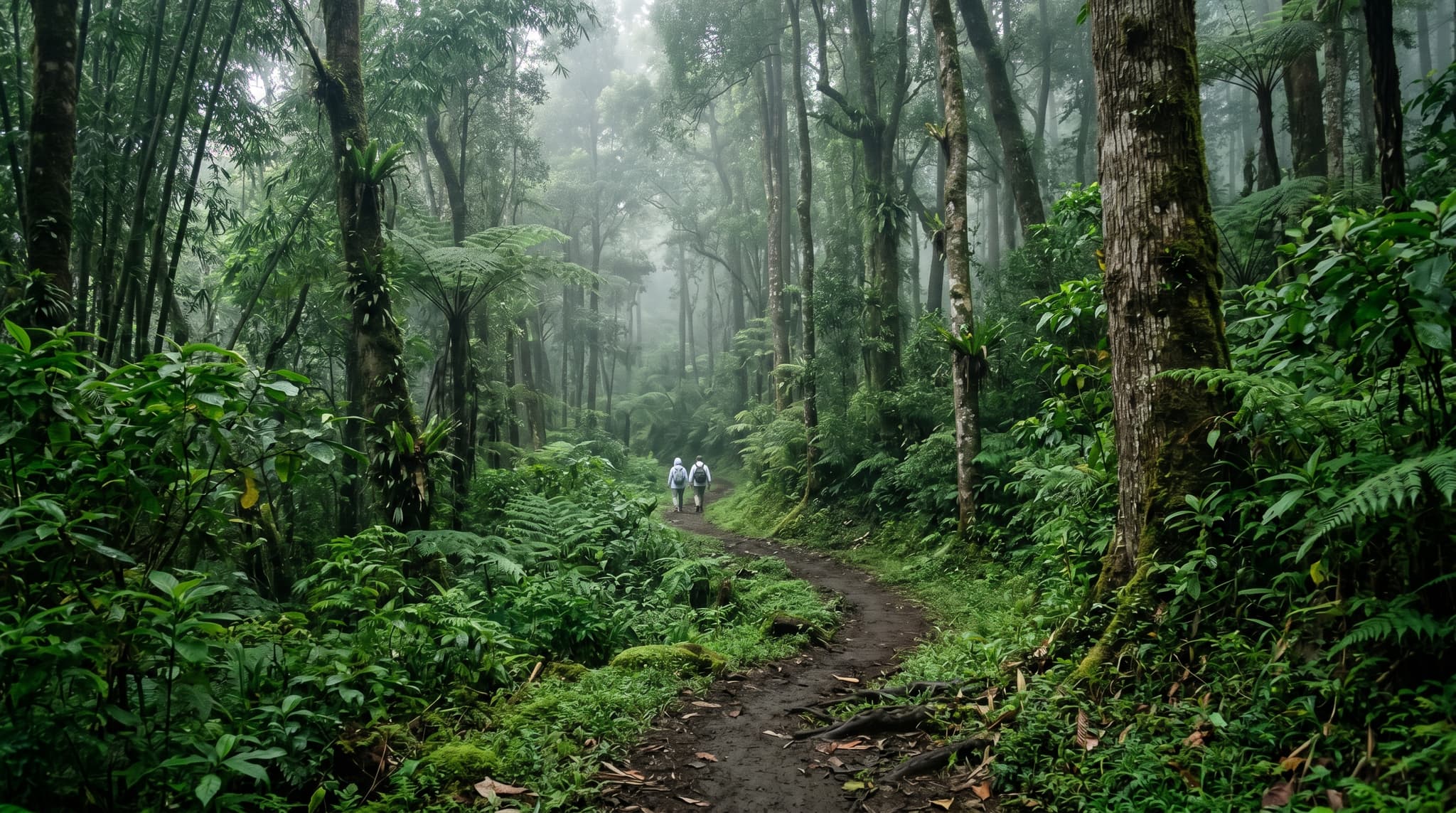
Moni is the small village where you sleep before a Kelimutu sunrise. Here's what to expect: guesthouses, transport, food, and how to time your visit.
What Moni Actually Is

Let's be direct: Moni is a one-street village on the slopes of Mount Kelimutu. You're here because the crater lakes are 13 km uphill and you need to leave before dawn to catch sunrise. That's the reason this village exists on anyone's itinerary, and there's no point pretending otherwise.
What Moni offers is a bed, a meal, and a ride up the mountain. What it doesn't offer is ATMs, reliable Wi-Fi, or much to do after dark. If you're coming from Bali or Labuan Bajo, the infrastructure downgrade is real. Accept it early and you'll have a good time.
Getting to Moni
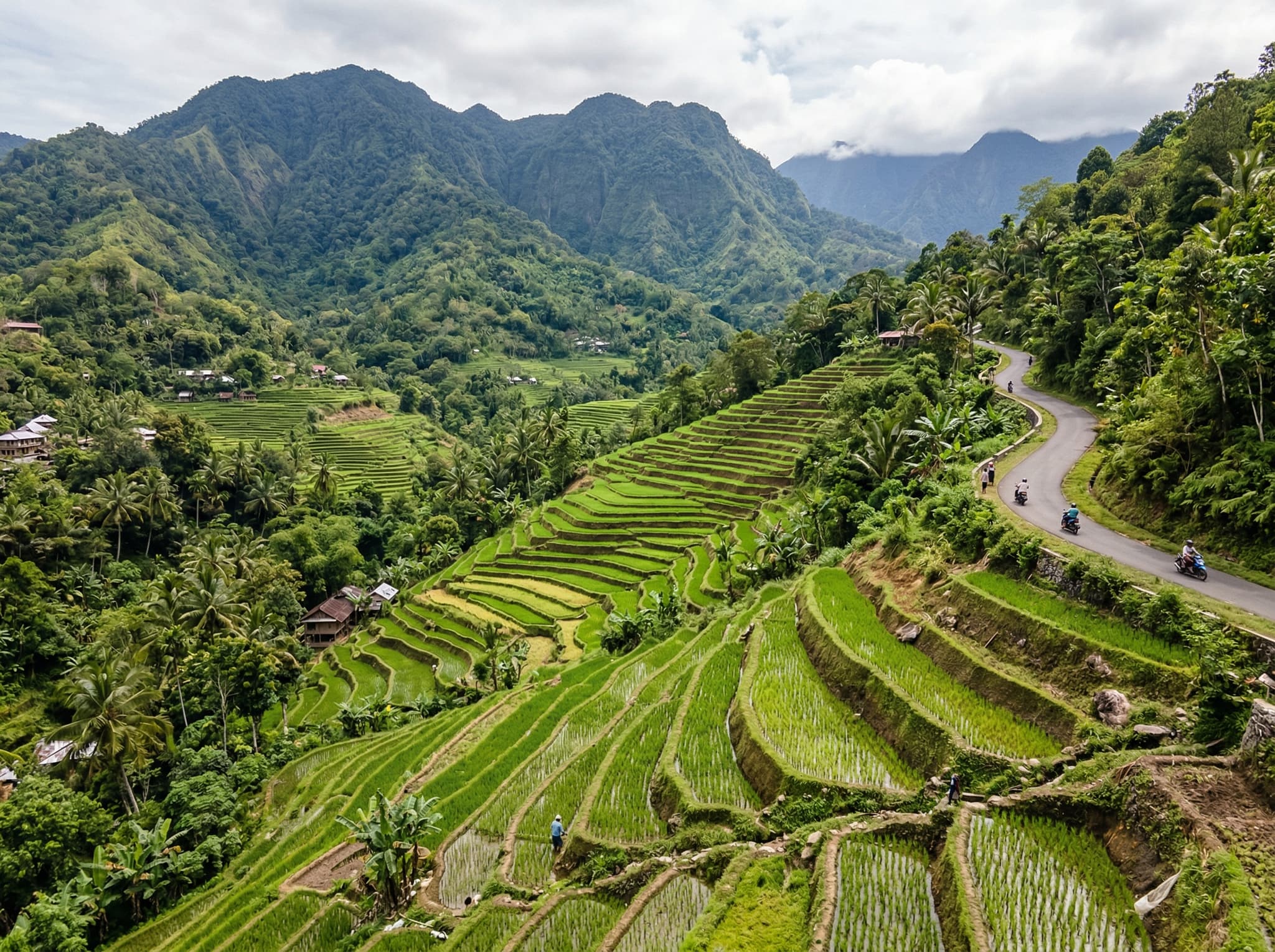
Most travelers arrive from either Ende (to the west) or Maumere (to the east). Both work. Here's what each route looks like.
Transport to Moni
Ende → Moni (bus)
1.5 hrs, IDR 25,000 from Roworeke station
Ende → Moni (private car)
1–1.5 hrs, from IDR 500,000/day
Maumere → Moni (bus)
3.5–4 hrs, IDR 30,000–40,000 from Madawat station
Maumere → Moni (shared kijang)
2–3 hrs, IDR 75,000
The Ende route is shorter and the road is decent. If you're flying in, Ende's H. Hasan Aroeboesman Airport is the closest — figure on a total of about 2 hours from landing to Moni once you factor in finding transport.
From Maumere, the shared kijang (minivan taxi) is worth the extra cost over the bus. You save at least an hour and the seats are marginally less punishing.
A popular option for overland travelers: hire a driver for the full Ende–Moni–Bajawa corridor. English-speaking drivers run this route regularly and will fold in stops at the Detusoko rice terraces and Green Stone Beach (a pebble beach with distinctive green stones and grilled fish vendors — worth 20 minutes if you're passing). Expect to pay IDR 500,000+ per day for a private car with driver.
Where to Stay

Moni has roughly 15 guesthouses. None of them are fancy. Most offer private bathrooms, and some have balconies with mountain views. That's the ceiling.
Accommodation Costs
Budget floor
$12–$13/night
Low season avg (Mar–May)
$16/night
High season avg (Dec–Feb)
$25/night
Overall range
$12–$26/night
Family Guest House Moni sits about a kilometer from the Kelimutu road and offers private bathrooms, balconies, and mountain views — it's one of the better-reviewed options. Kelimutu Eco Village and Villa Marcelinus are also commonly booked. Most properties offer free parking if you've hired a car.
The important thing: book ahead during high season (June–August and December–February). There are only 15 places in a village that every Kelimutu visitor passes through. Showing up without a reservation in July is a gamble you don't need to take.
The Kelimutu Sunrise Run
This is why you're here. [Mount Kelimutu's](/ places/ende/kelimutu-flores-color-shifting-crater-lakes) three crater lakes shift colors — turquoise, green, black, rust red — depending on mineral content and volcanic activity. The 13 km drive from Moni to the national park takes about 30 minutes by car or ojek. From the parking area, it's a 30-minute walk up steps to the viewpoint. No guide needed, no special gear — just a jacket, because 17°C with wind at dawn feels cold after weeks in the tropics.
Kelimutu Logistics
Distance from Moni
13 km (30-min drive)
Ojek round trip
~IDR 100,000 (~$6)
National park entry
~IDR 150,000 (verify on-site)
Hike to viewpoint
30 min on steps
Departure time
4:00–4:30 AM for sunrise
Eating and Supplies
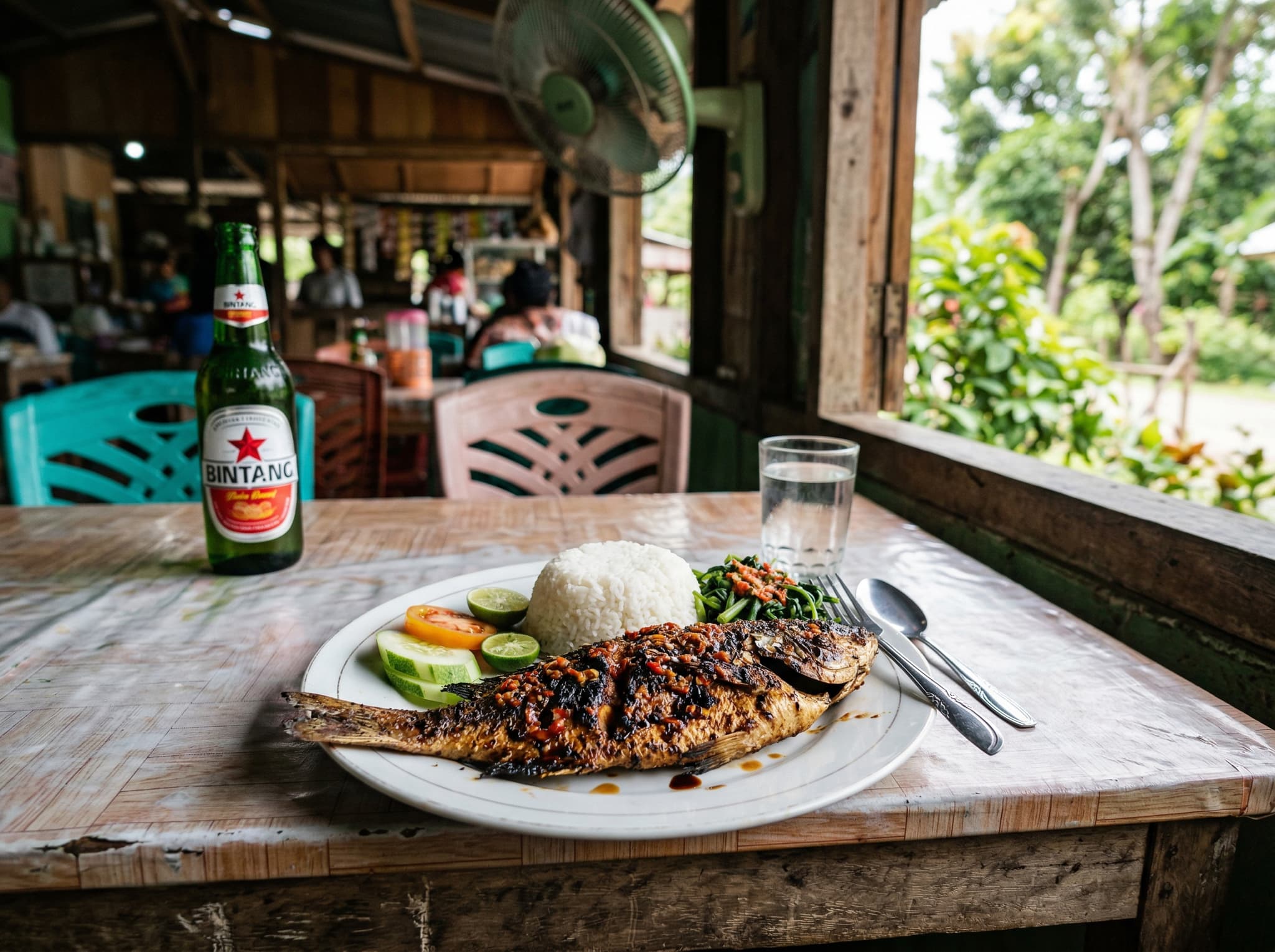
Moni has a handful of warungs and two places that show up consistently: Mopi's Place and Bintang Restaurant. Expect simple Indonesian food — nasi goreng, mie goreng, grilled fish. Portions are decent, prices are low (IDR 25,000–50,000 for a meal), and your options are limited enough that you'll likely eat wherever is closest to your guesthouse.
If you want more variety, Ende has proper restaurants — Pari Koro is a local favorite. But that's a 1.5-hour bus ride away, so it's a stop on the way in or out, not a dinner plan.
Stock up on water and snacks in Ende or Maumere. Moni has small shops but selection is thin.
Beyond Kelimutu
If you have a second day — and the village is pleasant enough to justify one — there are a few things within reach.
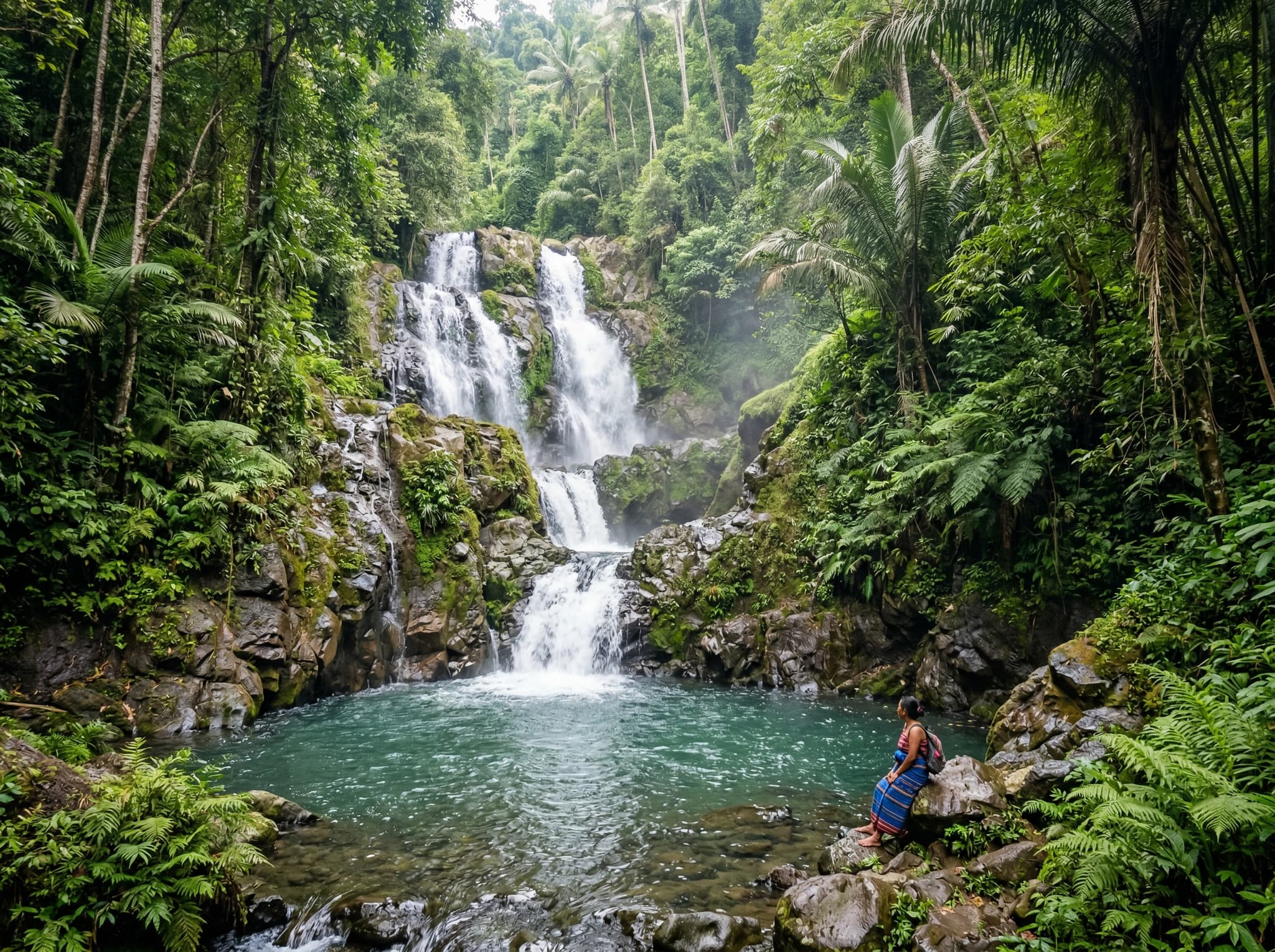
Moni Waterfalls are a short walk from town: multi-tiered cascades in jungle, swimmable pools, and a small community-managed entry fee (expect IDR 20,000–30,000). The trail is slippery, so wear shoes with grip.
Wologai Traditional Village, home to the Lio tribe, features circular houses arranged around a central offering site called the Tubu Kanga. It's a genuine living village, not a tourist set. Djopu Traditional Village is another Lio community — entry is by donation, and a local named Mama Maria is the usual contact point for visits.
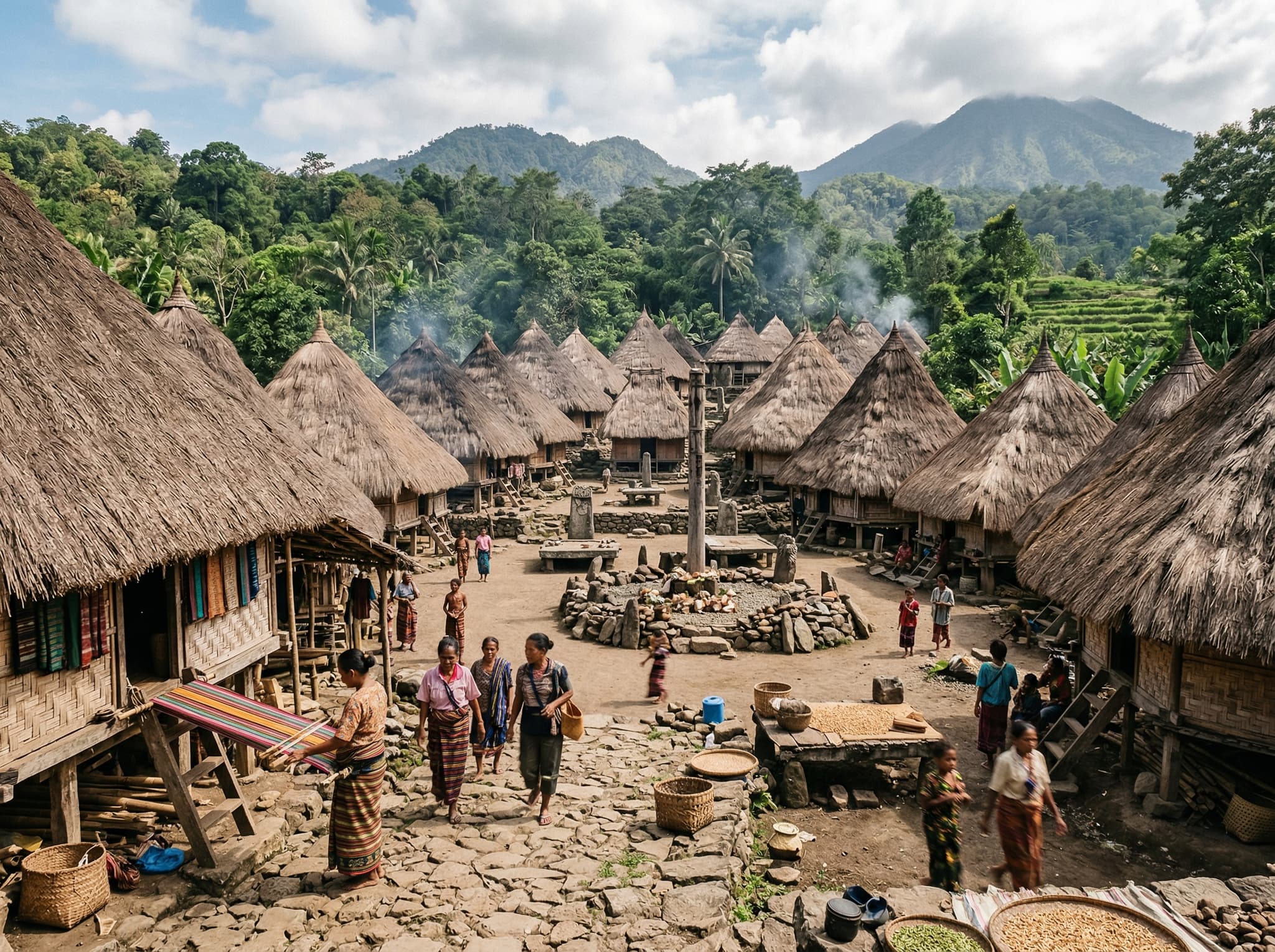
Neither village requires a full day. You can see both in an afternoon if you have transport arranged.
The Honest Take
Moni is a means to an end, and there's nothing wrong with that. The end — Kelimutu at sunrise — is one of the most striking things you'll see in Indonesia. The village itself is quiet, basic, and perfectly functional for what it needs to be. One night is enough for most travelers. Two nights if you want the waterfalls and a village visit without rushing.
Don't expect Ende-level services. Do bring cash. And book that 4 AM ojek before you go to sleep.