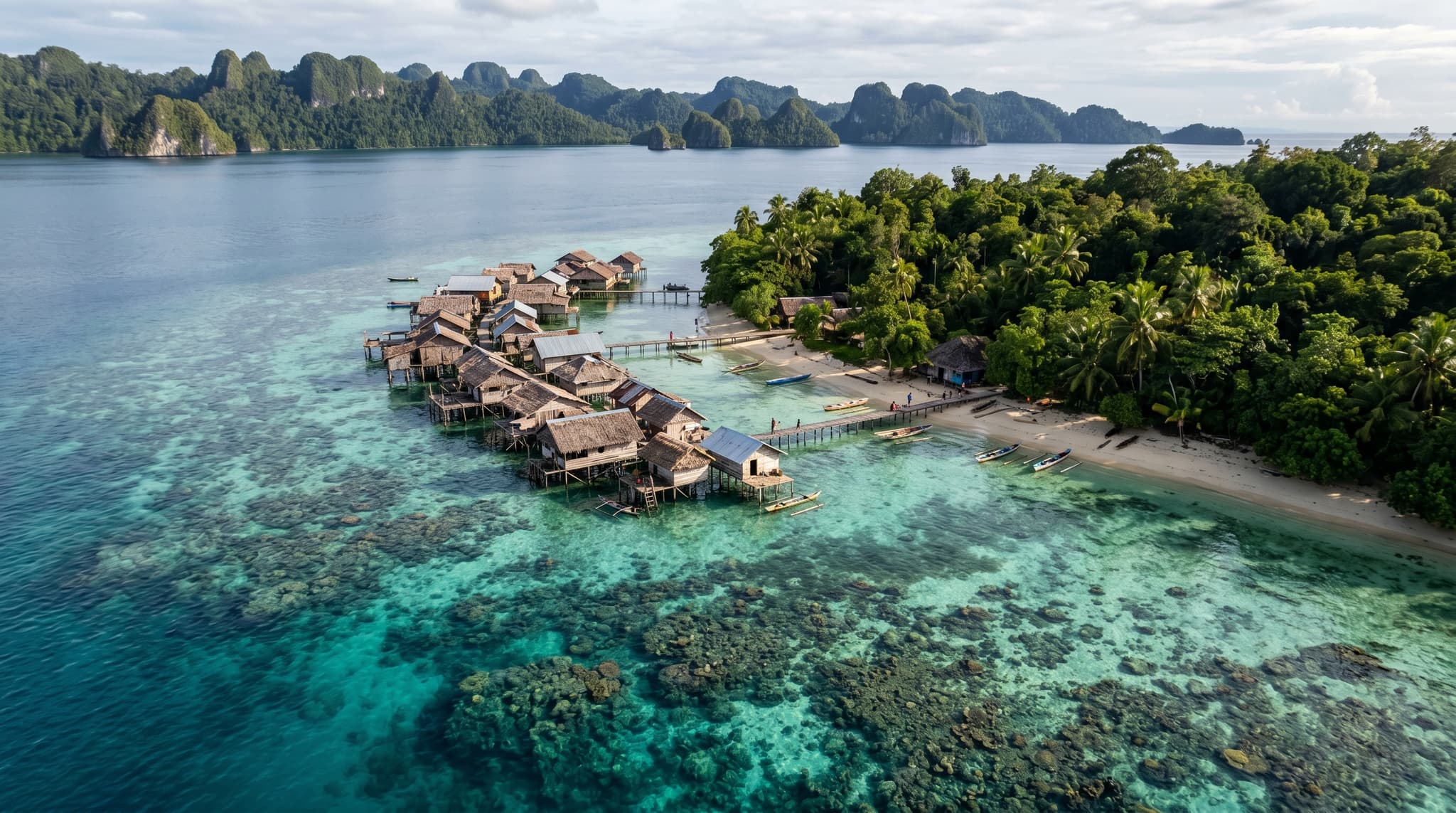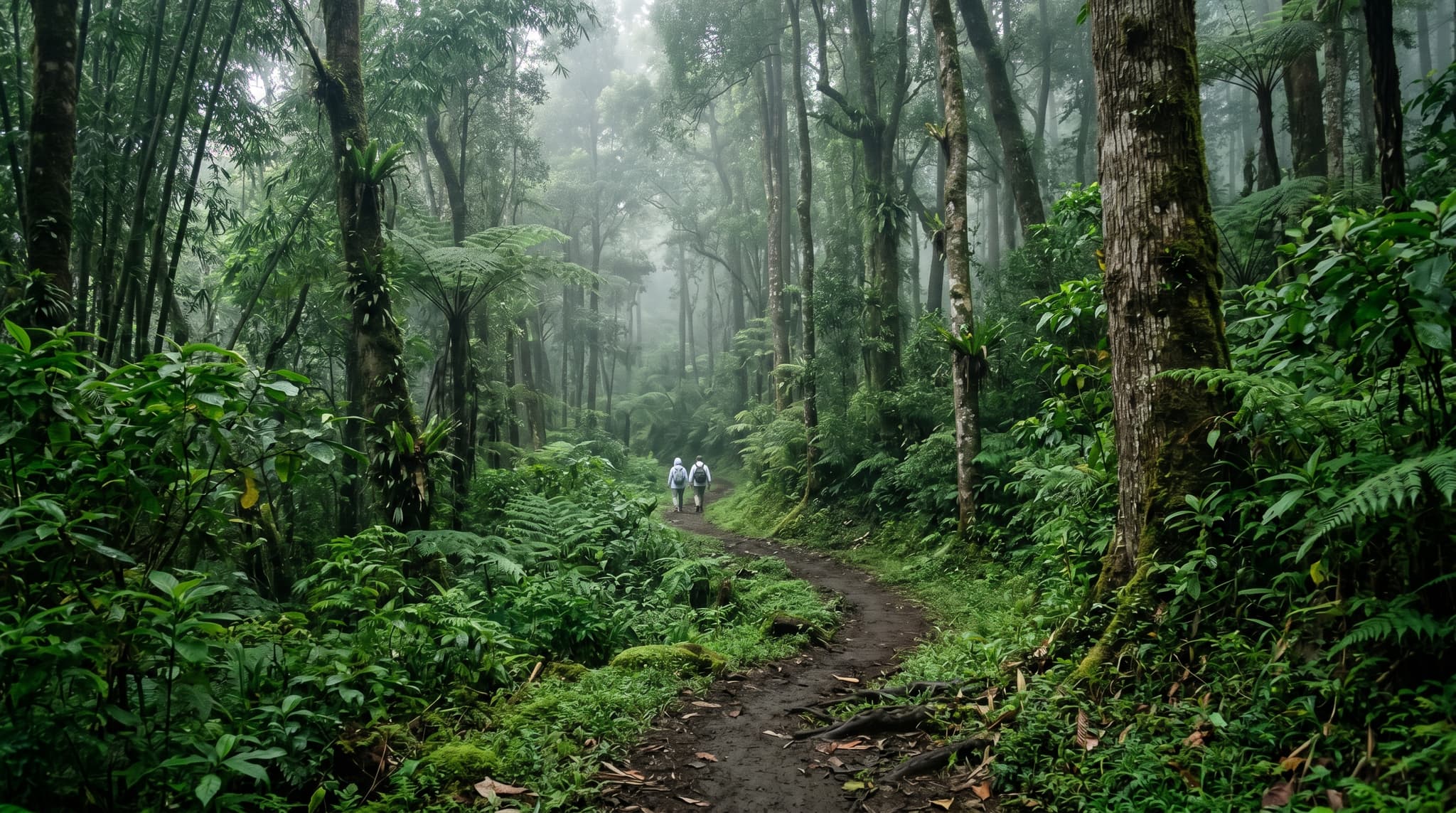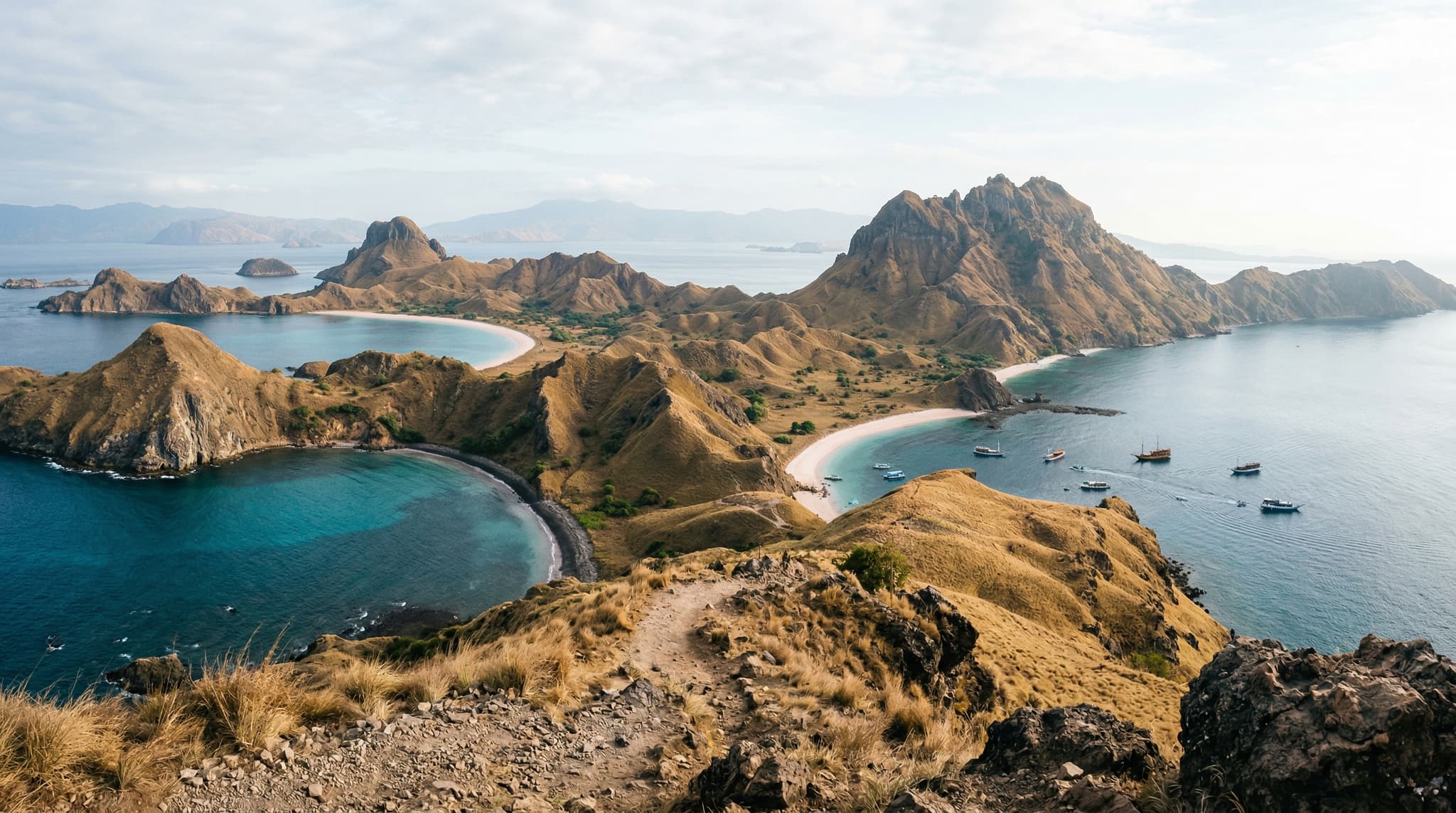
Padar Island's three-bay panorama is Komodo's most iconic view. Here's what to know about the hike, fees, and the new 50-visitor daily cap for 2026.
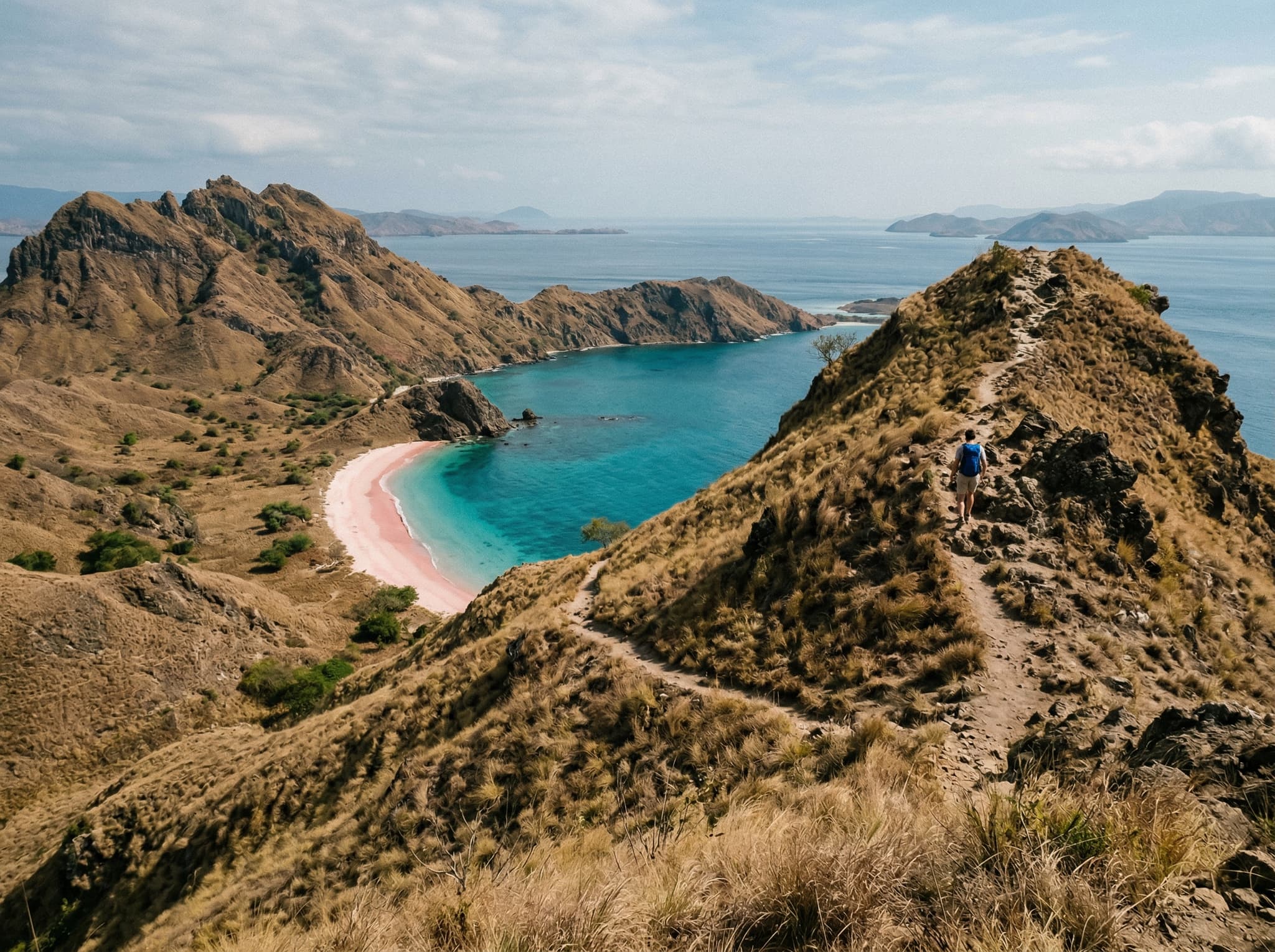
There's a reason Padar Island is the single most photographed spot in Komodo National Park, and it has nothing to do with dragons. From the summit ridge, you look down on three bays curving in different directions, each with sand a different color — white, pink, black — separated by dry savanna hills that fold into the sea like the spine of some enormous sleeping animal. It's the kind of view that makes you understand why Indonesia put it on the 50,000 rupiah banknote.
But Padar isn't just a photo op. Getting there requires a boat, a hike, and — as of 2026 — advance planning that didn't used to be necessary. Here's what you need to know.
Getting to Padar
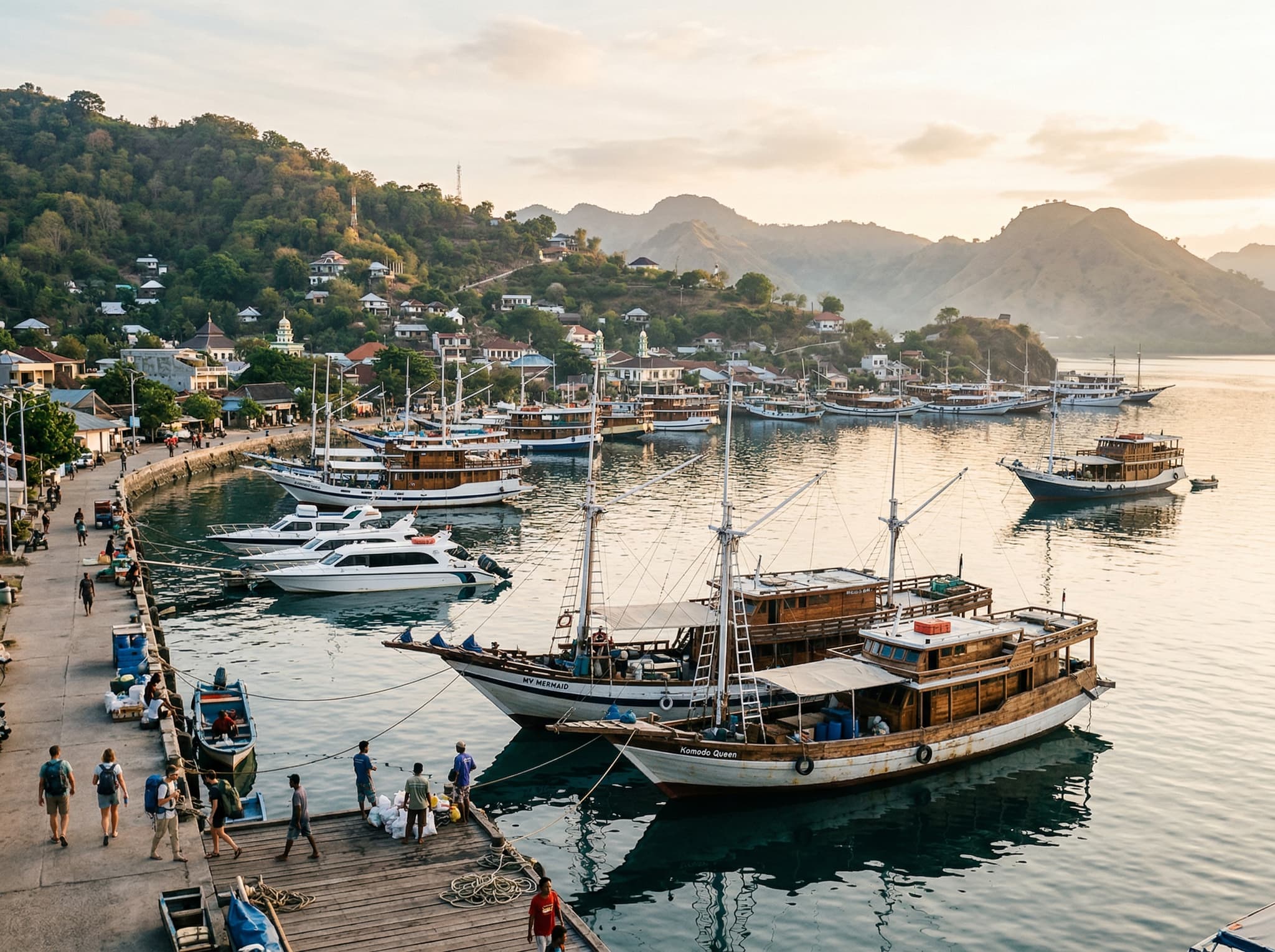
Padar Island has no roads, no dock for ferries, and no accommodation. The only way to reach it is by boat from Labuan Bajo, the small port town on the western tip of Flores that serves as the gateway to Komodo National Park.
Most visitors reach Padar on a full-day group tour that combines the island with other stops — typically Pink Beach, Komodo Island for dragon viewing, and Manta Point for snorkeling. These tours depart early, with hotel pickups between 5:30 and 6:30 AM. Shared slow-boat tours are the budget option; private speedboat charters cut the transit to 60–90 minutes and offer more flexibility on timing.
Tour Options from Labuan Bajo
Shared slow boat
Budget-friendly, full day, lunch included
Private speedboat
60–90 min to Padar, flexible schedule
Multi-day liveaboard
From ~$179 USD for 2 days
Booking
Viator, Klook, GetYourGuide, or shops on Jl. Soekarno Hatta in Labuan Bajo
Tours can be booked online or the day before at operator shops along Jl. Soekarno Hatta in Labuan Bajo. One important detail: national park entrance fees are almost always excluded from tour pricing and must be paid separately in cash on-site.
The Hike
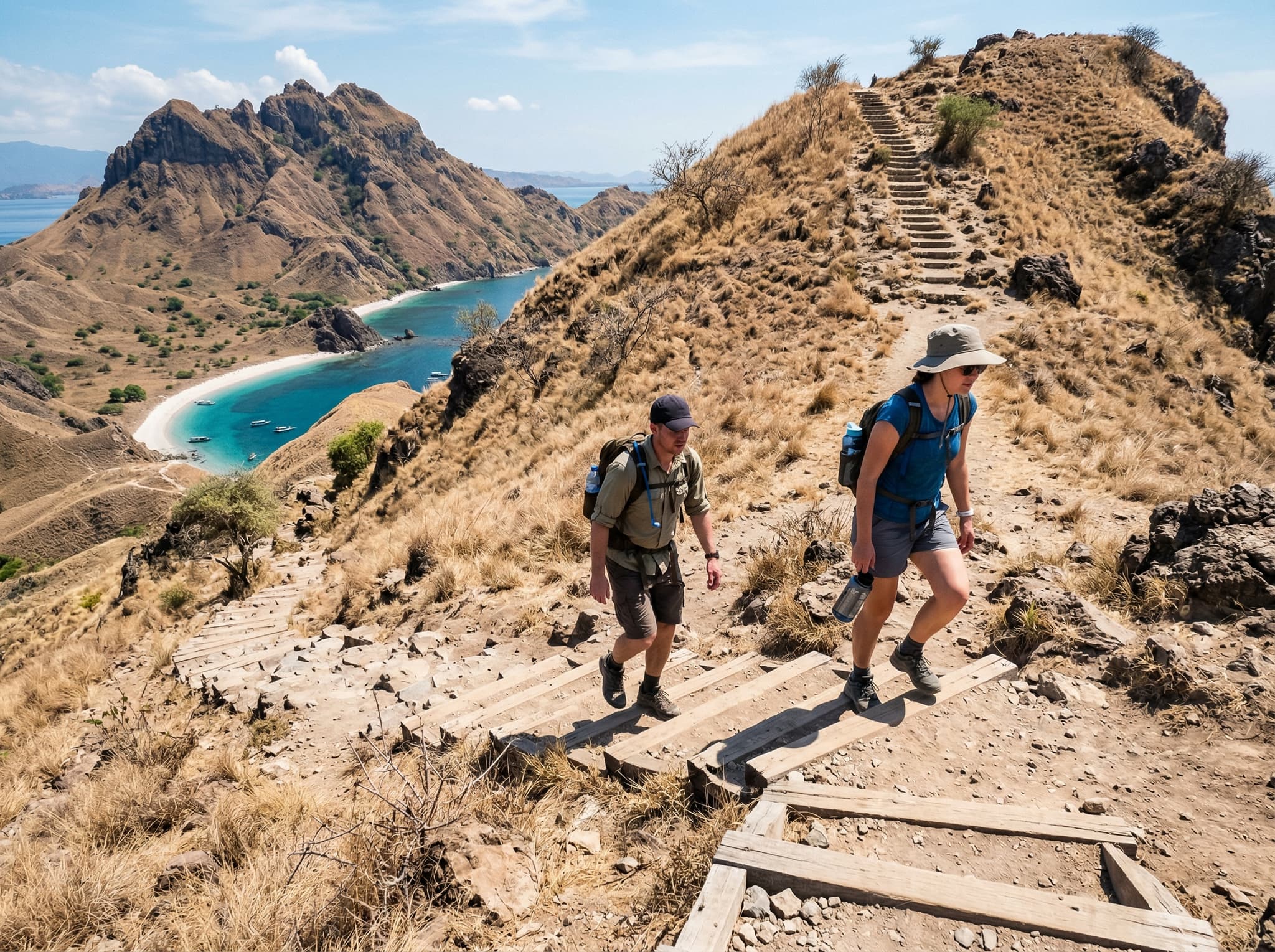
The Padar trek is roughly 3.9 km round trip with about 170–200 meters of elevation gain — short but exposed. The trail starts near the beach landing and climbs via approximately 815–830 steps made of stone, wood, and concrete. (The initial scramble that older trip reports describe has largely been replaced by constructed stairs.) Higher up, the path transitions to loose dirt, gravel, and rocky ridgeline.
The ascent takes most people 30–45 minutes. The descent is quicker — around 20 minutes. Budget 1–2 hours total, including time at the top.
The trail has six designated rest stops and three viewpoint tiers. The second tier — with clear views of the bays — is where many visitors stop, and it's a perfectly satisfying turnaround point. The summit offers the full 360-degree panorama but requires navigating the exposed ridge.
A licensed ranger is compulsory for all trekking on Padar and can be arranged through your tour operator or on-site. Ranger fees run IDR 120,000–150,000 per group of up to five people for the standard trek, or IDR 225,000 for longer routes.
Fees and the 2026 Quota System
The fee structure for Komodo National Park has changed several times in recent years. As of the most recent 2026 figures:
Komodo National Park Fees (International Visitors)
Park entrance (1-day trip)
IDR 250,000 per person
Park entrance (3-day/2-night)
IDR 650,000 per person
Ranger fee (Padar trek)
IDR 120,000–225,000 per group
Marine/harbor fee
IDR 250,000 + IDR 25,000 harbor fee per day
Payment
Cash on-site
The bigger change is the visitor cap. Starting in 2026, Padar Island is limited to just 50 visitors per day — down from the previous park-wide cap of 1,000 per day. Advance booking through the SiOra app will be mandatory once full enforcement begins in April 2026 (January through March is a trial period). This is a significant shift. Padar has long been the most popular stop in the park, and 50 daily slots will fill fast during peak season.
When to Go
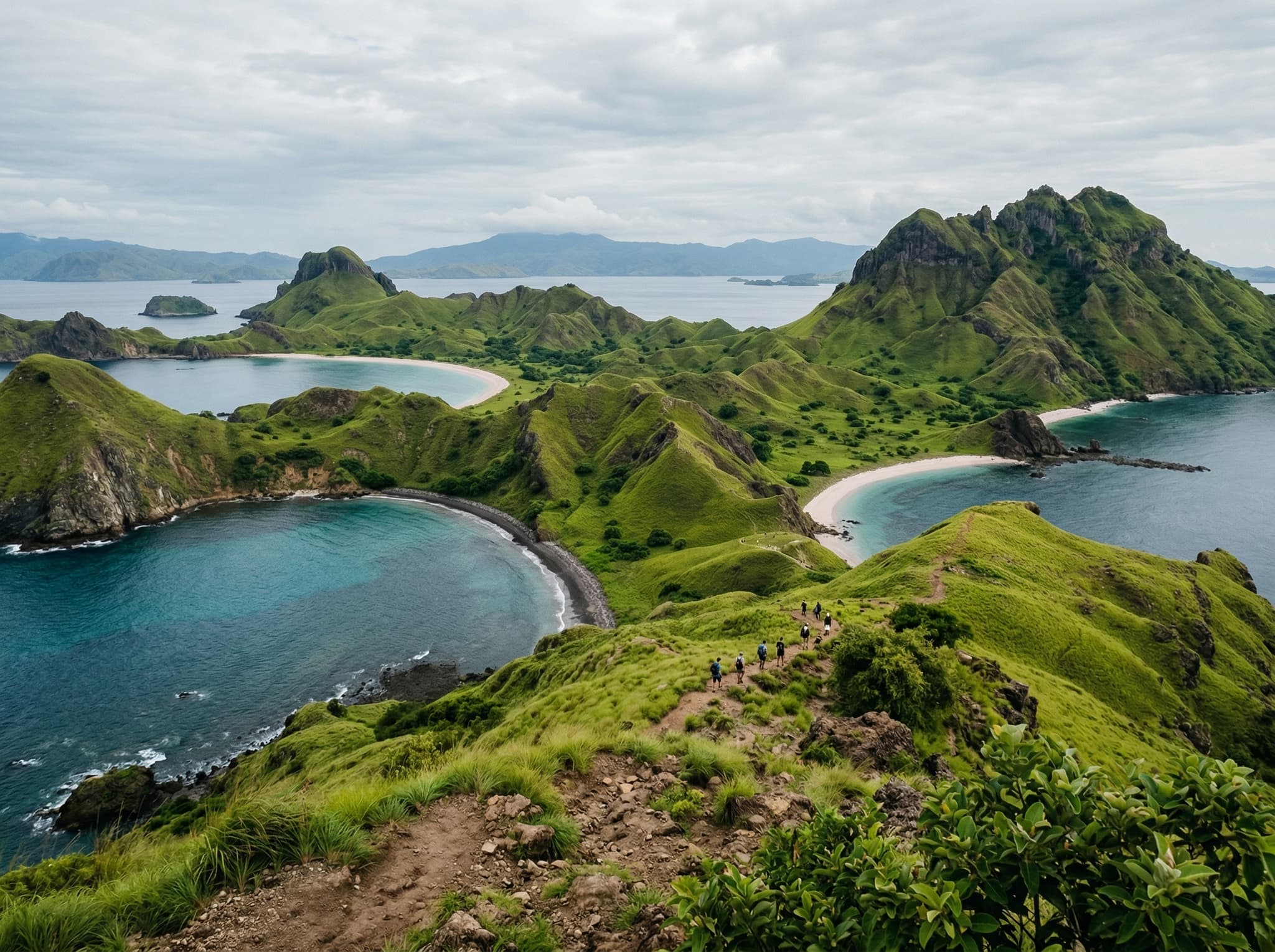
The dry season runs April through November, but the sweet spot is April through June. The hills are still green from the wet season rains — that lush, saturated landscape you see in the best photos. Seas are calm, visibility for snorkeling reaches up to 30 meters, and crowds are lighter than peak season.
July through September is the busiest window. The landscape shifts to golden-brown hues, which has its own appeal, but expect more boats at the landing and competition for those 50 daily spots. October and November offer a good compromise — decent weather, returning manta rays at nearby dive sites, and fewer visitors.
December through March is wet season. Tours still operate, but rougher seas can delay or cancel crossings, particularly in late January and February when storm risk is highest. Following the sinking of the KM Putri Sakinah in the Padar Strait in December 2025, authorities imposed a permanent nighttime sailing ban — all vessels must now anchor in designated safe zones after dark.
What to Know Before You Go
The hike itself is manageable for most reasonably fit adults — sources cite a success rate above 95%. The challenge isn't technical difficulty; it's heat and exposure. The trail is entirely unsheltered, and morning temperatures are already high by the time most tour groups arrive.
Wear proper shoes with grip — not flip-flops, despite what you'll see others attempting. Bring sun protection and more water than you think you need. There are no facilities or vendors on the island.