Turtle Heaven off Gili Meno is the Gili Islands' most accessible site for sea turtle encounters. A guide to depths, costs, seasons, and what to expect.
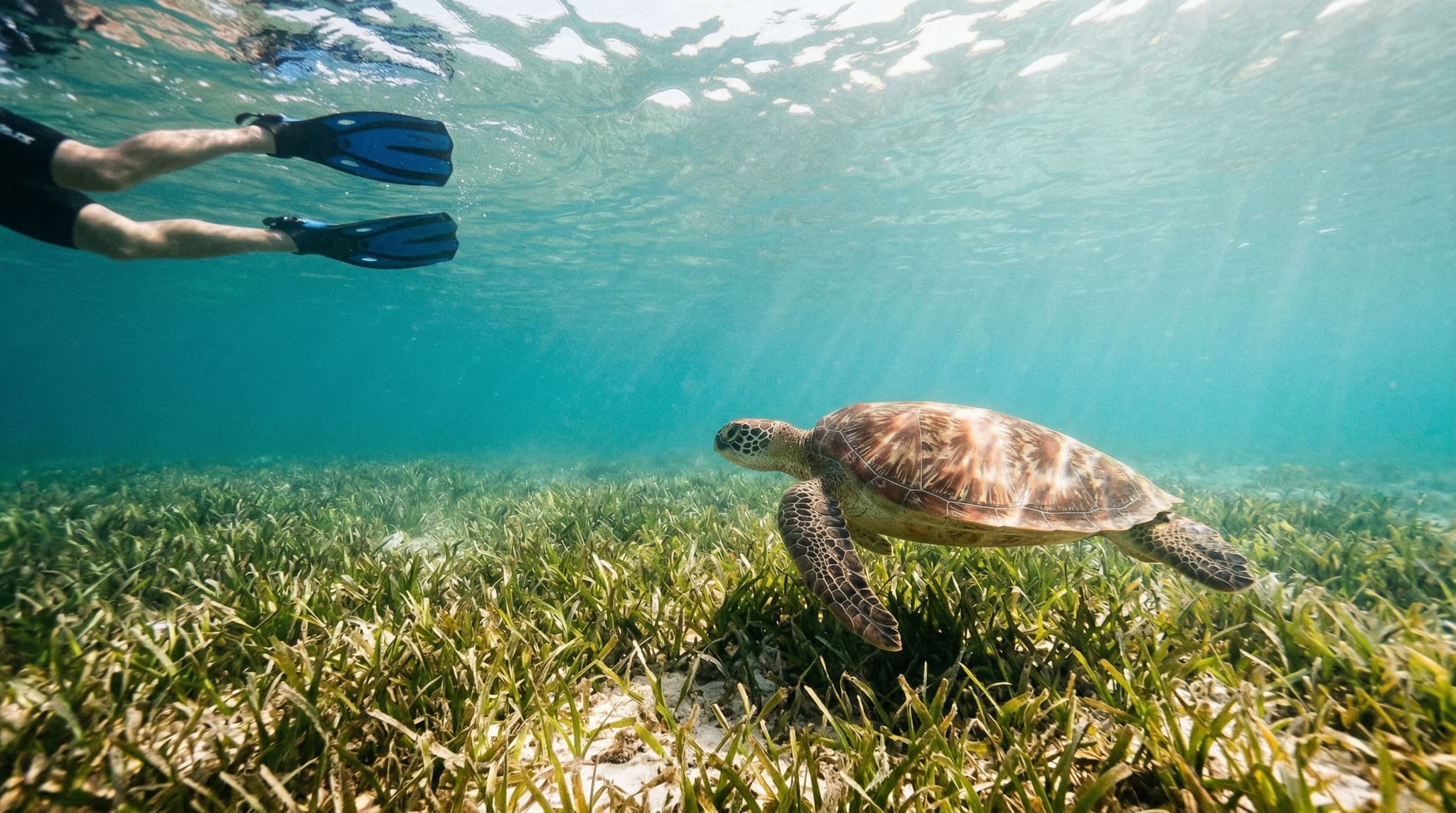
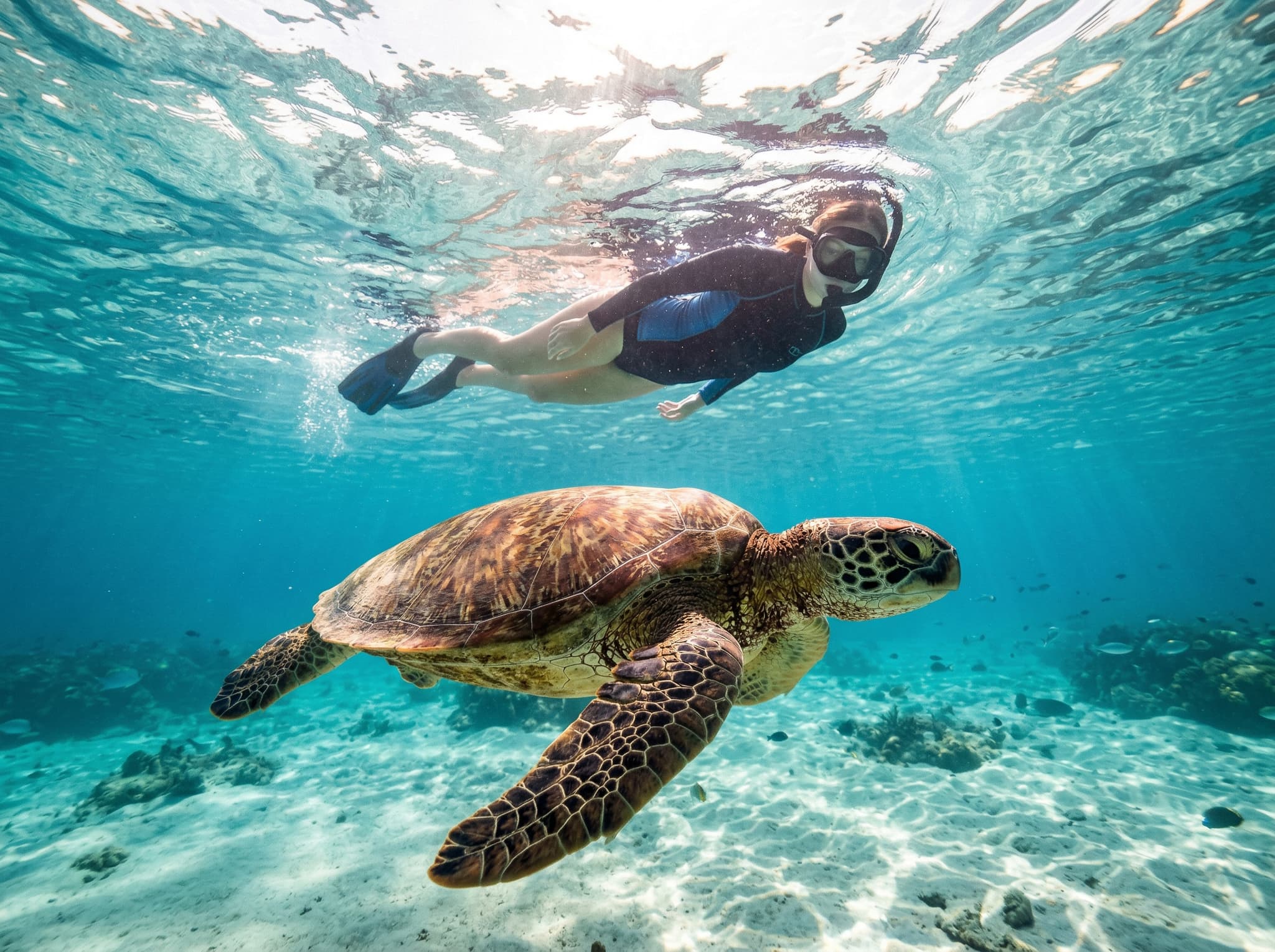
The water off Gili Meno's northeast coast is the kind of clear that makes you forget you're looking through anything at all. You're floating in maybe three meters, the morning light cutting straight to the sand below, and then a green sea turtle drifts into view — unhurried, enormous, pulling at seagrass with the slow deliberation of something that has nowhere else to be. This is Turtle Heaven, and the encounter happens close enough to the surface that you don't need a tank, a certification, or even much confidence in the water.
What Makes Turtle Heaven Different
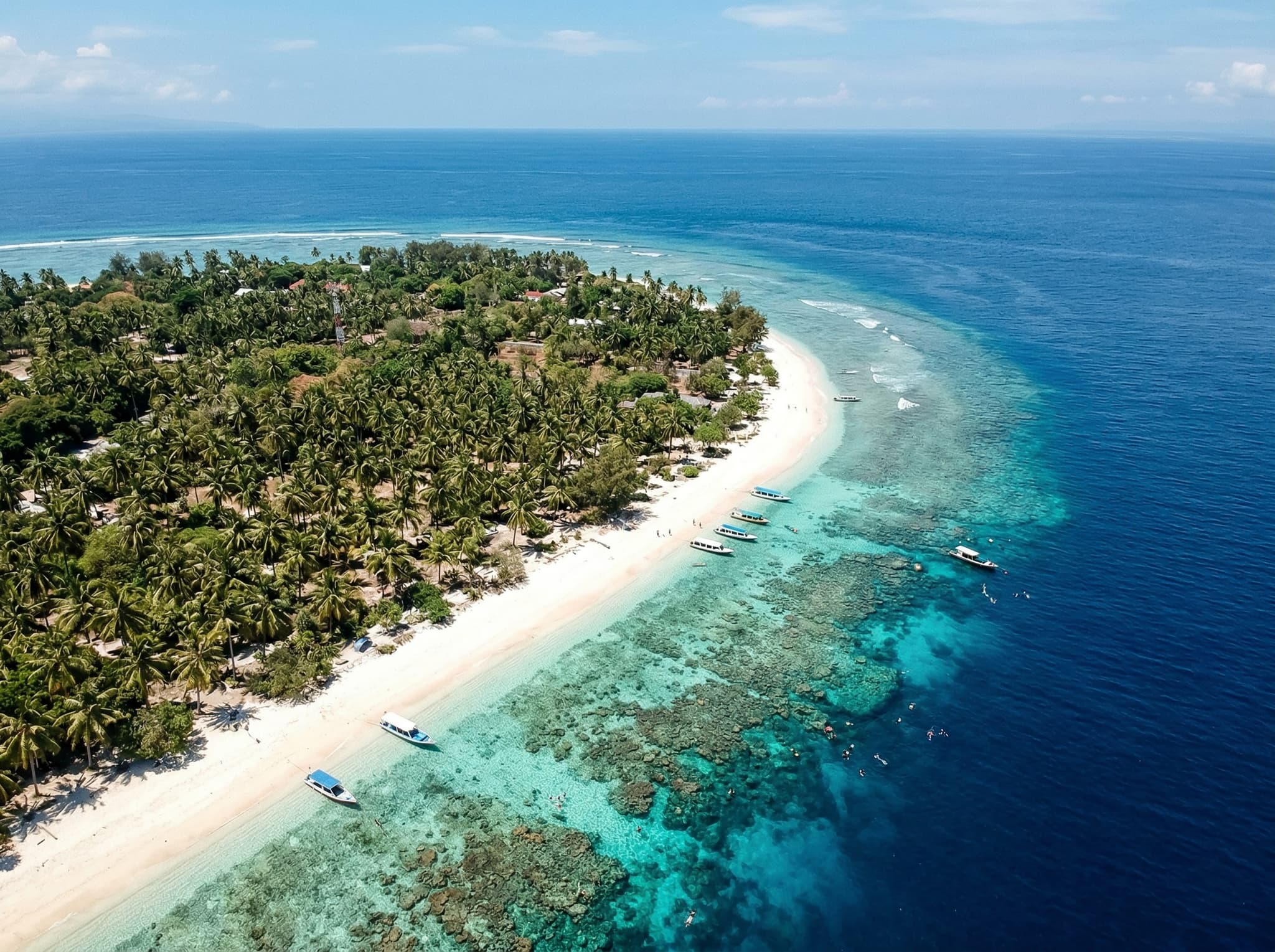
The Gili Islands have no shortage of places to see turtles. Gili Trawangan has its own Turtle Point on the northeast shore, wadeable at high tide. Gili Air offers calm, shallow encounters off its northwest coast. But Turtle Heaven occupies a specific niche: an underwater pinnacle that starts at 5–6 meters and drops to 40, creating a site that works for snorkelers floating above and divers descending below — all in the same session, at the same location.
The key is the seagrass. Green sea turtles are herbivores, and the shallow beds around the pinnacle's upper reaches draw them to feed near the surface. Where deeper sites require divers to descend 15 or 20 meters for a turtle encounter, Turtle Heaven's topography brings the turtles up. Snorkelers regularly report sightings within a few meters of the surface — not fleeting glimpses, but sustained, parallel drifts alongside animals that are accustomed to human presence and largely unbothered by it.
Depth Profile
Snorkeling depth
Surface to 5 meters
Pinnacle top
5–6 meters
Maximum dive depth
40 meters
Best snorkel visibility
Mornings, 7–11 AM
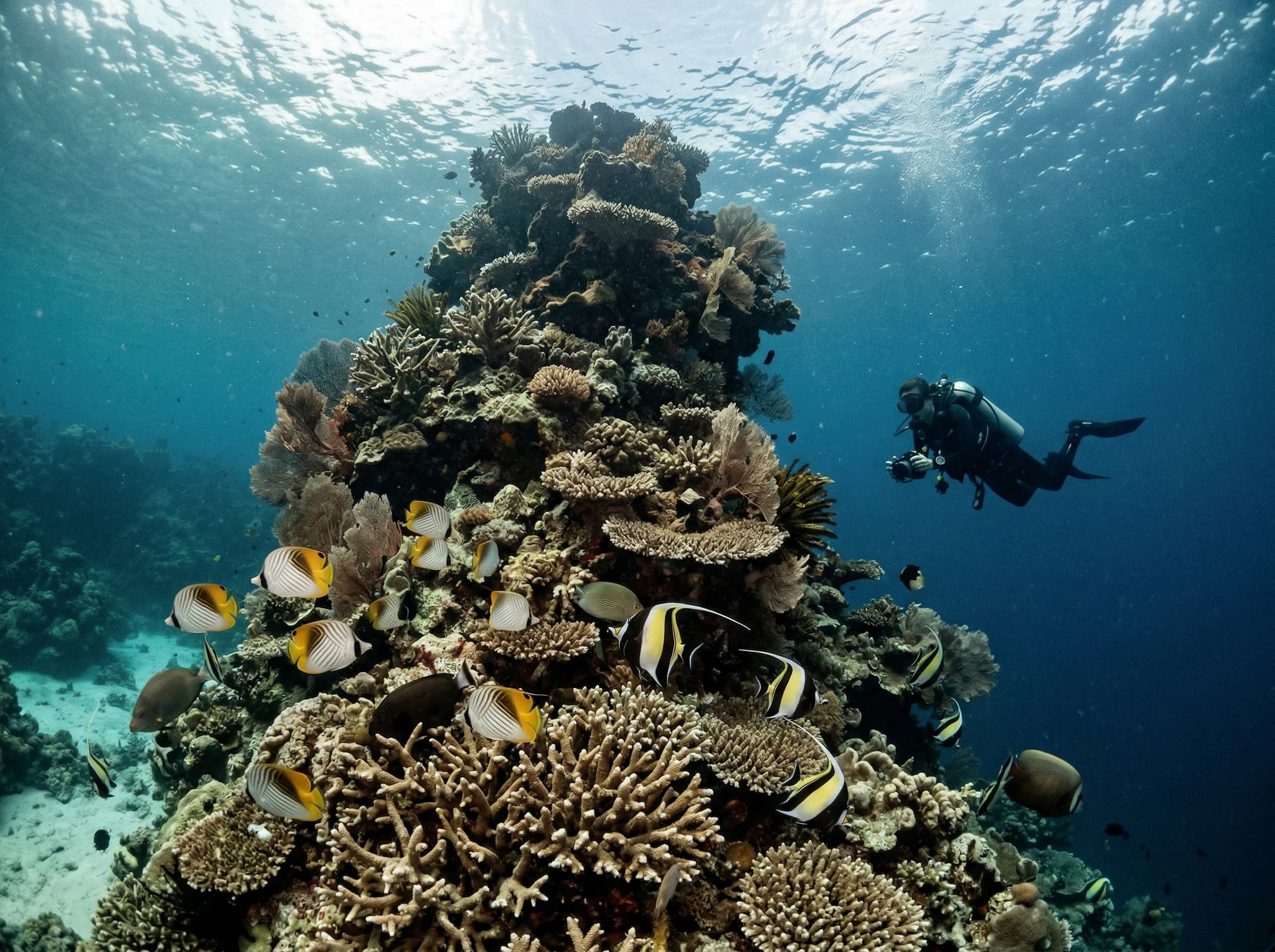
Beyond the turtles — both green (endangered) and hawksbill (critically endangered) — the pinnacle supports healthy coral growth with butterflyfish and Moorish idols threading through the formations. But the turtles are the draw, and the site delivers on them with a consistency that most marine wildlife encounters cannot promise.
Getting There
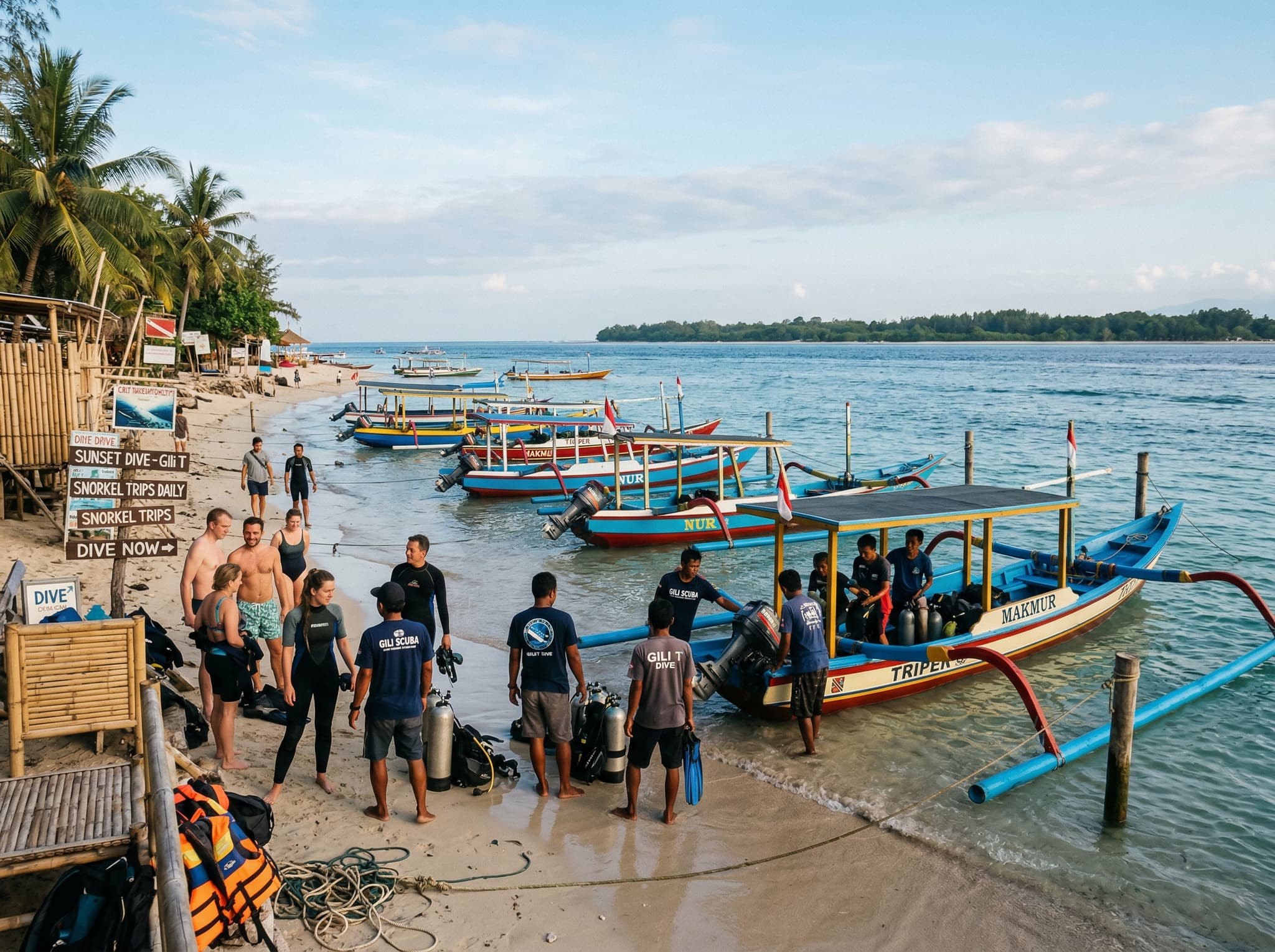
Turtle Heaven sits off Gili Meno, the quietest of the three Gili Islands, but most visitors access it by boat from Gili Trawangan, where the majority of dive operators are based. The ride takes 10–15 minutes. If you're staying on Gili Meno itself, some of the nearby turtle spots along the north shore are reachable by swimming from the beach, though Turtle Heaven's pinnacle is best accessed by boat.
Getting to the Gili Islands from Bali typically means a fast boat from Padang Bai (roughly 90 minutes, around IDR 225,000 / USD 14) or Sanur (3–4 hours). Inter-island boats between Gili Trawangan and Gili Meno run frequently and take 5–15 minutes.
Costs and Operators
All visitors to the Gili Islands' marine sites pay the TWP Gili Matra conservation fee — IDR 100,000 per day for foreign nationals, IDR 10,000 for Indonesian nationals. This covers access to Turtle Heaven and every other marine site in the conservation area.
Tour Pricing (2025 rates — verify before booking)
Single fun dive (certified divers)
IDR 650,000 (~USD 40) + IDR 100,000 park fee — 3W Dive Gili
Full-day snorkel tour (multiple sites)
USD 72–76 per adult, all-inclusive — PT. Diwira Wisata
Conservation fee
IDR 100,000 per day (foreign nationals)
Some operators include the conservation fee in their quoted price; others collect it separately on-site. Ask before you book to avoid paying twice.
Multi-stop snorkel tours typically combine Turtle Heaven with nearby sites — Turtle Paradise, Meno Wall, and the underwater nest statues on Gili Meno's west side. These run around five hours and include gear, a guide, and lunch.
When to Go — and When Not To
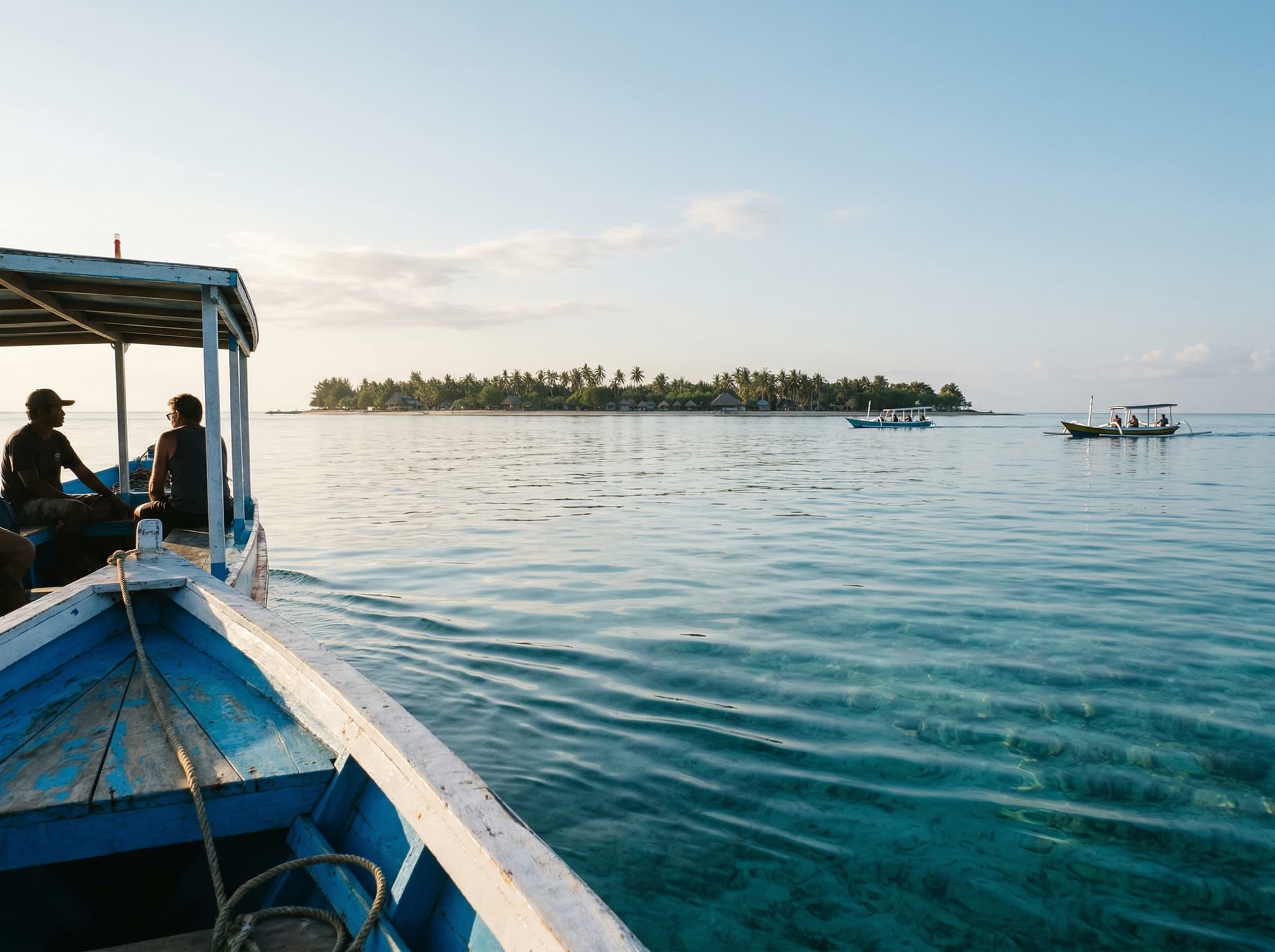
The dry season, April through October, brings the conditions that matter: calm seas, minimal current, and visibility that can stretch beyond 20 meters. Mornings between 7 and 11 AM are best — the water is stillest, the light is sharpest, and boat traffic hasn't peaked.
High tide draws turtles closer to shore to feed but can strengthen currents around the pinnacle. For snorkelers, this is worth noting rather than worrying about — the site remains manageable, but weaker swimmers should stick with guided groups.
The wet season (November through March) brings rough seas, reduced visibility, and unpredictable currents. Boat operators still run trips, but conditions can make the experience frustrating rather than memorable. If your dates fall in this window, manage expectations accordingly.
Conservation Context
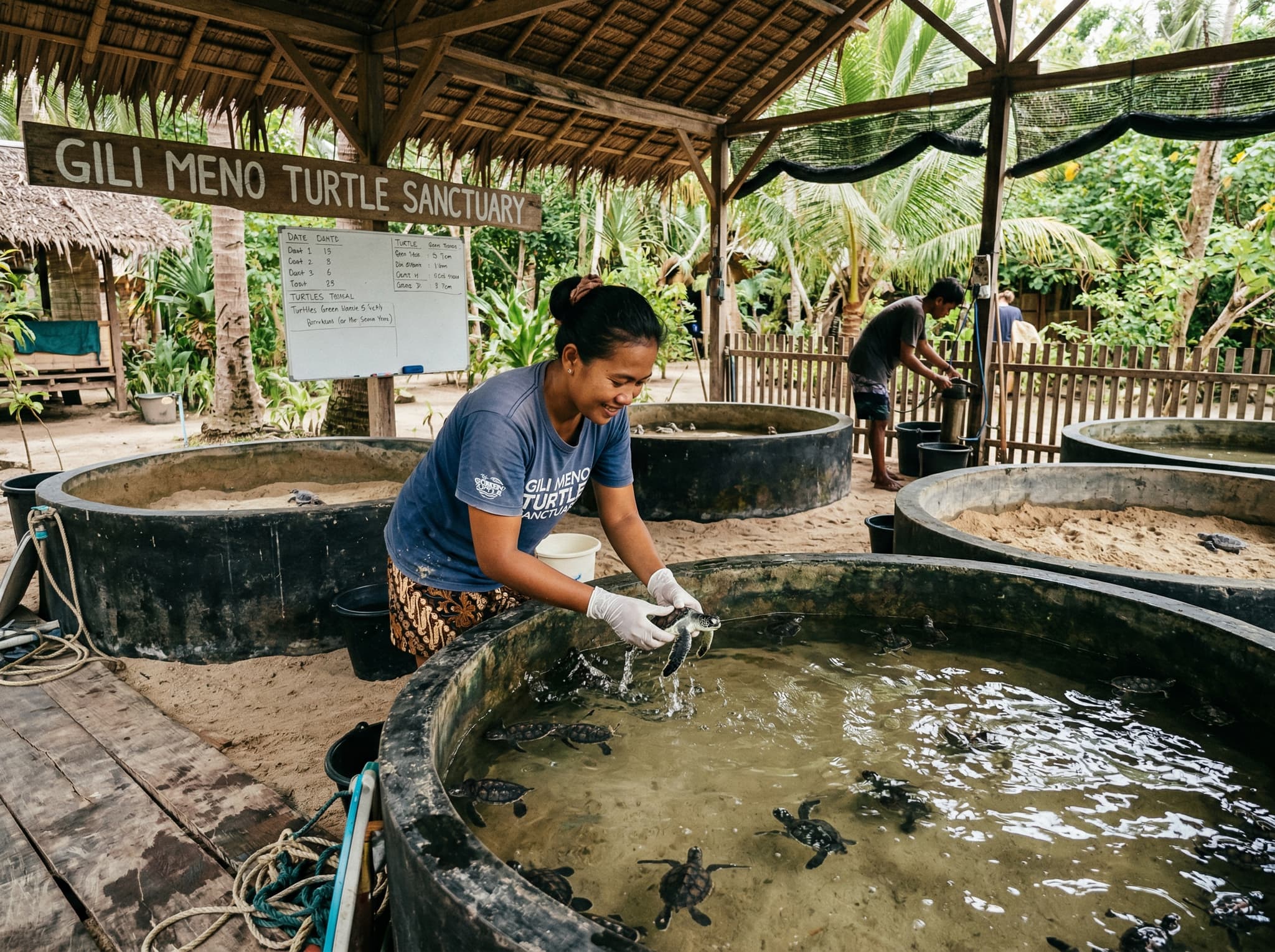
The Gili Islands were formally designated a marine conservation area under Indonesia's 2022 Marine and Fishery Minister's Decision, with specific protections for green turtle migration routes. On the ground, conservation takes a more hands-on form: the Gili Meno Turtle Sanctuary and Gili Trawangan Turtle Hatchery both collect eggs, incubate them, and raise hatchlings before release — boosting survival rates from roughly 1–2% in the wild to an estimated 50–70%.
A few things visitors can do: use reef-safe sunscreen (oxybenzone and octinoxate damage both coral and turtles), maintain at least two meters of distance from any turtle, and resist the urge to chase. The animals that make this site extraordinary are here because the ecosystem supports them. Keeping it that way is not complicated. It just requires not doing the obvious wrong things.