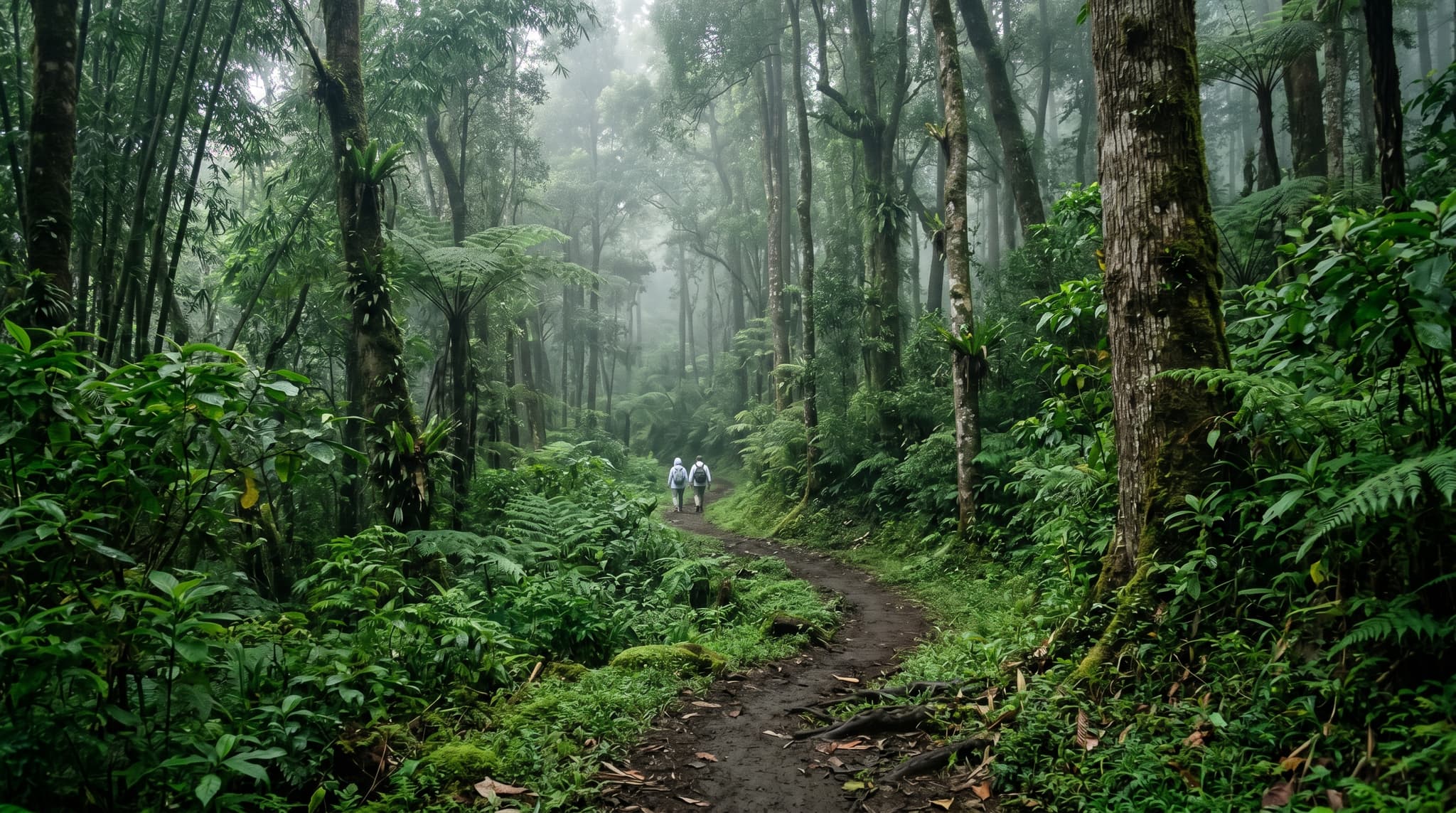
The Agung Rai Museum of Art in Ubud houses centuries of Balinese art across six hectares of gardens and rice terraces. Here's what to see and how to visit.
The Agung Rai Museum of Art sits on Jalan Raya Pengosekan, just south of central Ubud, where the tourist density thins and the road narrows between stone walls and overhanging frangipani. Most visitors heading to the Sacred Monkey Forest turn right; ARMA is what happens when you keep walking south for another ten minutes. The difference in atmosphere is immediate. There are fewer souvenir shops, more birdsong, and the museum's entrance opens not onto a lobby but onto six hectares of gardens, rice terraces, and open-air stages that feel closer to a village compound than a gallery.
This is one of Ubud's two major art museums, alongside the Neka Art Museum to the north. Where Neka organizes its collection by artistic movement and historical period — a more academic approach — ARMA Ubud lets you encounter Balinese art the way it actually exists: layered, spiritual, connected to the landscape it comes from. The paintings hang in pavilions surrounded by the same rice fields and temple gardens that inspired them. That relationship between art and setting is the museum's real argument, and it's made quietly.
The Collection at the Agung Rai Museum of Art

ARMA's permanent collection spans several centuries of Balinese and Indonesian art, housed across multiple gallery buildings connected by garden paths. The range is broader than most visitors expect.
The classical works anchor the experience. Look for the Kamasan-style paintings on tree bark — these are some of the oldest pieces in the collection, depicting scenes from the Ramayana and Mahabharata in the flat, ornate style that originated in the village of Kamasan in East Bali. They're not behind glass in a way that distances you. The scale and detail reward close attention.
Key Artists in the Collection
I Gusti Nyoman Lempad
Ink drawings — fluid, deceptively simple line work
Anak Agung Gde Sobrat
Experiments with light and shadow in Balinese painting
Ida Bagus Made
Spiritual and devotional works
Raden Saleh
Rare 19th-century Javanese paintings
The Lempad drawings are a highlight. Lempad was a polymath — architect, sculptor, painter — who reportedly lived to 116 years old (his exact birth year is disputed) and whose ink work carries a looseness that feels modern even though it predates most of the Western art it superficially resembles. His lines are spare and confident. If you see only one section of the ARMA museum, make it this one.
The 1930s and 1940s Batuan paintings occupy their own section and represent a period when Balinese artists began incorporating everyday village life — markets, ceremonies, the texture of daily routine — into compositions that had previously been reserved for mythology. The density of these paintings is striking. Every inch of the surface is filled, and you can spend ten minutes on a single piece finding new figures, new scenes nested inside scenes.

The contemporary galleries rotate more frequently and tend toward mixed media, abstraction, and reinterpretations of classical Balinese motifs. The quality varies — some pieces feel like they're in conversation with the traditional work elsewhere in the museum, others less so. But the rotation means repeat visitors will find something new.
ARMA hosts international exhibitions periodically. Past shows have included the B-GAME International Exhibition (66 artists from seven countries) and the annual ARMA Fest celebrating Balinese performing arts. Check the museum's website or ask at the front desk for current programming — schedules aren't always posted online in advance.
The Grounds
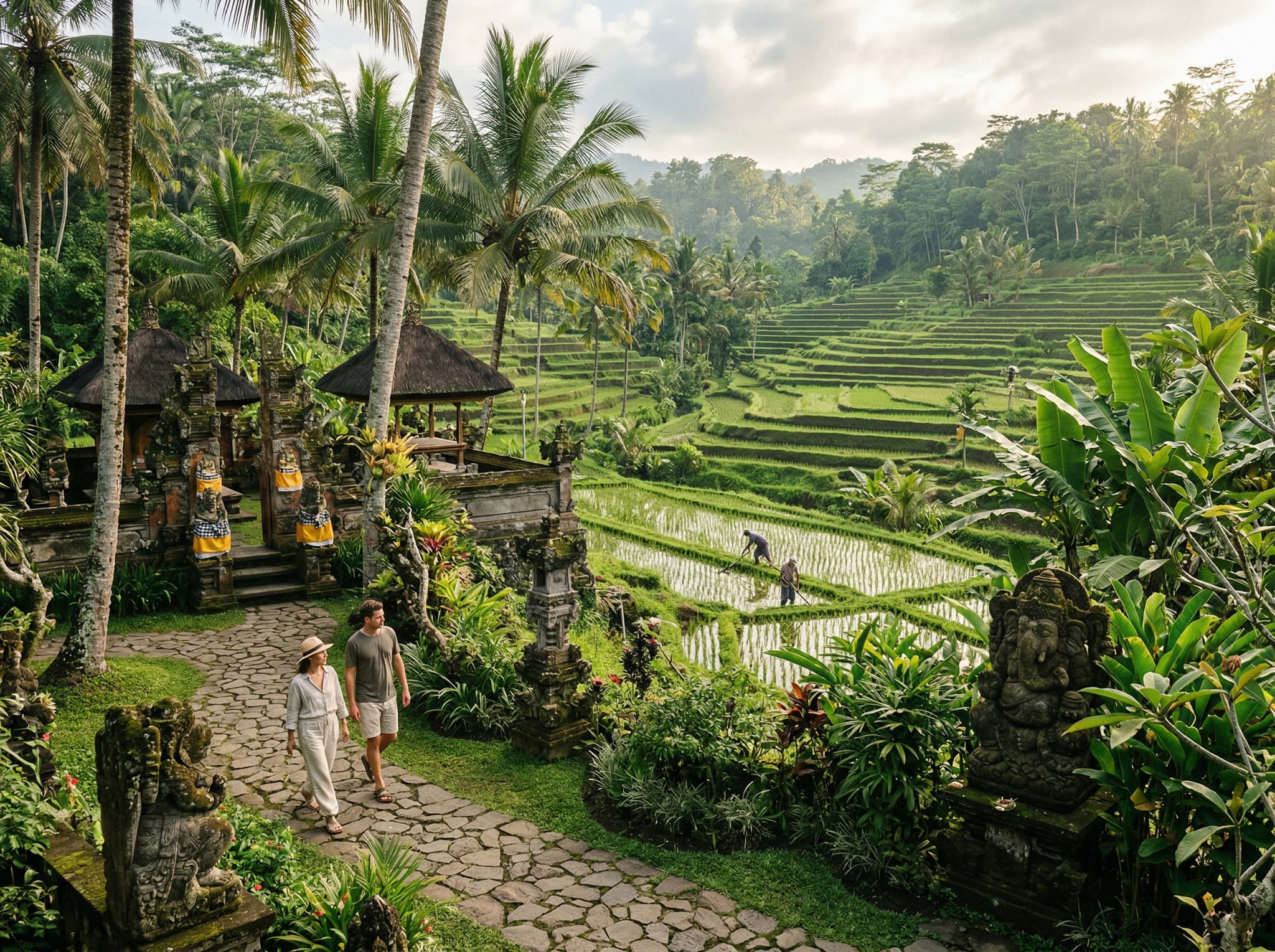
The gardens are not an afterthought. They're the reason a visit here takes two to three hours instead of forty-five minutes.
Paths wind through landscaped Balinese gardens into working rice terraces at the back of the property. The transition is gradual — stone carvings give way to coconut palms, then the terraces open up and the light changes. In the morning, before the heat sets in, the grounds are genuinely peaceful. You'll share them with a handful of other visitors and the occasional groundskeeper.
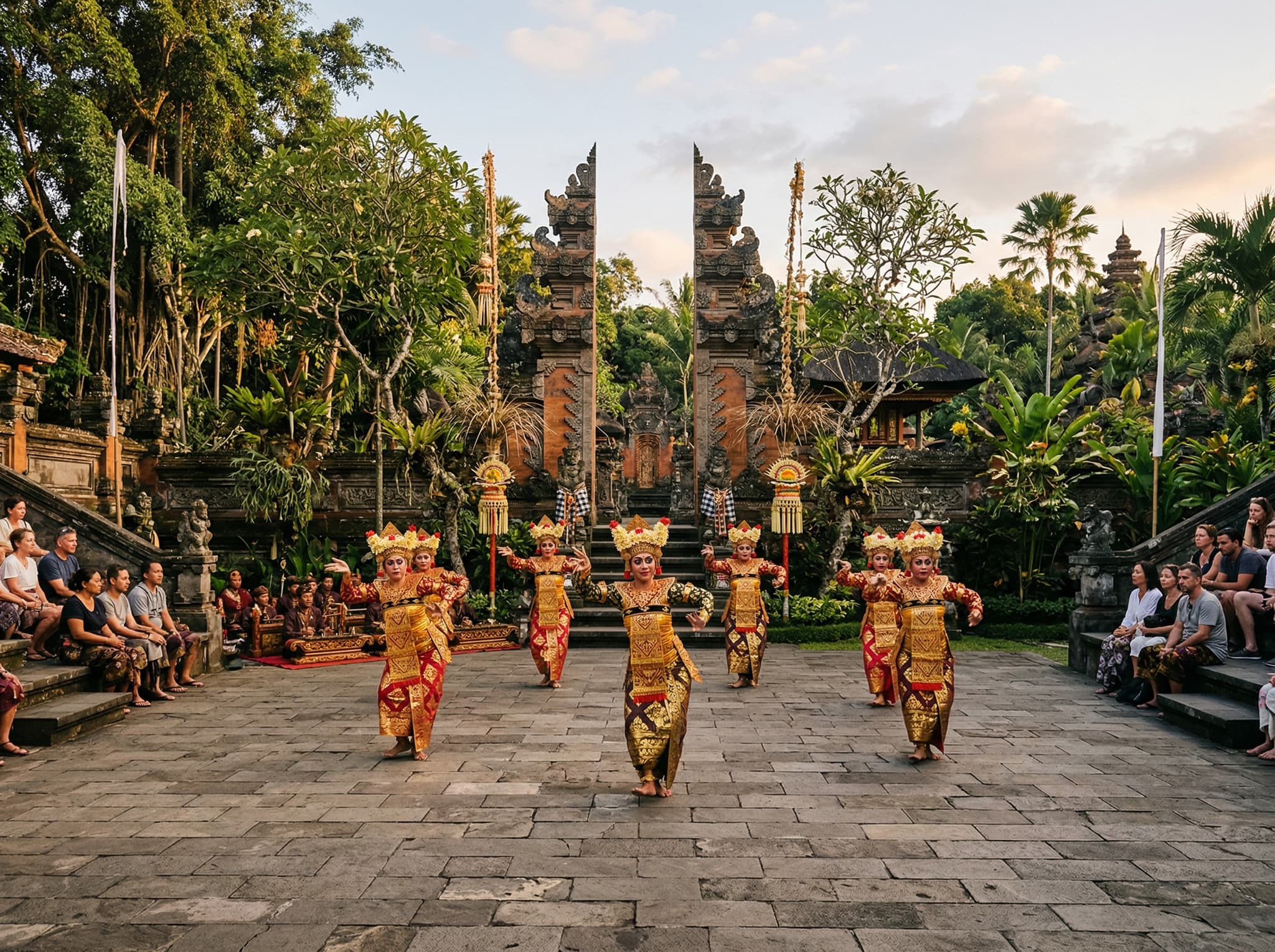
The ARMA Open Stage hosts Balinese theater and dance performances on the grounds. These aren't tourist dinner shows — they're staged in an open-air setting that feels appropriate to the art form. Performance schedules change, so ask when you arrive.
There's also a bookshop near the entrance that stocks titles on Balinese art and culture that you won't easily find elsewhere in Ubud, and a small boutique.
On-Site Dining
Kitchen & Lounge
International cuisine, sit-down restaurant
Ubud Kitchen
Casual Balinese lunches
Warung Kopi
Iced tea, coffee, snacks — good post-museum stop
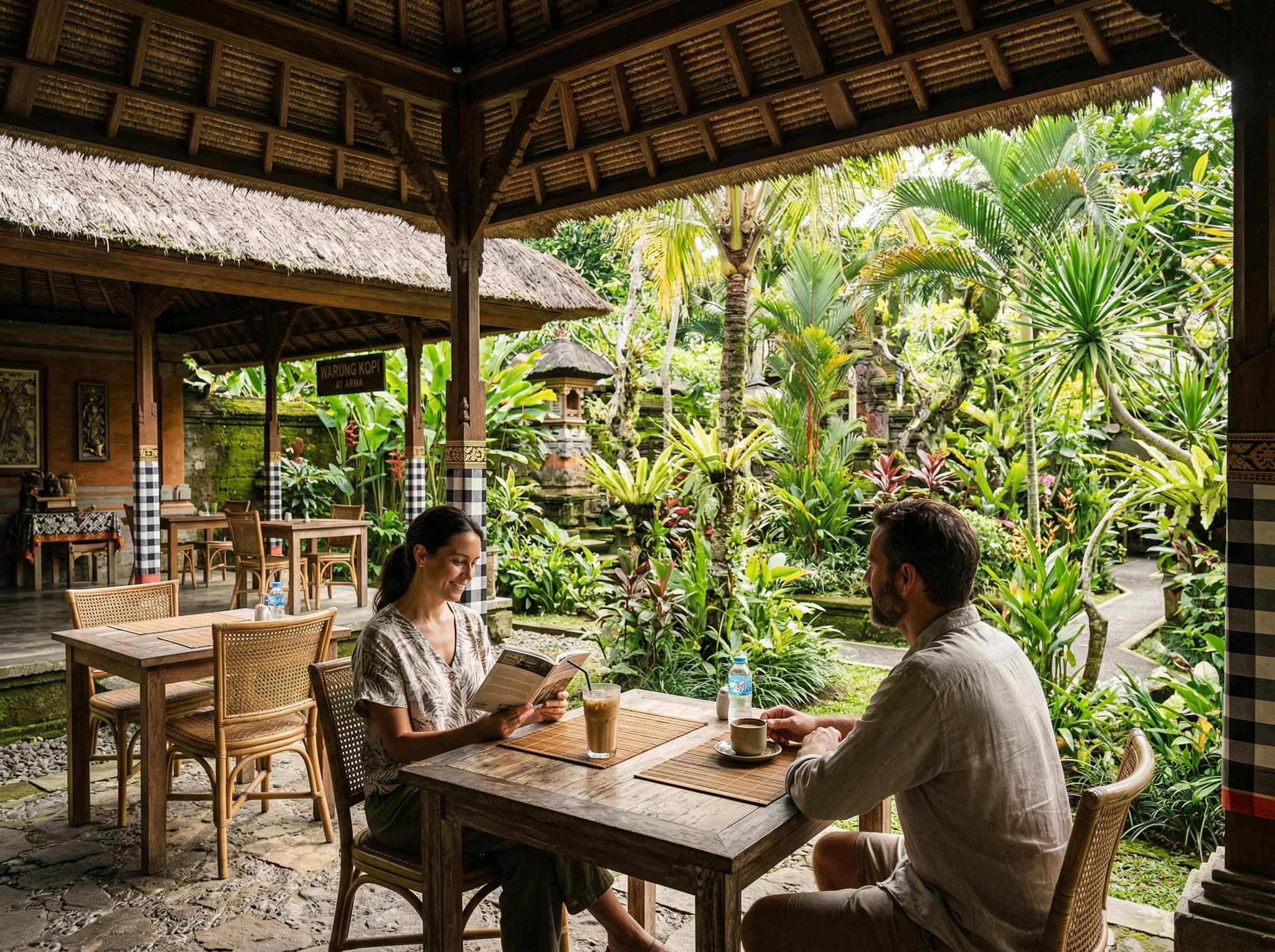
Warung Kopi is the one to know about. After walking the grounds in Ubud's humidity, an iced tea at a shaded table overlooking the gardens is the right way to decompress. The museum also offers complimentary tea or coffee with snacks during afternoon tea time — ask at the café.
Staying on the Grounds
ARMA operates a resort on the same property, with rooms set within the gardens. For museum visitors, the relevant detail is that the resort's pool area and complimentary shuttle to central Ubud are available to guests — worth noting if you're looking for accommodation near but not inside Ubud's center. Museum admission is included for resort guests.
Planning Your Visit
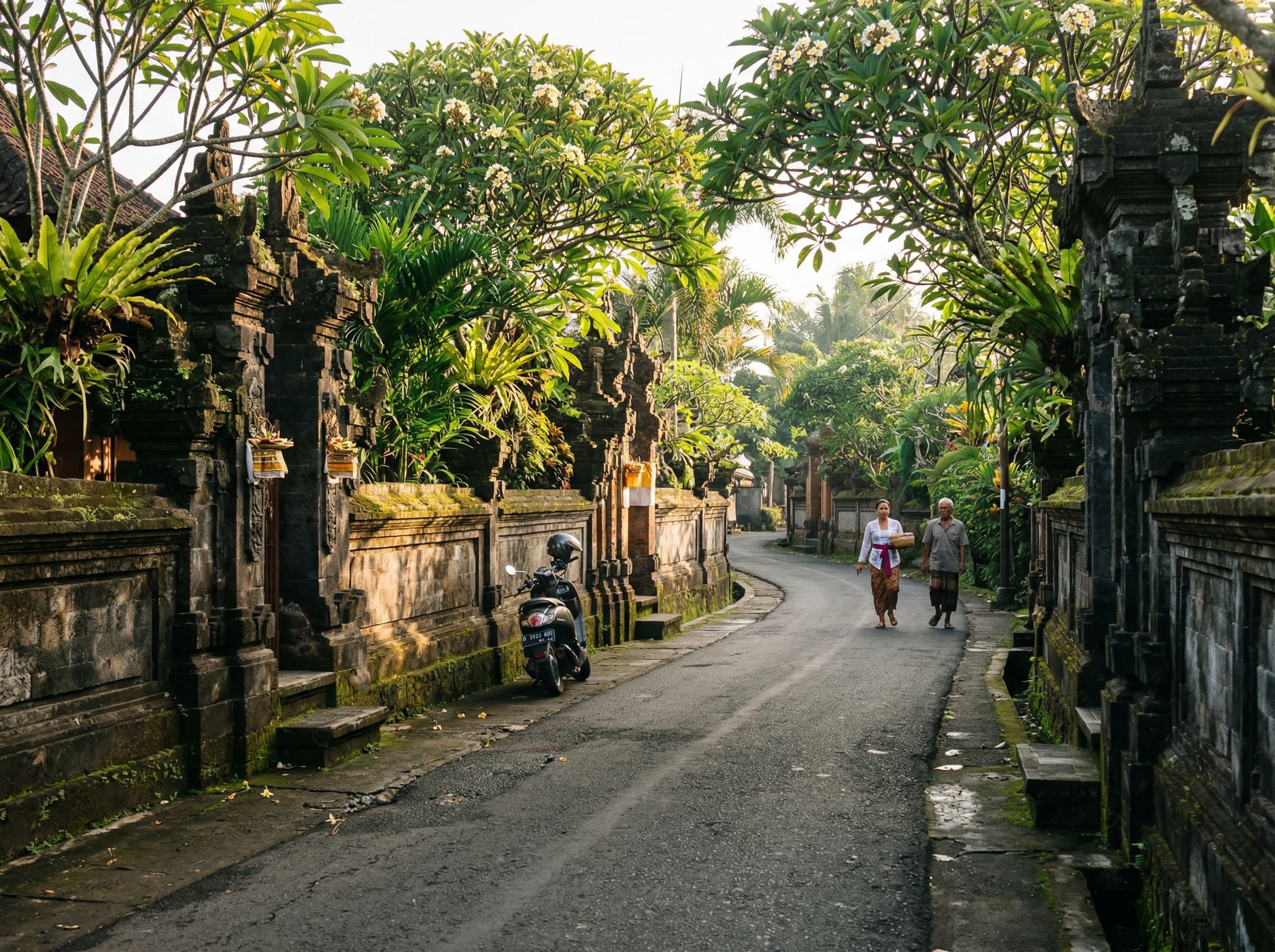
Getting there: From central Ubud or the Sacred Monkey Forest area, it's roughly a 10-minute walk south along Jalan Raya Pengosekan. The road has a sidewalk in stretches but not consistently — walk facing traffic where it narrows. A GoJek from Ubud center costs next to nothing. If you're on a rented scooter, parking is available at the entrance.
Admission: 80,000 IDR (approximately $5 USD) per adult. Ticket platforms like Traveloka also sell admission in advance, sometimes bundled with cultural workshops. Confirm current pricing at the entrance or on the museum's official site before visiting, as rates may change.
How long to spend: Two hours is the minimum if you want to see the galleries and walk the grounds. Three hours is more comfortable and leaves time for Warung Kopi and the bookshop. Visitors who are genuinely interested in Balinese art could spend a half-day.
When to go: Mornings are cooler and less crowded. The gardens photograph well in early light. By mid-afternoon the heat is significant and the grounds become more about endurance than enjoyment.
The museum involves many stairs between levels and gallery buildings. Visitors with mobility issues should be aware that the terrain is uneven in places and not fully accessible. The garden paths include steps and inclines.
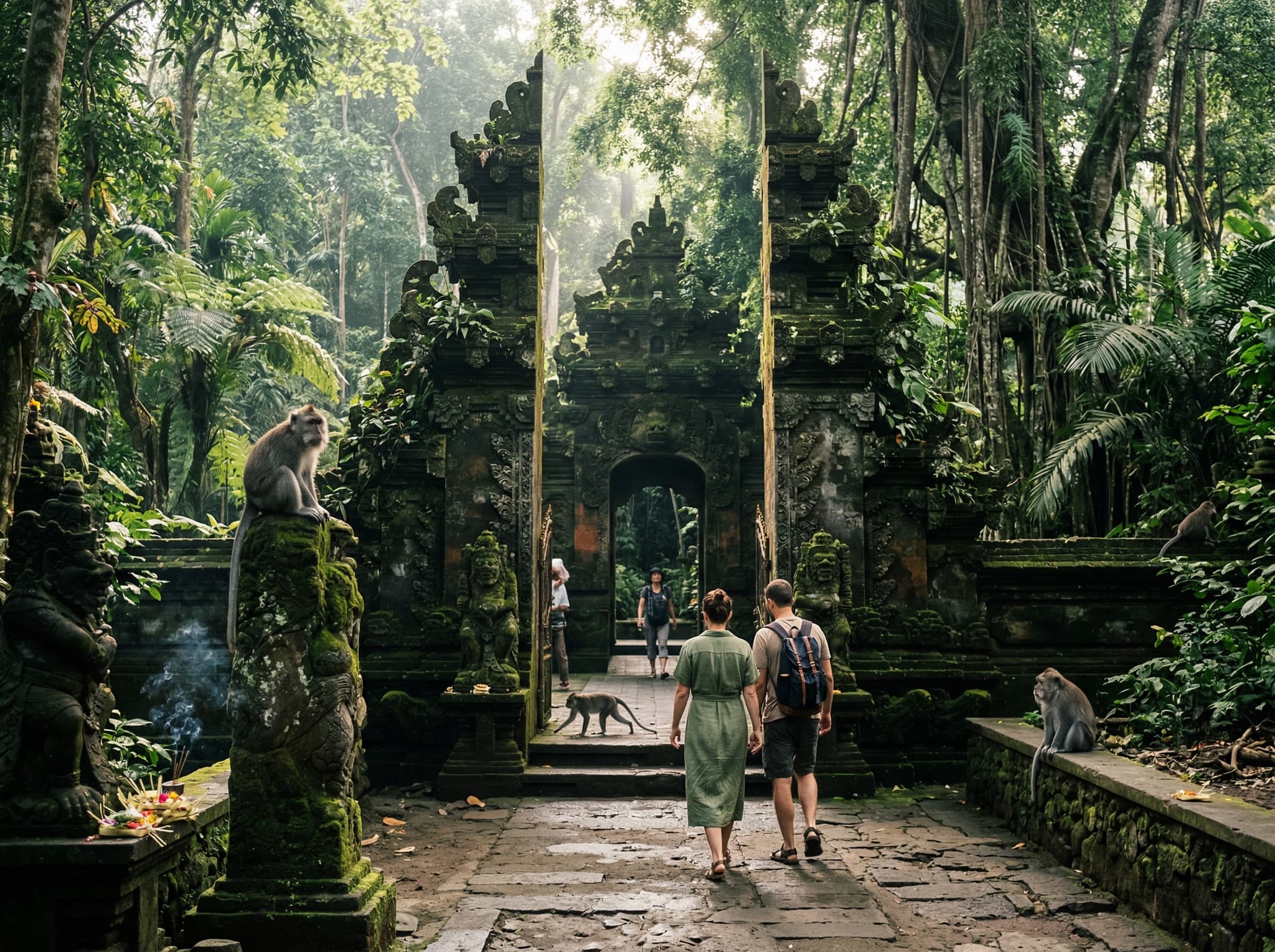
What to pair it with: The Pengosekan neighborhood is home to several painters' studios and small galleries — the area has been an artists' community since the 1960s. Walking south from ARMA takes you deeper into that world. The Sacred Monkey Forest is a 10-minute walk north, making it easy to combine both in a morning.
Why It Matters
Ubud markets itself as a cultural capital, and much of that marketing has become self-referential — yoga retreats referencing other yoga retreats, galleries selling art about Bali to people visiting Bali. ARMA is one of the places where the claim holds up. The collection represents genuine artistic lineage, from pre-colonial Kamasan painting through the creative upheaval of the 1930s to contemporary Indonesian work that's in dialogue with all of it.
Agung Rai, the founder, built this institution from a personal collection that began with a single painting purchased as a young man. That origin story matters because it explains why the museum feels curated by someone who loves the work rather than designed to impress. The scale is human. The buildings are Balinese. The art is shown in the kind of light and space it was made for.
In a town where cultural experiences increasingly come with a booking link and a markup, 80,000 IDR for a serious art collection surrounded by six hectares of gardens is one of Ubud's better values.