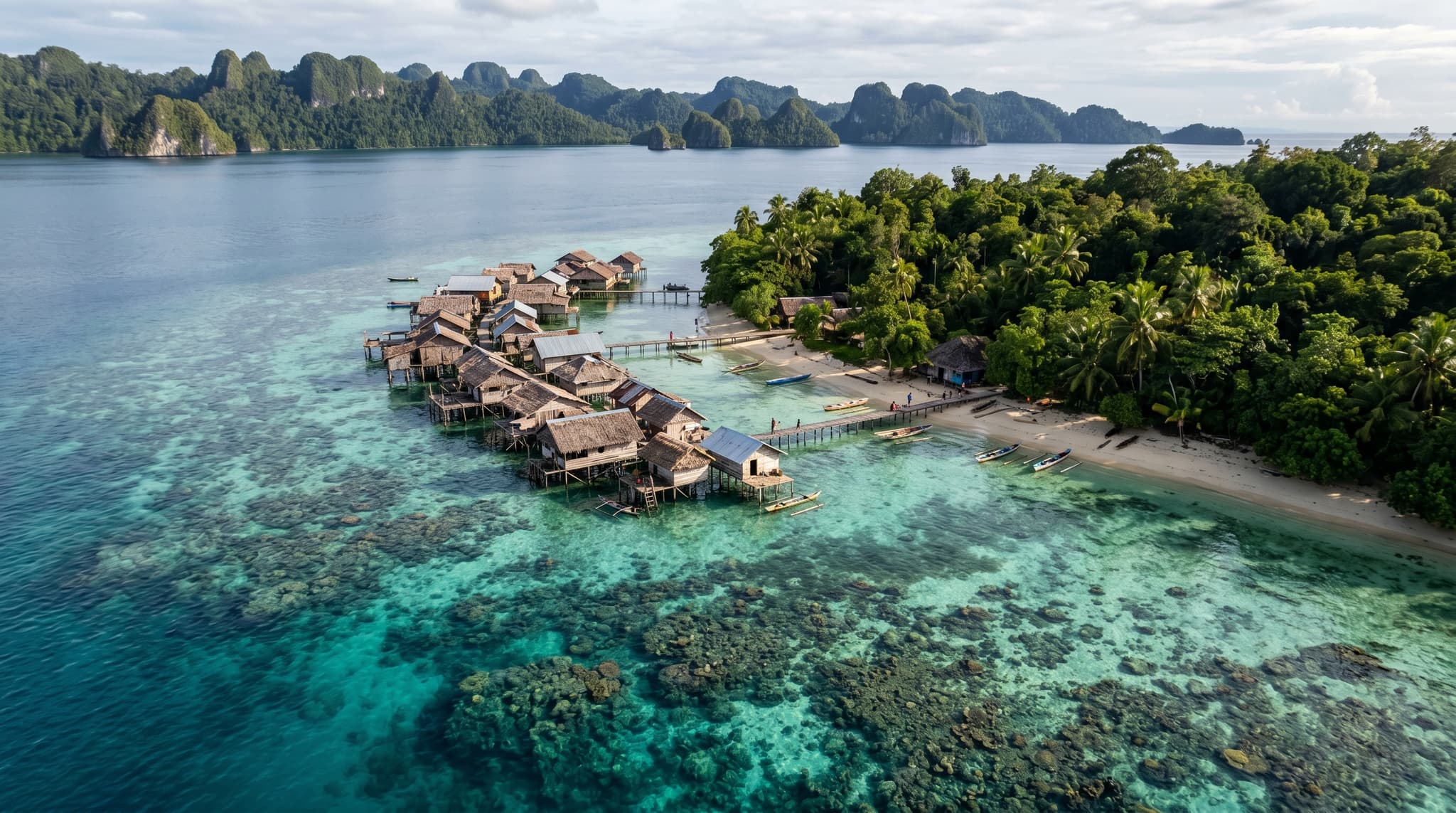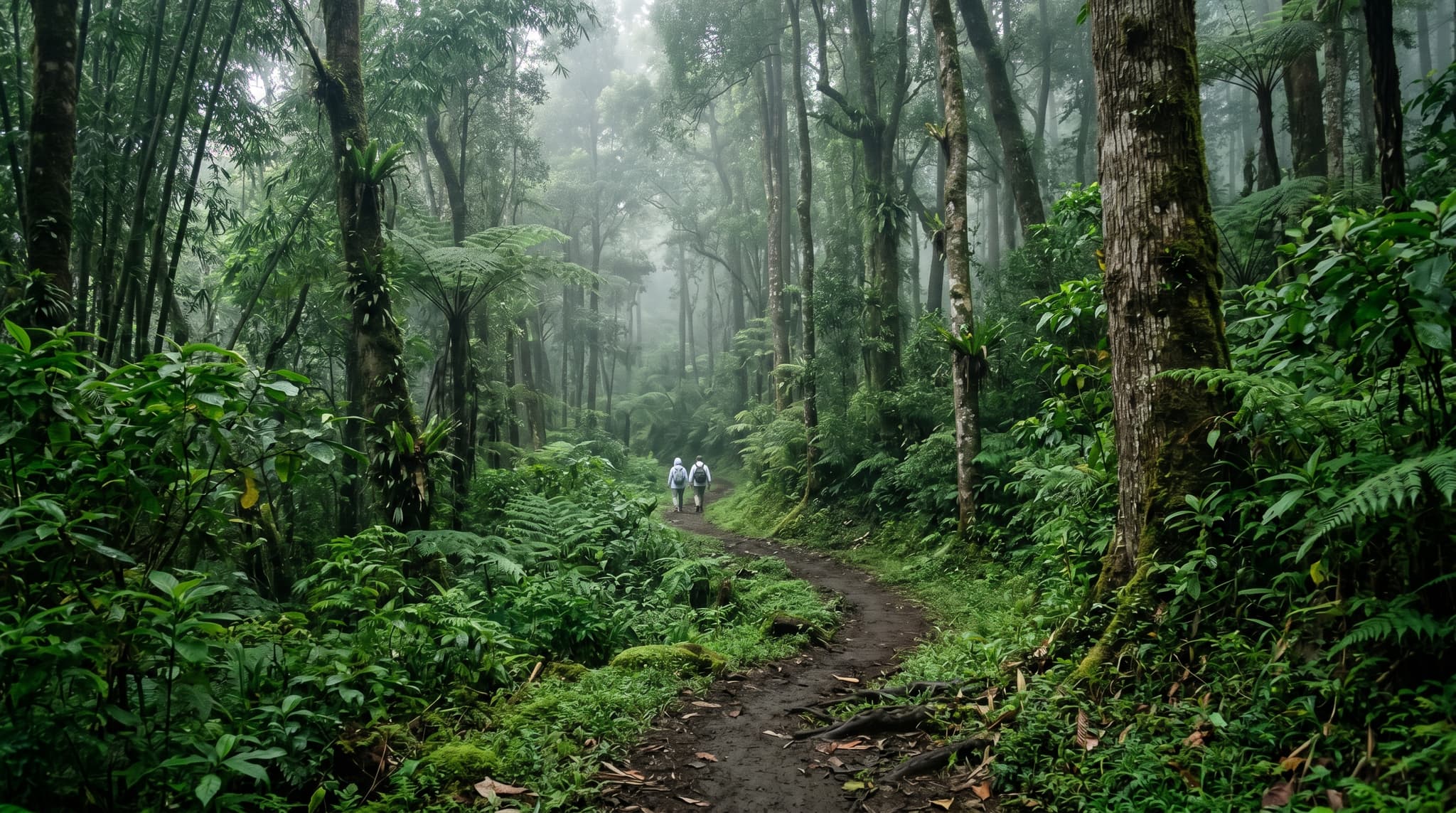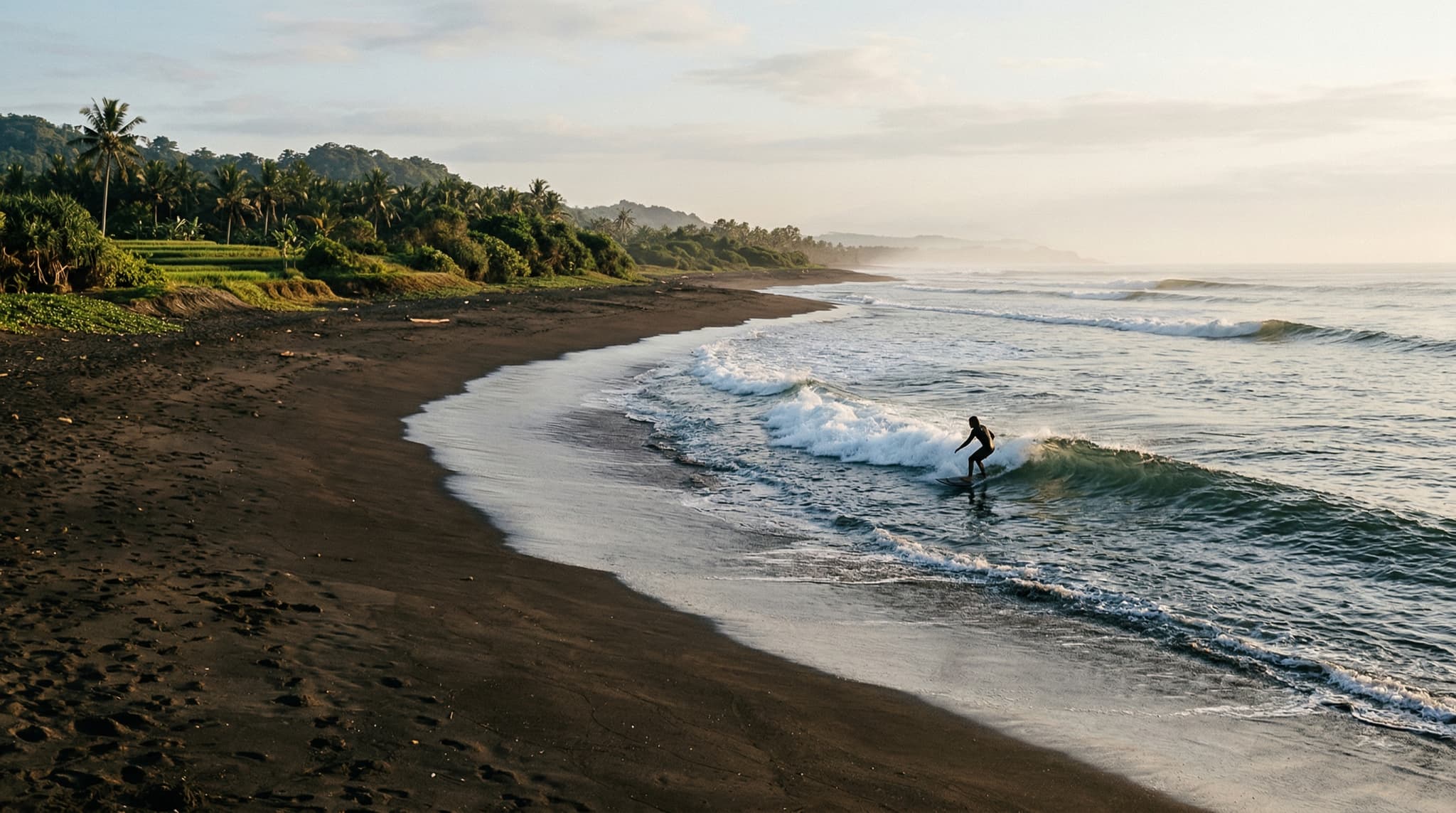
Kedungu Beach is a black-sand surf spot in Tabanan, 15 km north of Canggu. Here's what to expect: waves, sunsets, costs, and how long the quiet lasts.
Kedungu is the beach people describe when they say they want "the real Bali" — and for once, the phrase isn't entirely hollow. This is a wide, dark-sand stretch backed by coconut palms and rice paddies in Tabanan Regency, about 15 kilometers north of Canggu and a 10-minute drive from Tanah Lot Temple. There are no daybeds for rent. No DJ booth. The parking lot is managed by local villagers who collect a few thousand rupiah and point you toward the sand.
That said, let's be precise about what Kedungu is and isn't. It's not a hidden gem — visitor reviews increasingly note growing crowds, especially among surfers. It's not a swimming beach — rips, rocks, and strong currents make casual wading risky. And it's not convenient — there's no public transport, and the road in from the main highway is narrow enough that two cars passing each other requires negotiation.
What it is: a genuinely beautiful surf beach with quality waves, a handful of good warungs, and the kind of atmosphere that Canggu had about eight years ago. Whether that's enough depends on what you're looking for.
The Surf

Kedungu picks up southwest Indian Ocean groundswells consistently from May through October, with offshore east-to-southeast winds keeping the faces glassy — particularly in the mornings. Swells typically run 1.3 to 2.4 meters with 9-to-11-second periods. The wave is a peeling left and right that works best at mid-tide.
The break suits intermediate to advanced surfers. Despite some sources describing it as beginner-friendly, the reality is more nuanced: there are rocks, the currents are real, and the takeoff zone gets crowded during peak season. If you're a beginner, Kedungu Surf School operates on the beach and can put you on the right section at the right tide — but this isn't the gentle whitewater of Kuta Beach. Respect the conditions.
Surf Season Breakdown
April
Swells building, medium crowds
May–June
Strong swells, clean conditions, crowds increasing
July–August
Peak season, highest crowds
September–October
Best trade-off — quality waves, fewer people
November
Transitional; clean mornings possible before winds shift
The shoulder months — May, September, and October — are the sweet spot. You get the swell consistency of dry season without the July–August crowd density that's made Kedungu comparable to busier west-coast breaks.
The Beach Beyond Surfing

Kedungu's strong, consistent winds make it one of the better kite-flying spots on Bali's coast — a minor detail, but if you're traveling with kids, it's worth knowing. Horse riding is available along the sand, and the beach is long enough for a proper walk in either direction.
Swimming, though, is not the move here. The currents are strong, the bottom is uneven, and there are no lifeguards. Treat it as a surf-and-sunset beach, not a lounging beach.
Sunsets are the other main draw. The west-facing orientation and lack of built-up structures behind the beach mean unobstructed views. Arrive by 5 PM, grab a Bintang from one of the warungs, and you'll understand why people make the drive.
Where to Eat

The dining scene at Kedungu is small but functional. The Fat Hog sits about 50 meters from the beach and serves affordable, family-friendly meals — think Western comfort food at warung prices. Tipsy Pigs and HALOKEDUNGU offer similar casual fare. The Swell Pool and Bar adds a pool to the equation. Tmo Coffee handles the caffeine.
None of these are destination restaurants. They're solid places to eat before or after a surf session without needing to drive back to Canggu. Bring cash — most operate on a cash-only basis.
Getting There

There's no public transport to Kedungu. Your options:
Transport Options
Scooter rental
IDR 70,000–100,000/day (~$4.50–6.50)
Grab/Gojek from Canggu
IDR 100,000–200,000 one-way (~$6.50–13)
Car rental
IDR 300,000+/day (~$19+)
From Tanah Lot
~10 minutes by scooter
From Denpasar
~45 minutes (longer in traffic)
Search "Pantai Kedungu, Tabanan" in Google Maps or Grab. The parking area is well-maintained and managed by local villagers. A scooter is the most practical option — the final stretch of road is narrow, and a scooter handles it better than a car.
Note: Bali's governor confirmed road upgrades across the island in 2025 in response to tourism growth. Access to the Kedungu area may improve, but for now, expect a rural two-lane road for the last few kilometers.
Where to Stay

Kedungu doesn't have a hotel strip. Most visitors stay in Canggu or Seminyak and drive over, which is the practical choice if you want restaurants and nightlife within walking distance.
If you want to be closer, a few options have emerged. SOKO' Stay is a boutique property in Kedungu village emphasizing art and culture, about a five-minute drive from the beach. Villa Puspa Kedungu is a 4-star villa built in 2015 near the Tabanan rice paddies. A new 11-villa boutique resort completed in 2025 — featuring private pools, a spa with sauna and ice bath, and a 30-seat café — represents the first significant new-build accommodation in the area. Bali Beach Glamping, established in 2020, offers a more event-oriented experience nearby.
The accommodation picture is changing. That 2025 resort signals developer interest, and given Bali's trajectory — 7.1 million international visitors projected for 2025 — more will follow.
The Honest Assessment

Kedungu is worth the drive if you surf, want a sunset without a crowd surcharge, or simply want to see what Bali's west coast looks like before commercial development fills in the gaps. It's not worth it if you want a swimming beach, need convenience, or expect polished facilities — restrooms exist but cleanliness is flagged consistently in recent reviews.
The window on Kedungu's current character is finite. Development is coming — the new resort, the road upgrades, the investment money flowing into the area. Visit now, and you get the version with warung food and village parking attendants. Visit in three years, and the calculus may be different.