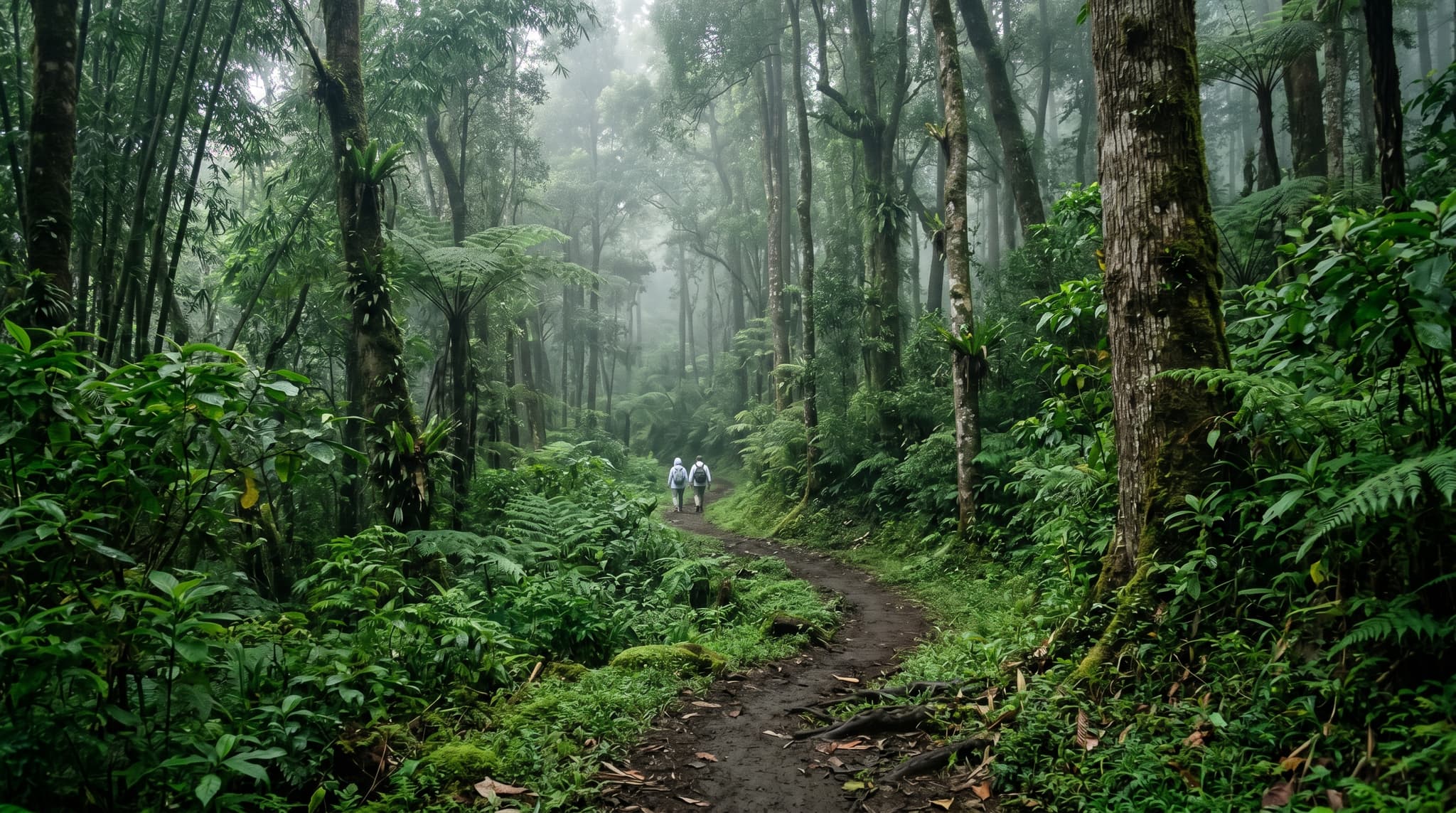
Payung Cave near Sembalun Village is one of East Lombok's least-visited attractions. Here's what to expect, how to find it, and whether it's worth the detour.
Let's get the naming problem out of the way first. If you search for "Payung Cave" in Lombok, you'll encounter a tangle of results pointing to at least three different places: Batu Payung, a coastal rock formation near Kuta Lombok; Gua Sumur, a limestone cave in Central Lombok's Pujut district; and the actual Payung Cave — Gua Payung — tucked into the hills near Sembalun Village in East Lombok. They are not the same attraction. If you're heading to the Rinjani area and someone mentions Payung Cave, this is the one they mean.
What Payung Cave Actually Is
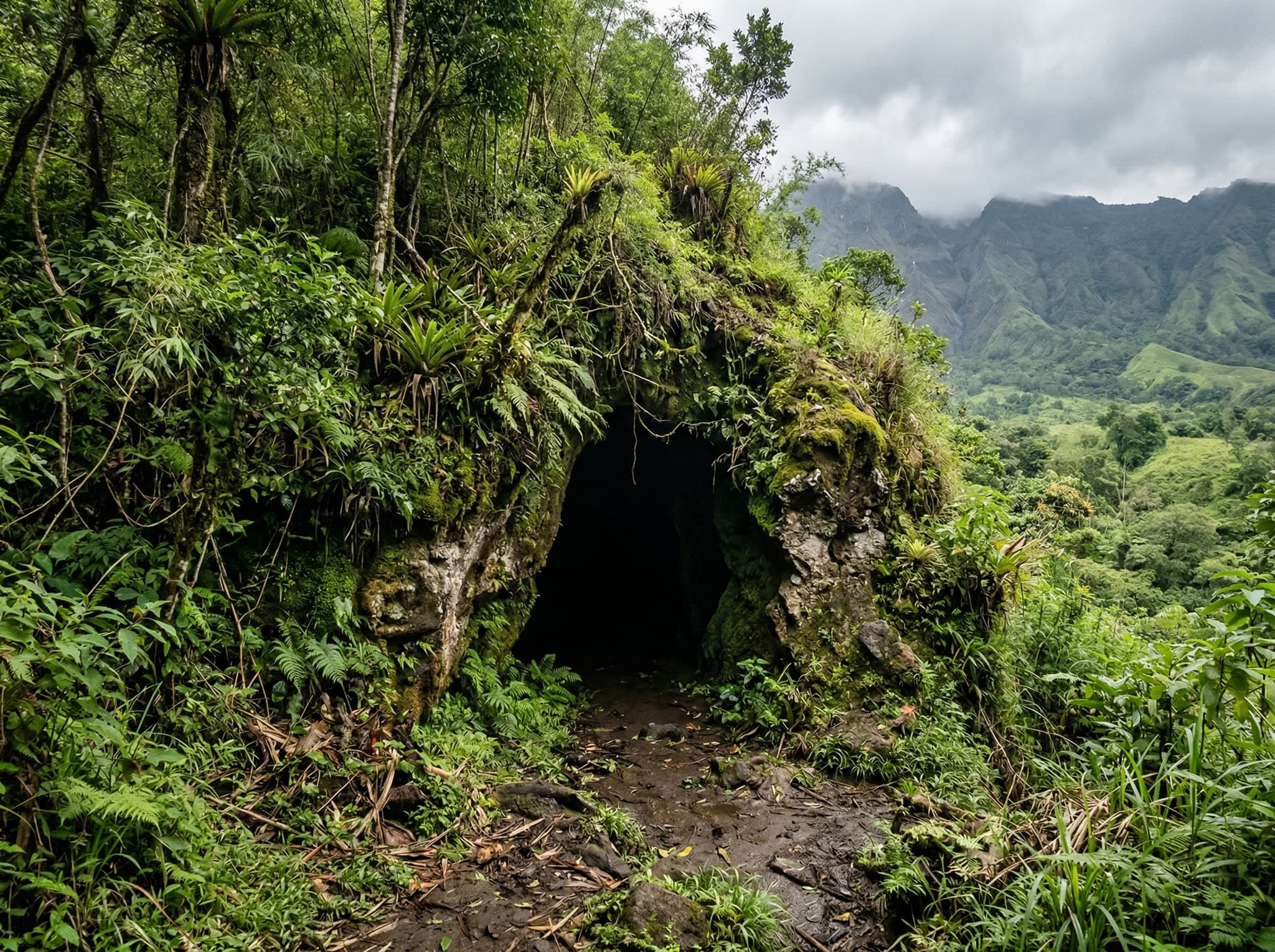
Payung Cave is a lesser-known natural cave in the Sembalun highlands, the same area most visitors pass through on their way to trek Mount Rinjani. It doesn't have the profile of Bangkang Cave in West Lombok or the tourist infrastructure of the caves near Pujut. There's no ticket booth, no signage in English, and no guarantee that the person you ask for directions will know it by its formal name.
What's there: a cave set into the landscape of East Lombok's interior, surrounded by the kind of green that comes with elevation — cooler air, terraced fields, and the volcanic bulk of Rinjani filling the skyline behind it. The name payung means umbrella in Indonesian, likely a reference to the shape of the cave mouth or a rock formation near the entrance.
Getting There
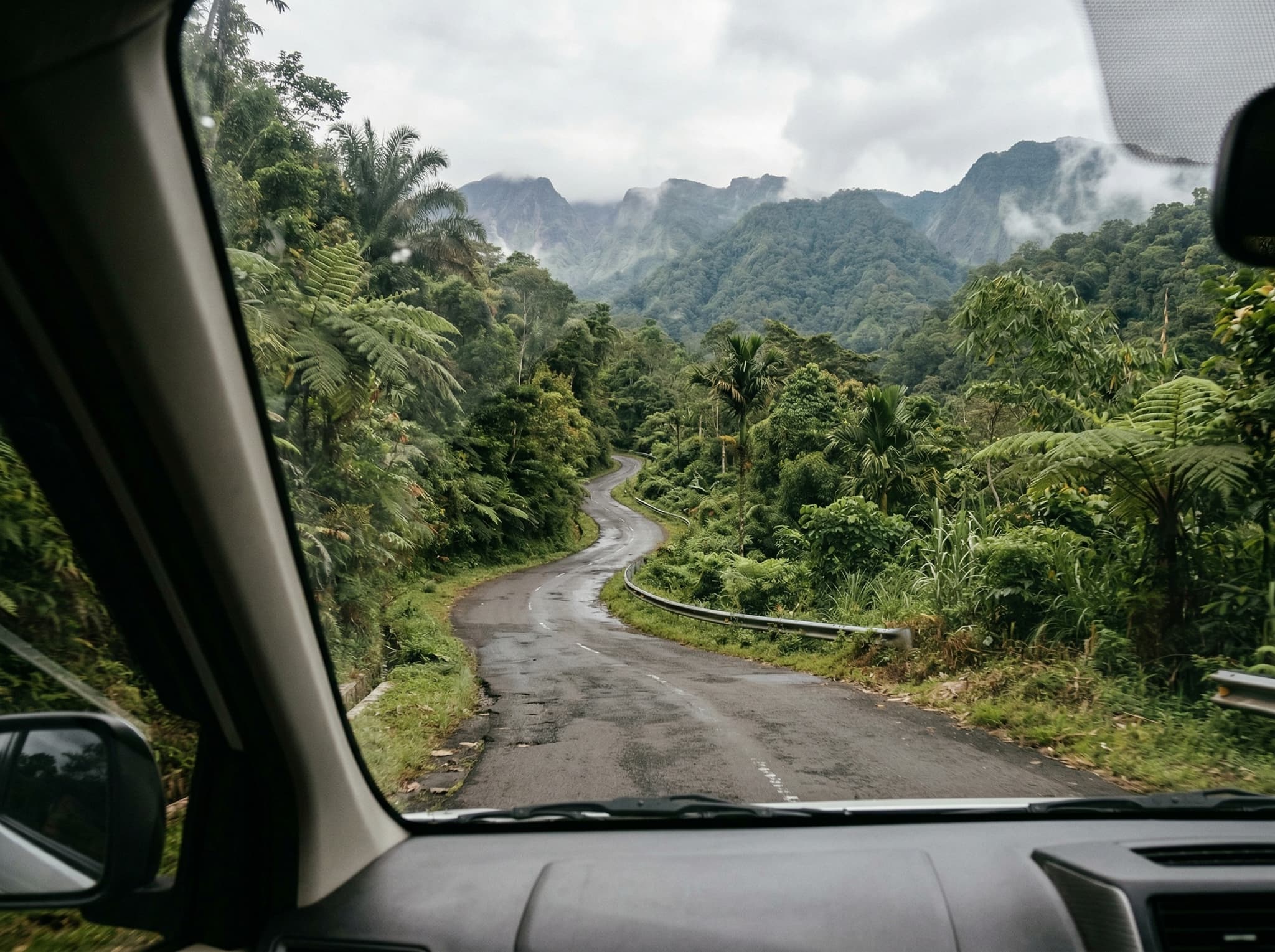
Payung Cave is accessed through Sembalun Village, which sits roughly 99 kilometers east of Mataram. The drive takes 3 to 4 hours via Jalan Raya Mataram–Labuan Lombok, a route that climbs steadily as it moves east and inland. The road is paved but narrow in sections, and conditions can deteriorate during the wet season (November through March).
Transport Options
Self-drive (car/motorbike)
3–4 hours from Mataram; motorbike riders should be comfortable with mountain roads
Hired driver
Full-day hire from Mataram or Senggigi runs approximately $35–$39 USD
From Kuta Lombok
Longer route — 3+ hours via interior roads; not a convenient day trip
Ride-hail (Grab/Gojek)
Available from Mataram but drivers may be reluctant for the return trip; negotiate in advance
Most visitors to Sembalun are there for Rinjani. If you're already in the village — staying at a guesthouse before or after a trek — Payung Cave becomes a short detour rather than a dedicated journey. Ask locally for directions; the cave is not well-marked on Google Maps, and pin locations can be unreliable in this part of Lombok. Ask locally for directions; the cave is not well-marked on Google Maps, and pin locations can be unreliable in this part of Lombok.
What to Expect
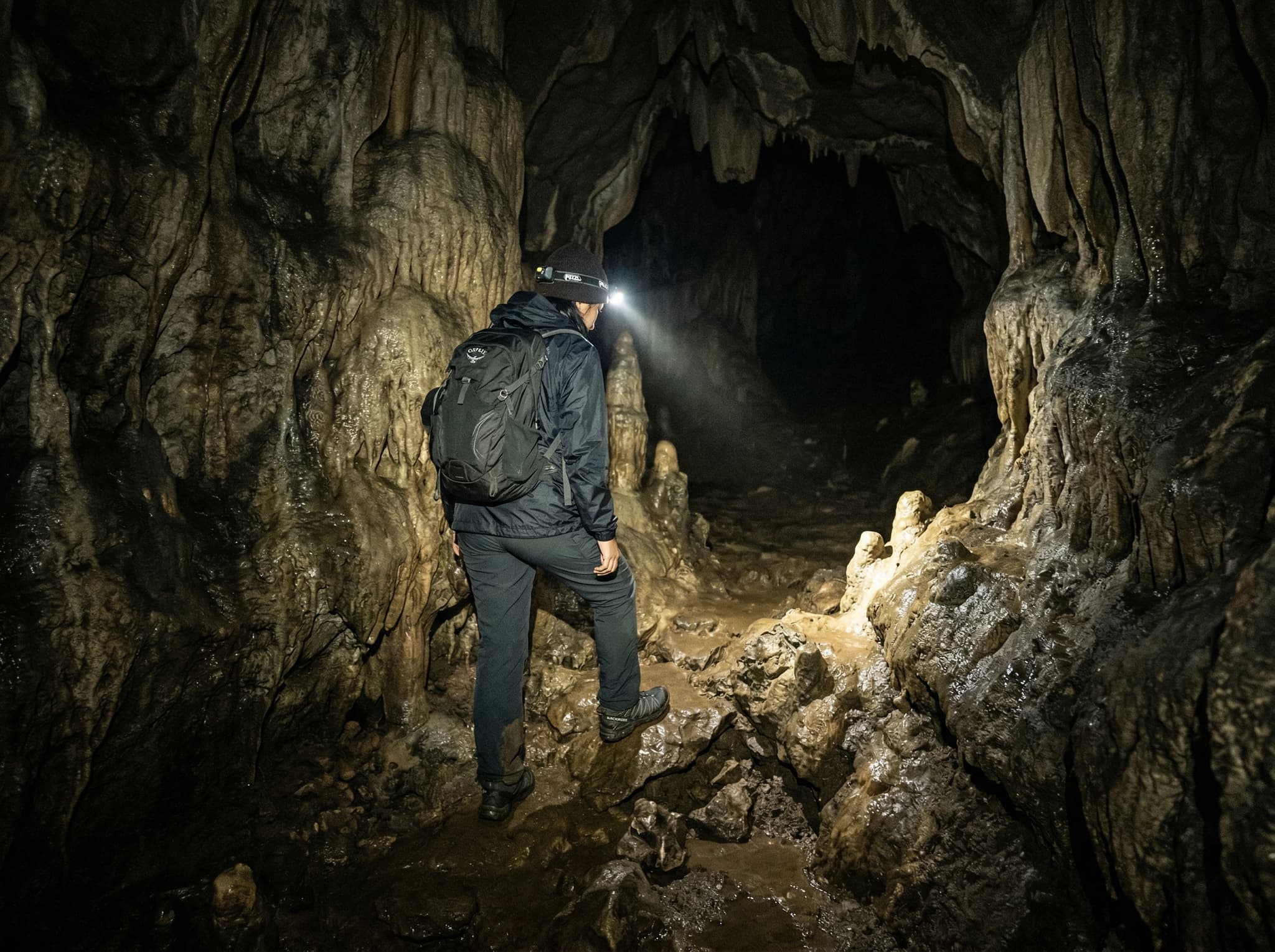
This is not a developed tourist cave. There are no walkways, no lighting, no guides stationed at the entrance. The terrain inside is uneven, and you'll want proper footwear — sandals won't do. Bring a headlamp or phone flashlight.
The appeal here is the kind that doesn't photograph well and doesn't translate into a highlight reel: quiet, a sense of being somewhere that hasn't been smoothed over for visitors, the particular coolness of air inside stone on a tropical island. The surrounding area — Sembalun's broad valley floor with Rinjani above — provides the visual drama. The cave itself is the smaller, stranger counterpoint.
Is It Worth the Detour?

If you're already in Sembalun — waiting for a Rinjani trek to start, recovering from one, or spending a day exploring the valley — Payung Cave is a reasonable side trip. It won't take more than an hour or two of your time, and it offers something different from the waterfalls and volcanic landscapes that dominate most Lombok itineraries.
If you're coming from Mataram or the south coast specifically for this cave, the math changes. A 3- to 4-hour drive each way for an undeveloped cave with limited information is a hard sell unless you're combining it with other Sembalun-area attractions.
Nearby Attractions in the Sembalun / Rinjani Area
Susu Cave (Gua Susu)
Another cave in the Rinjani National Park area; more established
Tiu Kelep Waterfall
Near Senaru Village, north side of Rinjani; one of Lombok's most popular falls
Sendang Gile Waterfall
Adjacent to Tiu Kelep; shorter walk, accessible without a guide
Sembalun Village
The valley itself — rice fields, cool air, Rinjani views — is worth a slow morning
Don't Confuse It With Batu Payung
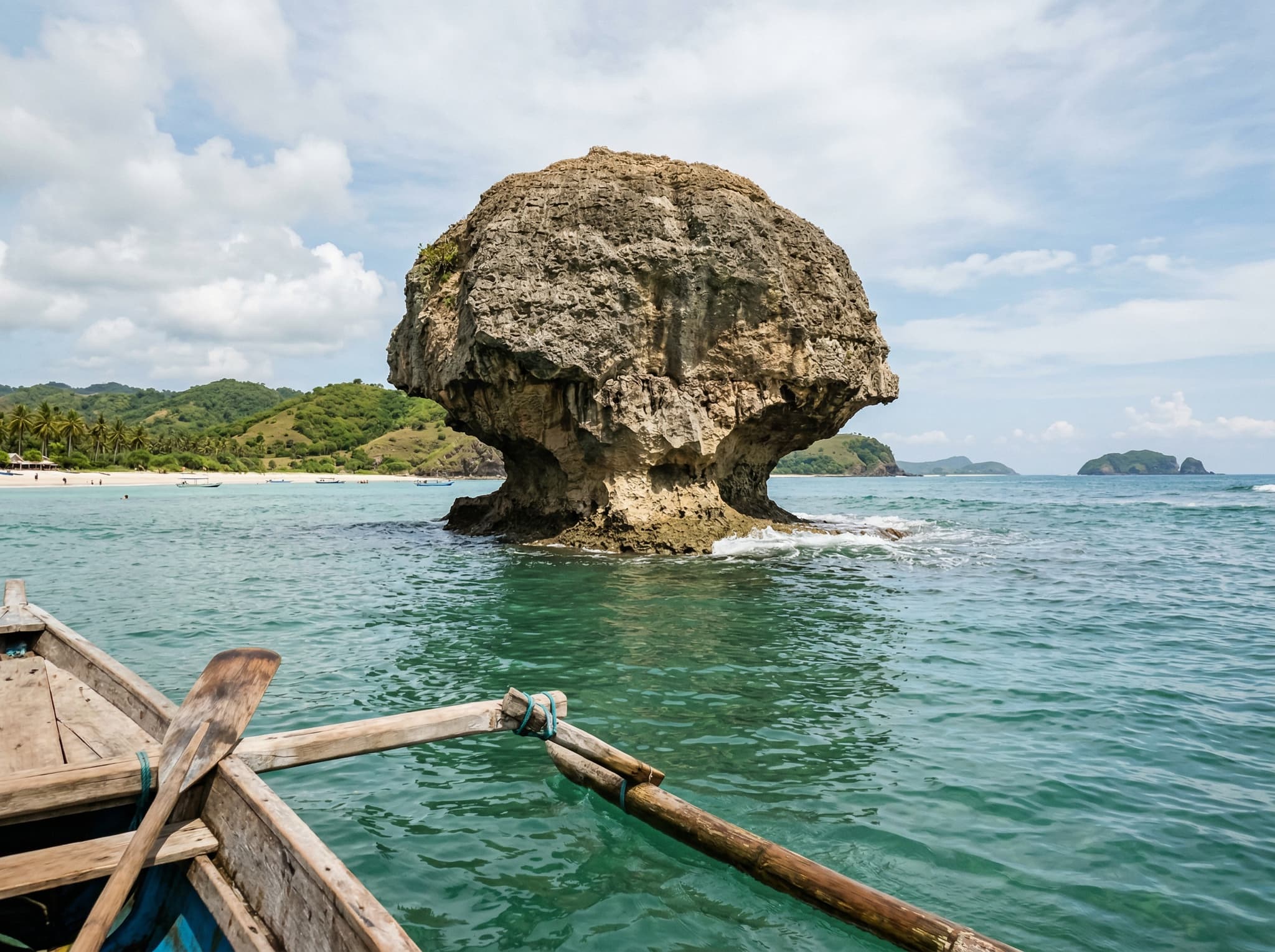
This comes up enough to warrant its own section. Batu Payung is a rock formation on the coast near Tanjung Aan Beach in south-central Lombok, roughly 30 minutes from Kuta Lombok. It's a completely different attraction — coastal, accessible by boat (around IDR 150,000–250,000 for a charter), and located on the opposite side of the island. Recent visitors have also reported that the signature umbrella-shaped rock has partially broken, so check current conditions before making that trip either.
If someone in Kuta Lombok offers to take you to "Payung," they almost certainly mean Batu Payung, not the cave near Sembalun.