Sembalun is Rinjani's main staging village, but this highland valley at 1,200m offers strawberry farms, Pergasingan Hill hikes, and cool-air escapes worth an extra day.
Most people hear about Sembalun in the context of a sentence that also contains the words "Mount Rinjani." It's the staging village, the place where trekkers spend a restless night before a pre-dawn start toward Indonesia's second-highest volcano. And that role is real — Sembalun is the primary base camp for Rinjani's summit route, and during peak season the village hums with the quiet logistics of adventure tourism: guides checking gear, porters loading supplies, hikers stretching out stiff legs from the drive.
But Sembalun is more than a trailhead. It's a highland agricultural valley sitting between 800 and 1,300 meters above sea level, where centuries of volcanic ash have created some of the richest soil on Lombok. The air is cool enough that strawberries grow here — an oddity on an island most visitors associate with beach heat. The valley floor is a patchwork of terraced fields, and the surrounding hills offer some of the best non-Rinjani hiking on the island. If you're passing through only to start a trek, you're missing the point.
The Valley Itself
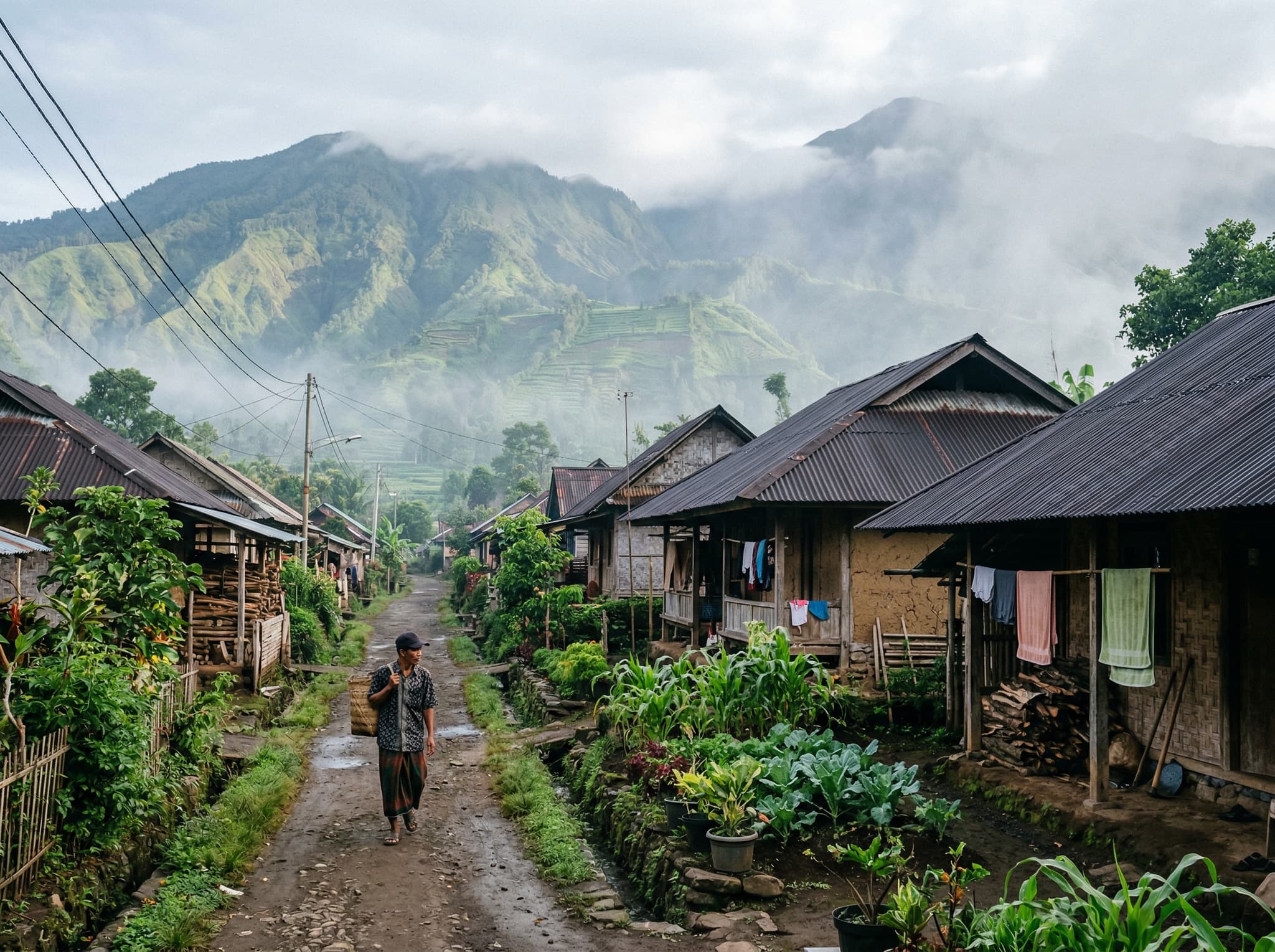
Sembalun isn't a single village but a cluster of settlements spread across a broad valley cradled by Rinjani's foothills. Sembalun Lawang, the highest at roughly 1,150–1,300 meters, is where most trekking operations are based. Sembalun Bumbung sits lower in the valley. Between them, the landscape is open savanna and farmland — a visual contrast to the dense tropical greenery that covers most of Lombok.
The temperature difference is the first thing you notice. Lombok's coast sits in the low 30s Celsius most of the year. Sembalun's mornings can dip into the mid-teens. The midday sun is fierce at this altitude, but by late afternoon you'll want a jacket. It's a microclimate that feels more like the highlands of Java or Bali's interior than anything else on the island.
The soil here — enriched by Rinjani's volcanic deposits — supports garlic, shallots, tomatoes, and those strawberries that have become a minor tourist draw in their own right. Farming is the valley's economic backbone, and it's visible everywhere: neat rows of crops climbing gentle slopes, farmers working fields that have been cultivated for generations.
What to Do Beyond the Trek
Pergasingan Hill

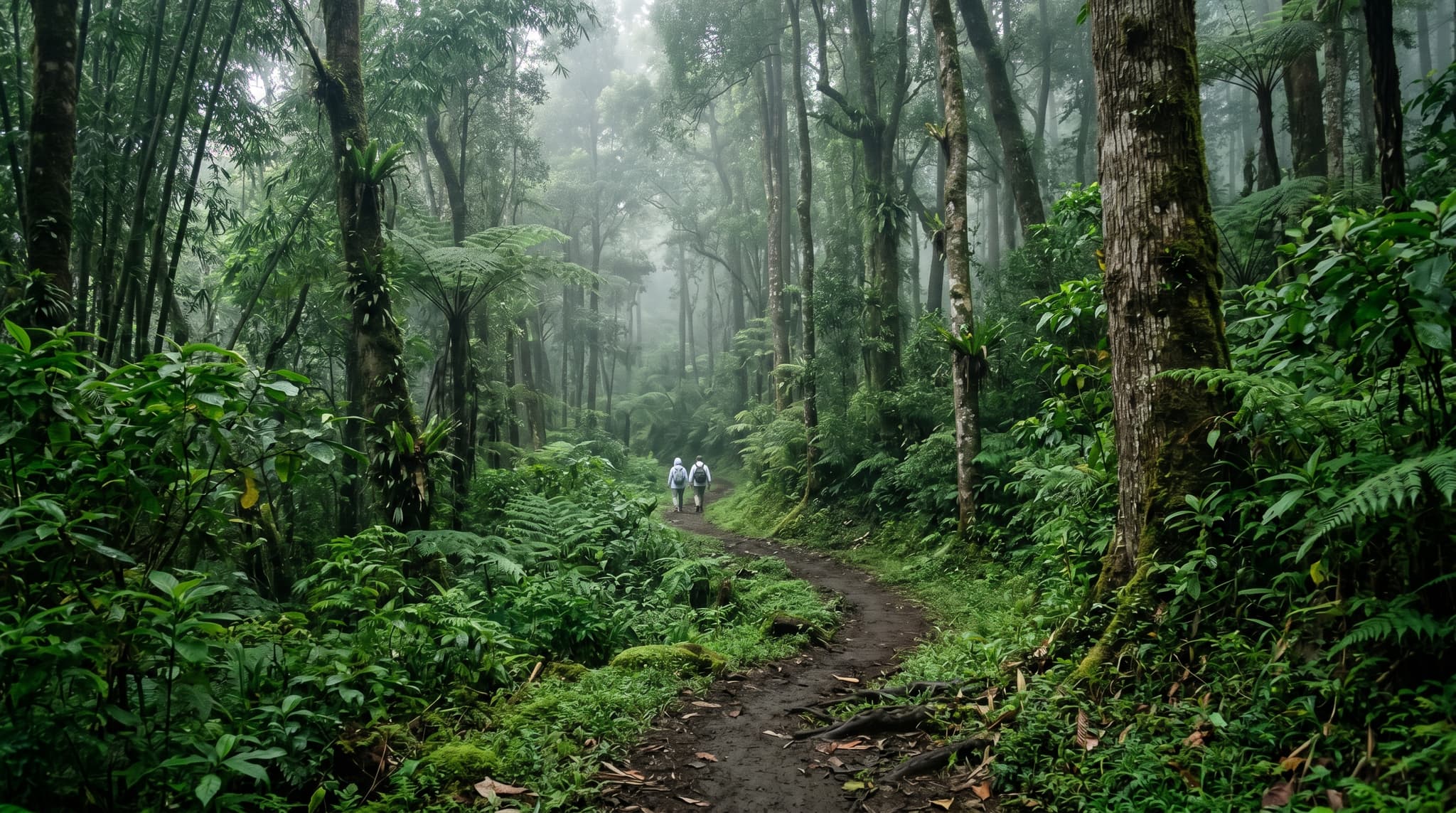
The standout non-Rinjani hike. Pergasingan Hill rises to about 1,700 meters and offers panoramic views of the entire Sembalun Valley with Rinjani looming behind it. The climb takes 2–3 hours up and about 2 hours down — steep enough to feel like exercise, short enough to fit into a single morning.
The real draw is the sunrise. Some hikers camp at the top overnight to catch it, and on a clear morning the valley fills with low cloud that burns off as the sun rises over the hills. It's one of those views that makes you understand why people post too many photos on Instagram.
Pergasingan Hill Details
Entry Fee
Rp 25,000 (cars) / Rp 10,000 (motorbikes)
Elevation
~1,700m
Hiking Time
2–3 hours up, ~2 hours down
Difficulty
Moderate — steep in sections
Strawberry Farms

Sembalun Lawang is home to several strawberry farms that welcome visitors for picking. It's a low-key activity — you pay a small entry fee (Rp 10,000–20,000 per person), pick your own berries, and pay by weight for what you take. Some farms have basic gazebos and seating areas. It's not a destination in itself, but it's a pleasant way to spend an hour, especially if you're in the valley with kids or just want something gentle after a hard hike.
Saifana Organic Farm

Saifana Organic Farm is a working organic farm offering tours that go deeper into Sembalun's agricultural identity. Worth a visit if you're interested in how highland farming works on a volcanic island. Requires separate transport from the main village area.
Payung Cave
A lesser-known attraction near the Sembalun hiking area. Not heavily touristed, which is either a selling point or a warning depending on your tolerance for minimal infrastructure.
Practical Information
Getting There

Sembalun's remoteness is part of its character, but it also means getting there requires some planning. There's no airport shuttle, no convenient public bus, and ride-hailing apps effectively stop working well before you reach the valley.
Private car with driver is the most practical option. From Mataram, expect 1.5–2.5 hours depending on traffic and your driver's familiarity with the road. From Senggigi, it's 2–2.5 hours. From Kuta Lombok in the south, budget 2.5–3 hours. A full-day hire (8–10 hours including the return trip) runs IDR 700,000–800,000 — roughly US$43–50. Green Rinjani, one of the established local operators, charges IDR 800,000 for a Fortuner SUV seating up to four.
Taxi from Mataram (Bluebird Group) costs IDR 320,000–380,000 one way. Agree on the fare upfront. The critical issue: finding a taxi back from Sembalun is unreliable. If you take a taxi up, arrange your return in advance or have your driver wait.
Public transport exists but is impractical for most visitors. The route involves a Damri bus to Mandalika Terminal, then a series of bemos or angkot minibuses through Aikmel to Sembalun. Total time: 2–3 hours if connections align. They often don't.
Where to Stay
Sembalun's accommodation is basic but functional. Guesthouses and homestays in Sembalun Lawang cater primarily to trekkers, with simple rooms, shared bathrooms, and the kind of hospitality that comes from a village accustomed to hosting visitors. Don't expect boutique hotels — expect clean beds, warm blankets (you'll want them), and home-cooked meals.
Most trekkers arrive the afternoon before their climb and leave immediately after. If you're staying longer to explore the valley, book directly with guesthouses or through your trekking operator.
When to Visit
June through September is optimal. Skies are clearest, trails are driest, and the valley views are at their best. This is also peak season for Rinjani treks, so Sembalun is at its busiest — though "busy" here means a few dozen trekkers rather than crowds.
The wet season (November–March) makes trails muddy and roads less reliable. Rinjani itself closes to trekkers during the heaviest rains. Sembalun is still accessible year-round, but the highland experience is diminished when clouds sit in the valley for days at a time.
Rinjani Trek Logistics (The Short Version)
Since most visitors are here for the volcano: Sembalun is the primary starting point for Rinjani's summit route, classified as a first-class access point alongside Senaru and Torean. You cannot buy trekking permits directly at the park entrance — they must be arranged through licensed operators.
Rinjani Permit Fees (Effective November 2025)
Foreign Nationals
Rp 250,000 (~US$15) per ticket
Indonesian Citizens
Rp 50,000 weekdays / Rp 75,000 weekends
Indonesian Students
Rp 25,000
Guide Fee
~IDR 350,000/day
Porter Fee
~IDR 300,000/day
Full trek packages from Sembalun — including permits, guides, porters, gear, food, and transport — start at US$180–385 per person depending on duration and group size. Common itineraries are 2 days/1 night (crater rim and summit) or 3 days/2 nights (summit, lake, and hot springs).
The Case for Staying Longer
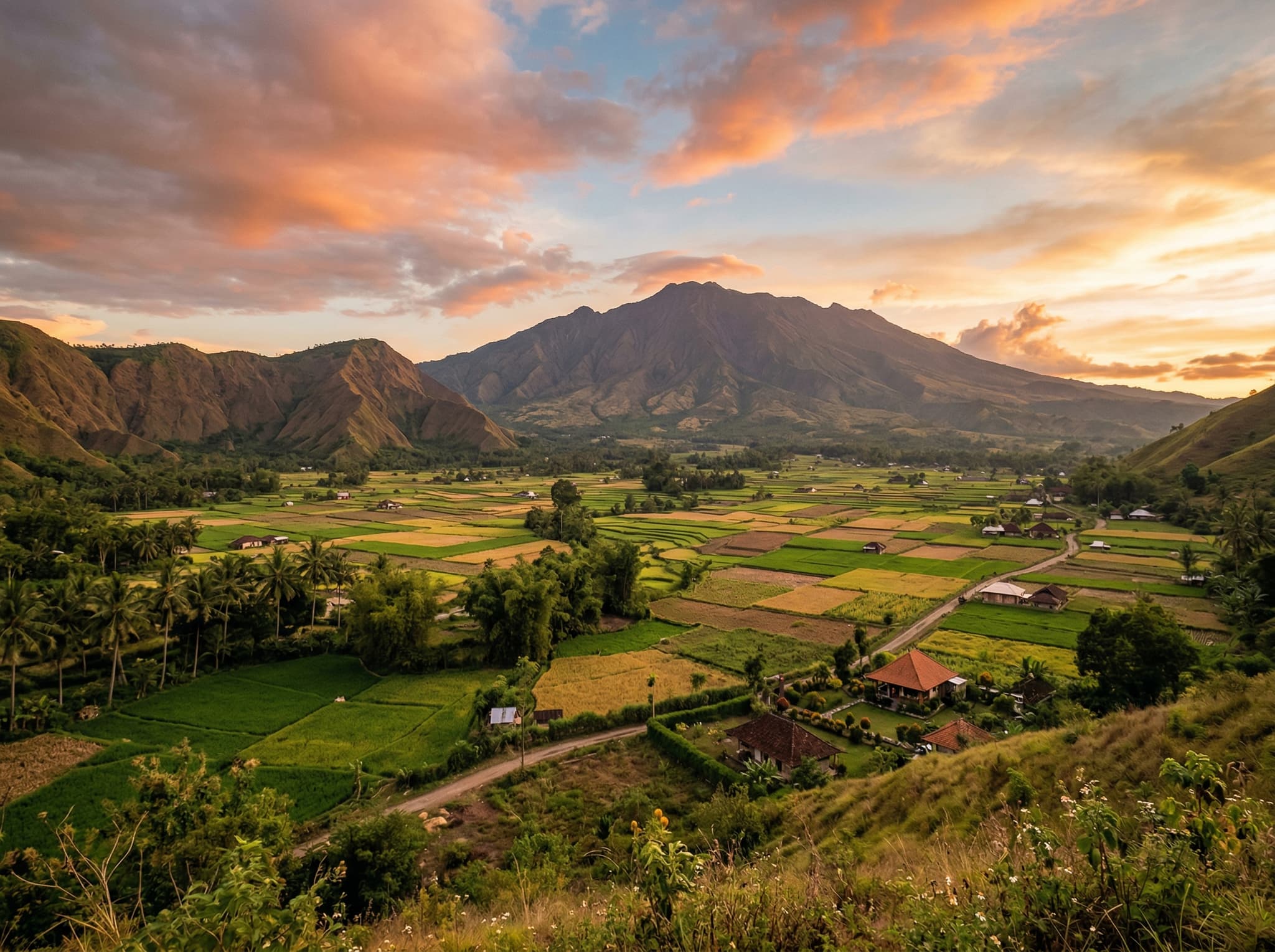
The trekkers who arrive at dusk and leave at dawn are missing something. Sembalun at golden hour — when the light hits the valley floor and Rinjani's profile sharpens against the sky — is one of the quieter beautiful moments on Lombok. The farms, the cool air, the sense of being in a place that exists for reasons that have nothing to do with tourism. It's worth an extra day. Maybe two.