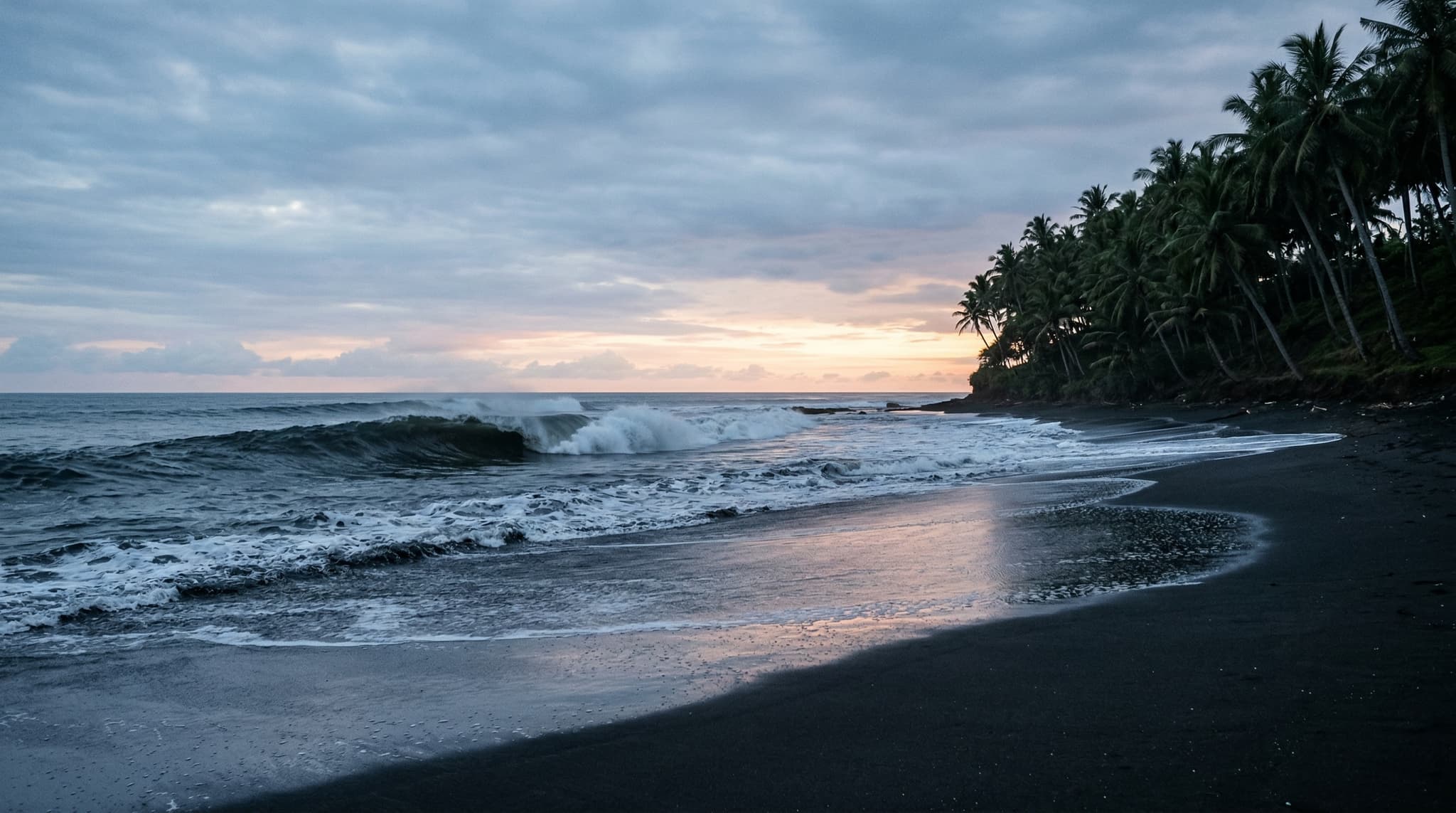
Keramas Beach is one of Bali's best surf breaks — a fast right-hander over black volcanic sand on Gianyar's quiet southeast coast, far from the crowds.
The sand at Keramas is the color of wet charcoal. At dawn, before anyone else shows up, it holds the cold from the night and the light sits on it differently than it does on the white-sand beaches tourists picture when they book flights to Bali. There's no turquoise postcard here. The water is dark and muscular, the shore steep, and the coconut palms behind the beach lean inland like they've been arguing with the wind for decades.
Keramas sits on Bali's southeast coast in Gianyar Regency, about twenty minutes east of the Ubud turnoff and a world away from the beach-club density of Seminyak or the content-creator sprawl of Canggu. It's a surf beach, primarily — one of the island's most respected waves — but it's also a quiet stretch of coast that hasn't been reshaped by the infrastructure of mass tourism. Not yet, anyway.
The Wave
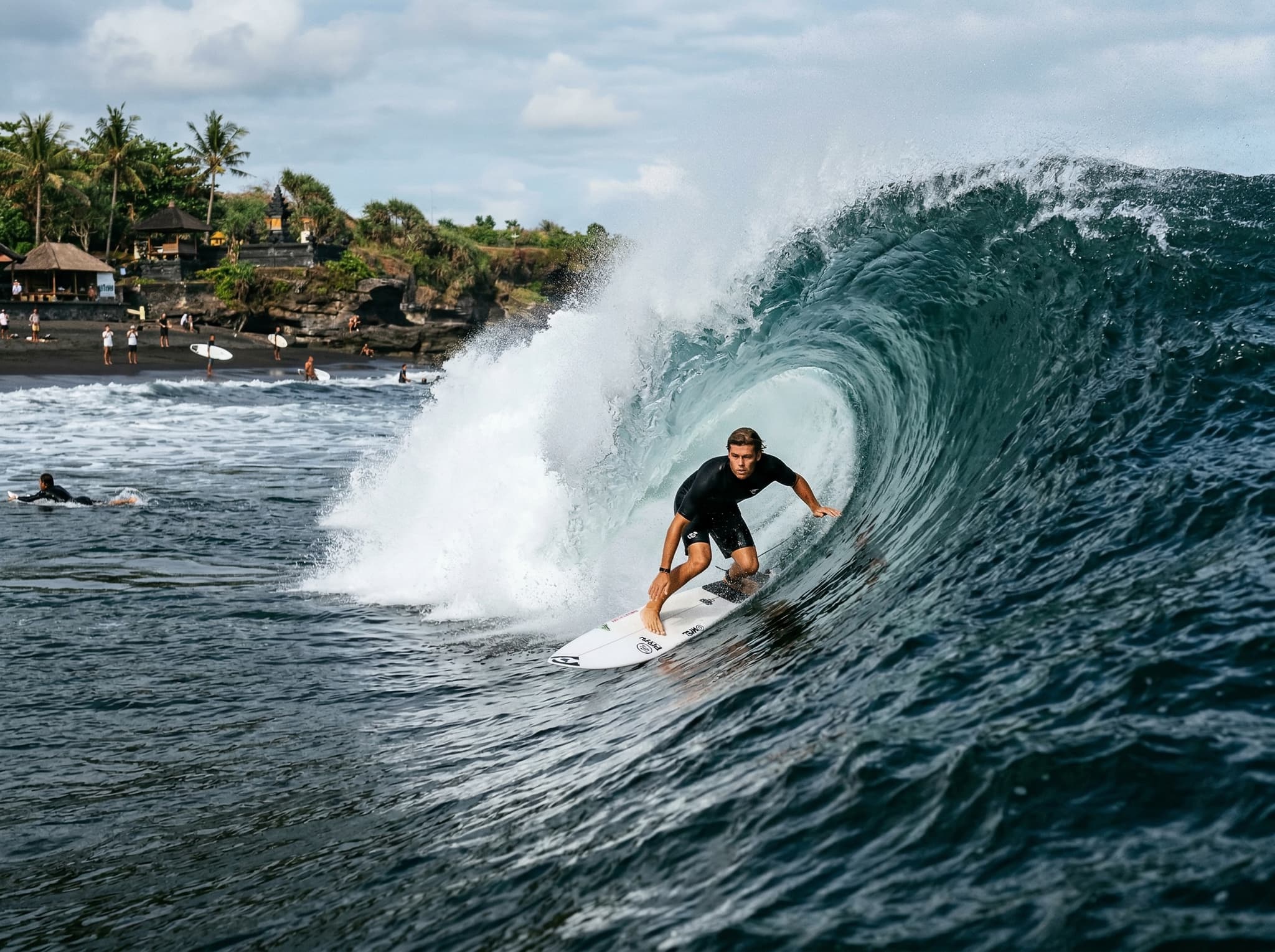
Keramas earned its reputation as a world-class right-hander that breaks over a reef shelf covered in black volcanic sand. The wave is fast, hollow, and punishing. It hosted the WSL Championship Tour event (the Rip Curl Keramas Pro, later the Corona Bali Protected) for several years, which put it on the global surf map but — unusually — didn't flood the lineup with beginners. The wave itself acts as a filter. It's powerful enough that inexperienced surfers tend to self-select out after watching a few sets.
Surf Conditions
Wave Type
Right-hand reef break
Best Swell
South-southwest, 4–8 ft
Tide
Mid to high tide preferred
Level
Intermediate to advanced
Hazards
Shallow reef sections, strong current on bigger days
Board Rental
Available at warungs near the beach — expect 100,000–150,000 IDR/day
The peak season for consistent swell runs from April through October, when south swells wrap into the coast. Morning sessions tend to be glassiest — the onshore wind picks up by midday most days. Evening sessions can work too, and Keramas has a history of night surfing under floodlights, a novelty that the WSL events popularized. Some local operators still run night surf sessions, though availability varies by season.
Beyond the Break
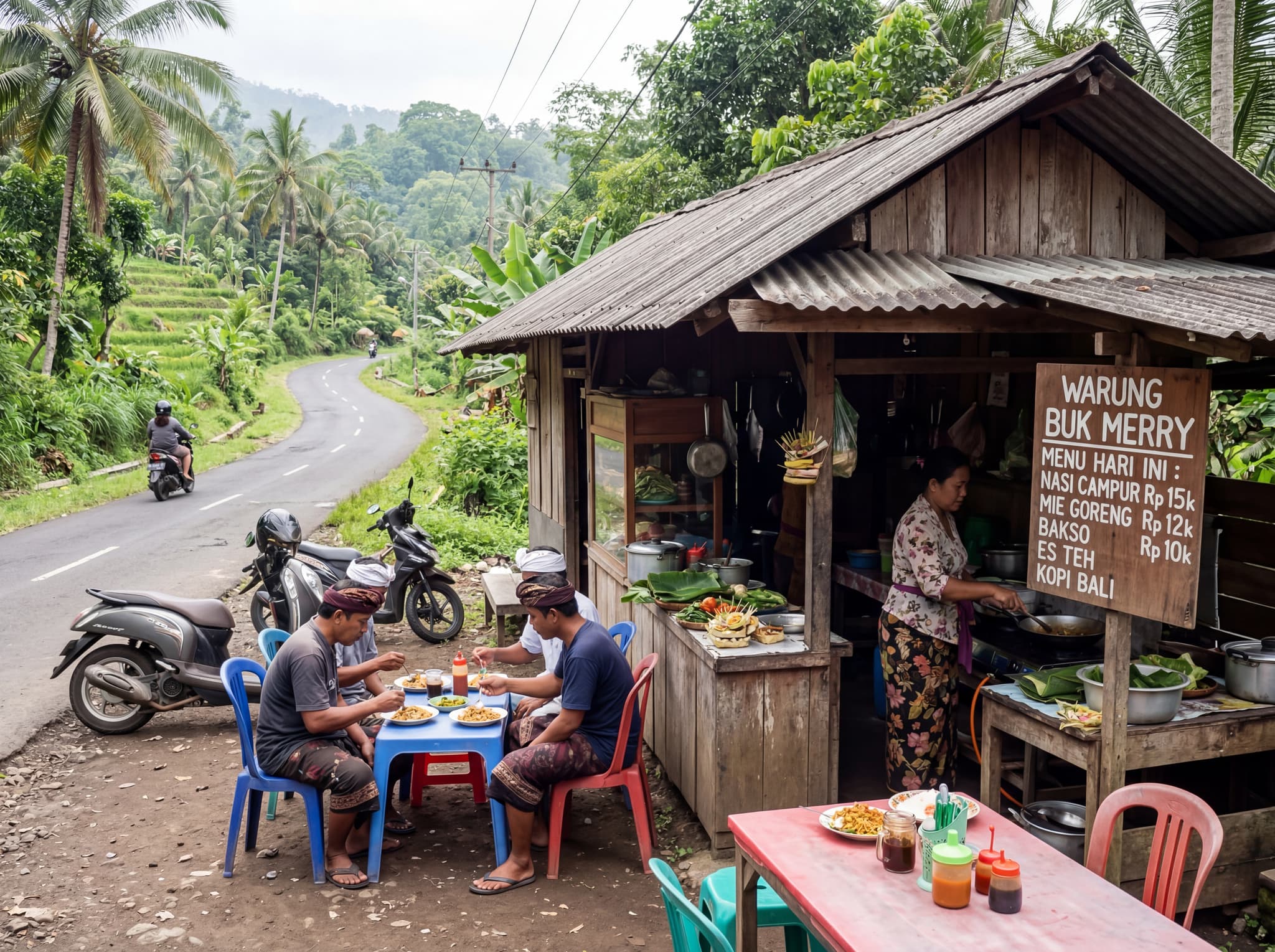
For non-surfers — or surfers between sessions — Keramas offers something that's become rare on Bali's southern coast: a beach that hasn't been optimized. There are a handful of warungs along the road behind the sand, serving nasi goreng and cold Bintangs at prices that reflect the local economy rather than the tourist one. A plate of mie goreng here might run you 20,000–30,000 IDR. In Seminyak, the same dish costs three times that and comes with a linen napkin.
The black sand beach itself stretches in both directions and is rarely crowded outside of surf hours. Walking east along the shore in the early morning, you'll pass fishing boats, drying nets, and the occasional ceremonial offering placed at the waterline. Gianyar is one of Bali's cultural heartlands — the same regency that holds Ubud — and the Hindu traditions here are woven into daily life in a way that feels less performed than in the tourist centers.
Nearby
[[Pura Masceti](/places/bali/pura-masceti-bali-s-sacred-sea-temple-on-the-gianyar-coast)](/places/bali/pura-masceti-bali-s-sacred-sea-temple-on-the-gianyar-coast)
Beachside temple, 10-minute walk east along the coast
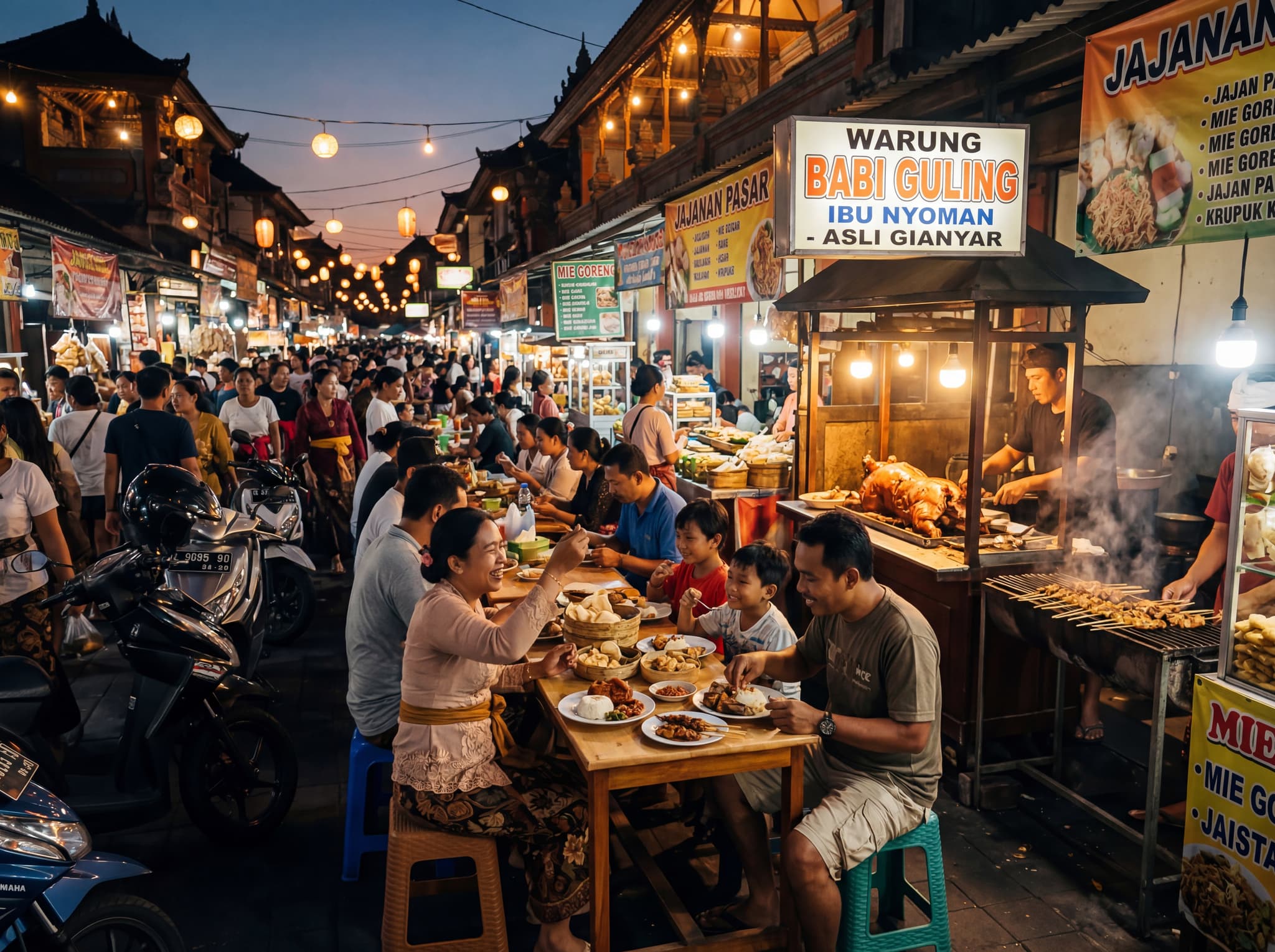
Gianyar Night Market
20 minutes by scooter — one of Bali's best for babi guling and local snacks
Ubud center
35 minutes north by car
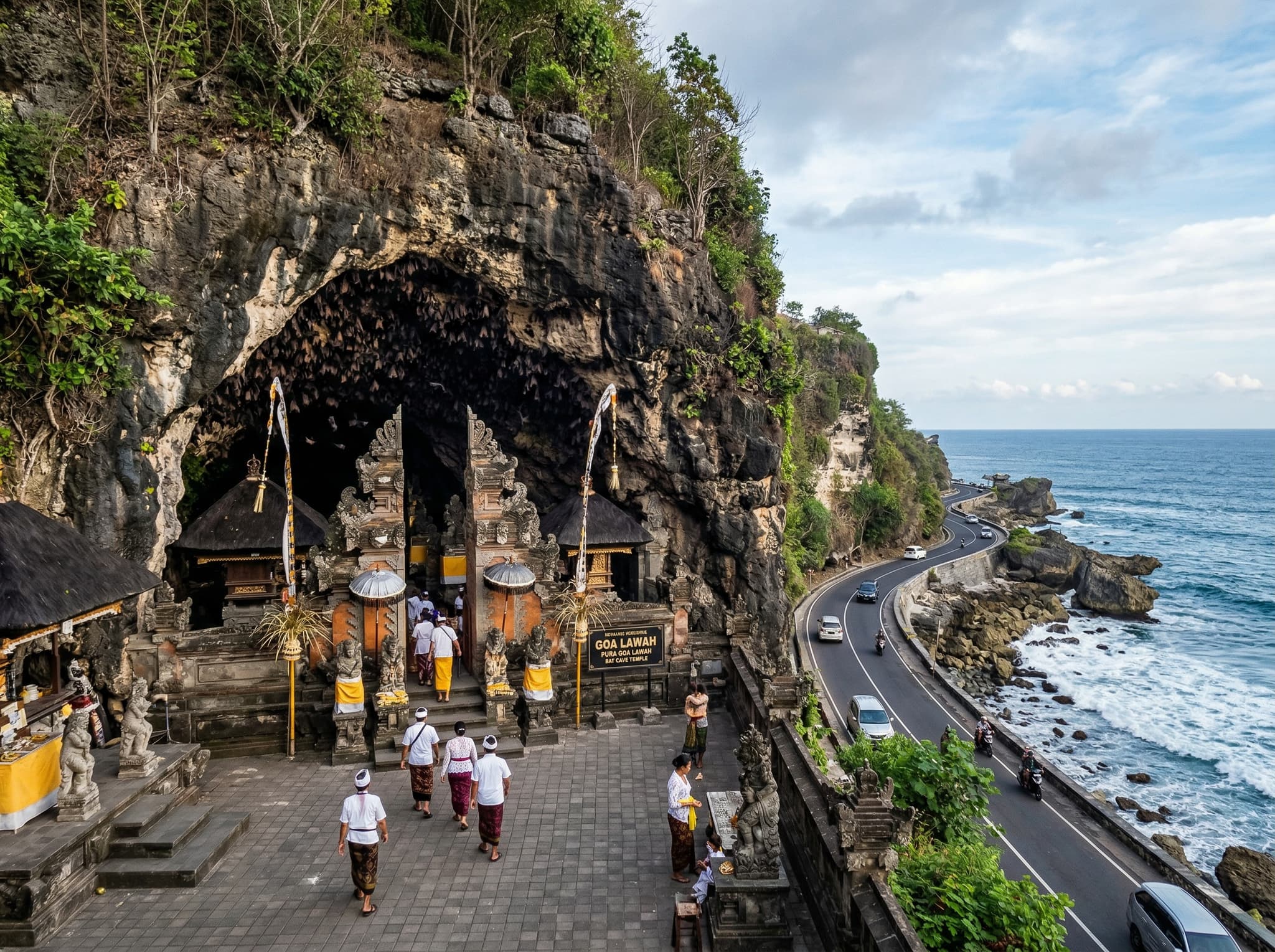
Goa Lawah (Bat Cave Temple)
30 minutes east along the coast road
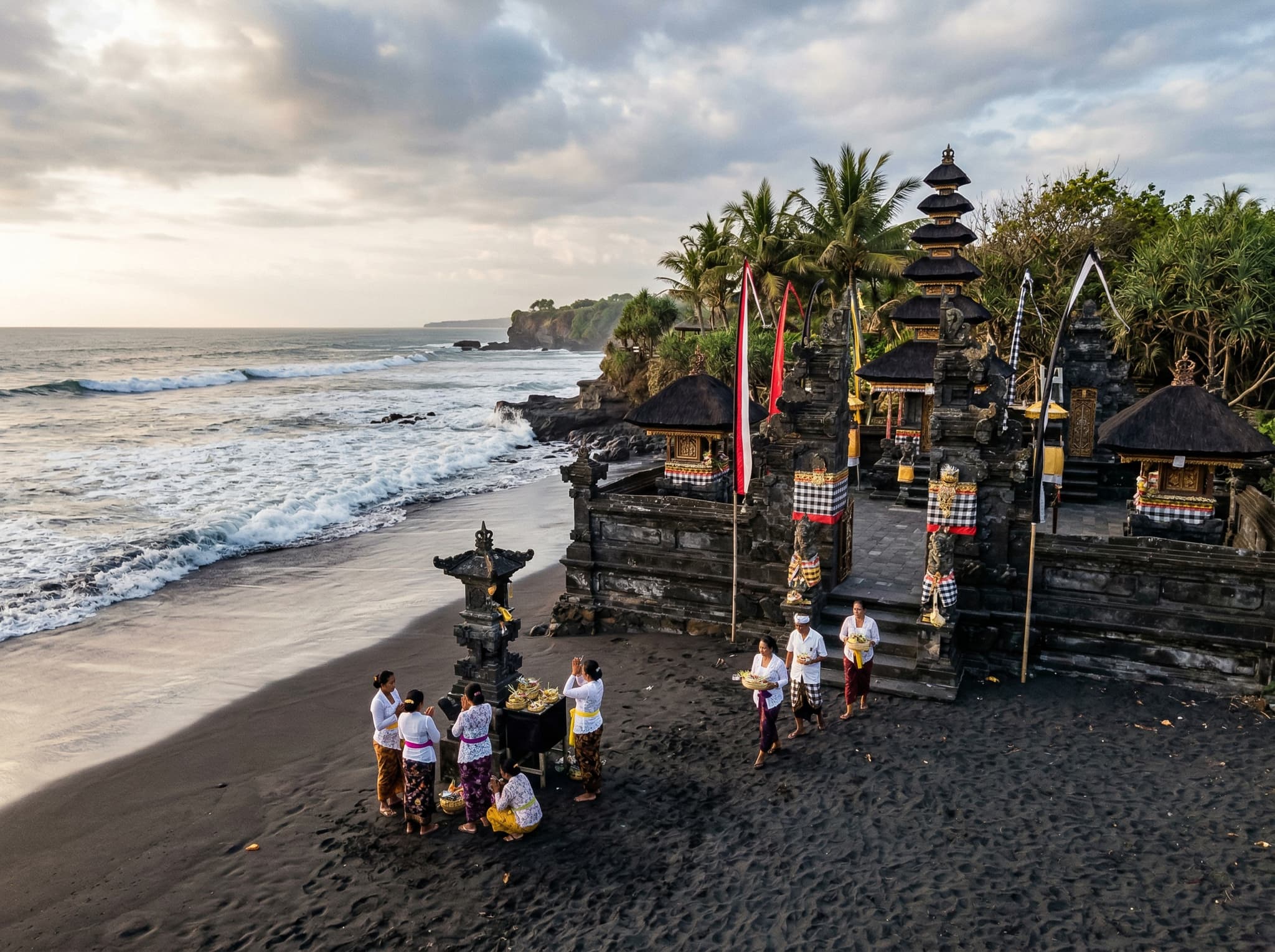
Pura Masceti, a directional temple (one of Bali's nine kahyangan jagat temples that protect the island from different compass points), sits on the beach a short walk from the main surf break. It's a working temple, not a tourist attraction — dress respectfully if you walk past, and don't enter the inner courtyard unless you've been invited.
Where to Stay
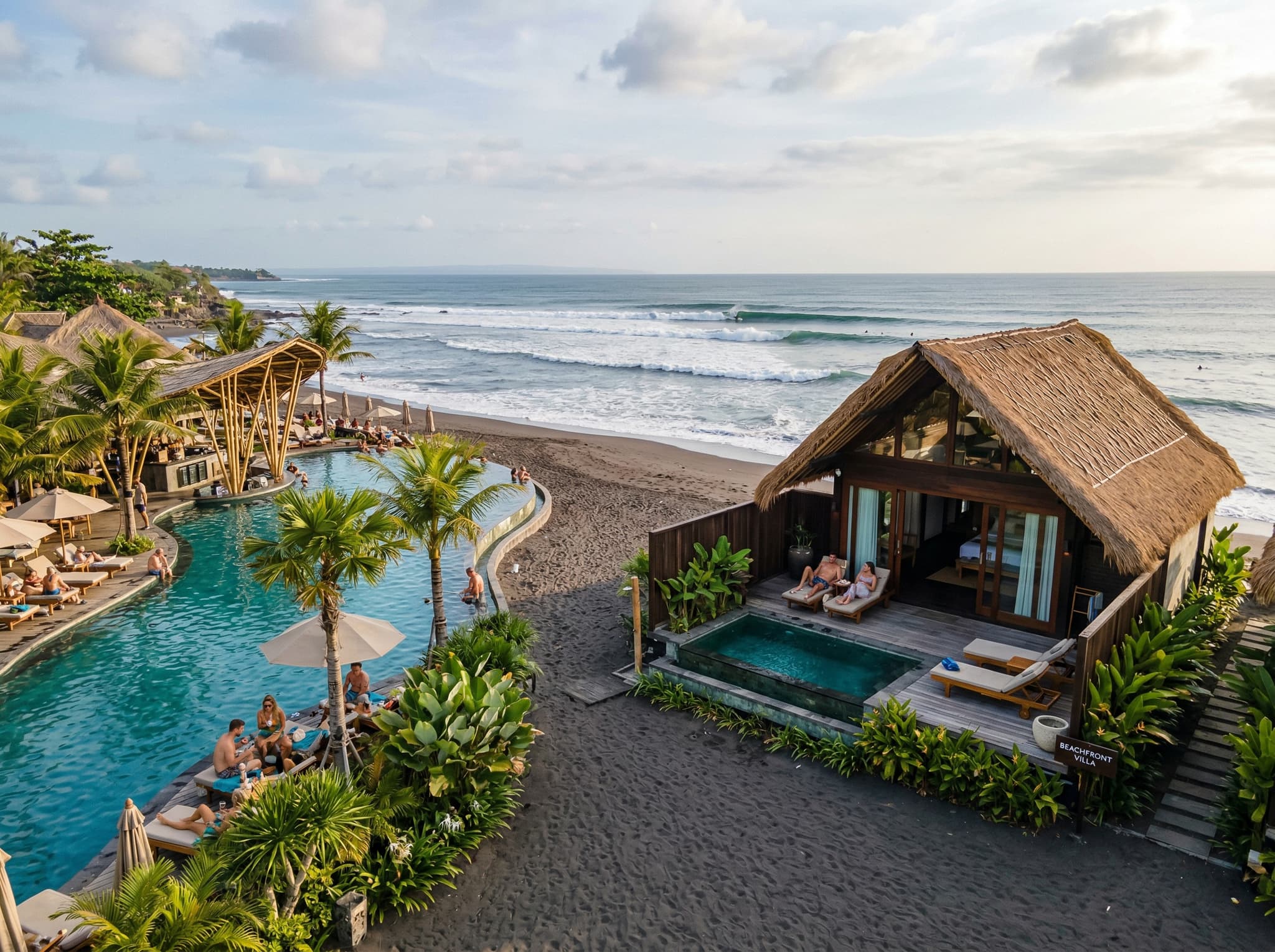
Keramas doesn't have a developed accommodation strip. That's part of its appeal and part of its inconvenience. The main options fall into three categories:
Surf-oriented guesthouses and homestays line the road behind the beach. These are simple — a clean room, a fan or basic AC, maybe a small pool. Expect 250,000–500,000 IDR per night. They cater to surfers who want to be close to the break and don't need much else.
Komune Beach Club and Resort is the one upscale property directly on Keramas Beach. It has a pool, a restaurant, and the infrastructure for the night surf sessions. It's a comfortable base, though it sits at a different price point — rooms start around $150–200 USD per night depending on season.
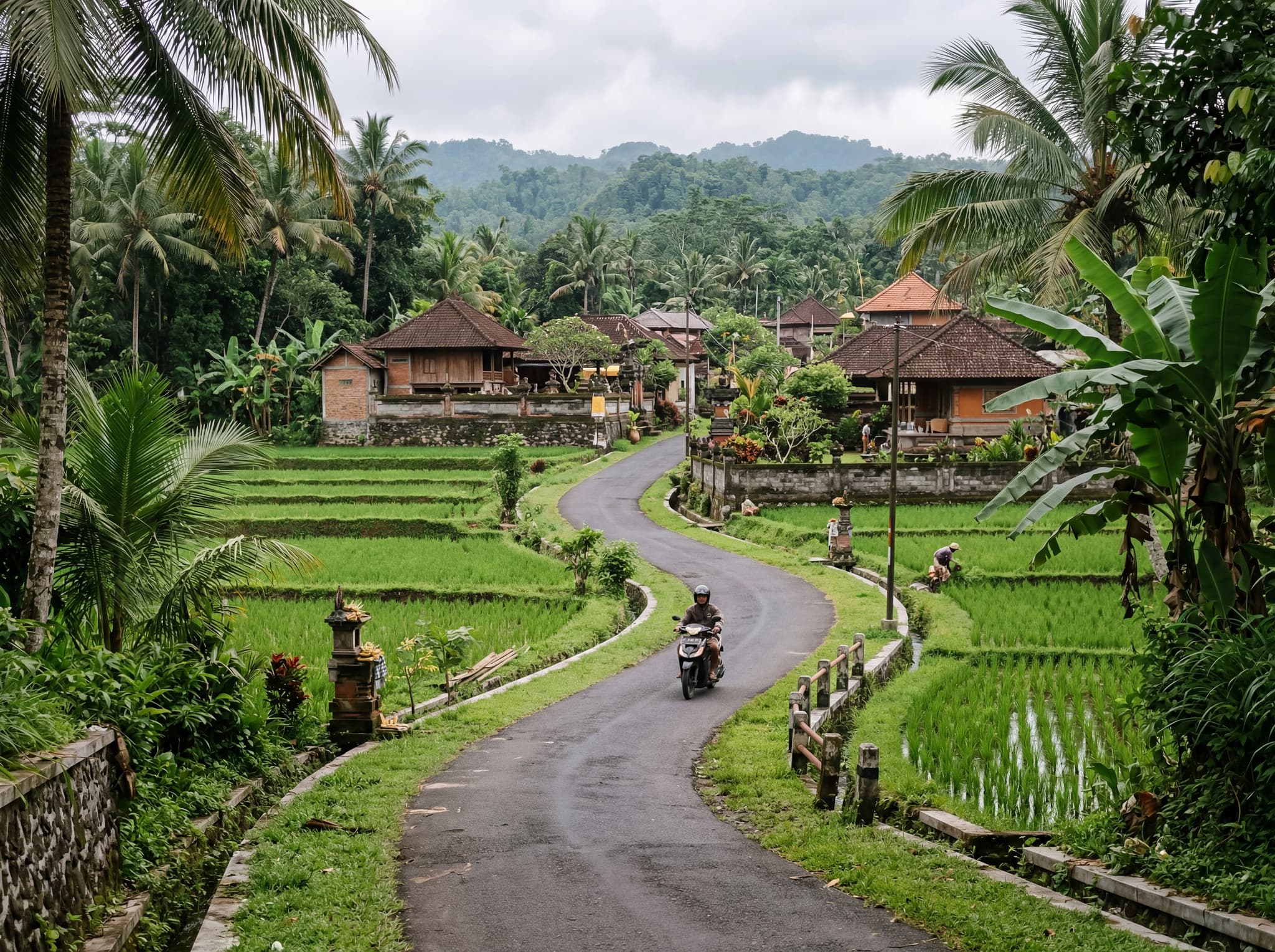
Ubud-based stays are a practical alternative. Keramas is close enough to Ubud that you can stay in the rice-terrace guesthouses and drive to the coast for a morning session. The road between Ubud and Keramas runs through villages and past rice paddies — it's one of the more pleasant drives in central Bali.
What Keramas Isn't
It's not a full-day destination for someone who doesn't surf. There's no snorkeling to speak of — the water is too rough and the visibility limited by the dark sand. There are no beach clubs with daybeds, no sunset cocktail bars, no Instagram walls. The nearest ATM is back on the main road toward Gianyar town.
What it is: a piece of Bali's coast that still feels like the coast, rather than like a venue. The temple ceremonies happen on the beach because they've always happened on the beach. The warungs serve food to the people who live here, and to surfers who've learned where to find them. The sand is black because the volcanoes made it that way, and nobody has tried to change it.
For some travelers, that's not enough. For others, it's exactly the thing.