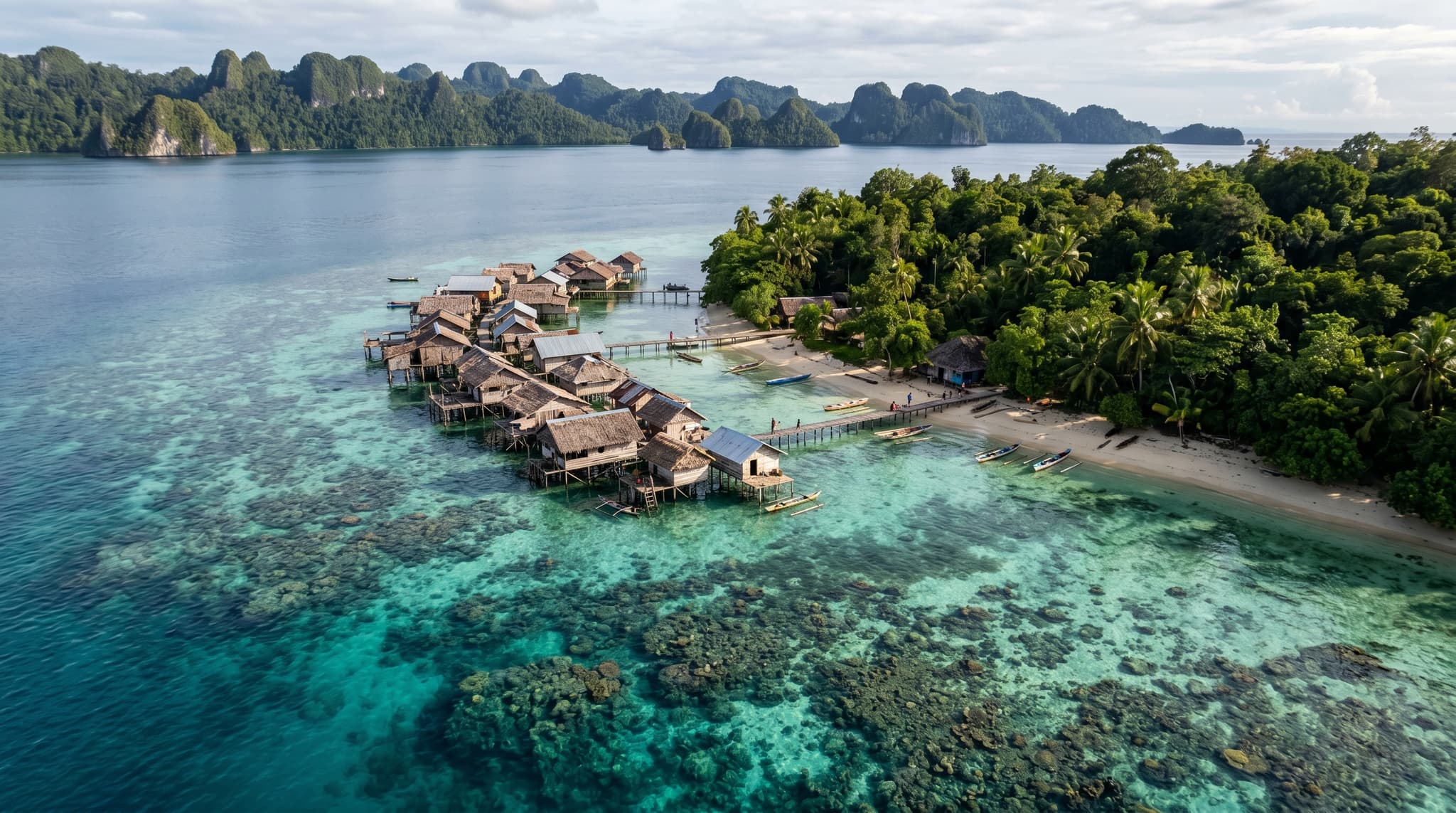
Manta Point delivers year-round manta sightings in Komodo National Park. Here's what it costs, when to go, and how to book the right tour from Labuan Bajo.
Here's the timing paradox nobody tells you upfront
: the months with the best weather at Manta Point are not the months with the most mantas. December through March — rainy season, choppier seas, reduced visibility — is when nutrient-rich plankton blooms draw dozens of manta rays to this southern Komodo cleaning station. May through October gives you calm water and 20–30 metre visibility, but fewer mantas at southern sites as they shift north. You're trading one thing for another, and the honest answer is that both trade-offs are worth it. Mantas are sighted year-round here. The question is whether you want guaranteed numbers or guaranteed comfort.
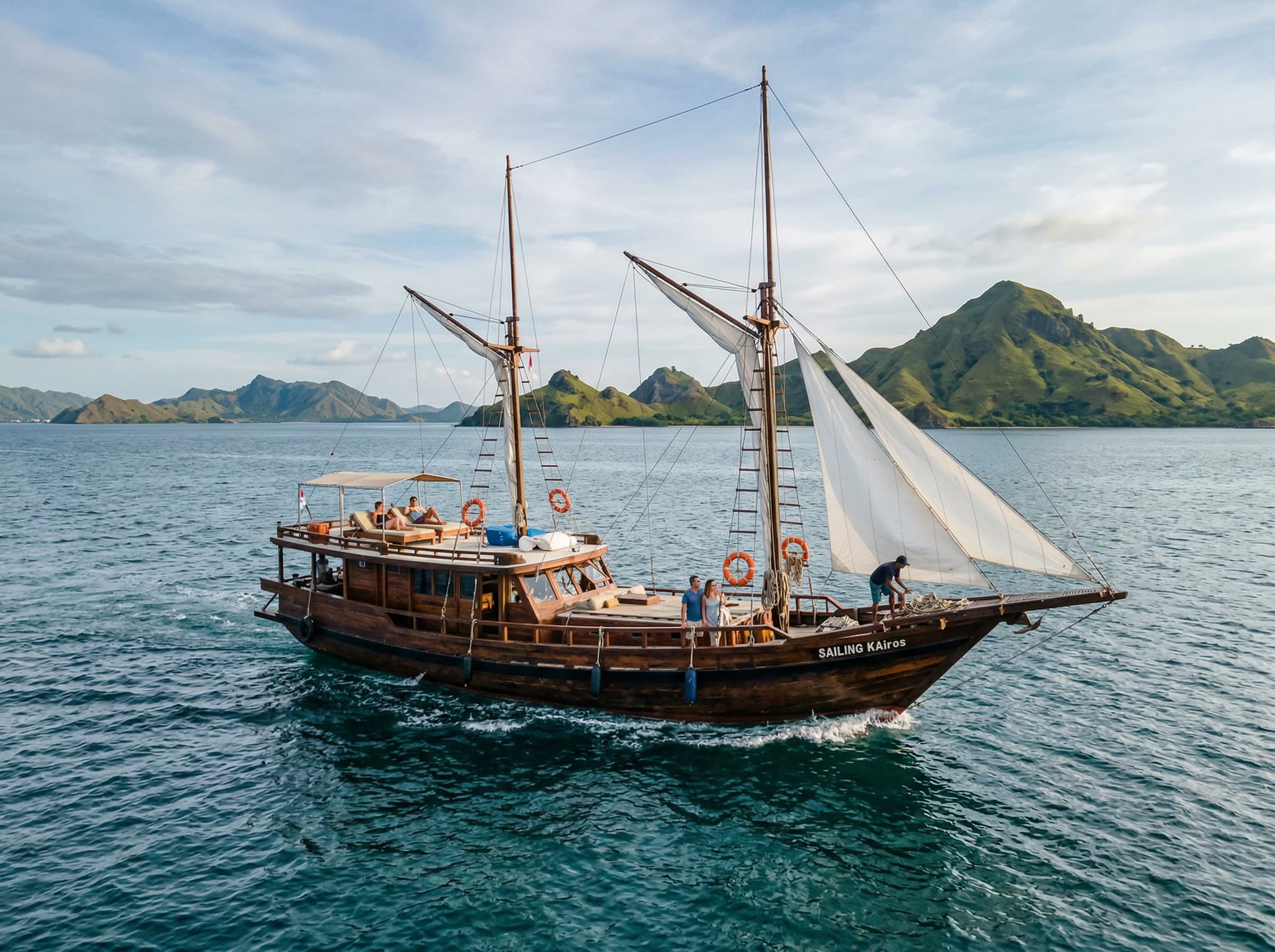
Manta Point sits within Komodo National Park, accessible only by boat from Labuan Bajo. There's no independent access, no sneaking in on a kayak. You book a tour, you get on a boat, and you spend roughly three hours reaching the site. That's each way — so a day trip to Manta Point is genuinely a full day commitment.
When to Go
April is the sweet spot for most visitors. It's the transition out of the wet season: manta activity is still high from the plankton-rich months, seas are calming down, and crowds haven't peaked yet. October and November offer a similar transitional window on the other end.
Seasonal Conditions
Dec–Mar (wet)
Peak mantas, rougher seas, 27–29°C water, reduced visibility
April (transition)
Strong manta chances, improving conditions, fewer visitors
May–Oct (dry)
Calm seas, best visibility (20–30m), fewer mantas at southern sites, 24–27°C water
Oct–Nov (transition)
Mantas returning south, reasonable conditions
One practical note: quarter moon phases produce milder currents, which matters for diving. If you have flexibility on dates, check a lunar calendar before booking.
What It Costs
Manta Point itself has no standalone entry fee. What you're paying for is access to Komodo National Park, and the fee structure stacks up in layers that operators don't always explain clearly.
Fee Breakdown (International Visitors)
Marine Park Ticket
IDR 250,000/person/day (~$16)
Harbour Fee
IDR 25,000/person (paid at Labuan Bajo port)
Scuba Diving Surcharge
IDR 25,000/diver/day
Total – Snorkelers
IDR 275,000 (~$18)
Total – Divers
IDR 300,000 (~$19.50)
On top of those fees, you're paying for the tour itself. Day trips from Labuan Bajo run $117–$140 per person and typically include boat transport, snorkelling gear, a guide, lunch, and drinking water. Some operators bundle park fees into that price. Some don't. Ask before you book — the difference between "all-inclusive" and "plus park fees on arrival" is $18–20 per person, which adds up for a group.
Multi-day liveaboard trips combining Manta Point with Komodo Island, Pink Beach, and Padar Island range from $311 to over $1,050 per person for two to three days. Again, verify what's included. "All-inclusive" is one of the most inconsistently used phrases in Labuan Bajo tourism.
Snorkelling vs. Diving
Both work here. But be honest with yourself about your experience level.
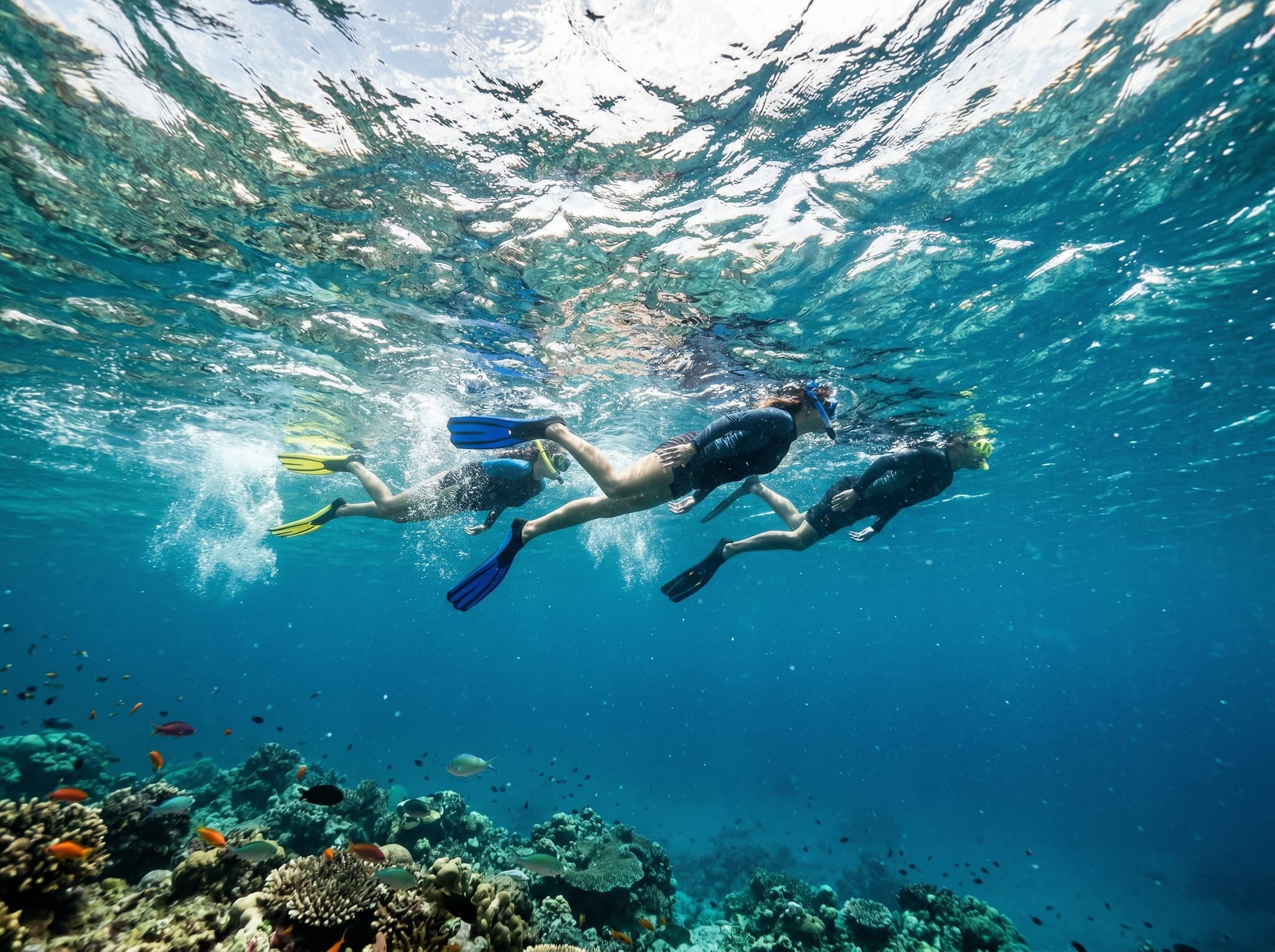
Snorkelling is viable for confident, intermediate-to-advanced swimmers. Manta Point has real currents — you drift with the tide, not against it, and a guide is essential. If your snorkelling experience is limited to calm Thai bays, this is a step up. That said, mantas feed near the surface, so snorkellers often get encounters just as dramatic as divers. Most tours allocate 20 minutes to two hours at the site depending on conditions and group size.
Diving requires genuine experience. These are drift dives with strong currents, and good buoyancy control isn't optional — it's what keeps you from crashing into the reef or spooking the mantas. A 3mm wetsuit is recommended from March through September. The site itself is a cleaning station where smaller fish remove parasites from the mantas, which is why they return so reliably. You're watching a transaction, not chasing an animal.
Booking the Right Tour
You can book through platforms like GetYourGuide, Viator, or Trip.com, or directly with operators and street vendors in Labuan Bajo. Direct booking in town is usually cheaper but requires arriving a day early to compare options and negotiate. The quality gap between operators is real — ask about boat condition, group size, and whether the guide actually enters the water with you.
For most visitors, a day trip is sufficient if Manta Point is the priority. If you want Komodo dragons, Padar Island's viewpoint, and Pink Beach in the same trip, a two- or three-day liveaboard makes more logistical sense and reduces the per-day travel time overhead. Three hours each way on a day trip is a lot of boat.
The Honest Take
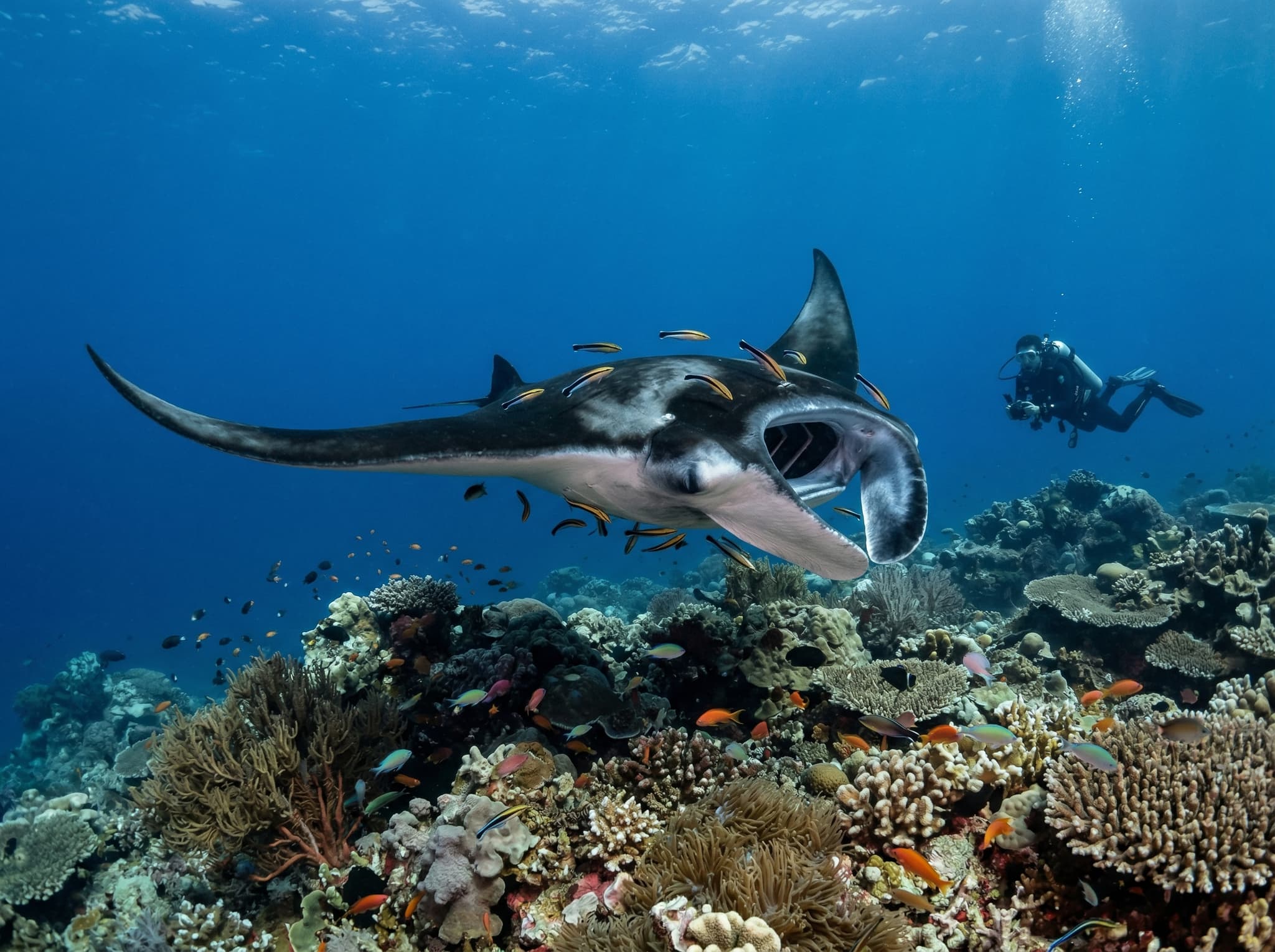
Manta Point delivers. It's not one of those places where you show up and hope — mantas are here year-round because the site is a functioning cleaning station, not a random stretch of ocean. The encounter rate is genuinely high, and watching a three-metre manta glide past you at arm's length is the kind of experience that justifies the entire trip to Flores.
The friction is logistical, not experiential. The layered fee structure is confusing. The three-hour boat ride is long. The daily cap means you need to plan ahead. None of that is a reason not to go — it's a reason to go prepared.