Komodo Island: What to Know Before Visiting Indonesia's Dragon Kingdom
Everything you need to plan a trip to Komodo Island — fees, tours, dragon safety, best seasons, and the 2026 visitor cap that changes access.
Komodo Island sits in the strait between Flores and Sumbawa, about as far east in Indonesia as most travelers ever get. It's the flagship island of Komodo National Park — a UNESCO World Heritage Site since 1991 — and the main reason people fly into the small airport at Labuan Bajo. The draw is straightforward: this is one of the only places on Earth where Komodo dragons, the world's largest living lizards, roam wild. But the park surrounding them — its reefs, its volcanic ridgelines, its manta-filled channels — is what turns a wildlife encounter into a genuine destination.
For travelers researching the route from Raja Ampat to Komodo Island, the two sit on opposite ends of Indonesia's eastern arc. There's no direct boat connection — the practical route is to fly from Sorong (Raja Ampat's gateway) back through a hub like Makassar or Jakarta, then onward to Labuan Bajo. It's not seamless, but the combination of Raja Ampat's marine biodiversity and Komodo's terrestrial drama makes for one of Southeast Asia's most compelling two-stop itineraries.
Getting There and Choosing a Tour
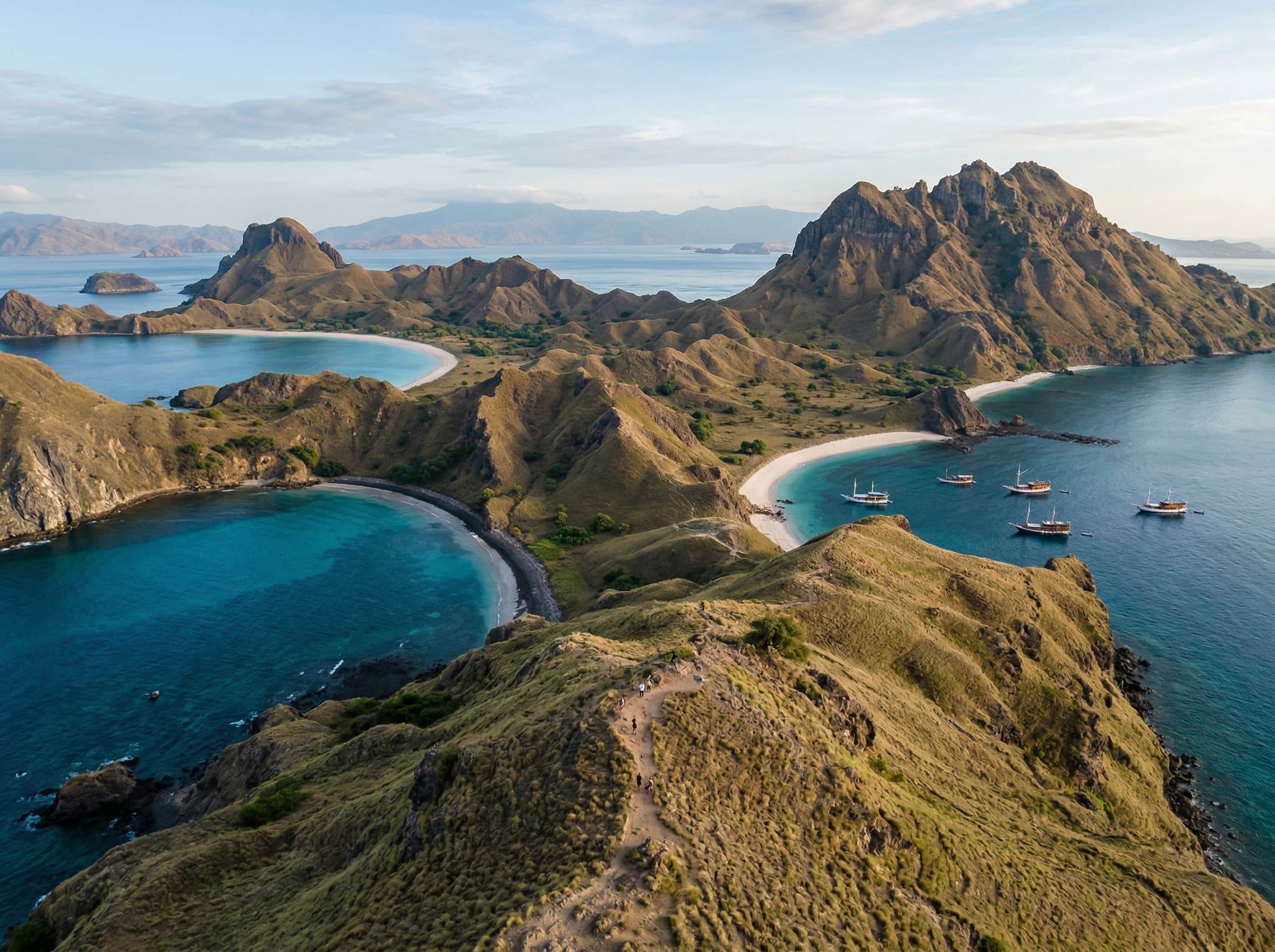
Everything departs from Labuan Bajo. There's no independent access to Komodo Island — you'll join either a day trip or a multi-day liveaboard, and all visits require mandatory ranger accompaniment.
Day trips leave around 6:00–6:30 AM and return by 5:00–6:00 PM. Speedboats cover more ground — up to six islands in a day — while traditional Phinisi sailing boats are slower (roughly three islands per day) but more comfortable for multi-day trips, with air-conditioned cabins and meals included. A typical day-trip itinerary hits Padar Island for the sunrise viewpoint, Pink Beach for snorkeling, and Komodo Island itself for a dragon trek.
Multi-day options run two days/one night or three days/two nights. The 3D2N trips operate on set schedules (commonly Friday–Sunday or Monday–Wednesday) and visit up to nine destinations, including lesser-trafficked snorkeling sites and Rinca Island, the park's other major dragon habitat.
Tour Formats at a Glance
Day Trip (Speedboat)
6 AM–6 PM, up to 6 islands
Day Trip (Phinisi)
6 AM–5 PM, up to 3 islands
2D1N Tour
~10 AM start, 7 destinations
3D2N Tour
Up to 9 destinations, overnight on boat
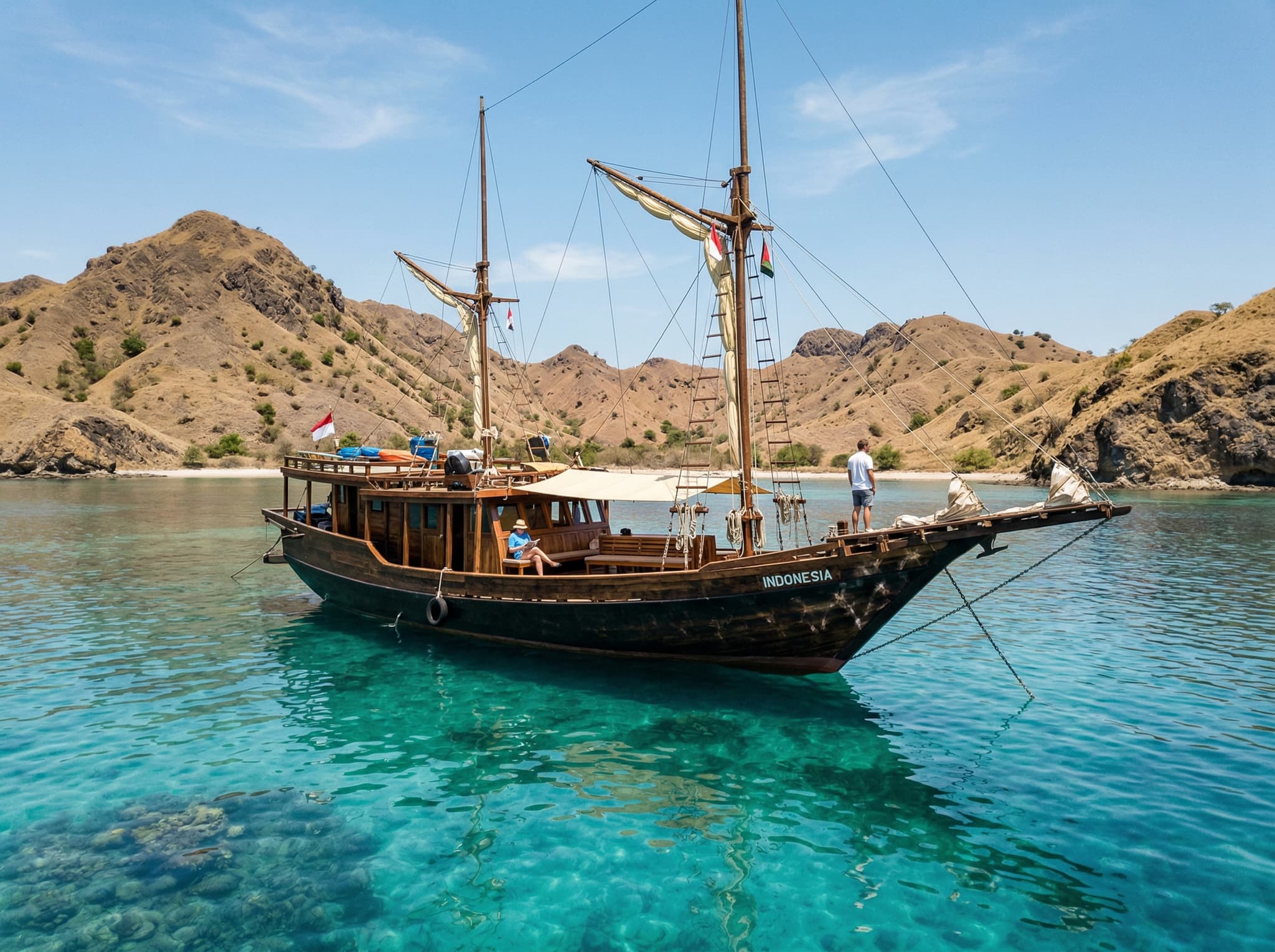
Open-trip (shared) boats accept solo bookings, so there's no minimum group size to worry about. Hotel and airport pickup in Labuan Bajo is standard.
Fees and Costs
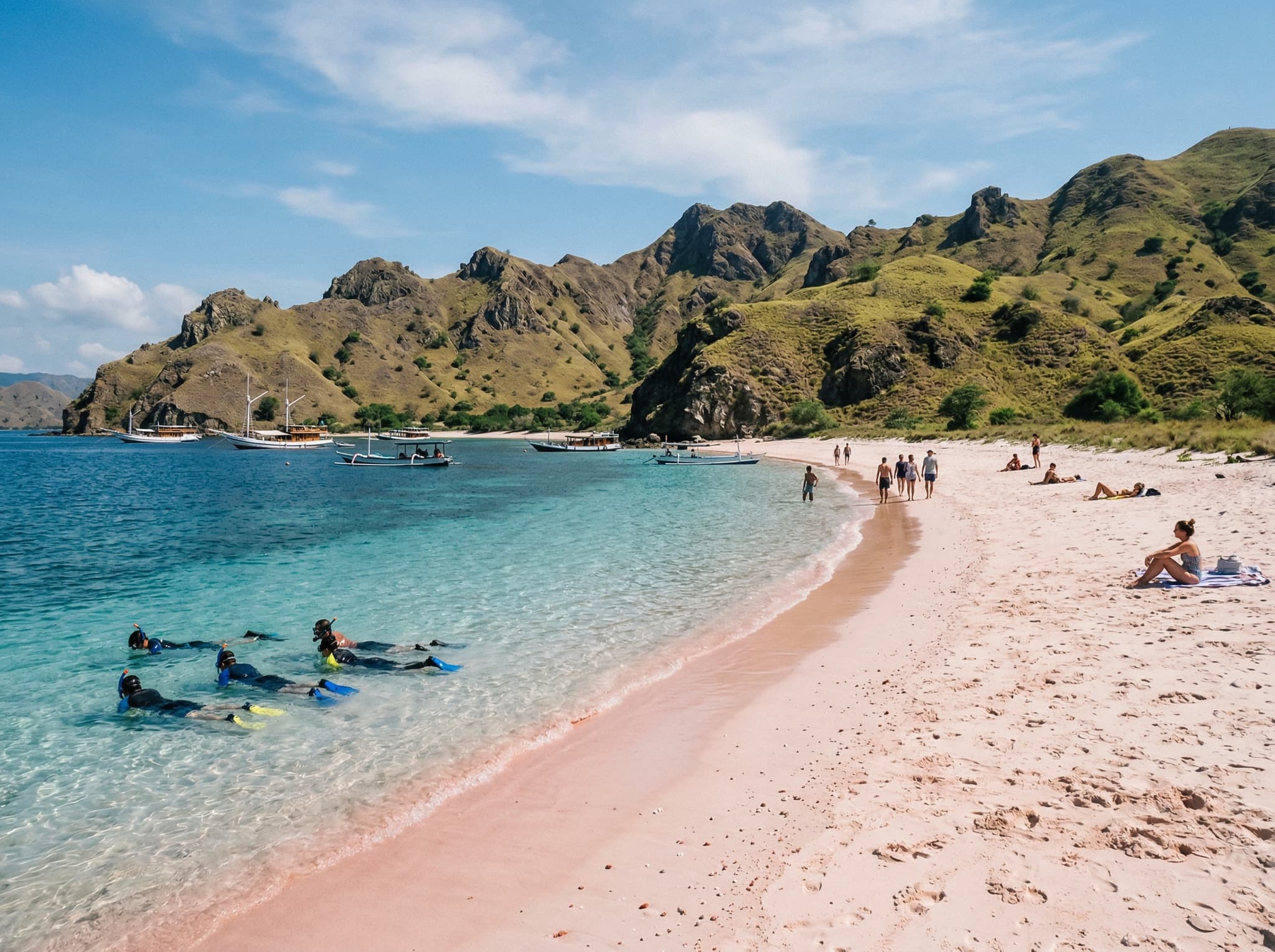
The fee structure has layers. For foreign visitors, the headline numbers are IDR 250,000 ($16) for a one-day visit or IDR 650,000 ($42) for a 3D2N trip. On top of that, expect ranger fees (IDR 80,000–120,000 per group of up to five), trekking fees (IDR 10,000–20,000 per person), snorkeling or diving fees (IDR 20,000–50,000), and a conservation tax (IDR 10,000–100,000).
Weekend and holiday rates run roughly 20–30% higher across all categories. A realistic weekday total, excluding the boat charter itself, lands between IDR 320,000–560,000 (~$21–36) per person.
The Dragon Trek
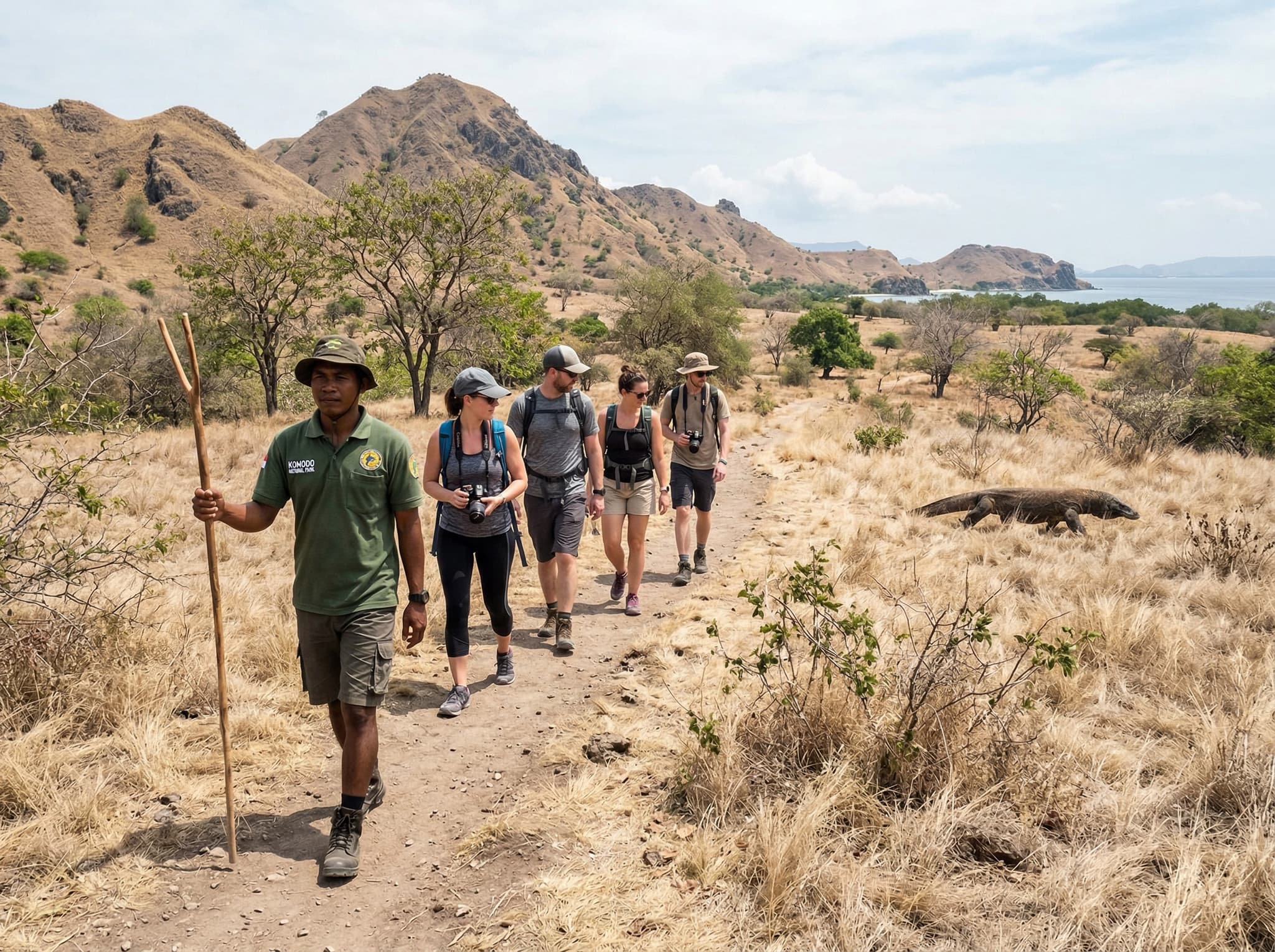
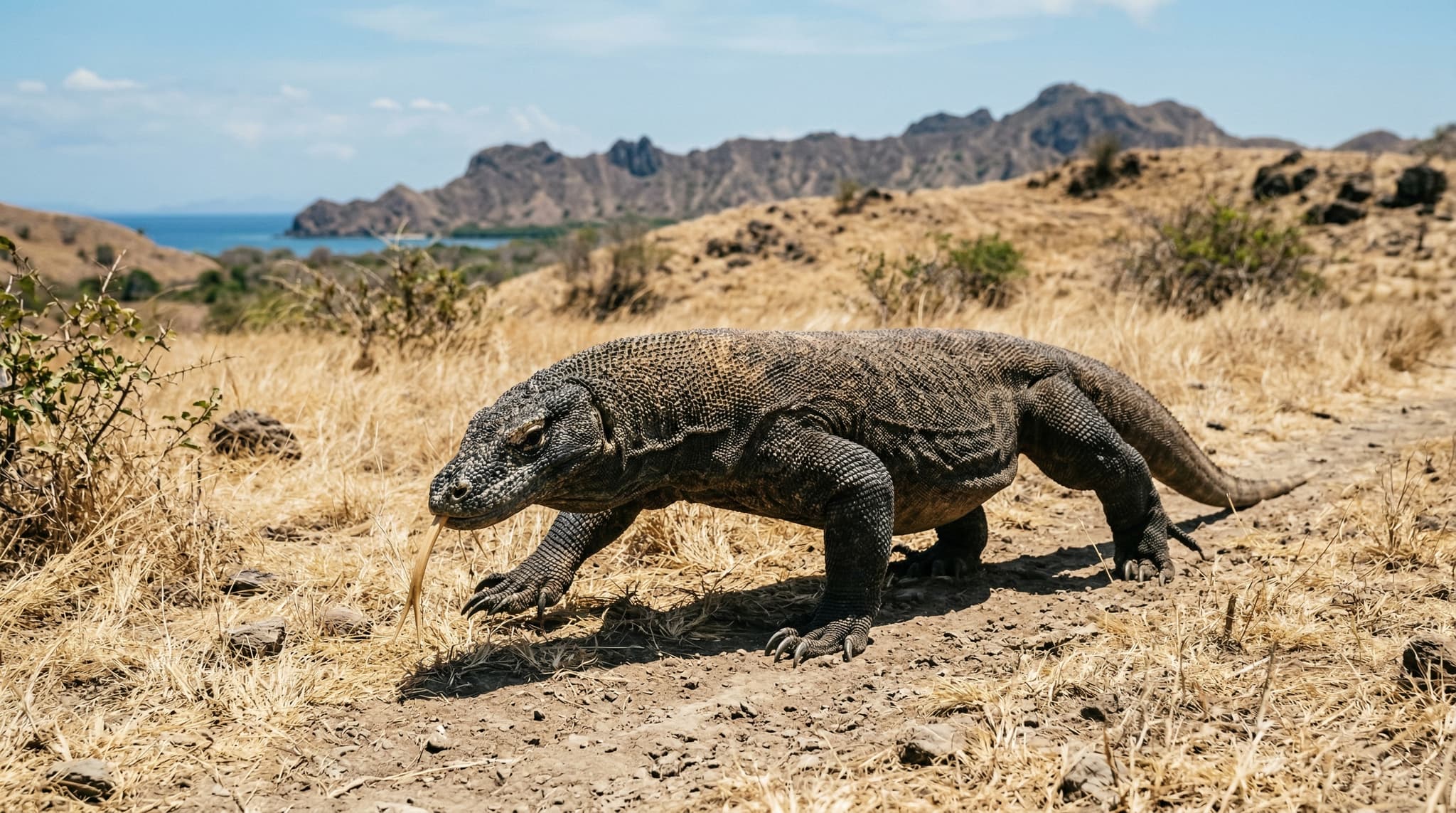
Komodo dragons are venomous, wild predators that can exceed three meters in length. The park takes this seriously. Independent walking is prohibited on both Komodo and Rinca islands — rangers accompany every group, carrying forked sticks for distance control and adjusting routes in real time based on dragon behavior.
The rules are non-negotiable: stay on marked paths, maintain at least 3–5 meters from any dragon, no running or sudden movements, no open food. Pregnant visitors are advised against joining treks, as dragons have an acute sense of smell that may be triggered by hormonal changes. Attacks under ranger supervision are extremely rare.
When to Go
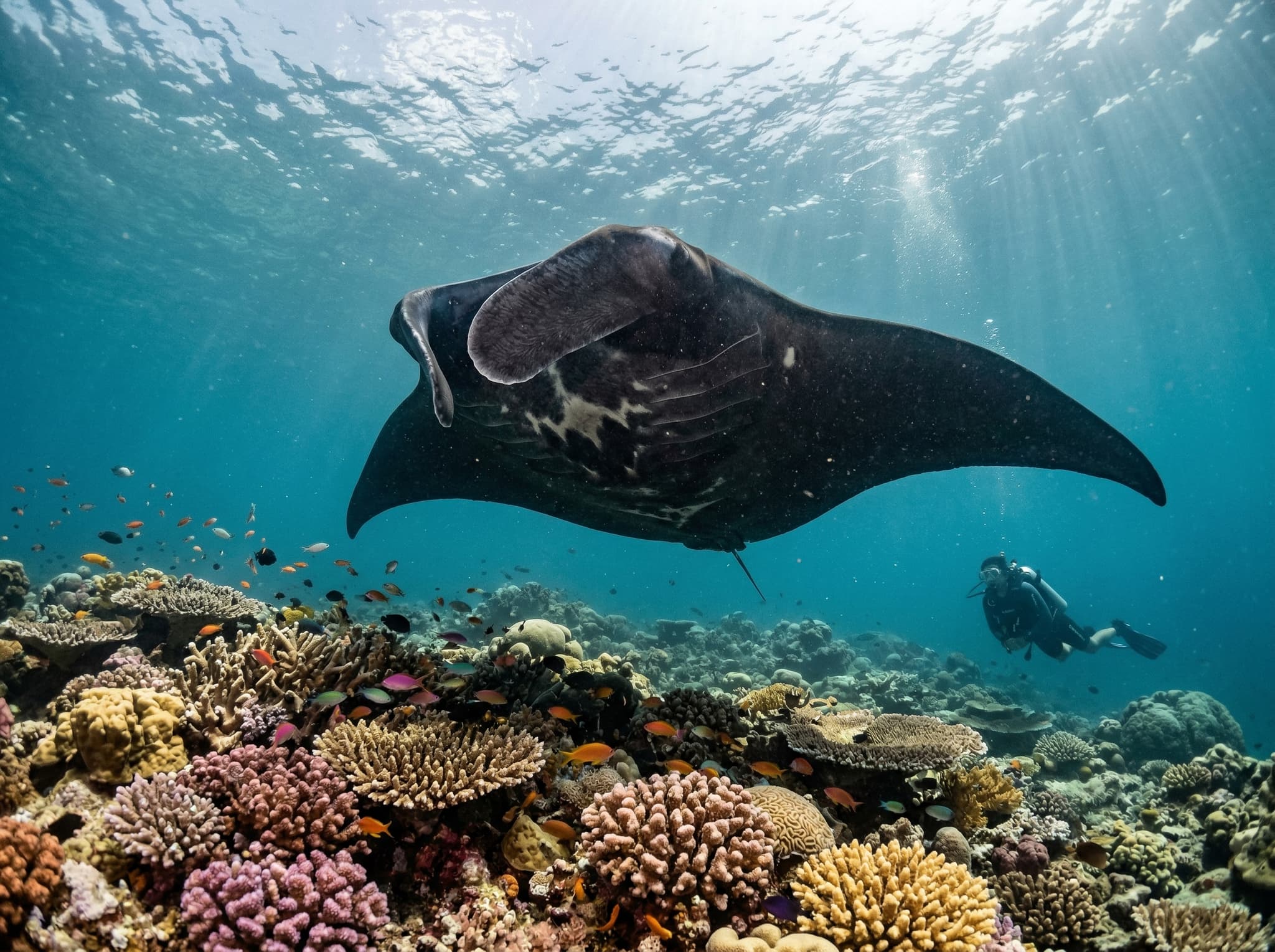
The dry season (April–September) offers the best overall conditions: calm seas, underwater visibility exceeding 20–30 meters, and water temperatures of 25–29°C. July and August deliver peak conditions but also peak crowds and prices.
April, May, and October are the sweet spot — good weather, fewer visitors, and lower rates. October in particular offers excellent diving with manageable boat traffic.
For manta rays specifically, the calendar splits: December–March brings peak numbers at southern sites like Manta Alley, while the dry season concentrates smaller numbers at northern sites. April and May catch the transition between the two.
Seasonal Snapshot
Best Overall
April–September
Best Value
April–May, October
Peak Crowds
July–August
Peak Mantas (South)
December–March
Wet Season
December–March (rougher seas, reduced visibility)
The 2026 Visitor Cap
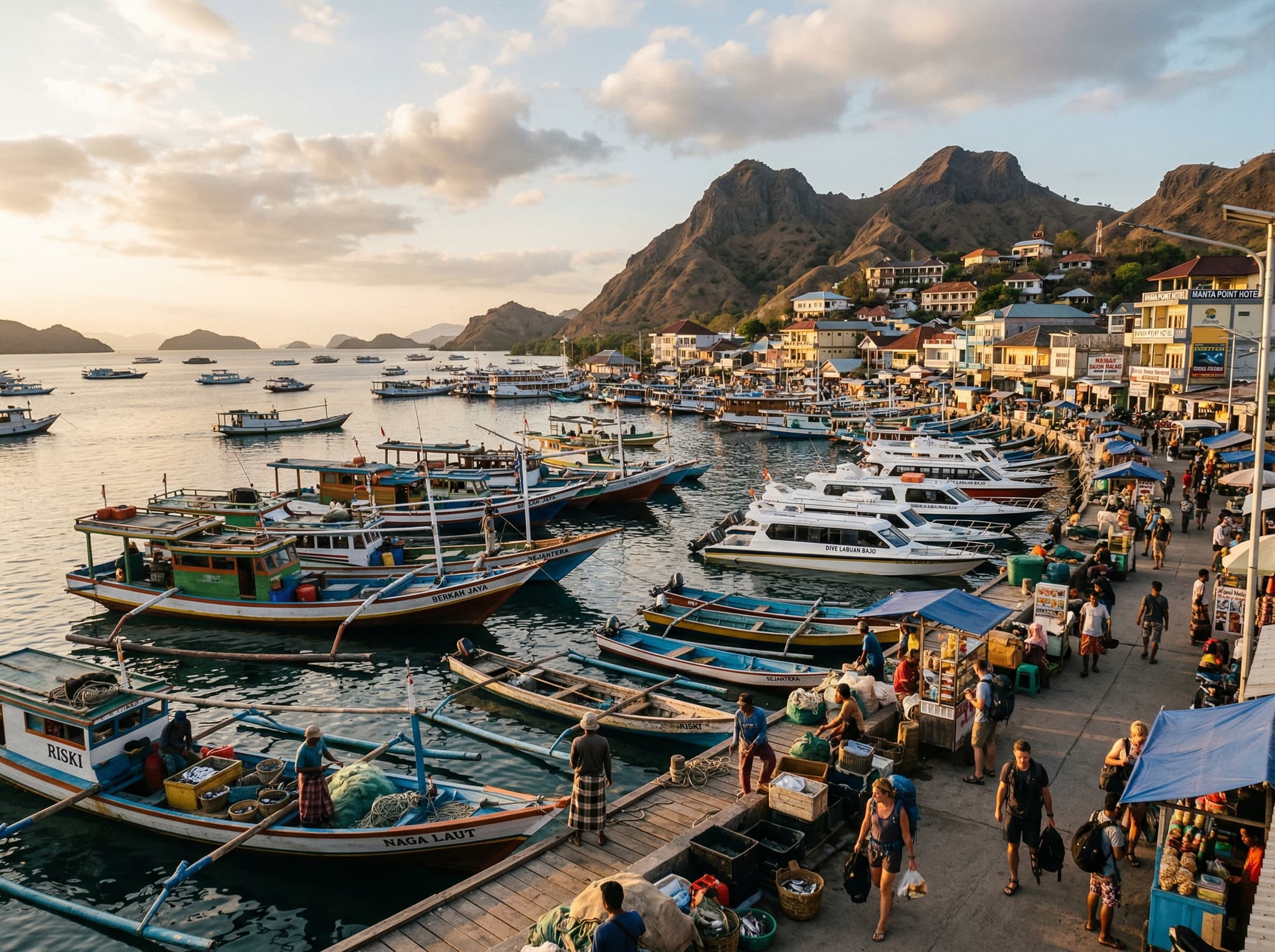
Starting April 2026, Komodo Island will enforce a daily cap of 1,000 visitors, divided into three sessions of roughly 330 people each. This is a significant reduction — the park received over 300,000 visitors in 2024, averaging well above 800 per day. Advance reservations will be mandatory.
The park remains fully open through 2025 as a transition year, with trial runs of the quota system scheduled for January–March 2026. New infrastructure is already in place: a ranger station at Loh Wenci on western Komodo, solar-powered grids, and expanded surveillance including drones and camera traps.
For travelers planning ahead, this means flexibility on dates will matter more than it used to — and booking well in advance will shift from recommended to essential.