
Raja Ampat is not a single destination. It is an archipelago of over 1,500 islands scattered across the Bird's Head Peninsula of West Papua, and it holds a distinction no other place on Earth can claim: the highest recorded marine biodiversity anywhere. More than 1,500 fish species and 75% of all known coral species exist in these waters. For divers, this is the endgame.
But Raja Ampat rewards more than just those with a regulator in their mouth. Snorkelers drift over house reefs so dense with life they rival most dive sites elsewhere. Kayakers glide through limestone karst lagoons ringed by jungle. Birdwatchers track red birds of paradise performing their dawn displays in the canopy of Waigeo Island. The landscape itself, towering mushroom-shaped islets draped in green and surrounded by water that shifts between turquoise and deep cobalt, feels genuinely primordial.
Logistics here require patience. Most visitors fly into Sorong, then take a ferry or speedboat to a homestay or liveaboard. Infrastructure is minimal by design; a marine protected area permit system funds conservation efforts that have made Raja Ampat a global model for community-based ocean stewardship. Expect simple accommodations, limited Wi-Fi, and some of the most pristine ecosystems left on the planet. The remoteness is the point. Raja Ampat does not cater to convenience. It rewards those willing to slow down and pay attention.
Highlights
Travel Guides
Things to Do
Read guide
Where to Stay
Read guide
Getting There
Read guide
Best Time to Visit
Read guide
Food & Restaurants
Read guide
Neighborhoods
Coming soon
Day Trips
Coming soon
Places in Raja Ampat
38 places
Tau Yado Homestay: What to Know Before Booking This Gam Island Stay

Nudi Rock: Macro Diving in Raja Ampat's Misool Region

Batu Pensil: Raja Ampat's Pencil-Shaped Rock Rising from Kabui Bay

Saporkren Village: Raja Ampat's Window to the Wilson's Bird of Paradise

Waigeo Island: Gateway to Raja Ampat's Wildest Corner
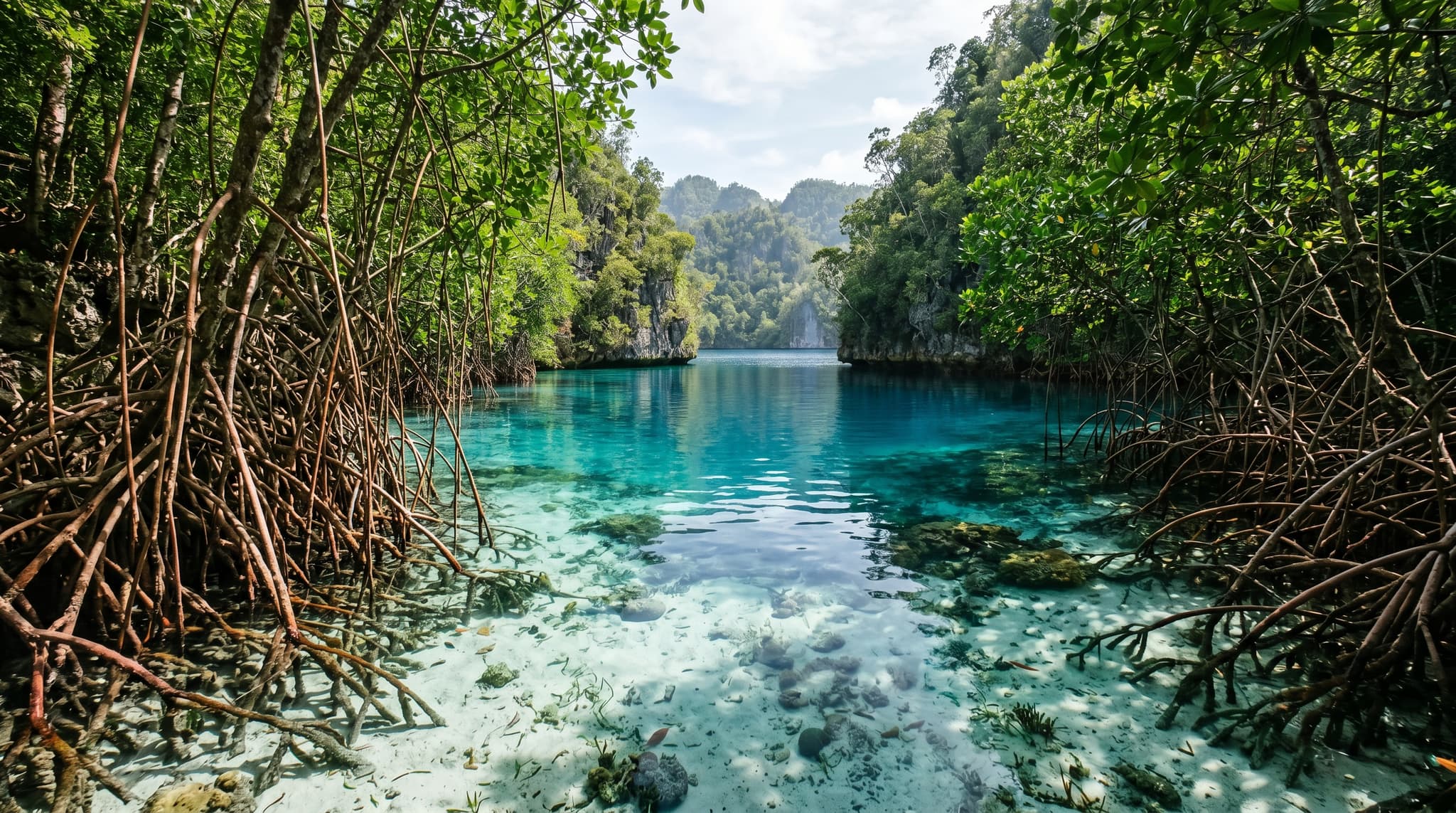
Blue Water Mangroves: Raja Ampat's Most Surreal Seascape

Dorey Homestay: Raja Ampat's Budget Beachfront on Mansuar
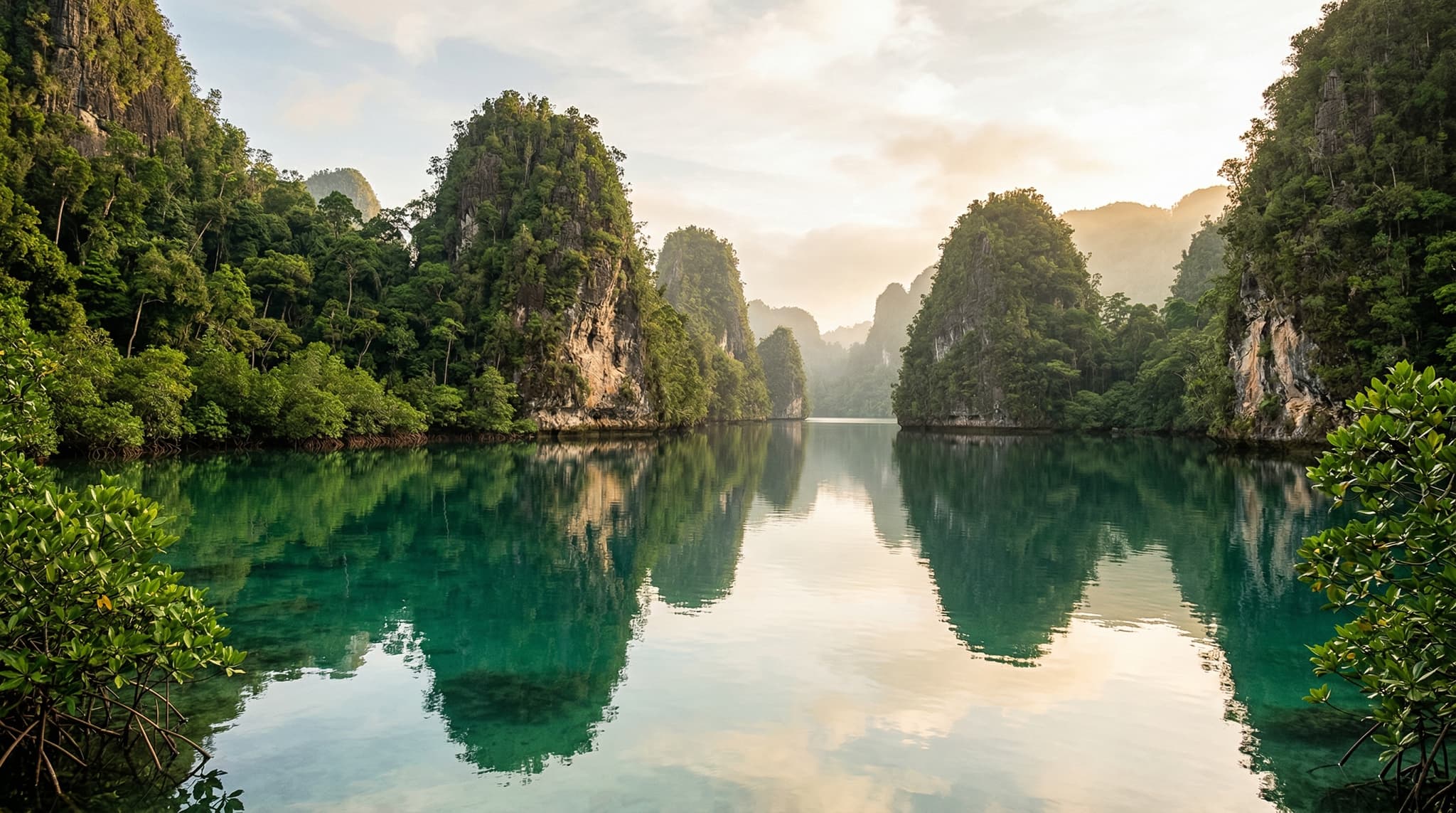
Kabui Bay: Paddling Raja Ampat's Karst Labyrinth
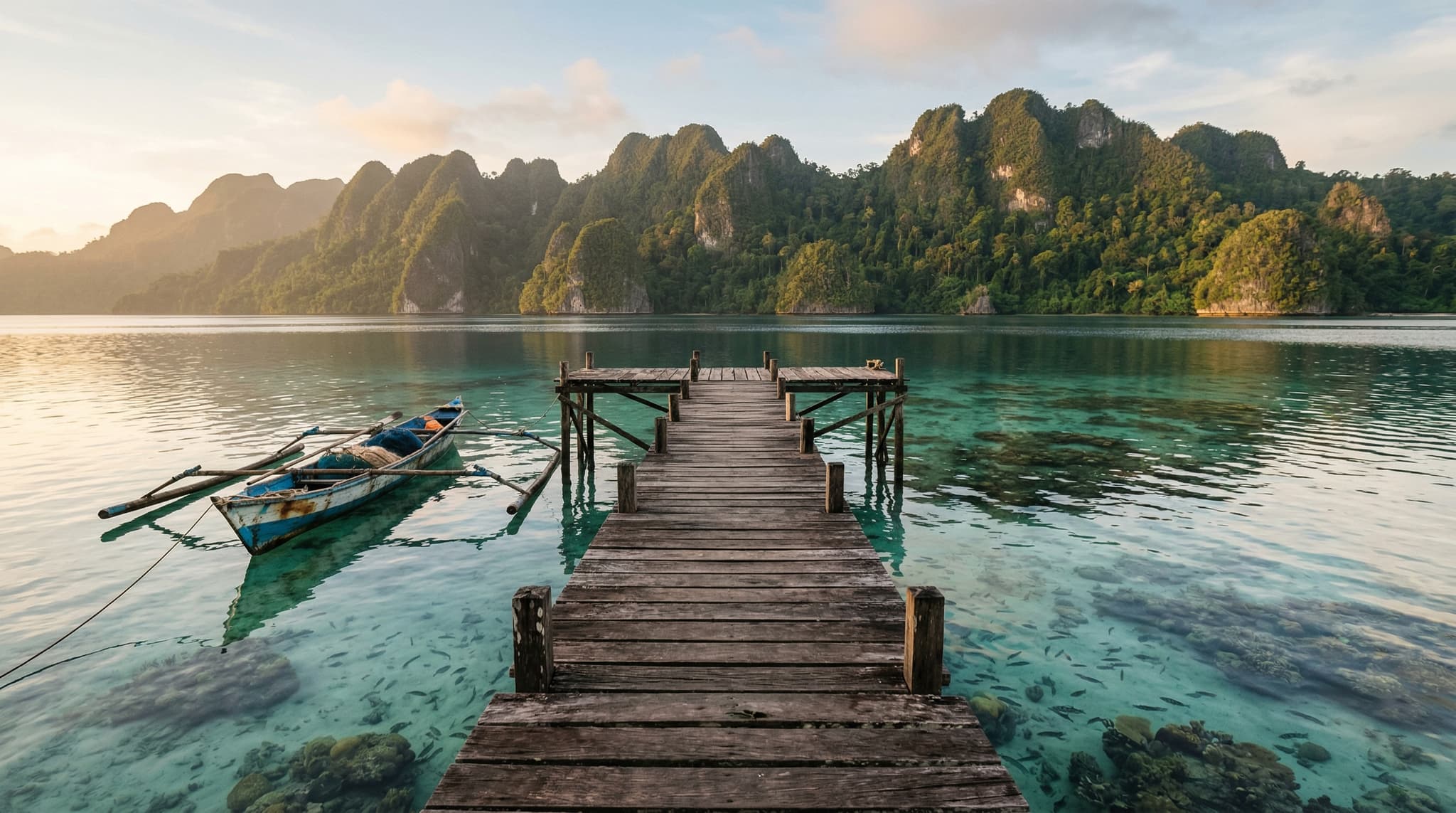
Saukorem Village: A Quiet Corner of Raja Ampat Most Travelers Miss
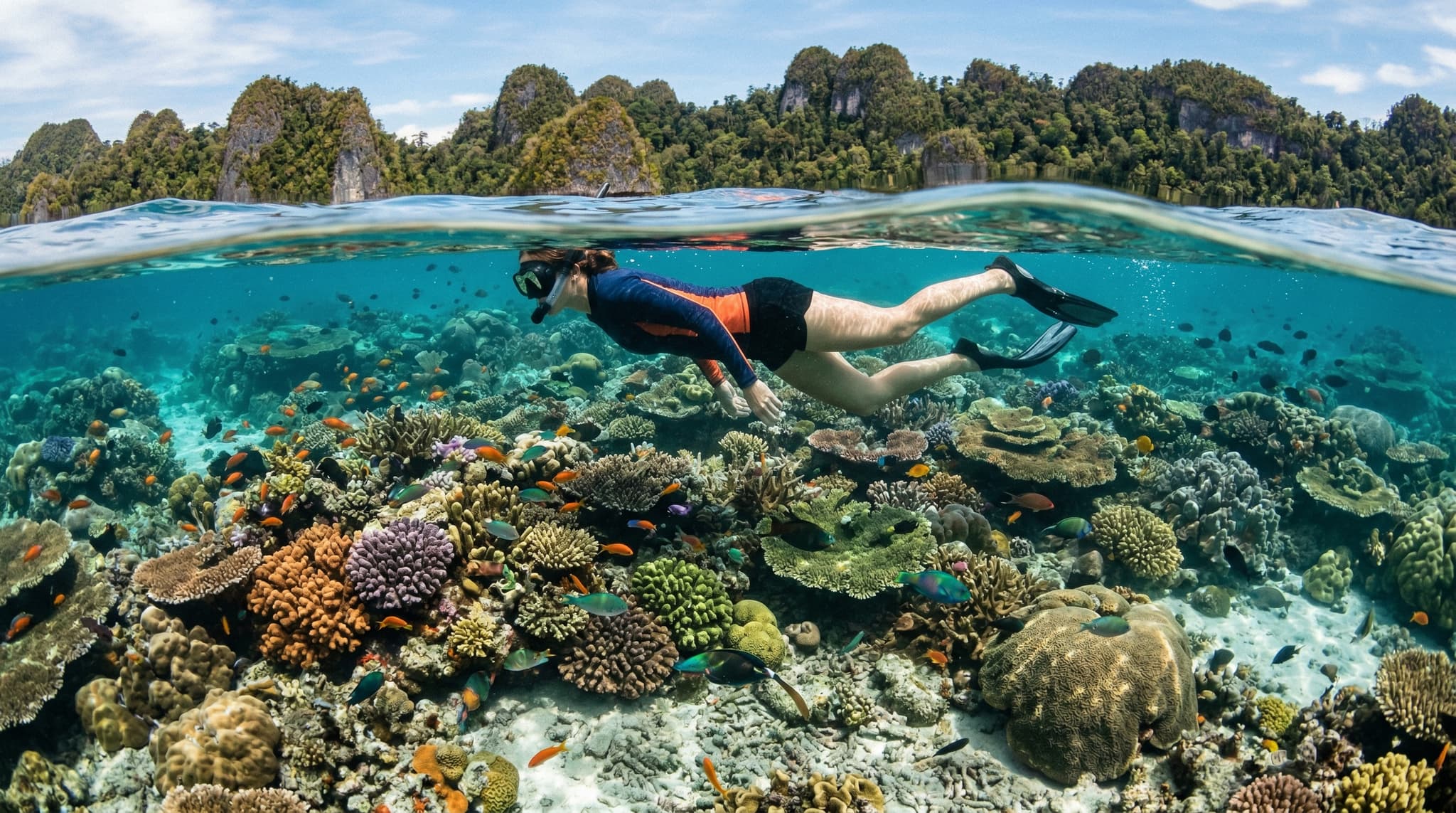
Dayang Island: Raja Ampat's Quiet, Reliable Snorkeling Destination

Pantai Saleo: A Quiet Shore on Raja Ampat's Forgotten Edge
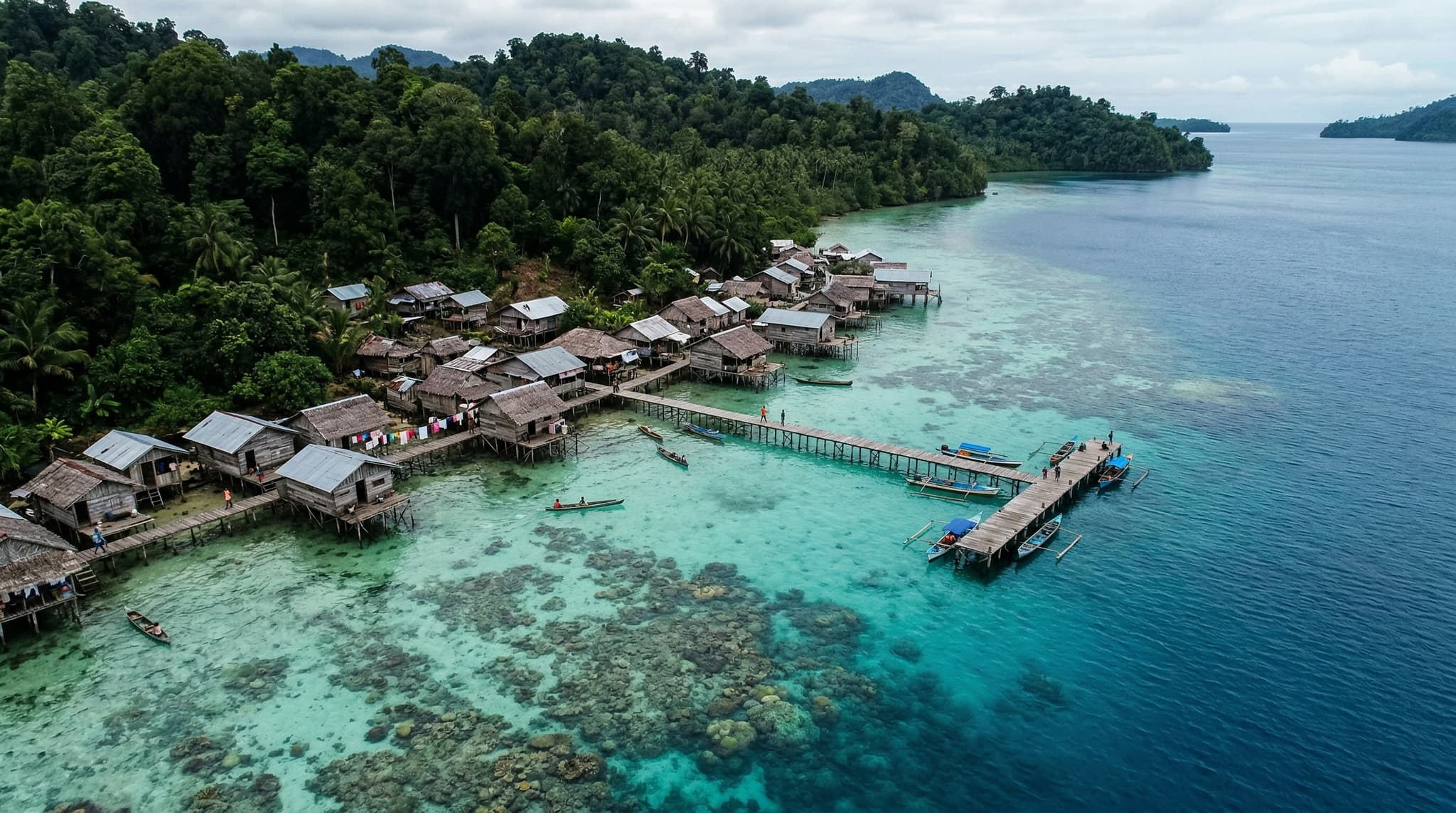
Sawandarek: A Village Where Raja Ampat's Reef Meets Its People
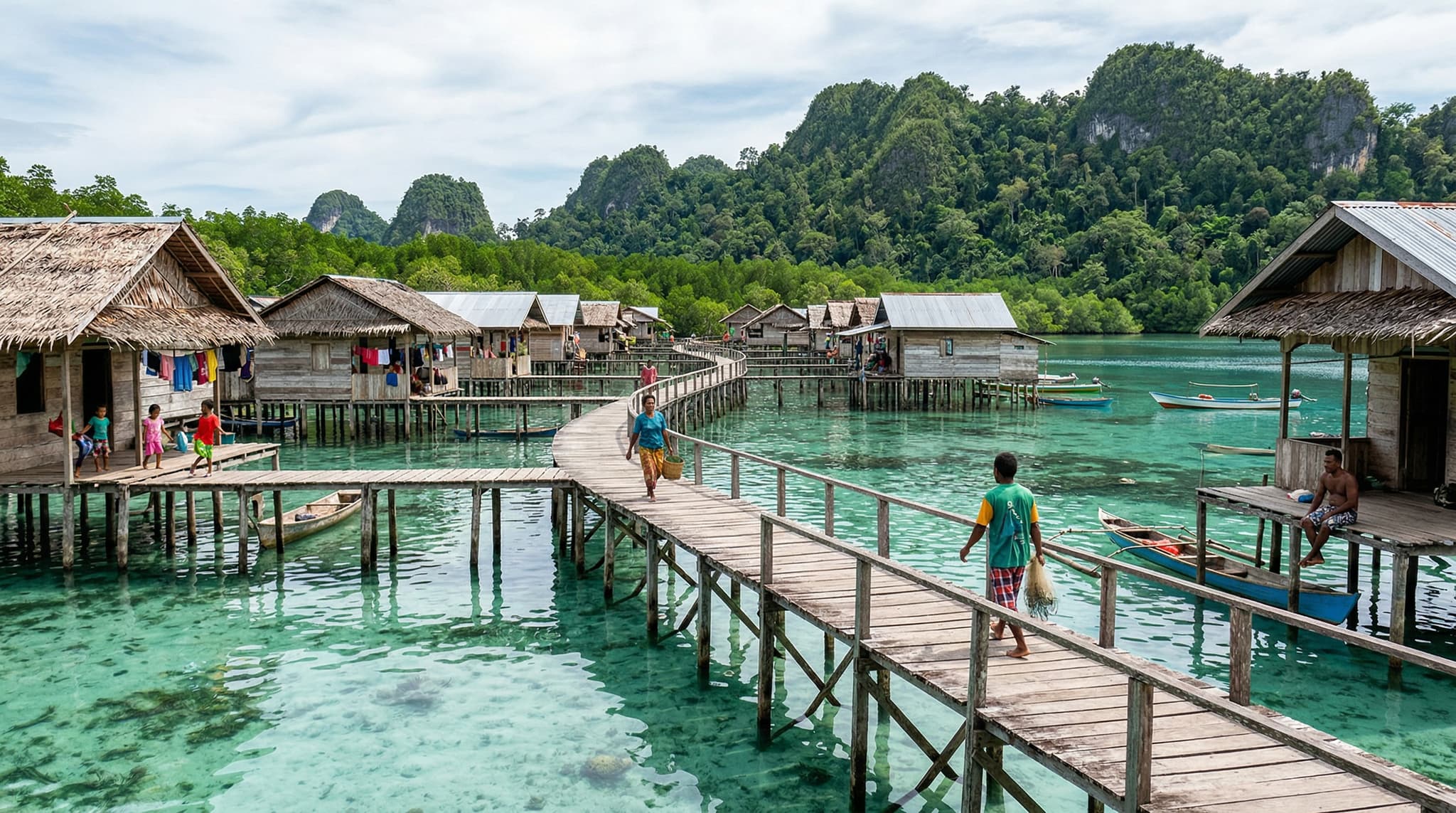
Sawinggrai Village: Where Raja Ampat Reveals Itself Slowly
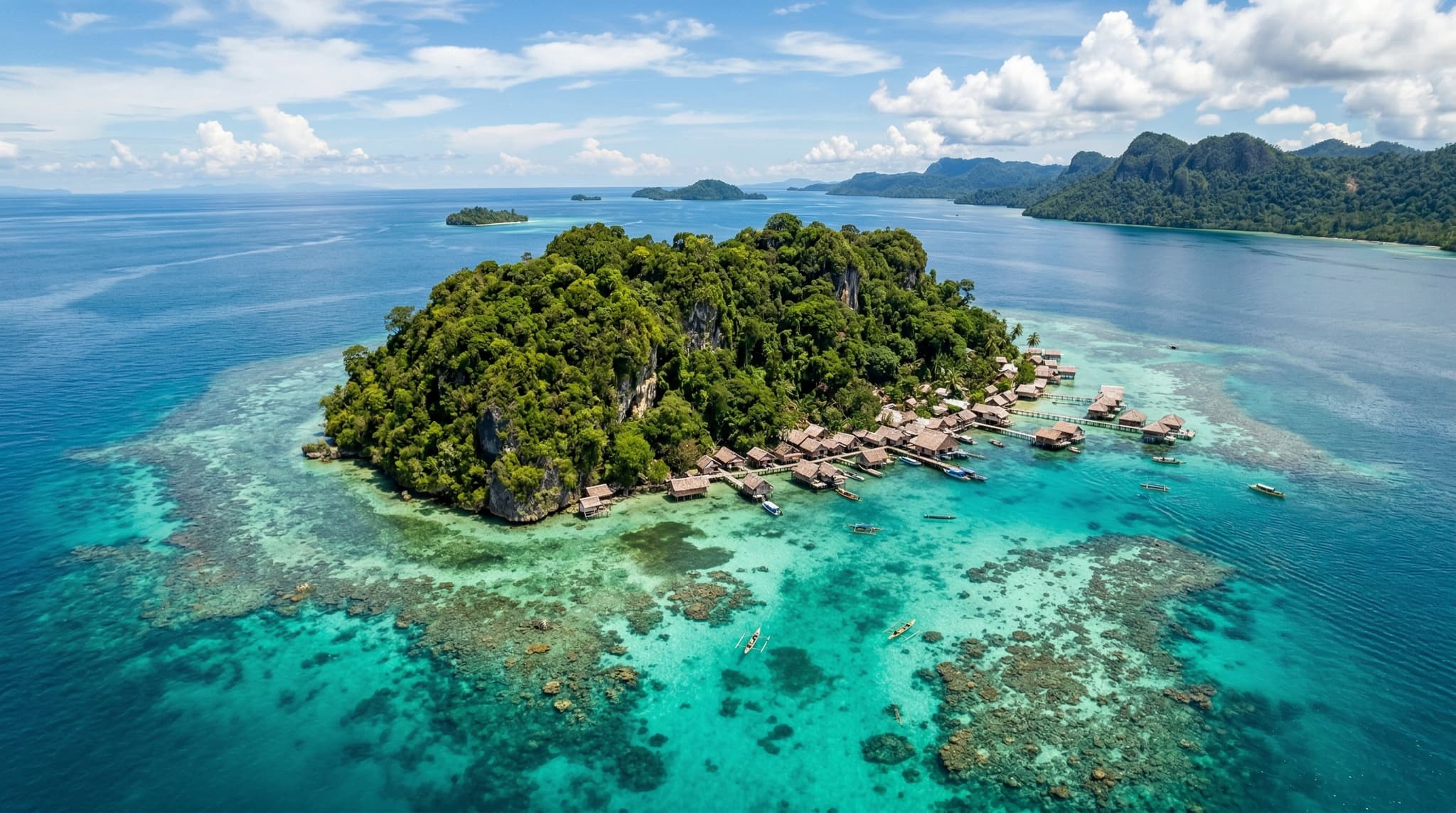
Friwen Island: Raja Ampat's Quiet Village on the Reef
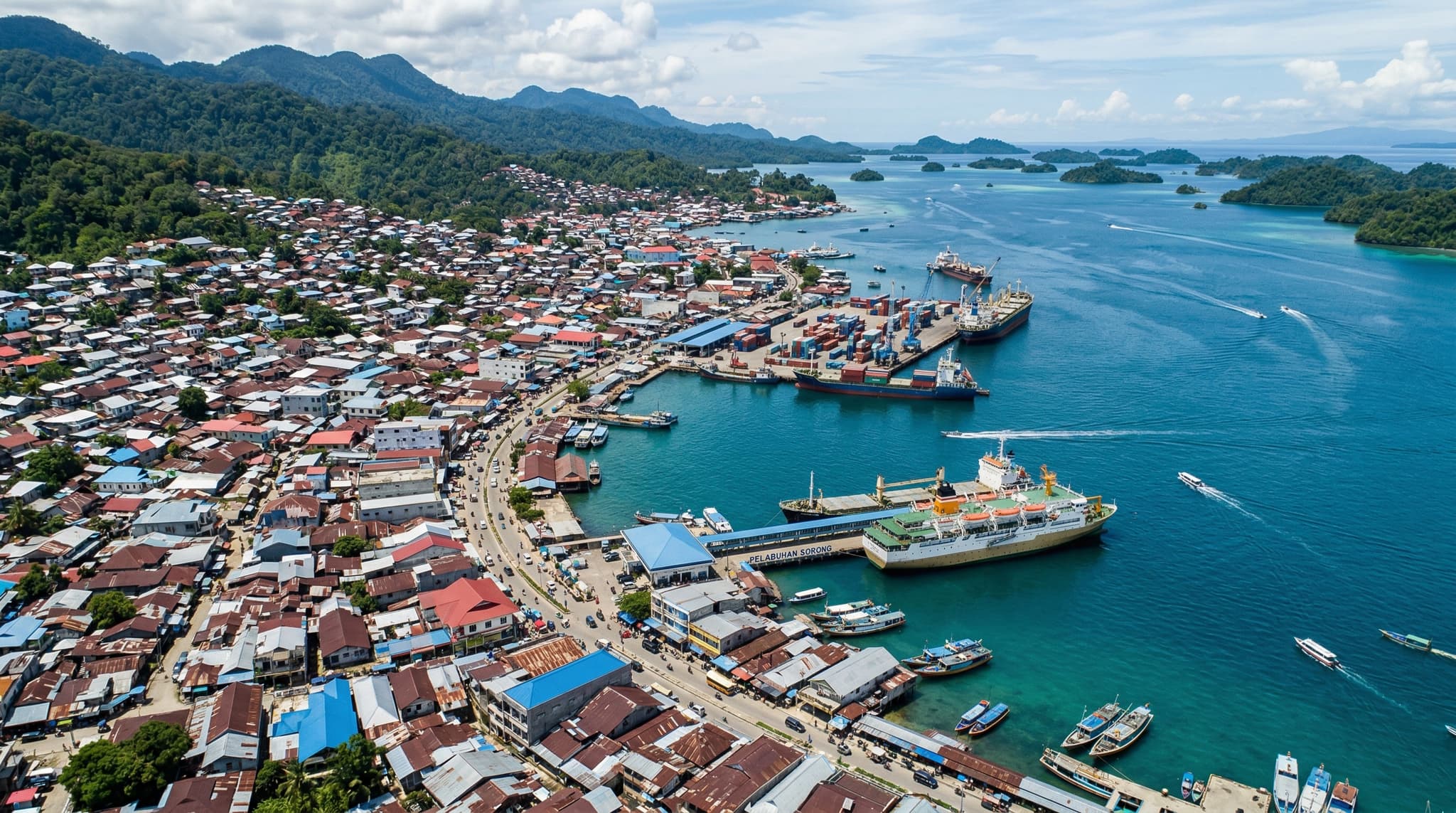
Sorong: The Gateway City Nobody Wants to Stay In (and Why You Might Reconsider)

Fam Islands: Raja Ampat's Karst Wonderland
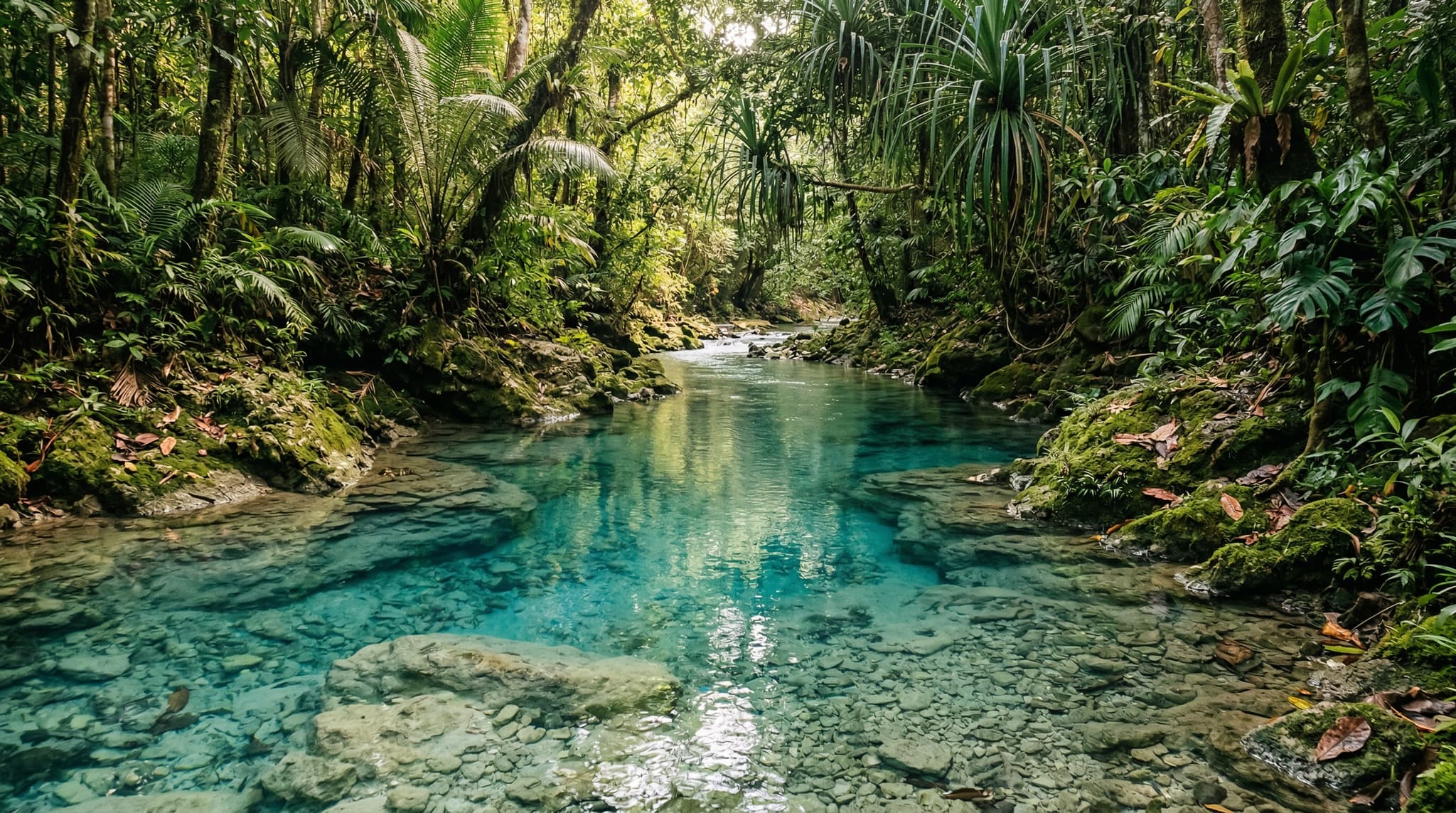
Kali Biru (Blue River): Raja Ampat's Hidden Freshwater Wonder

Kri Island: Raja Ampat's Original Dive Frontier
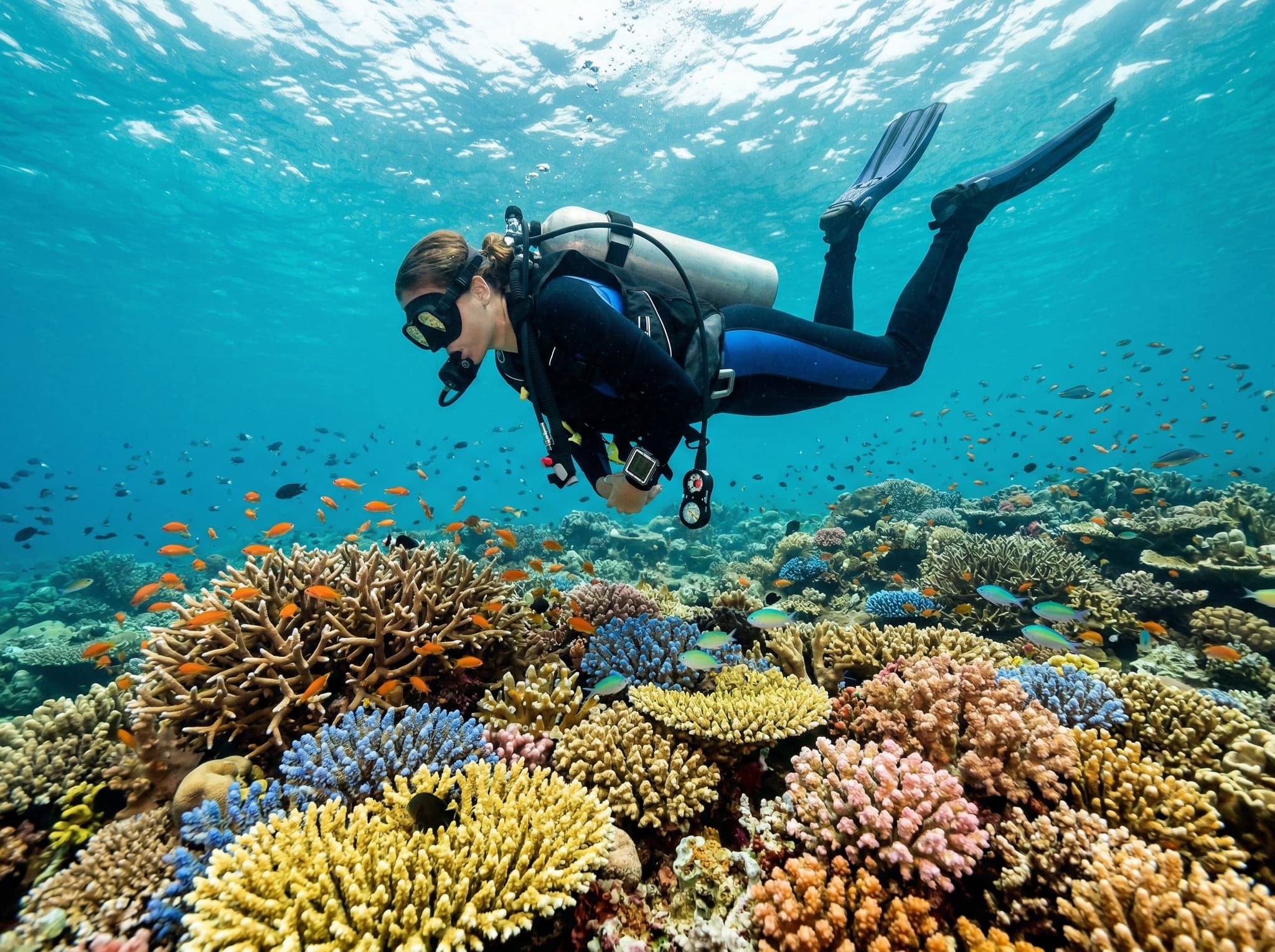
Melissa's Garden: Raja Ampat's Most Photogenic Reef (and One of Its Best)
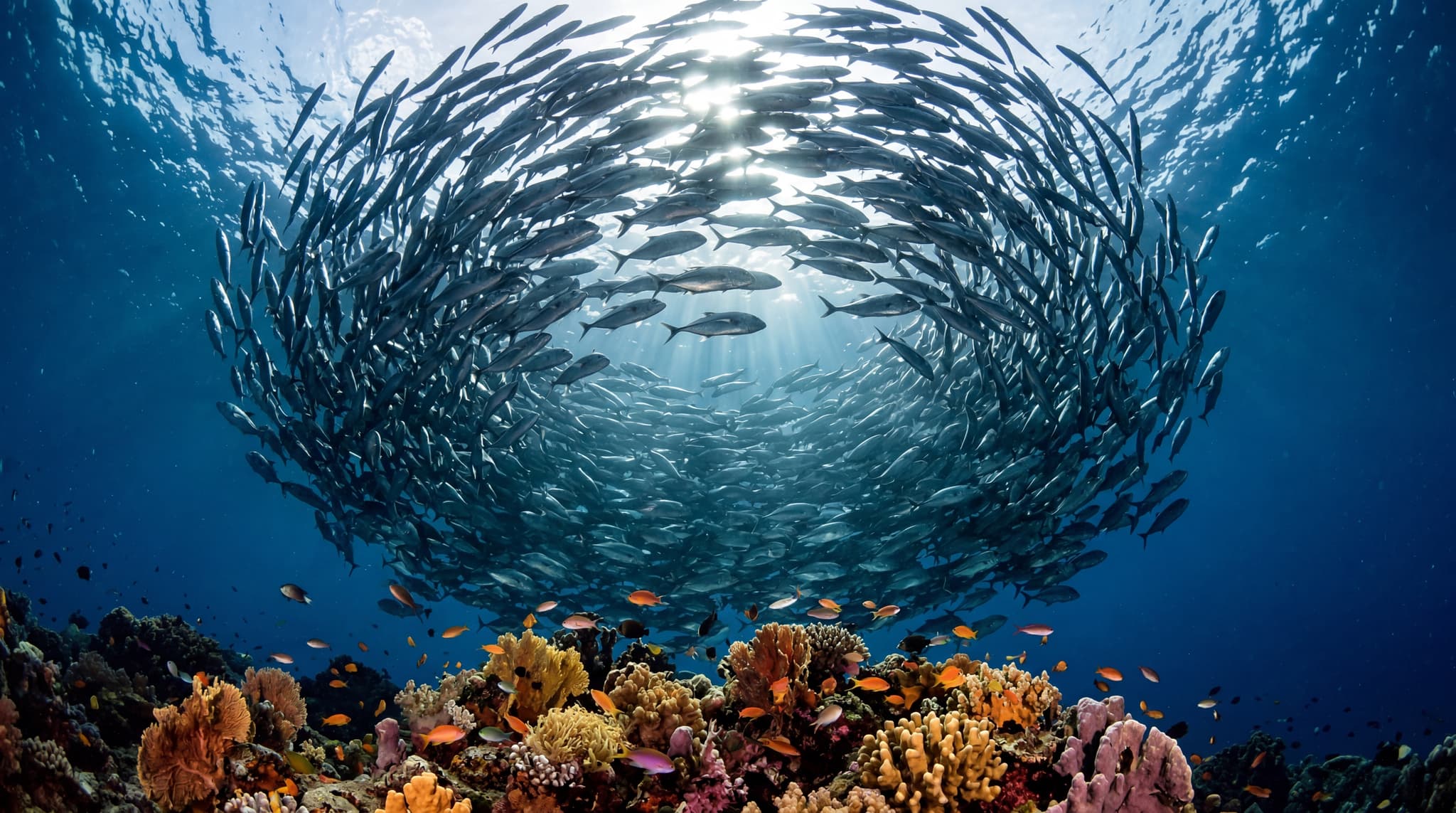
Cape Kri: The Richest Reef on Earth (And How to Actually Dive It)
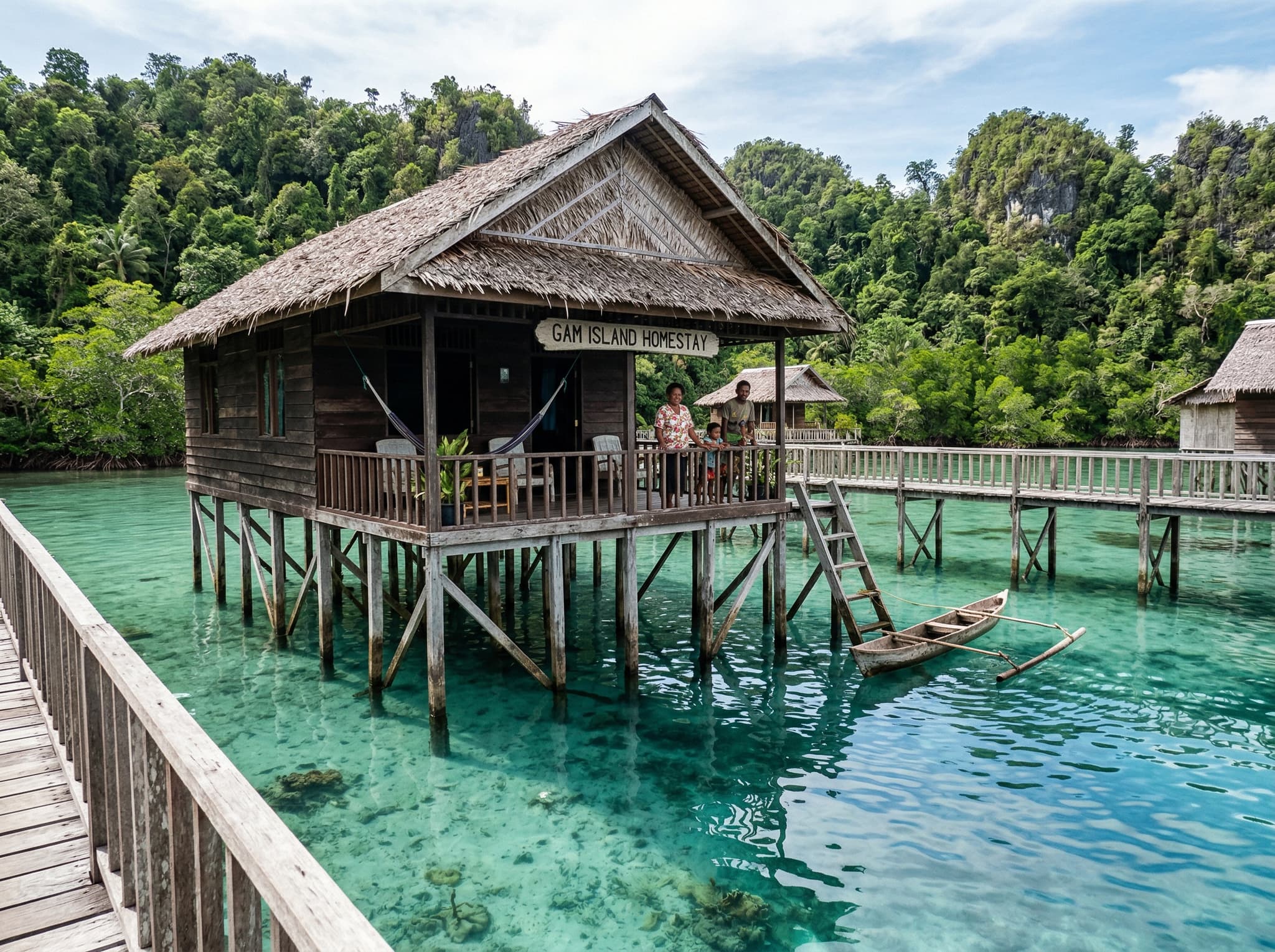
Gam Island: Raja Ampat's Quiet Heart

Manta Sandy: Raja Ampat's Best Manta Ray Dive Site
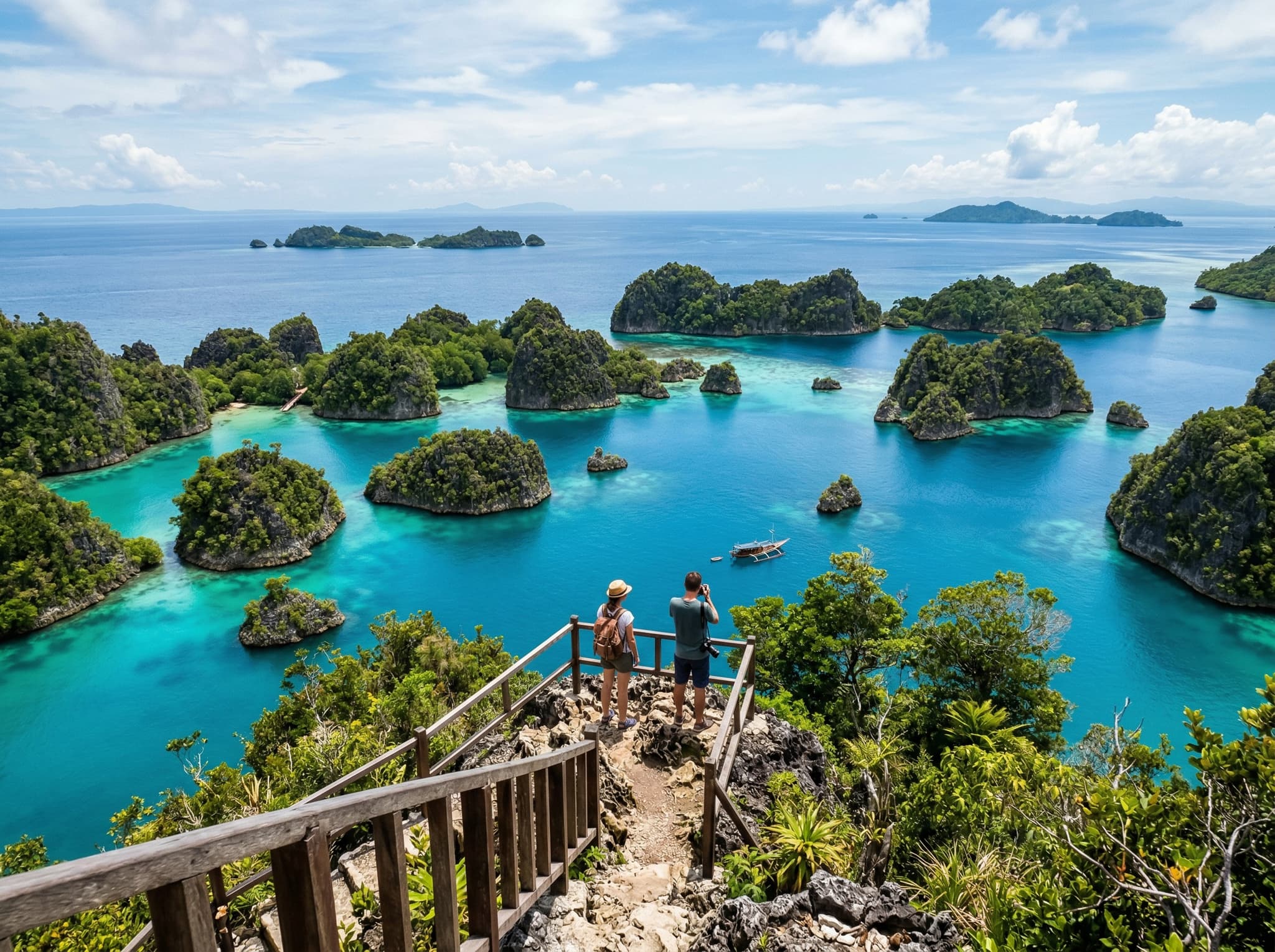
Mushroom Island: Raja Ampat's Most Photographed Karst Formation
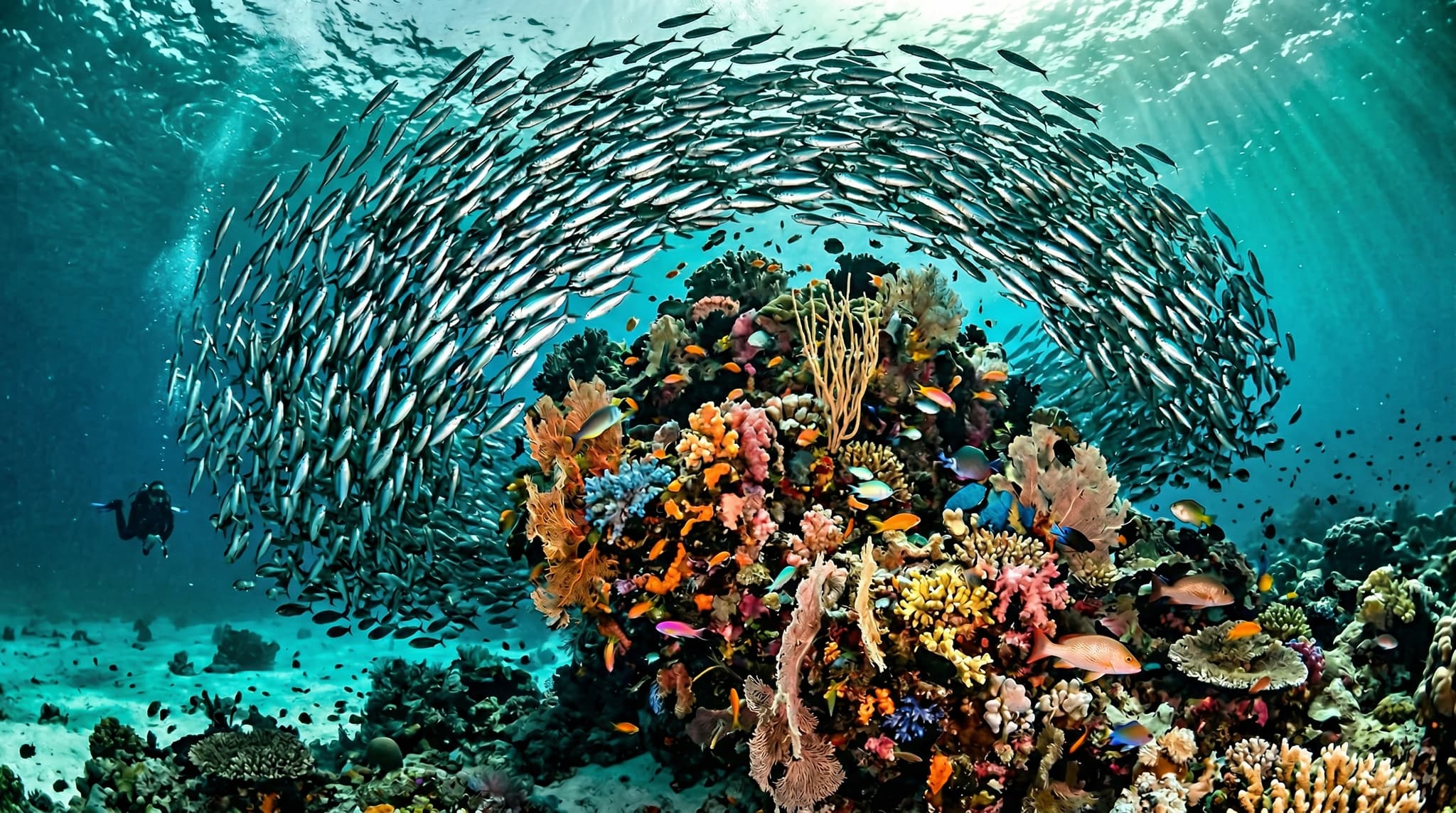
Sardine Reef: Raja Ampat's Underwater Wall of Life
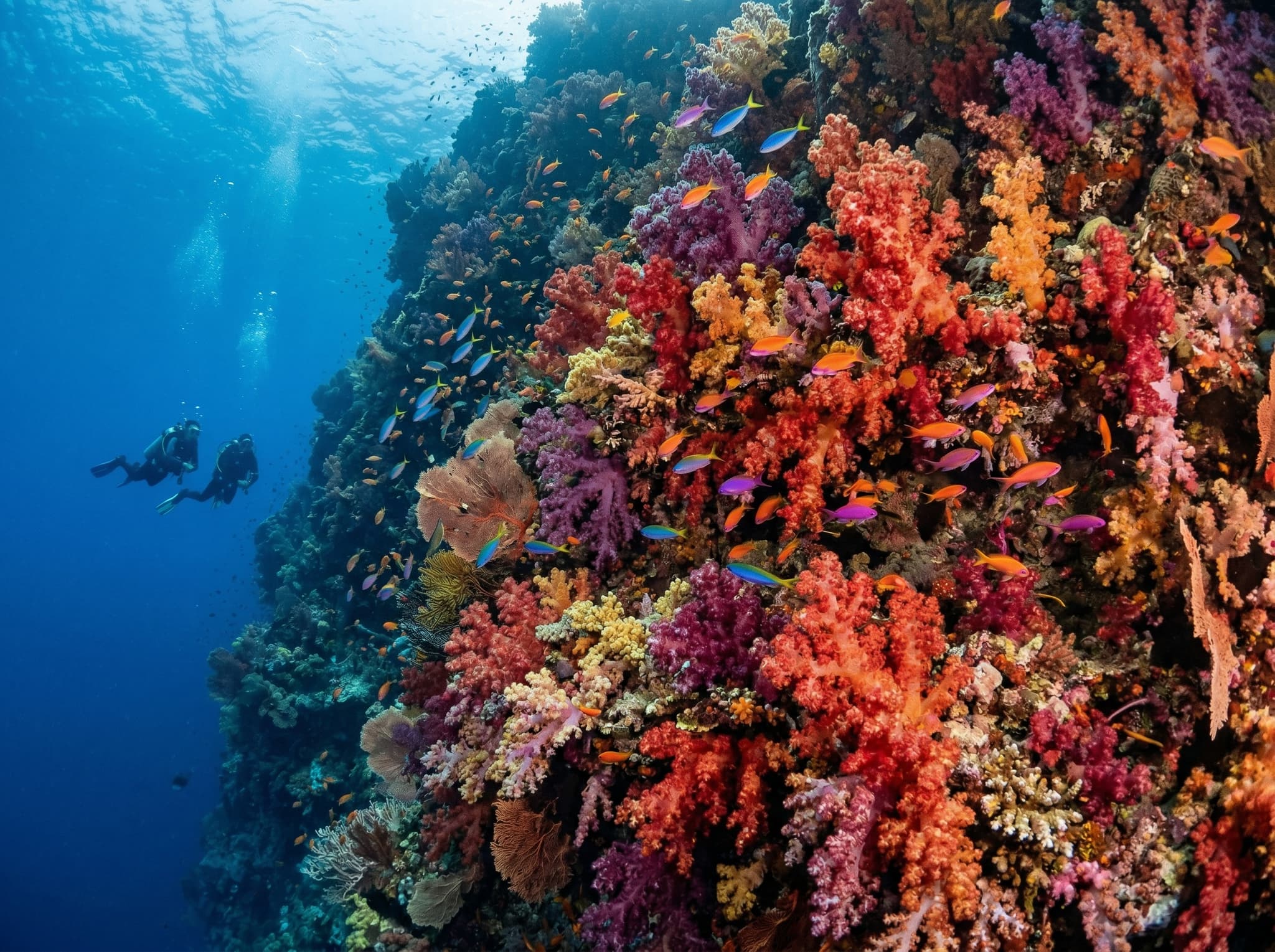
Boo Window: Raja Ampat's Most Photographed Dive Site
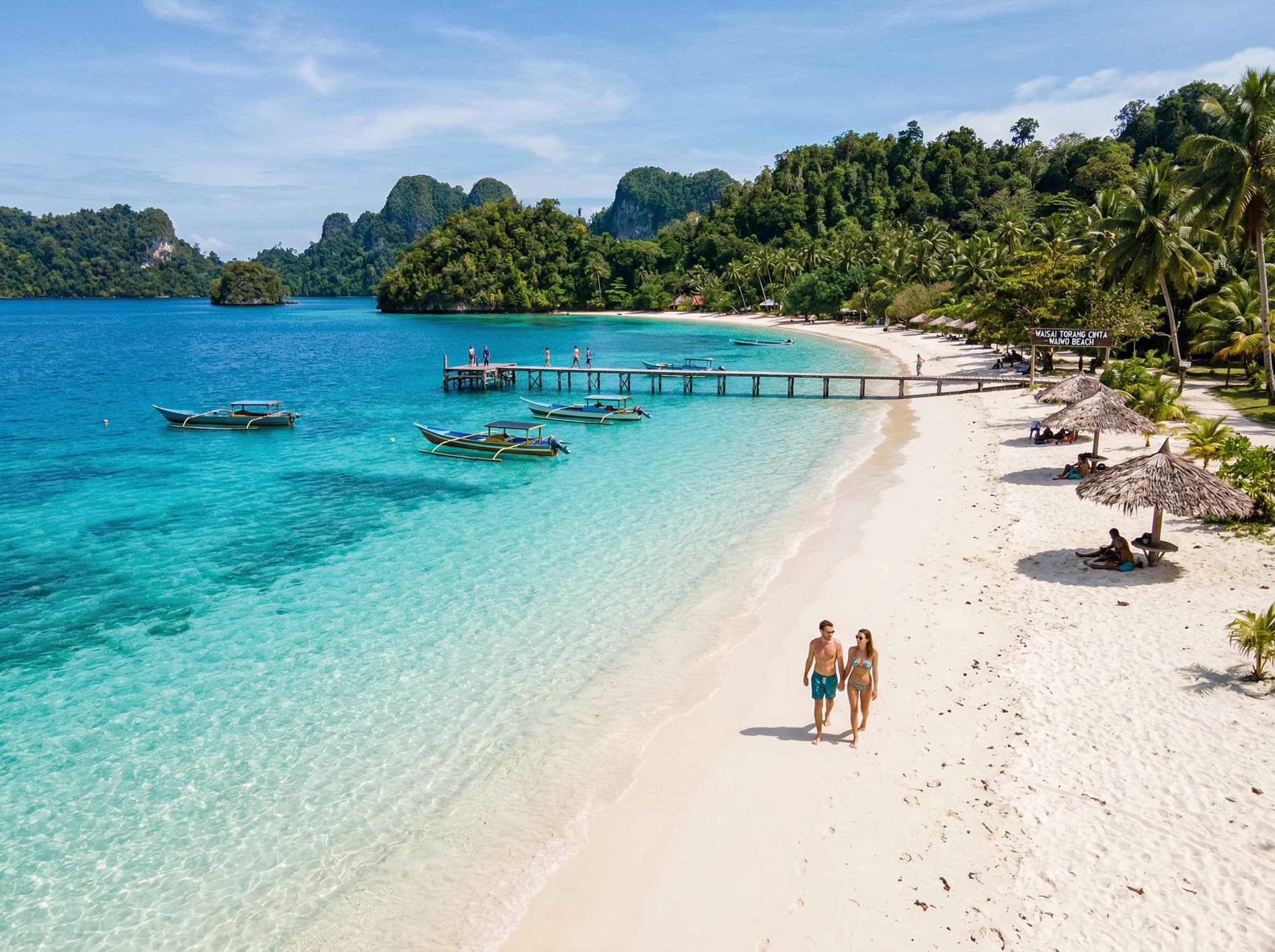
Waisai: The Gateway Town to Raja Ampat That Deserves More Than a Layover

Gam Channel: Raja Ampat's Most Accessible Underwater Wonder

Puncak Dafalen: Raja Ampat's Most Rewarding Viewpoint

Yeben Shallows: Raja Ampat's Hidden Snorkeling Paradise

5 Rocks (Batu Lima): Raja Ampat's Quietest Must-Dive Site
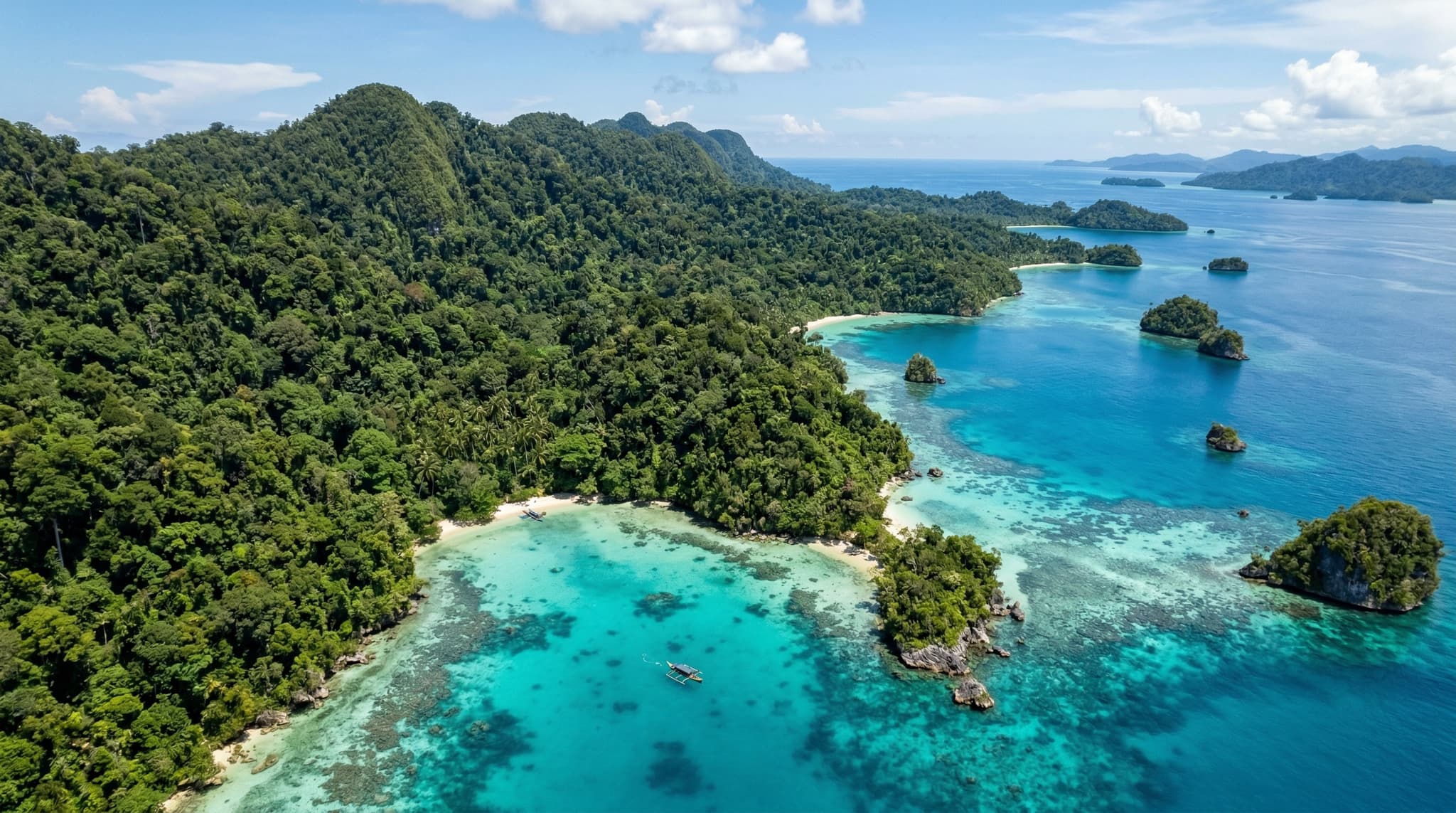
Batanta Island: Raja Ampat's Quiet Fourth Pillar
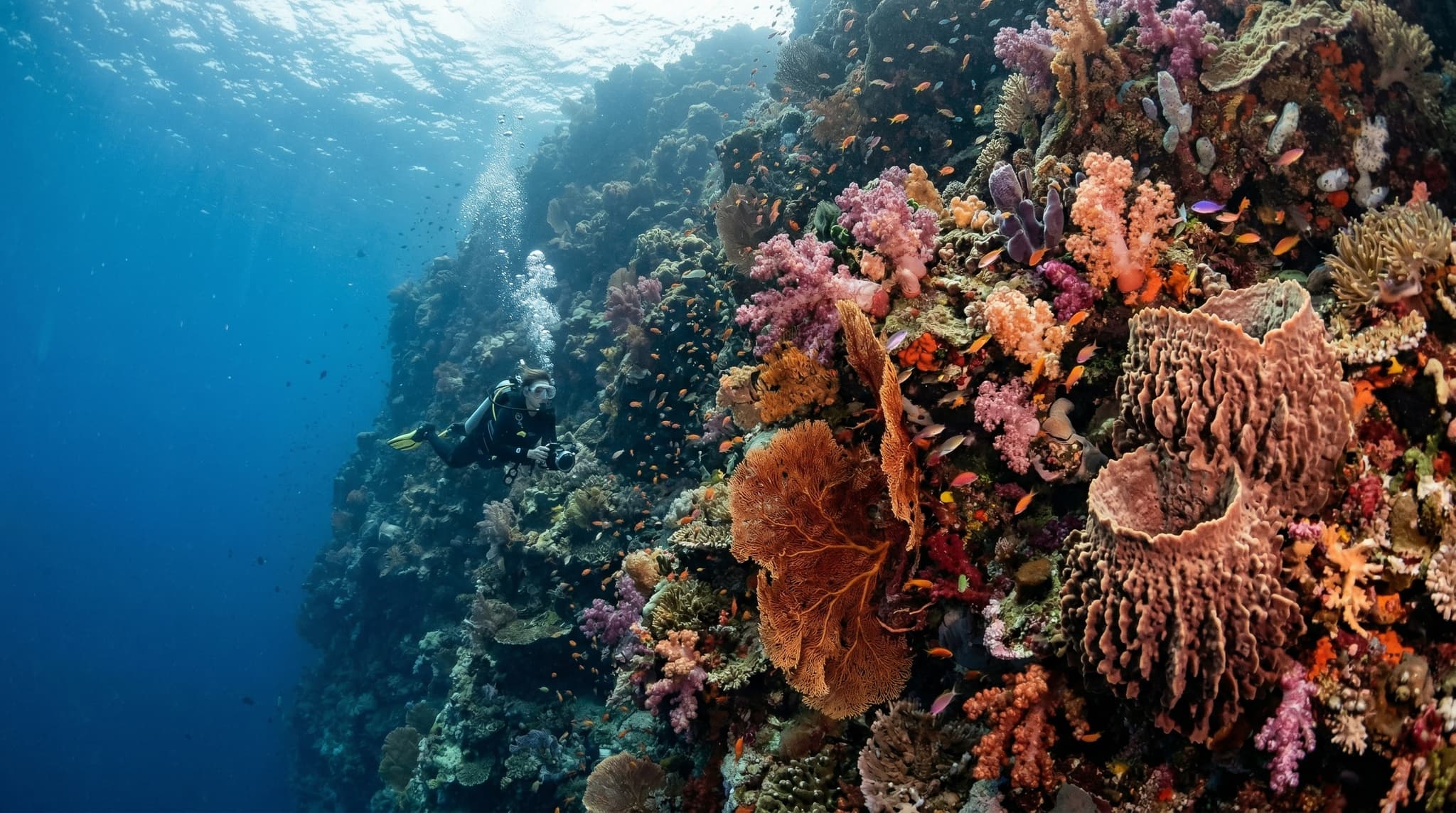
Friwen Wall: Raja Ampat's Most Underrated Dive Site

Manta Ridge: Raja Ampat's Best Manta Ray Dive Site

Misool: Raja Ampat's Quieter, Wilder South
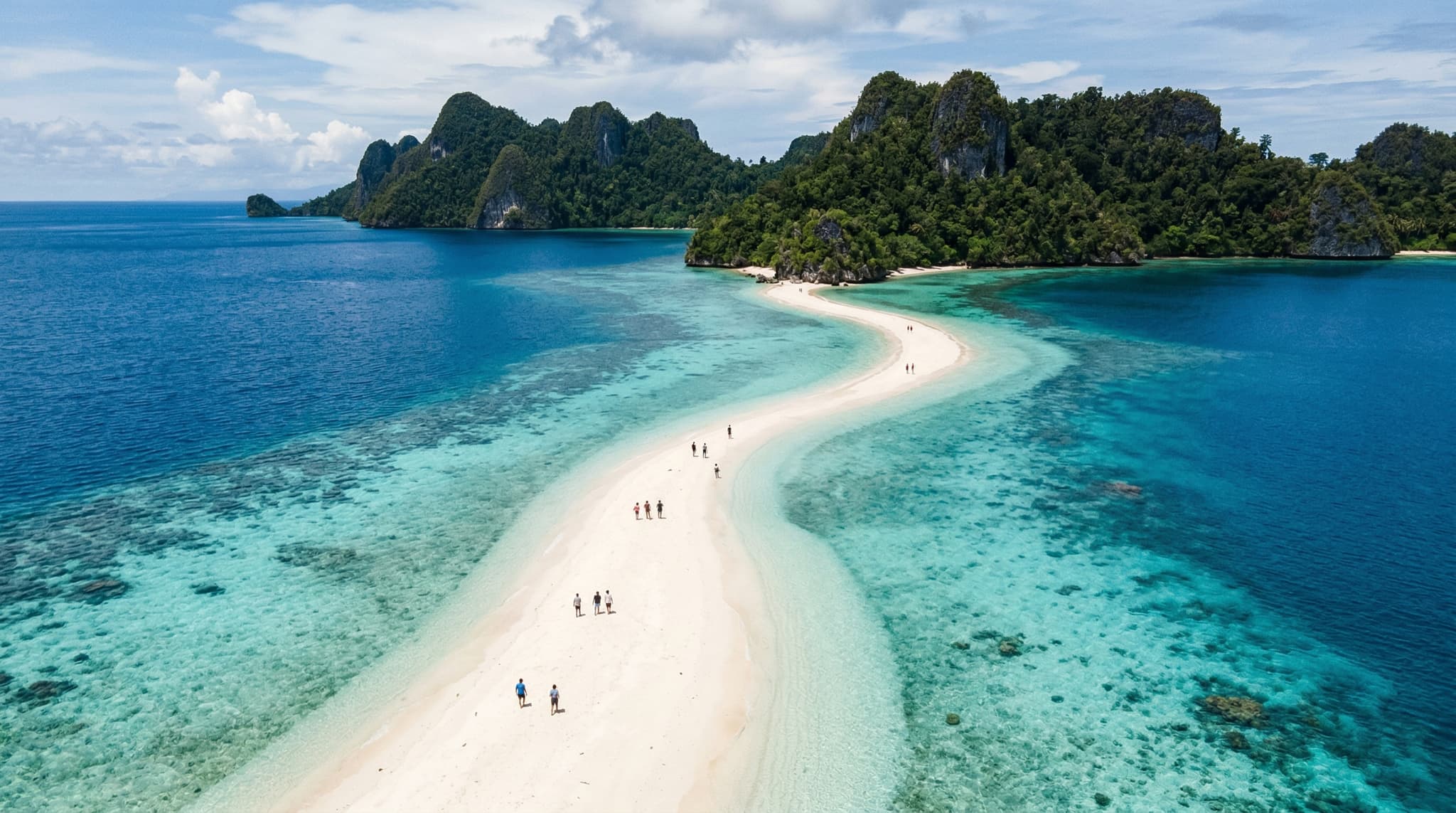
Pasir Timbul: Raja Ampat's Disappearing Sandbar
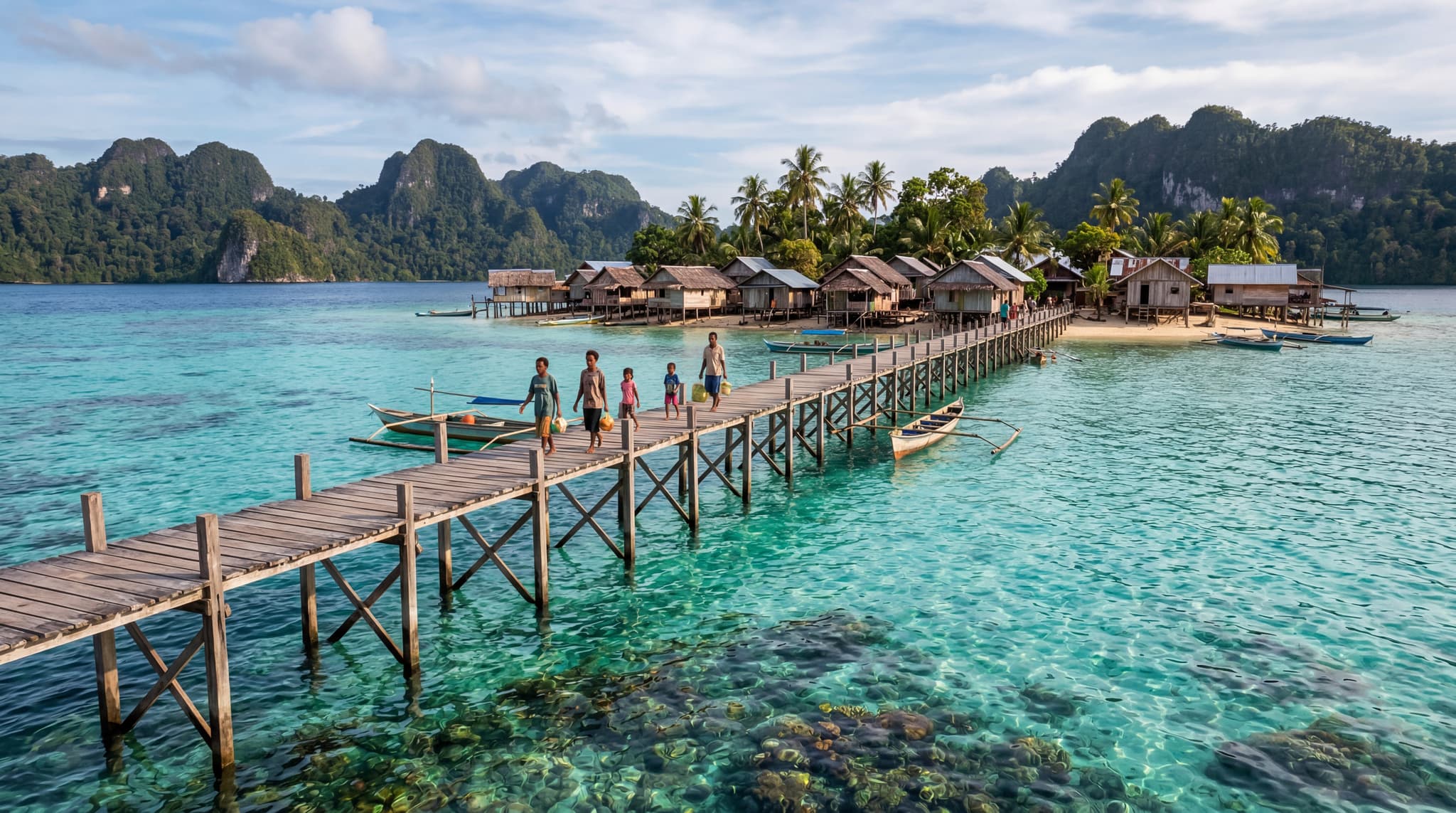
Arborek Village: Raja Ampat's Most Welcoming Doorstep to the Reef

Blue Magic: Raja Ampat's Most Electrifying Dive Site

Dampier Strait: Raja Ampat's Best Diving Corridor
Raja Ampat is Perfect For
Latest Articles
Tau Yado Homestay: What to Know Before Booking This Gam Island Stay
Nudi Rock: Macro Diving in Raja Ampat's Misool Region
Batu Pensil: Raja Ampat's Pencil-Shaped Rock Rising from Kabui Bay
Saporkren Village: Raja Ampat's Window to the Wilson's Bird of Paradise
Waigeo Island: Gateway to Raja Ampat's Wildest Corner