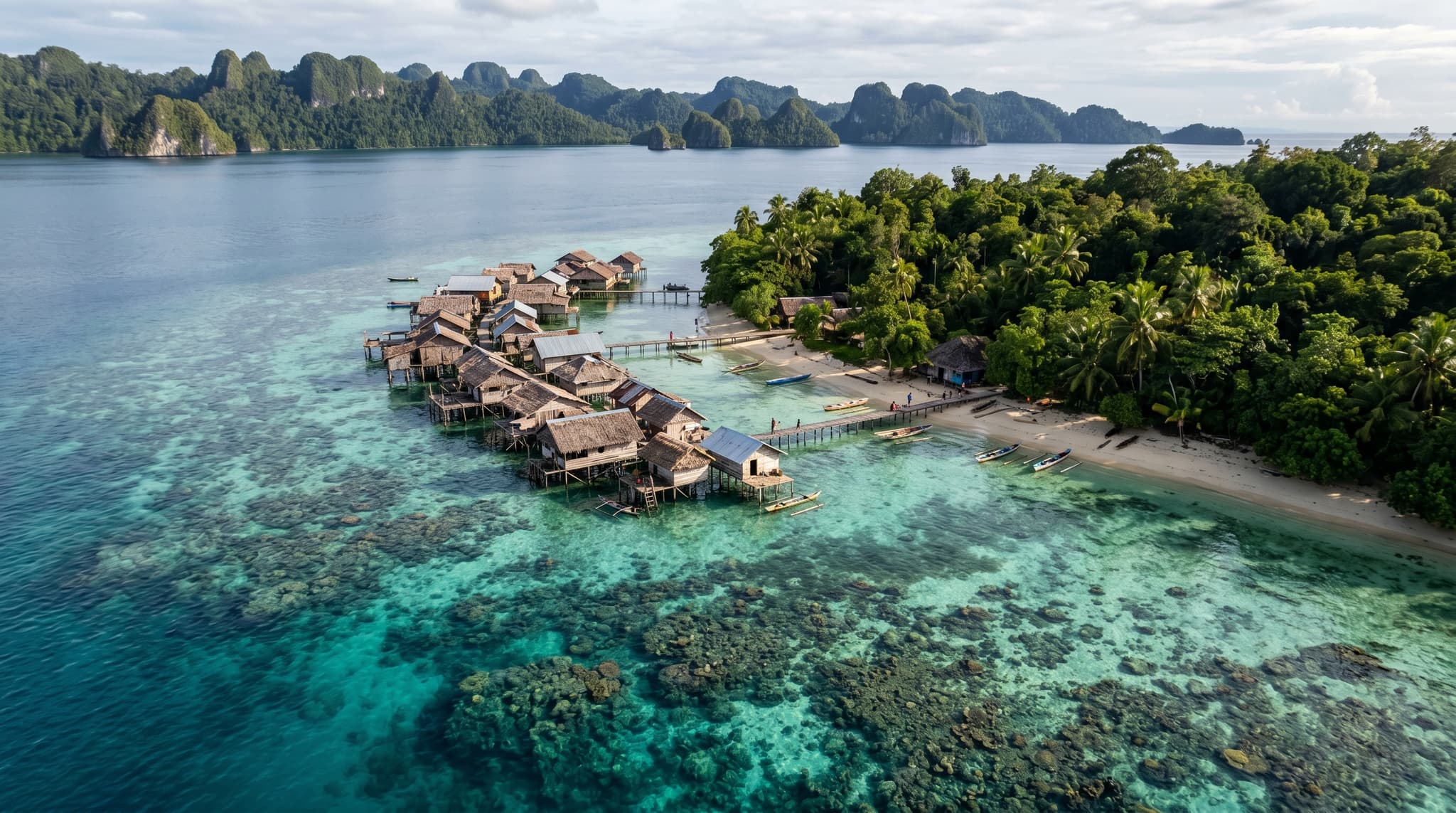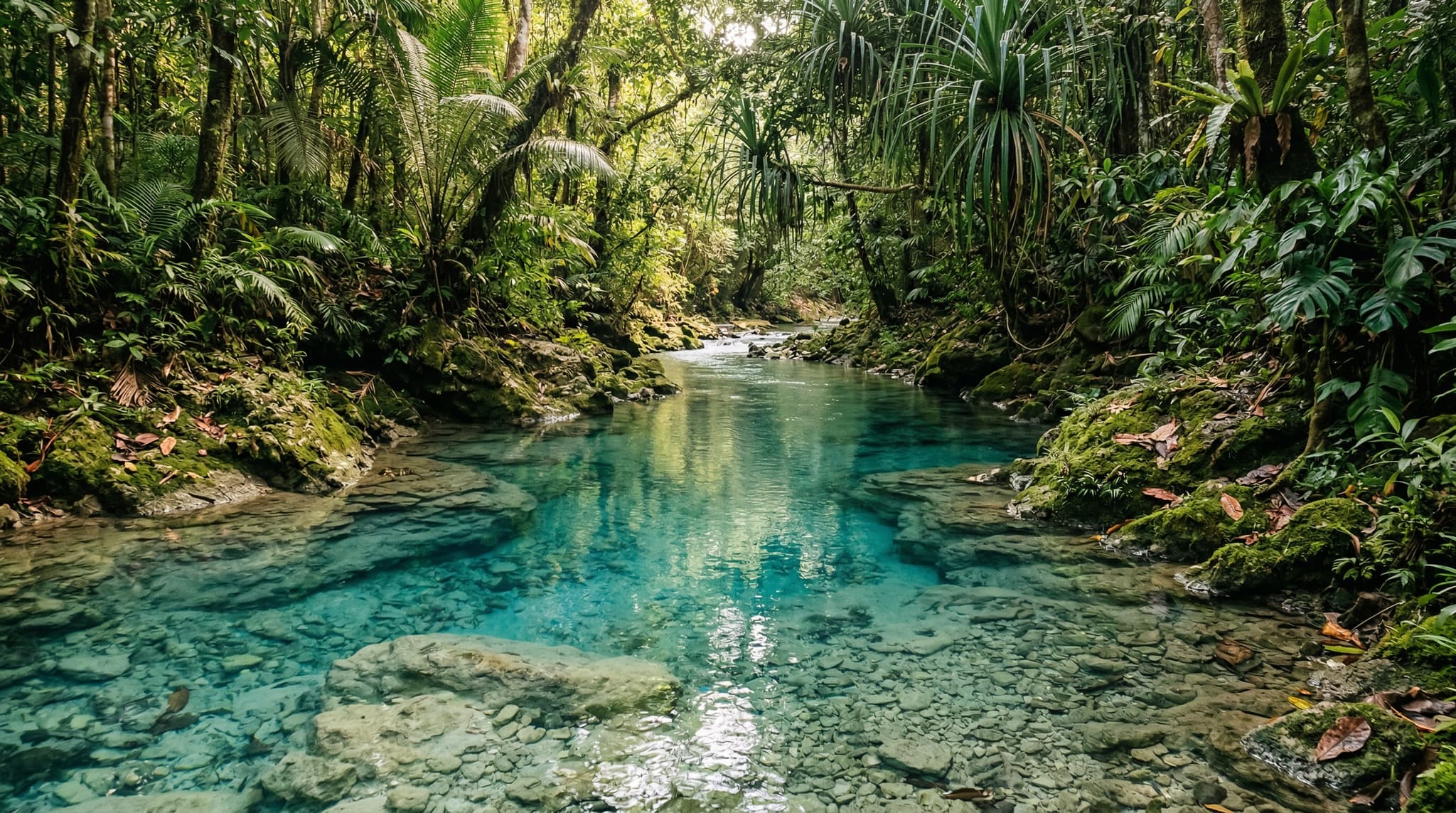
Kali Biru on Waigeo Island is a vivid blue limestone river hidden in Raja Ampat's jungle interior — here's why it looks like that and how to visit.
Raja Ampat is famous for what's underwater — the richest marine biodiversity on the planet, coral reefs that make marine biologists weep with joy, manta rays gliding through channels like slow-motion birds. But one of the archipelago's most striking sights has nothing to do with saltwater. Kali Biru, the Blue River, is a freshwater stream on Waigeo Island where limestone geology and dense jungle canopy conspire to turn a shallow river into something that looks digitally enhanced.
It isn't. The water really is that blue.
Why the Water Looks Like That
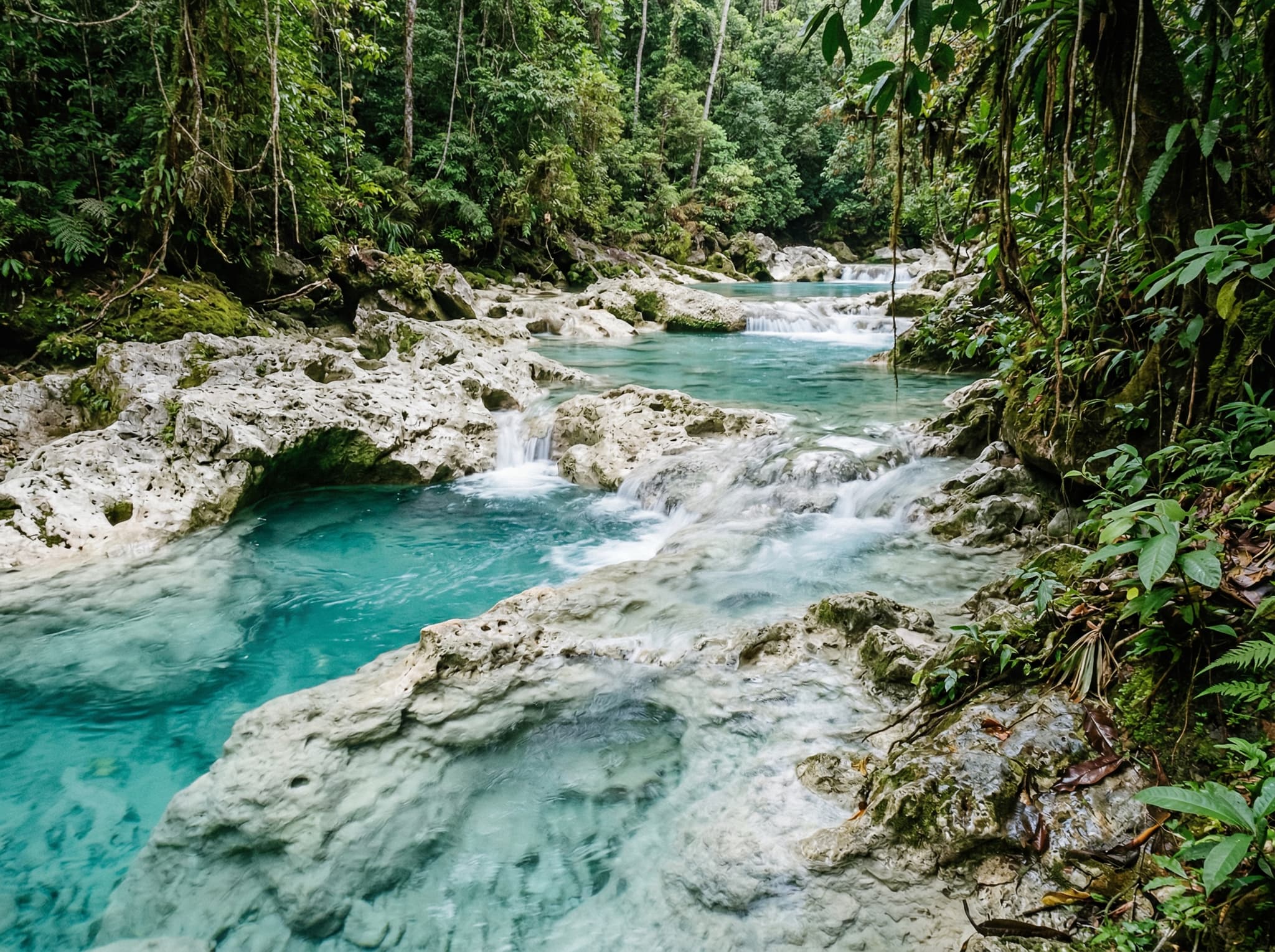
The color comes from the same geological principle that produces turquoise lakes in places like Plitvice in Croatia or Havasu Creek in Arizona: calcium carbonate. Kali Biru flows through karst limestone terrain — the same porous, ancient rock that defines much of Waigeo's interior. As the water moves over and through this limestone, it picks up dissolved calcium carbonate, which scatters sunlight and absorbs the red end of the spectrum. The result is a vivid, almost electric blue-green that shifts depending on the angle of the light filtering through the jungle overhead.
The effect is strongest when the water is calm and the sun is high. On overcast days or after heavy rain, the color softens — still striking, but less otherworldly. This matters for planning: if you're making the trip specifically for the blue water, aim for a clear morning.
Getting There
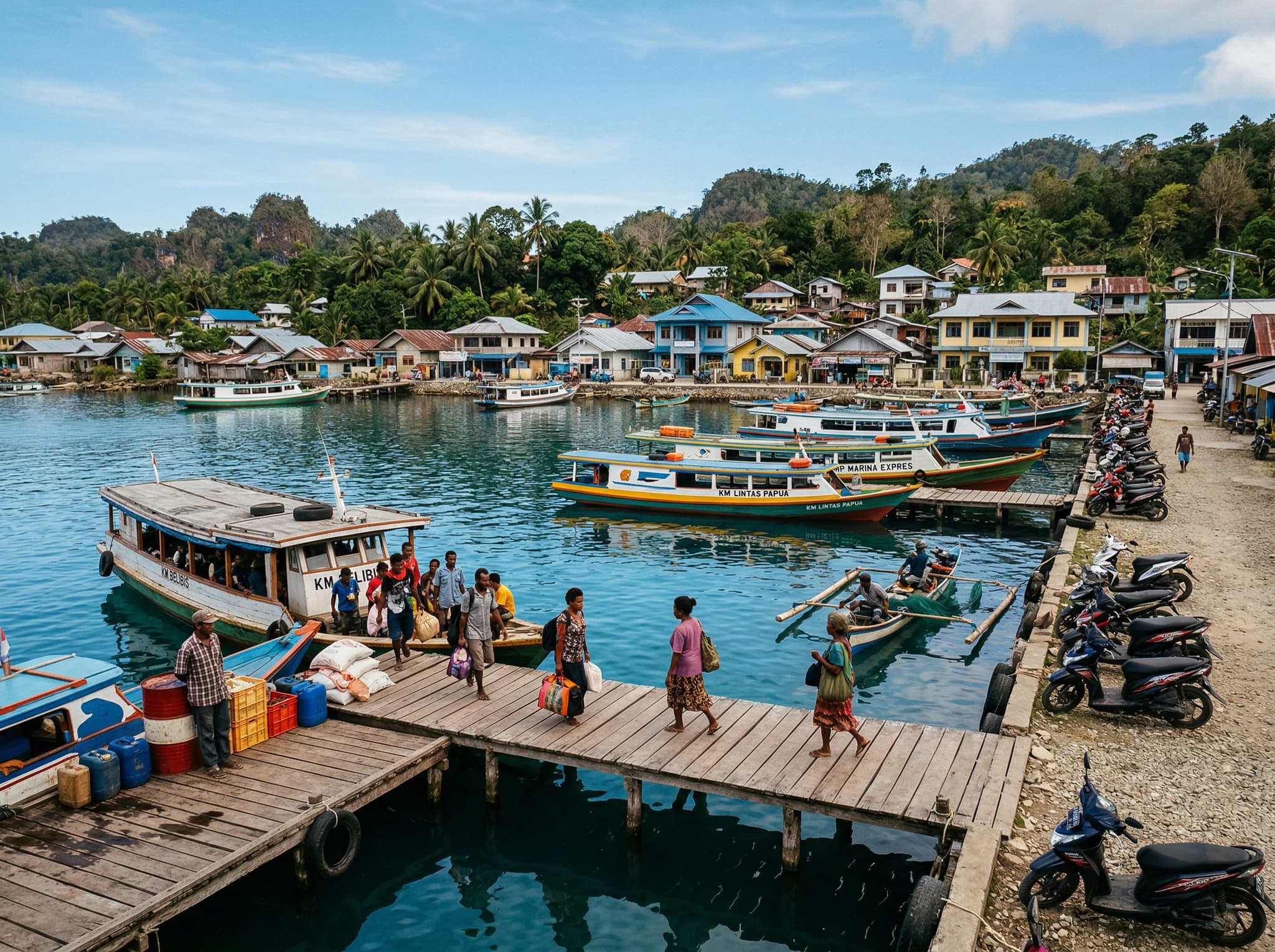
Kali Biru sits in the interior of Waigeo, the largest island in the Raja Ampat archipelago. Most visitors to Raja Ampat base themselves in or near Waisai, the regency capital on Waigeo's southern coast, or on one of the many homestays scattered across smaller islands.
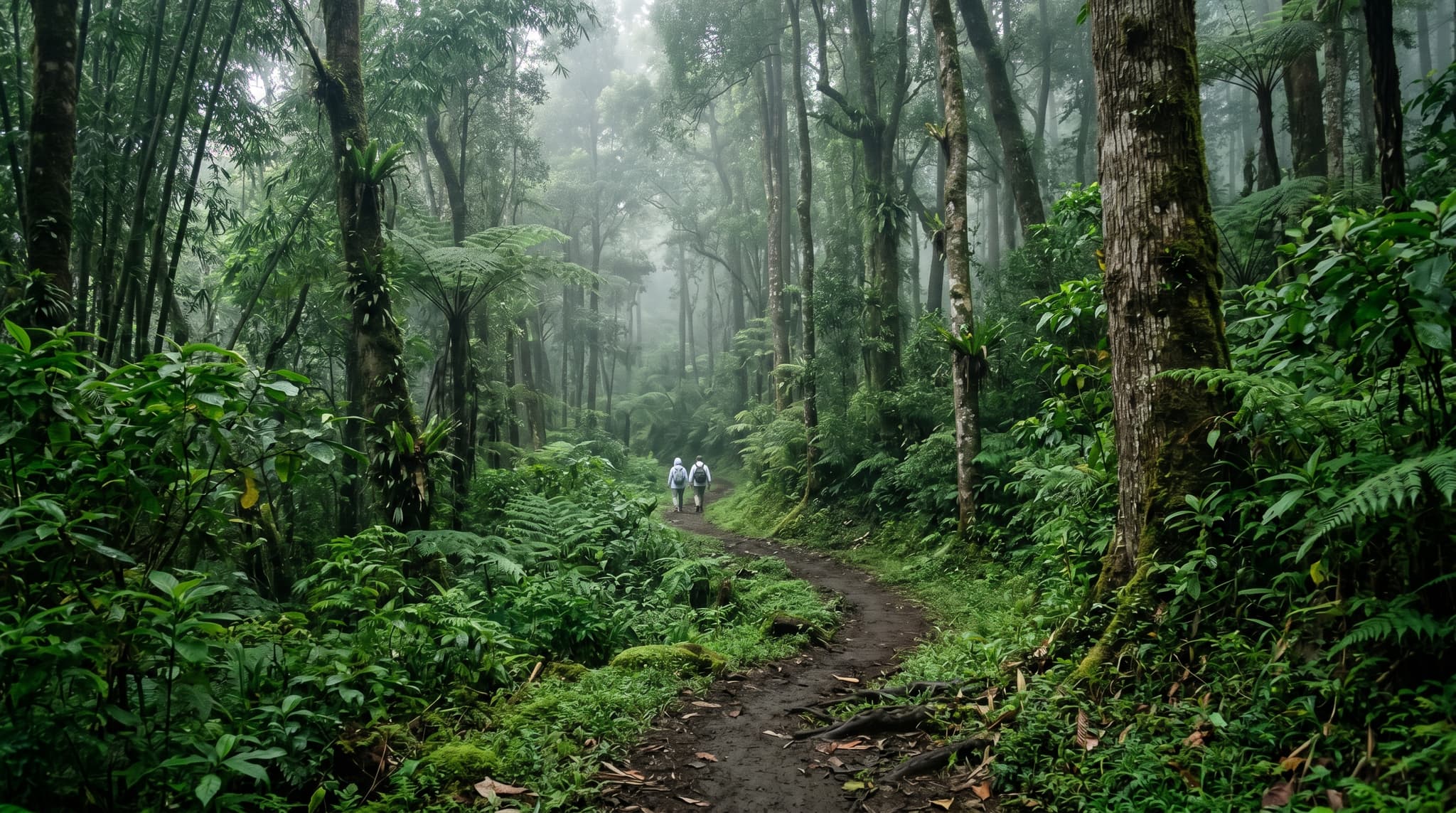
From Waisai, reaching Kali Biru typically involves a combination of road travel and a short trek. The river is located in the village area of Sawingrai or accessed via routes near Kabui Bay, depending on which local operator arranges the trip. Road conditions on Waigeo range from paved to deeply unpaved, and the final approach involves walking through forest — not a grueling hike, but enough to warrant proper shoes rather than flip-flops.
Getting to Kali Biru
From Waisai
1–2 hours by road + short trek
Transport
Arranged through homestay or local guide
Difficulty
Easy to moderate (short jungle walk)
Footwear
Closed-toe shoes or sturdy sandals recommended
A local guide is effectively required — not just for navigation, but because access runs through community-managed land. This is standard practice across Raja Ampat, where villages manage tourism within their traditional territories. Your homestay host can typically arrange a guide and transport as a package.
What to Expect
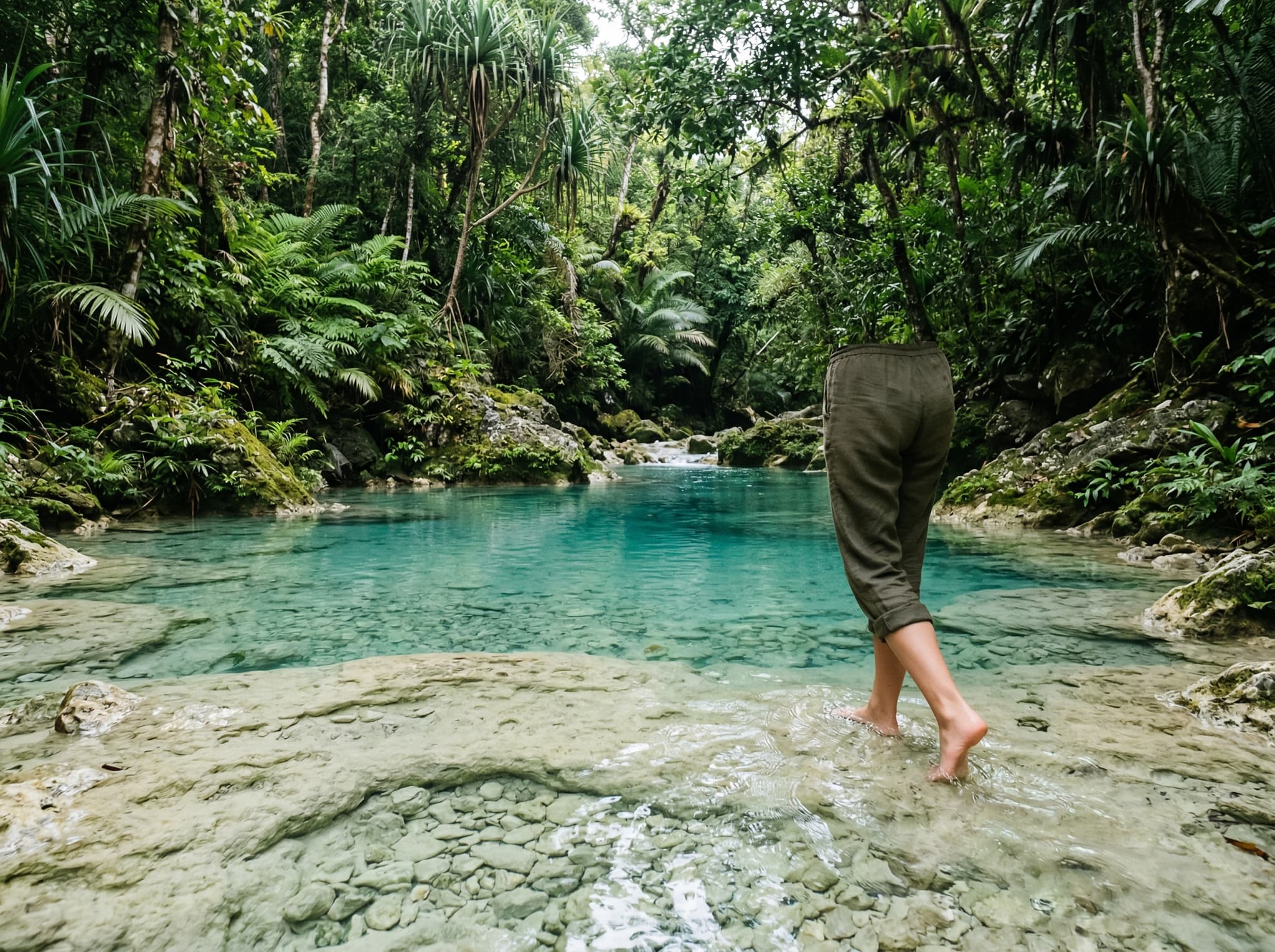
Kali Biru is not a large river. It's more of a wide stream, shallow enough to wade in most places, winding through dense tropical forest. The experience is less about swimming (though you can wade and sit in the shallows) and more about the visual spectacle — the contrast between the impossibly blue water and the deep green of the surrounding jungle is genuinely surreal.
The riverbed is smooth limestone, which contributes to the clarity. You can see every stone, every leaf that drifts to the bottom. In some sections, the water pools into natural basins deep enough to sit in comfortably. It's a quiet place — no vendors, no infrastructure, no crowds. On most days, you might share it with one or two other groups at most.
The surrounding forest is worth attention on its own. Waigeo is home to the red bird-of-paradise (Paradisaea rubra), one of Raja Ampat's most famous endemic species. While Kali Biru isn't the primary birding site — that distinction goes to dedicated bird-watching spots near Sawingrai and Saporkren — the forest canopy here is alive with sound, and sightings aren't impossible.
Kali Biru in the Context of a Raja Ampat Trip
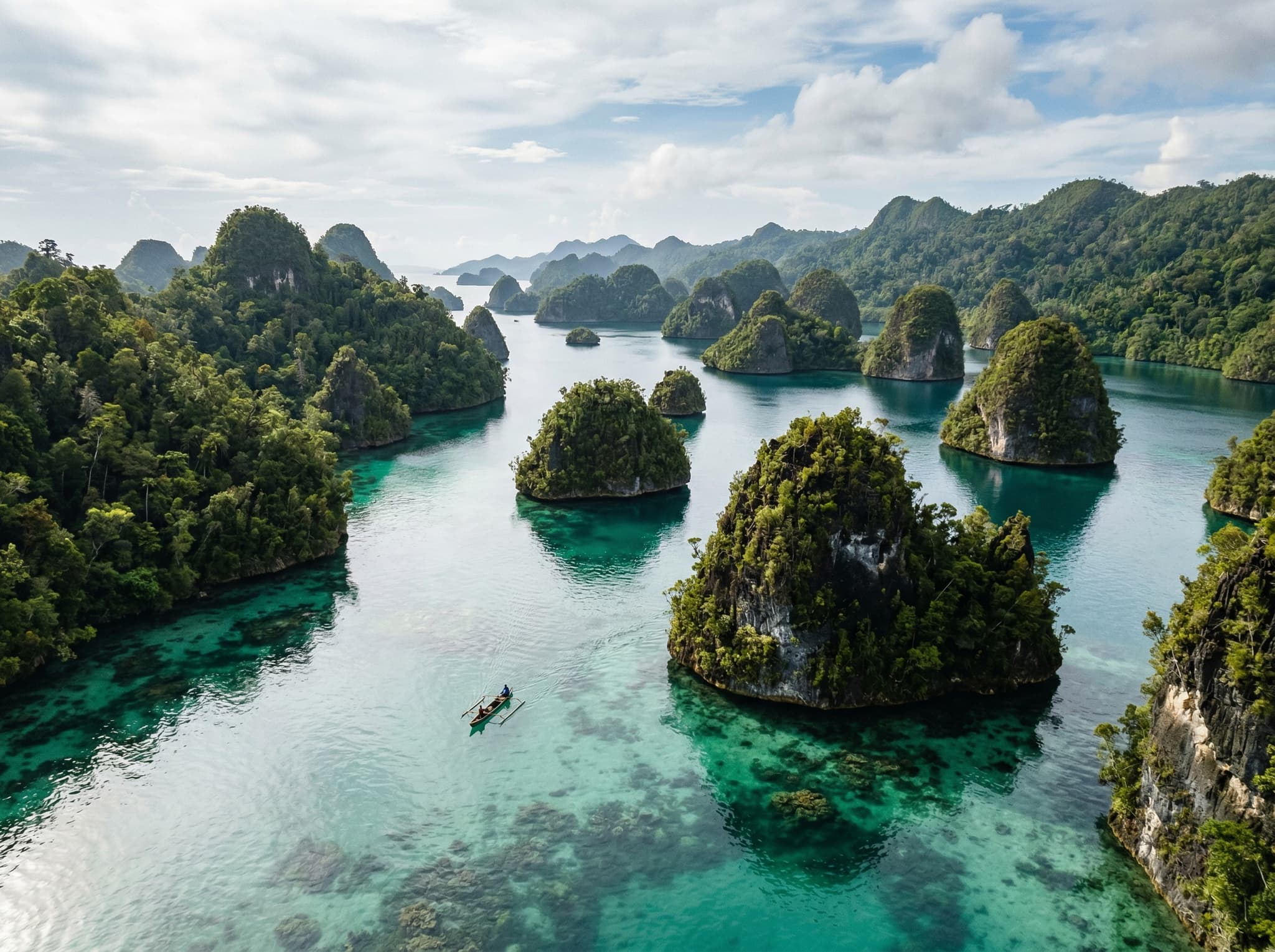
Most travelers come to Raja Ampat for diving and snorkeling, and rightly so. But the archipelago rewards those who look beyond the reef. Kali Biru works well as a half-day excursion — a break from saltwater, a chance to see Waigeo's interior, and a reminder that Raja Ampat's natural wealth extends well above sea level.
It pairs naturally with other Waigeo-based activities: a morning at Kali Biru followed by an afternoon snorkeling at Friwen Wall or Sawandarek Jetty, for instance. Or combine it with a bird-of-paradise viewing trek at Sawingrai, which typically happens at dawn — you'd be at Kali Biru by mid-morning, right when the light is best.
Combine With
Sawingrai Bird Watching
Dawn trek for red bird-of-paradise
Kabui Bay
Dramatic karst lagoon and rock formations
Friwen Wall
Accessible reef snorkeling
Pianemo Viewpoint
Iconic karst island panorama (day trip)
Practical Notes
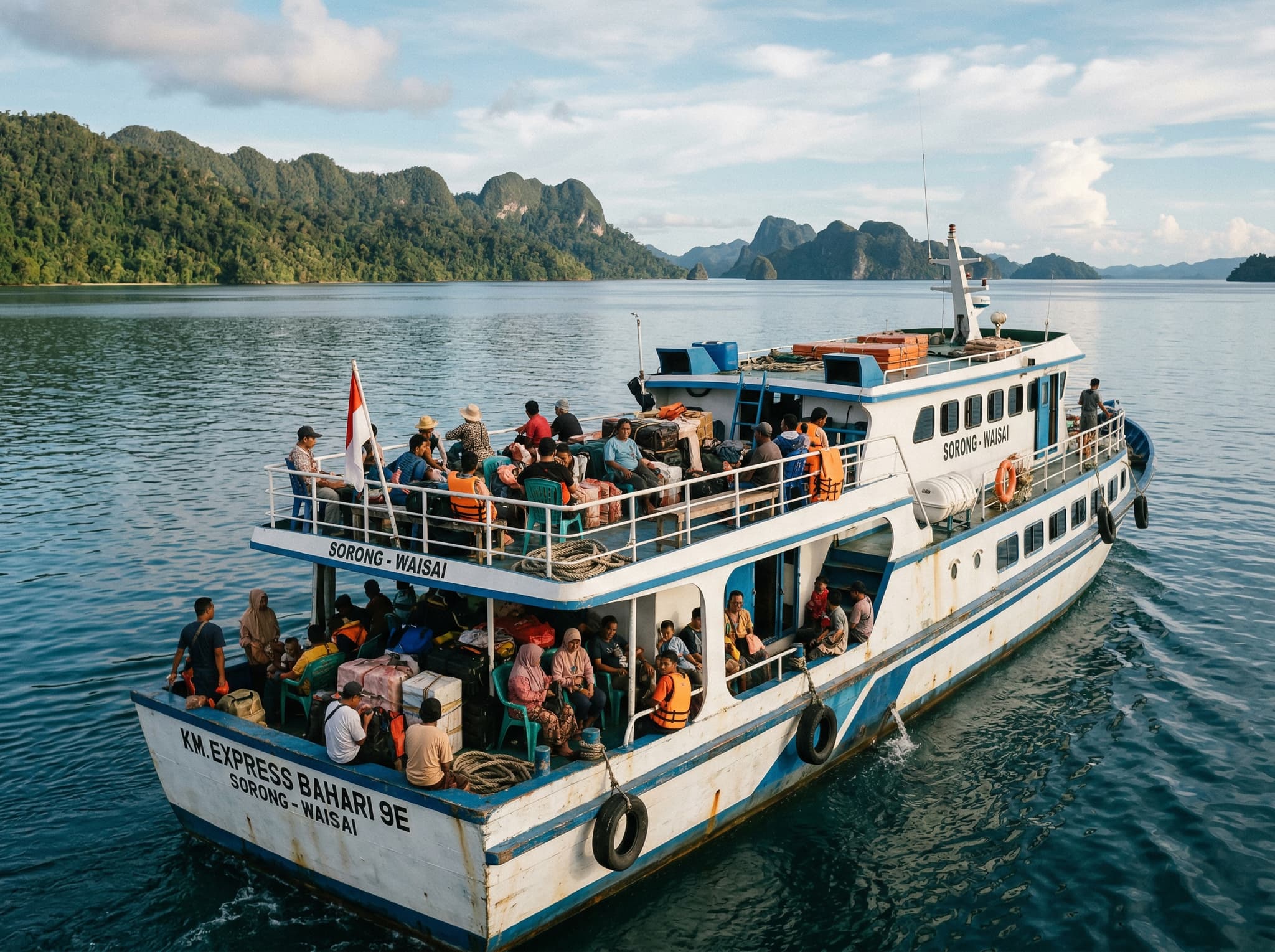
Raja Ampat charges a marine park entry tag (currently IDR 1,000,000 / ~$65 for foreign visitors), which is separate from any fees at Kali Biru itself. This tag is mandatory for all visitors to the Raja Ampat Marine Protected Area and is typically purchased upon arrival in Waisai. It's valid for one year and supports conservation efforts across the archipelago.
There is no phone signal at Kali Biru, and limited signal across much of Waigeo's interior. Download offline maps before you go. Cash is essential throughout Raja Ampat — ATMs exist in Waisai and Sorong but are unreliable, so bring enough Indonesian rupiah for your entire stay.
Frequently Asked Questions
Kali Biru won't be the reason you fly to Raja Ampat. The reefs will be. But it might be the thing you remember most vividly — a river so blue it looks impossible, hidden in a jungle on an island most people never explore beyond the coastline. That's Raja Ampat's quiet trick: even when you think you know what you came for, it has something else to show you.