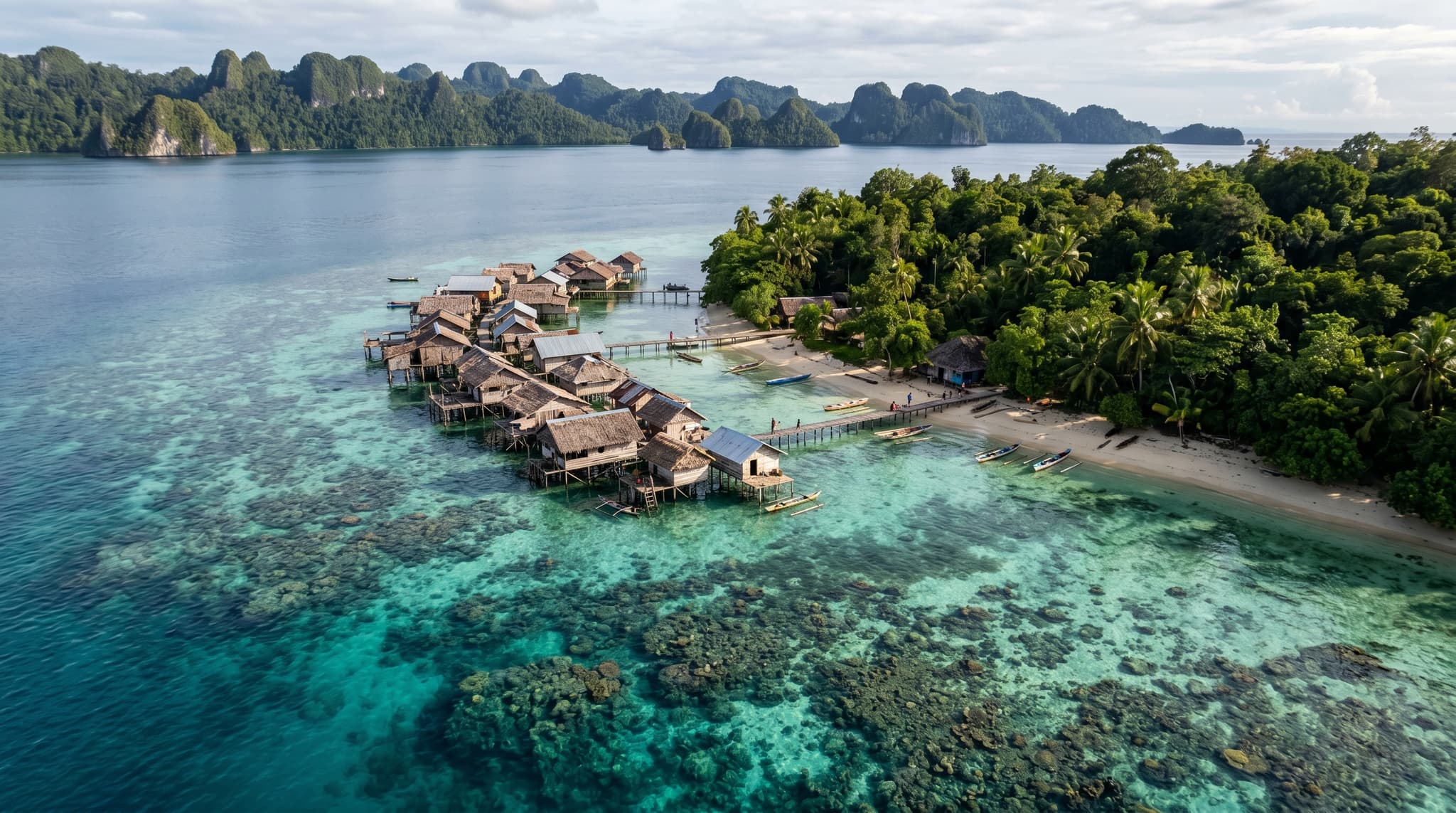
Raja Ampat sits right on the equator, which means the usual rules of "dry season good, wet season bad" don't quite apply. The archipelago's 1,500-plus islands sprawl across a patch of ocean where water temperatures barely shift, the sun rises and sets at almost exactly the same time every day of the year, and the marine biodiversity that makes this place famous doesn't take a season off. But conditions above the surface — wind, waves, rain, visibility — shift enough between months to meaningfully change your experience.
Here's what actually matters when you're picking dates.
The Short Answer: When to Go to Raja Ampat

October to April is the best overall window. Seas are calmer, diving visibility reaches 20–30 meters, and conditions are most reliably comfortable for boat transfers between islands. Within that range, November to March is the sweet spot — particularly for diving and marine wildlife encounters.
But Raja Ampat doesn't have a true off-season. Water temperatures hold at 28–30°C year-round. The reefs that earned this region its reputation as the most biodiverse marine habitat on Earth don't shut down when the wind picks up. Walking sharks still patrol the shallows in July. Pygmy seahorses still cling to gorgonian fans in August. The question isn't really whether to go — it's what you're optimizing for.
If you want the best diving conditions and the highest chance of manta ray encounters, aim for November to March. If you want solitude and lower prices and you're comfortable with rougher seas, the wet season still delivers world-class underwater experiences. And if you want the best of both worlds, the shoulder months — October, April, May, and September — deserve serious consideration.
Raja Ampat's Two Seasons Explained
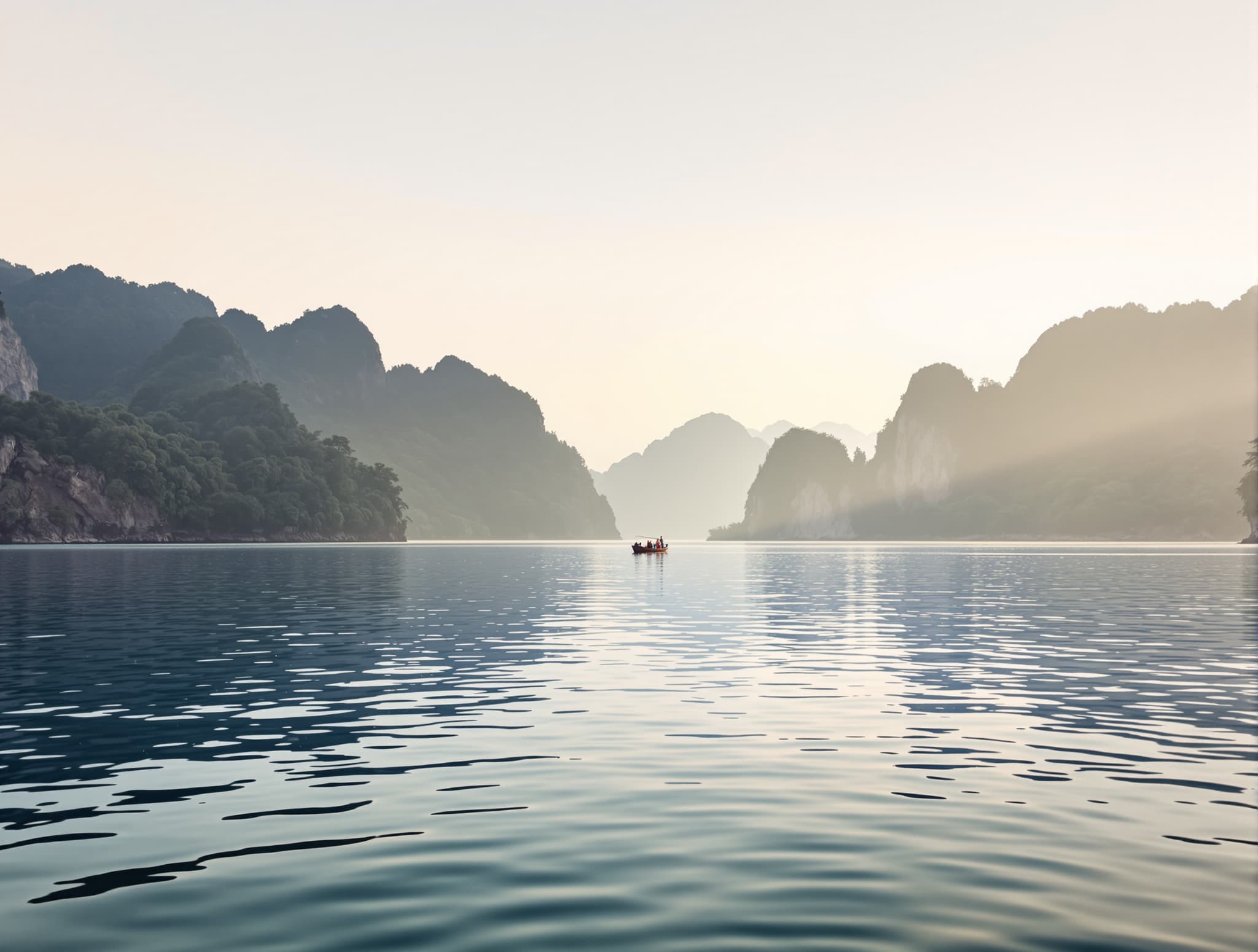
Raja Ampat's climate is governed by two monsoon systems, but calling them "dry" and "wet" oversimplifies things. This is equatorial tropics. Rain is possible any day, any month.
The northwest monsoon (October–April) is technically the calmer, drier period. Seas flatten out, skies clear more consistently, and monthly rainfall drops to roughly 108–150mm. This is when most visitors come, and for good reason — conditions are genuinely more comfortable for island-hopping and diving.
But there's a wrinkle: December and January often bring heavier localized showers, enough that some locals call it a "second wet season." It doesn't ruin conditions — diving remains excellent and the rain typically passes within an hour — but if you're imagining cloudless December skies, adjust your expectations.
The southeast monsoon (May–September) brings stronger winds and rougher seas, particularly from June through August. Rainfall peaks in June and July at up to 197mm per month, though showers tend to be brief and localized rather than all-day downpours. The real issue isn't rain — it's wind. Choppy conditions can restrict small boat transfers and occasionally force dive site closures in the roughest weeks.
Raja Ampat's microclimates are dramatic. Gam Island can be bathed in sunshine while neighboring Waigeo gets a downpour at the same time. Island-level weather forecasts are unreliable — always verify current conditions directly with your resort or liveaboard operator before making plans.
One more thing worth noting: temperatures barely fluctuate. Expect roughly 31°C during the day, 25°C at night, and 80–100% humidity regardless of when you visit. Pack quick-dry everything.
Seasonal Snapshot
Northwest Monsoon
Oct–Apr: calmer seas, 108–150mm rain/month
Southeast Monsoon
May–Sep: stronger winds, up to 197mm rain/month
Driest Month
January (~18 days still see some rain)
Roughest Months
June–August
Humidity
80–100% year-round
Month-by-Month Breakdown

October
The northwest monsoon settles in, seas calm, and visibility starts climbing. Mantas begin arriving at cleaning stations in the Dampier Strait. Liveaboards resume full schedules. Crowds are still building, which means you get near-peak conditions at shoulder-season prices. One of the best overall months to visit.
November–December
Peak conditions. Calm seas, excellent visibility (20–30m+), and manta rays reliably present at sites like Manta Sandy and Manta Ridge. Crowds build through November and peak around Christmas and New Year, when popular liveaboard departures sell out months in advance. December brings heavier localized showers — particularly mid-month — but underwater conditions remain excellent. La Niña patterns in 2025 are expected to enhance December visibility and sea conditions beyond typical seasonal norms.
January–February
January is statistically the driest month, though roughly 18 days still see some rainfall — this is the equator, after all. Diving conditions remain excellent. Crowds thin noticeably after the New Year holiday rush, making late January and February a smart window for visitors who want high-season conditions without high-season congestion.
March–April
The tail end of the calm season. March still offers good conditions and manta sightings, though encounters taper off by late in the month. April is an underrated shoulder month — fewer visitors, good weather, and competitive pricing. By late April, the transition to the southeast monsoon is underway.
May
A genuine transition month. Weather is still reasonable, prices drop, and crowds thin significantly. Diving and snorkeling quality holds up well — the reefs don't know it's supposed to be off-season. A strong option for budget-conscious travelers willing to accept slightly less predictable conditions above the surface.
June–August
The roughest stretch. Strong southeast winds chop up the sea surface, particularly in July and August, when conditions can force dive suspensions and restrict boat travel between islands. Most liveaboard operators pause operations from mid-June to mid-September. Visibility drops to 10–20m.
But it's not all bad news. Increased nutrient upwelling boosts plankton, which drives fish biomass higher. Macro life thrives. If you're a photographer who cares more about nudibranchs than mantas, and you don't mind some weather, June through August offers the same reefs at a fraction of the cost with almost no other divers around.
September

Conditions improve as winds ease. This is one of the best value months in Raja Ampat — seas are calming, mantas are beginning to return to cleaning stations, and it's also prime season for spotting Wilson's and Red birds-of-paradise on Waigeo and surrounding islands. Liveaboards start returning to the water. Crowds remain minimal.
Month-by-Month Summary
October
Excellent. Calm seas returning, shoulder pricing
November–December
Peak conditions. Highest crowds late Dec
January–February
Driest period, excellent diving, crowds easing
March–April
Good conditions fading. April = strong shoulder
May
Transition. Good value, reasonable weather
June–August
Roughest seas. Budget-friendly, macro diving
September
Improving fast. Great value, wildlife returning
Best Time for Diving and Snorkeling
Raja Ampat's peak dive season runs from November to April, when visibility reaches 20–30 meters or more and calm surface conditions mean access to virtually every dive site in the archipelago. This is when liveaboard operators run their full schedules — classic 7- to 11-night itineraries departing from Sorong or Waisai, covering the Dampier Strait (Cape Kri, Sardine Reef), Misool's southern sites (Boo Window, Magic Mountain), and the waters around Waigeo.
Liveaboard demand is intense during this window. Roughly 80% of berths sell out for the October-to-April season, and popular holiday departures fill up six to twelve months in advance. If liveaboard diving is your plan, book early.
Here's what's counterintuitive, though: wet-season diving is still world-class. Underwater visibility is largely unaffected by surface rain — a downpour overhead doesn't meaningfully change what you see at 15 meters. Marine biodiversity remains exceptional in every month. The increased plankton that blooms during nutrient-rich upwellings can occasionally reduce visibility, but that same plankton is exactly what attracts larger pelagic species to the area.
The genuine problem period is July and August. Rough surface conditions can make boat travel uncomfortable or impossible, some dive sites become inaccessible, and operators may suspend trips entirely during the worst stretches. If diving is your primary reason for visiting, avoid these two months.
Raja Ampat's currents are strong year-round. The same nutrient-rich flows that sustain extraordinary biodiversity create conditions that require experience and confidence in the water. This is not a beginner dive destination regardless of season. Most reputable operators maintain a maximum of four divers per guide.
Snorkeling follows a similar pattern — calm seas from October to April make surface conditions comfortable and visibility excellent. But even during the wet season, sheltered bays and house reefs at established homestays and resorts offer reliable snorkeling. You just can't always get to the more exposed sites.
Best Time to See Manta Rays and Marine Wildlife
Manta rays are Raja Ampat's headline act, and their presence is driven by plankton blooms from nutrient upwellings — which means timing varies year to year and no sighting is ever guaranteed.
The core manta season runs from October to April. The Dampier Strait — the channel between Waigeo and Batanta — has the longest window, with mantas present from roughly mid-October through mid-May. Both reef mantas and the larger oceanic mantas visit cleaning stations during peak months, with the highest concentration of sightings at Manta Sandy and Manta Ridge.
Sightings taper off from late March through June, and encounters become rare (though not impossible) from June through August. By September, early arrivals begin showing up again at cleaning stations.
Beyond mantas, Raja Ampat's marine life doesn't follow a neat seasonal calendar:
- Whale sharks appear sporadically, with no defined season. Chance encounters are most commonly reported during plankton blooms, particularly March–April and November–December.
- Walking sharks, pygmy seahorses, and schooling fish are present year-round. The wet season actually sees increased fish biomass and thriving macro life.
- Birds-of-paradise — Wilson's and Red — are best observed September through November on Waigeo and surrounding islands. These are land-based excursions, typically early morning hikes to established viewing platforms.
Wildlife Calendar
Manta Rays (Core)
October–April
Manta Rays (Dampier Strait)
Mid-October–mid-May
Whale Sharks
Sporadic; most reports Mar–Apr, Nov–Dec
Walking Sharks
Year-round
Birds-of-Paradise
Best Sep–Nov
Crowds, Costs, and the Case for Shoulder Season
Raja Ampat's high season (October–April) brings the best conditions and the highest prices. Liveaboards, resort-based dive packages, and even homestay rooms all cost more, and the most popular sites see noticeably more traffic. Peak crowds hit from November through February, with a sharp spike around Christmas and New Year.
To illustrate what peak-season pricing looks like: a Christmas liveaboard cruise (11 nights, Sorong to Sorong) on a premium operator like the Damai II runs from approximately $7,480 per person for a twin cabin to over $10,000 for a single, plus park entry fees on top. Other operators — Jaya, Epica, Liquid Adventures, Master Liveaboards — offer varying price points, but the pattern holds: holiday departures command a premium and fill up fast. Budget six to twelve months of lead time for any peak-season liveaboard.
The low season (May–September) flips the equation. Significantly fewer tourists, lower accommodation and tour costs, and the same reefs. The trade-off is weather — rougher seas, limited liveaboard availability, and the possibility that your island-hopping plans get rearranged by wind.
The sweet spots sit in between:
October and September offer the best balance in the calendar. In September, conditions are improving, mantas are returning, birds-of-paradise are active, and you won't be competing for dive slots. October delivers near-peak conditions at shoulder-season rates. Both months see a fraction of the crowds that November through February brings.
April and May work similarly on the other end — April still has good diving weather and manageable crowds, while May offers genuine value as conditions remain reasonable and prices drop further.
For the best combination of conditions, wildlife, and value, target late September through October or April through early May. You'll sacrifice a small margin of predictability compared to peak season, but you'll gain breathing room at dive sites and significantly better pricing.
Planning Essentials by Season
Getting there. Every visit to Raja Ampat starts in Sorong, a port city on the western tip of Papua's Bird's Head Peninsula. Flights connect through Jakarta, Makassar, or Manado. From Sorong, it's a two-hour ferry to Waisai (Raja Ampat's administrative capital) or a direct transfer arranged by your liveaboard or resort. Flight logistics — not weather — are sometimes the bigger planning constraint, so confirm connections and build in buffer days.
The marine park entry permit is required for all visitors year-round. As of 2025, international visitors pay IDR 1,000,000 (roughly $65 USD) and domestic visitors pay IDR 500,000. Fees support conservation of the marine protected area. Your resort or operator can typically arrange this, but factor it into your budget.
Seasonal planning tips:
- October–April: Book liveaboards and popular resorts well in advance — six months minimum for peak season, twelve months for holiday departures. Conditions are excellent but not immune to rain; pack a light rain jacket.
- May–September: Avoid planning ambitious multi-island itineraries from mid-June to mid-September. Rough seas can delay or cancel small boat transfers. Stick to a single base or choose a resort with a strong house reef. Afternoon rain showers are common but typically clear within an hour — don't cancel plans over a forecast.
- Year-round: Pack for humidity. Quick-dry clothing, reef-safe sunscreen, and a good rash guard matter more than the month on the calendar. Verify current conditions directly with your resort or operator before travel — microclimates make regional forecasts unreliable at the island level.