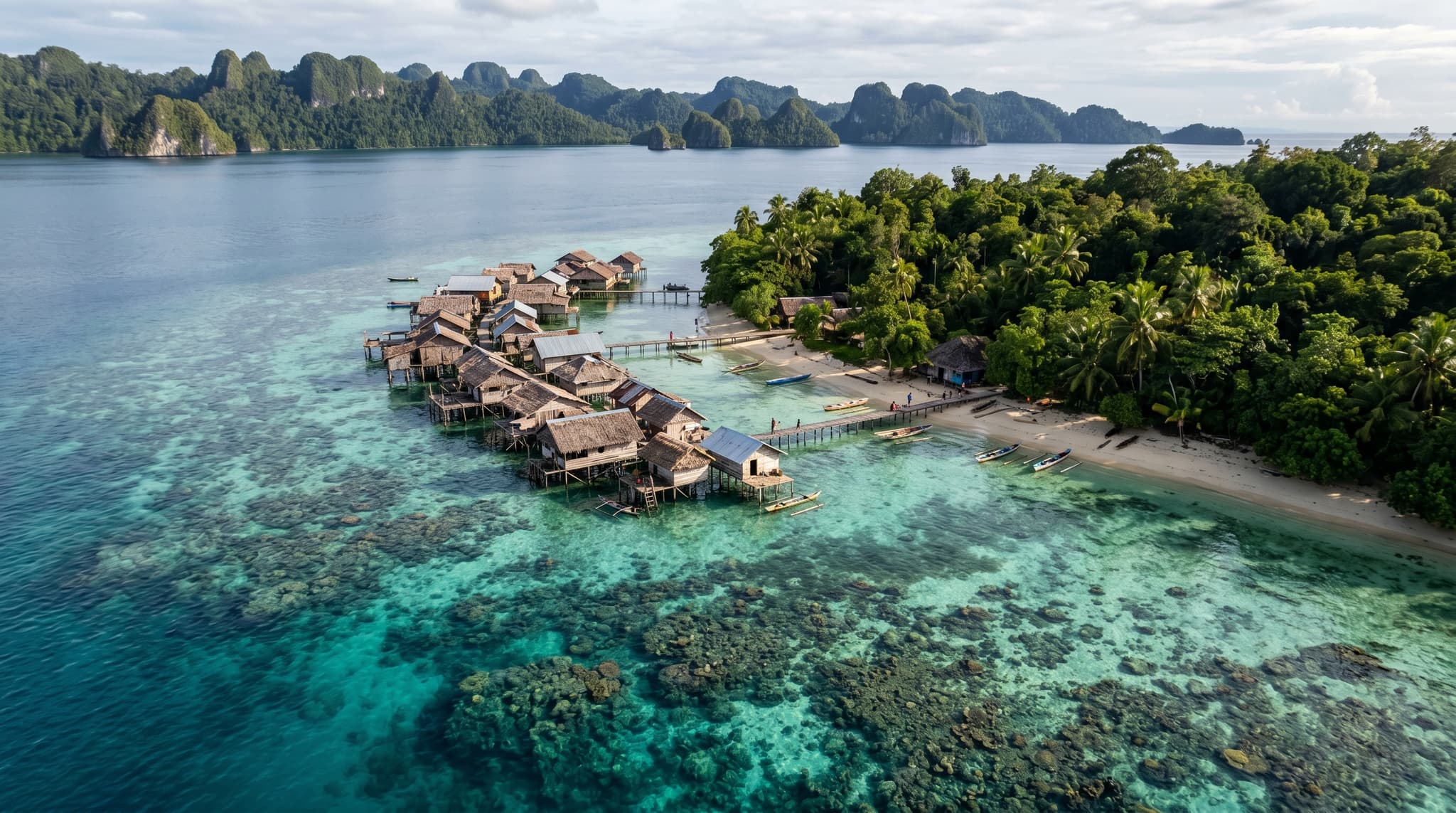
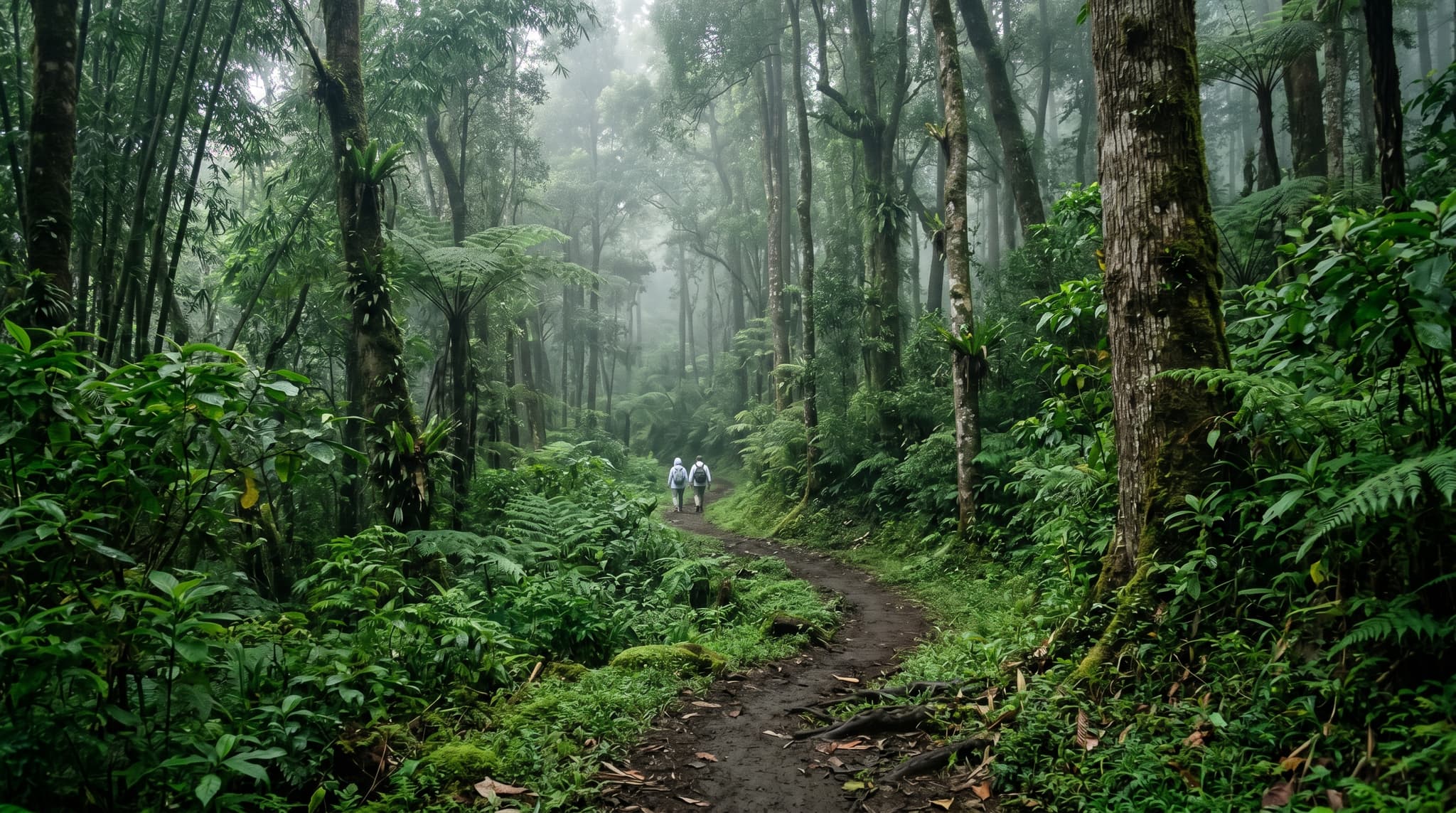
Manta Sandy is Raja Ampat's top manta cleaning station — shallow, accessible, and remarkably consistent. Here's how to dive it right.
There's a specific kind of anticipation that comes from kneeling on sand at 15 meters, watching open blue water, waiting for a shape to materialize. Manta Sandy delivers on that anticipation more consistently than almost any manta site in Indonesia — and in Raja Ampat, that's saying something.
The site sits in the Dampier Strait near Arborek village, and it's built around a simple ecological fact: the sandy bottom here hosts cleaning stations where small wrasse fish pick parasites off visiting manta rays. The mantas return to these stations regularly, which means divers who position themselves correctly and stay still have excellent odds of close encounters. Not guaranteed — nothing underwater is guaranteed — but the hit rate here is high enough that dive operators across the region treat it as a near-certainty during peak season.
What Makes This Site Different
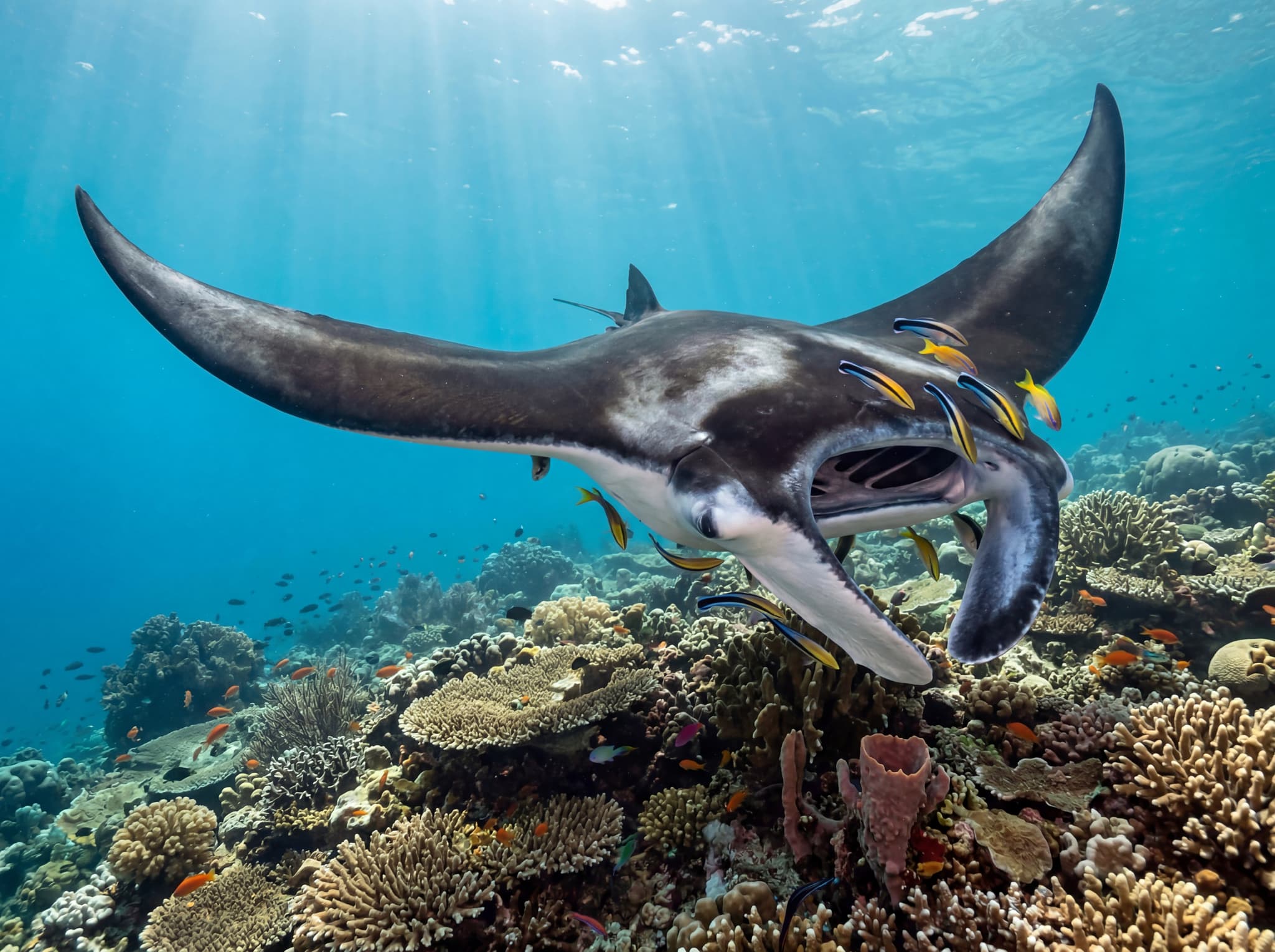
Raja Ampat has several manta sites. Manta Ridge, about a kilometer away, is the other well-known option. The difference is terrain and behavior. Manta Ridge is a rocky reef slope where mantas cruise along a current line — you watch them pass. Manta Sandy is a cleaning station on a flat, sandy bottom where mantas hover, circle, and linger. The encounters tend to be longer and closer.
Manta Sandy vs. Manta Ridge
Terrain
Sandy bottom vs. rocky reef slope
Manta Behavior
Hovering at cleaning station vs. cruising a current
Encounter Style
Stationary, close-up vs. passing fly-bys
Distance Apart
~1 km (often dived on the same trip)
Most dive operators in the Dampier Strait area pair both sites in a single morning. You'll typically do Manta Sandy first — the cleaning station activity tends to peak in the morning — then motor over to Manta Ridge for a second dive. If you only have time for one, Manta Sandy is the one to choose. The interactions are more intimate, and the shallow depth means longer bottom times even on a single tank.
How the Dive Works
This isn't a wall dive or a drift dive. It's a wait-and-watch dive, and the protocol is straightforward: descend to the sandy bottom (usually 12–18 meters), find a spot near one of the known cleaning stations, settle low, and stay still. Your dive guide will position the group. Follow their lead — they know where the mantas tend to approach.
The critical rule is do not chase the mantas. This applies everywhere, but it matters especially at cleaning stations. A manta that's interrupted mid-cleaning will leave. If you stay low and motionless, the same manta may circle back to the station multiple times over a 45-minute dive, sometimes passing within arm's reach. Experienced divers at this site report encounters with three to five mantas on a single dive during peak season.
The surrounding sand flat isn't barren, either. Between manta appearances, there's a surprising amount to see — garden eels, blue-spotted stingrays, and the occasional wobbegong shark resting on the bottom. But let's be honest: you're here for the mantas.
When to Go
Manta activity at Manta Sandy peaks during Raja Ampat's main dive season, roughly October through April. Within that window, November through January tends to be the most reliable for multiple manta sightings. The mantas don't disappear entirely outside this range — some divers report sightings in August and September — but the cleaning station traffic drops noticeably.
Water visibility at the site varies. The Dampier Strait's nutrient-rich currents are exactly why the mantas are here, but those same nutrients can reduce visibility to 10–15 meters on some days. Don't expect the 30-meter visibility you might find at sites in the Banda Sea. What you lose in clarity, you gain in marine life density. That's the Raja Ampat trade-off, and it's a good one.
Getting There and Logistics
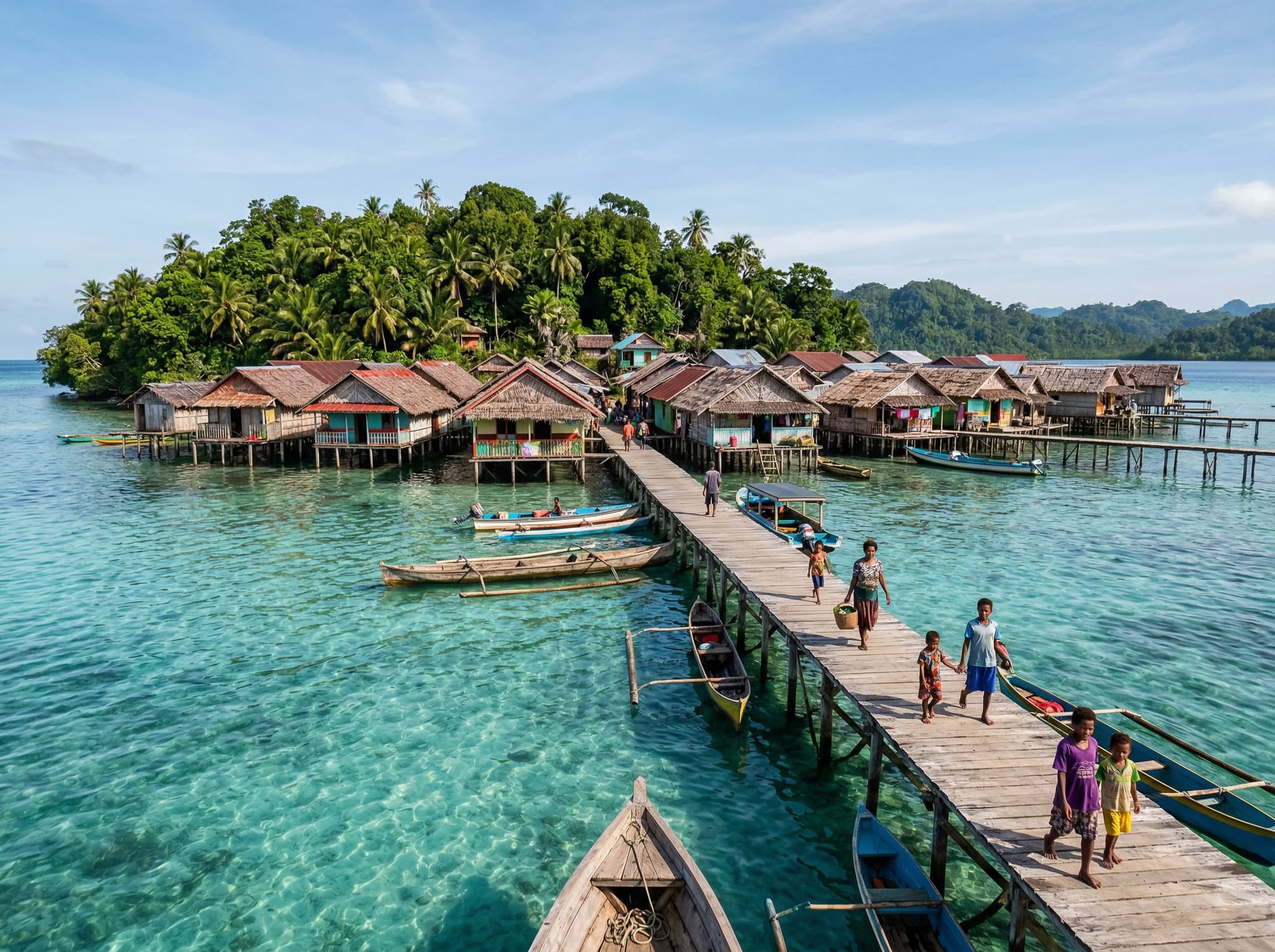
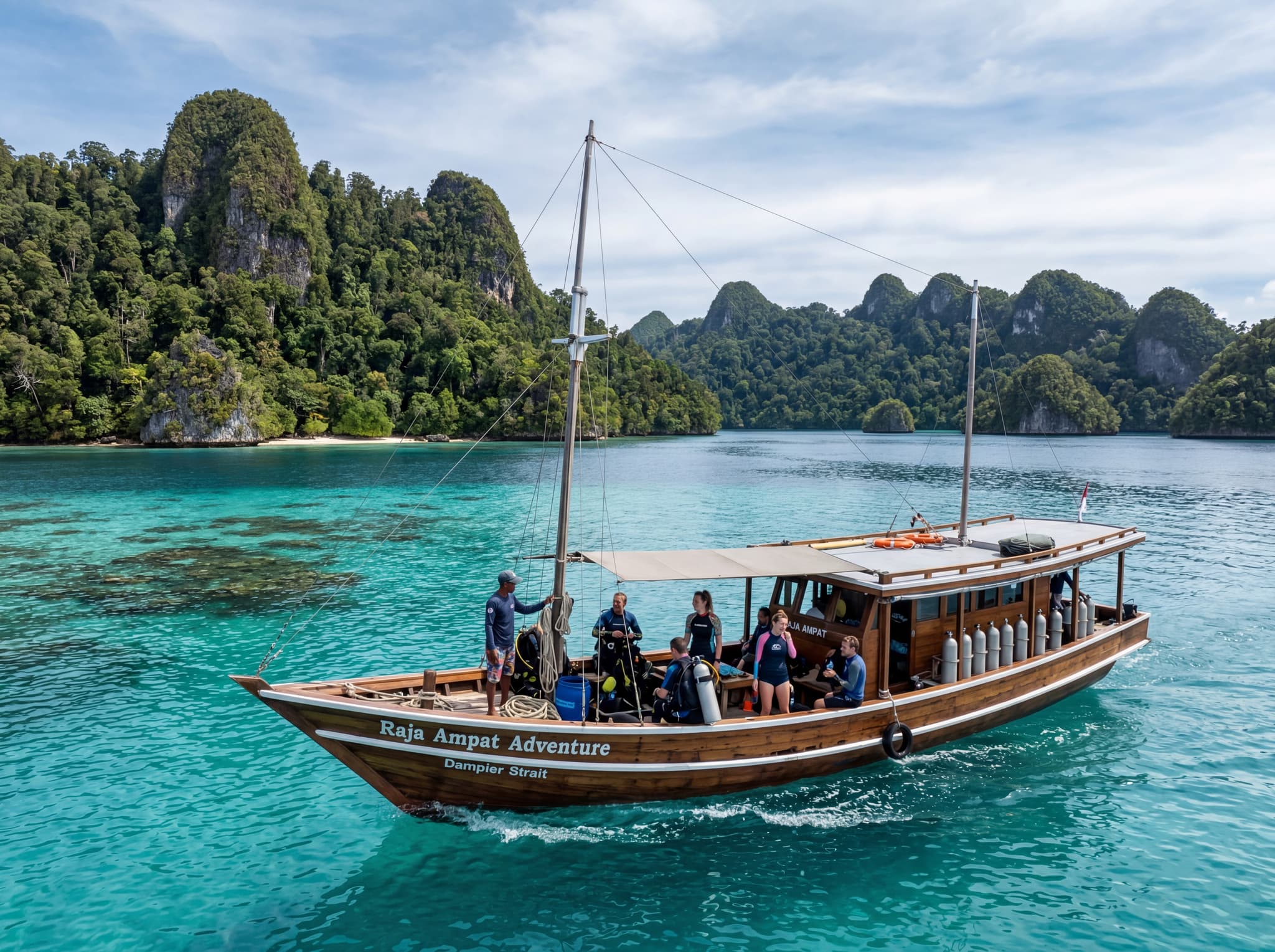
Manta Sandy is accessed from any dive resort or liveaboard operating in the Dampier Strait area. The closest land-based options are homestays and dive lodges on Arborek Island (a 5-minute boat ride) and resorts on Kri Island (10–15 minutes). Liveaboards passing through the Dampier Strait almost always include this site on their itinerary.
Access & Costs
Nearest Base
Arborek or Kri Island
Boat Time
5–15 minutes from nearby resorts
Per-Dive Cost (Resort)
$35–$65, depending on operator [VERIFY]
Raja Ampat Marine Park Tag
1,000,000 IDR (~$62) — required for all visitors [VERIFY: check current fee at rajaampatentrypermit.com]
Equipment Rental
Typically included with resort dive packages
You'll need a valid Raja Ampat Marine Park entry permit before diving anywhere in the region. This tag funds conservation of the marine protected area — one of the largest in Indonesia — and supports local communities. Purchase it online before arrival or at the registration point in Waisai. Without it, no reputable operator will take you out.
Conservation Context
Raja Ampat's marine protected area covers over 40,000 square kilometers, and the Dampier Strait sits within a network of no-take zones and managed-use areas that have measurably increased fish biomass and coral health since their establishment. The marine park tag isn't a tourist tax — it's the primary funding mechanism for patrol boats, ranger stations, and community-based monitoring programs that keep these reefs intact.
Manta rays are listed as vulnerable by the IUCN. Indonesia banned manta ray fishing nationwide in 2014, and Raja Ampat's local protections preceded that national ban by several years. The cleaning stations at Manta Sandy exist because the reef ecosystem around them is healthy enough to sustain them — and that health is not accidental. It's the result of decades of community-led conservation by Papuan villages who manage these waters.
Respect the site. Stay low, stay still, and let the mantas come to you. They will.