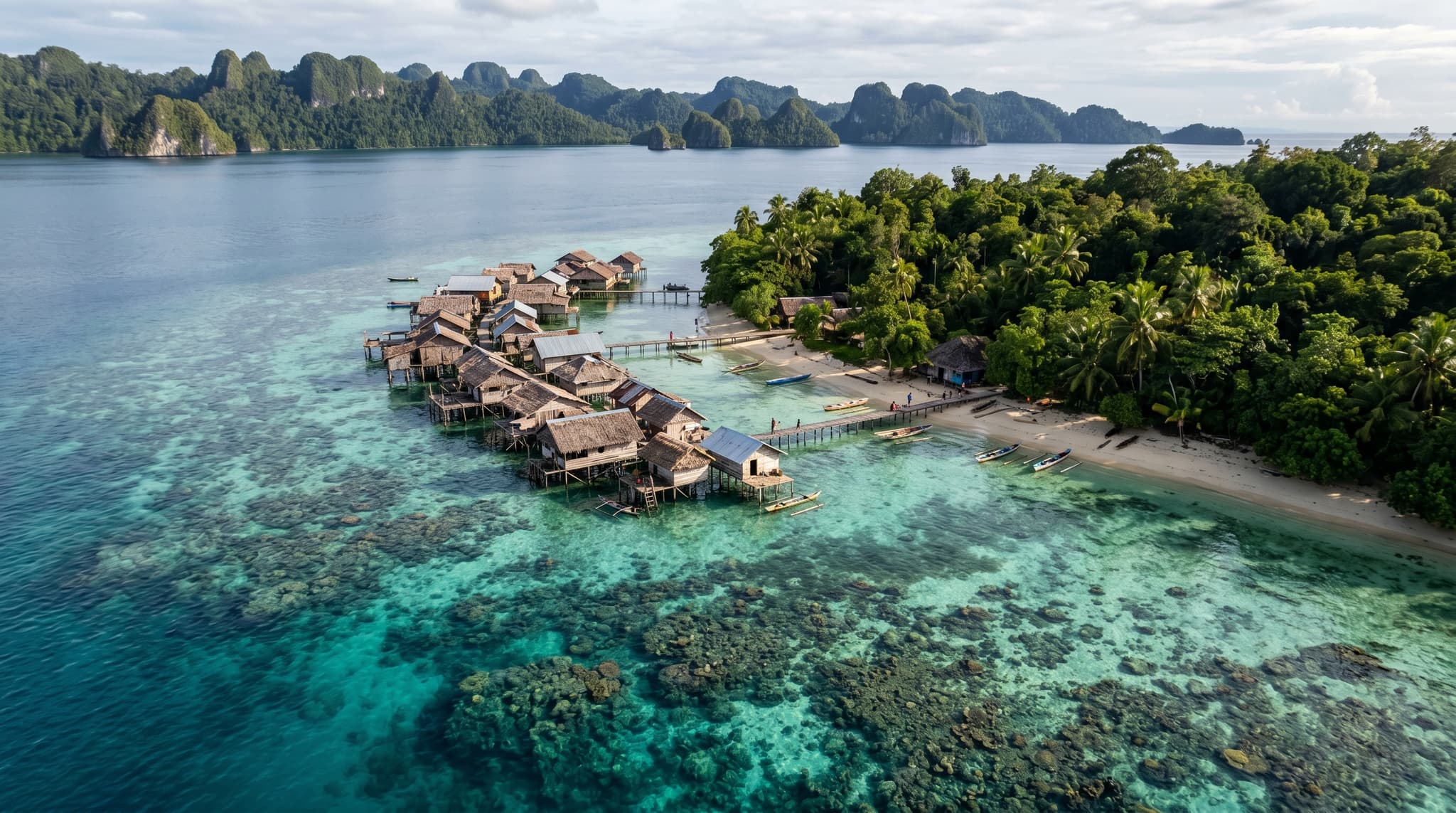
Cape Kri holds the world record for fish species counted on a single dive. Here's what makes it extraordinary and exactly how to plan your dive trip.
In 2012, marine biologist Dr. Gerald Allen conducted a single 90-minute dive at Cape Kri and counted 374 fish species. One dive. That record still stands. To put it in context, the entire Caribbean Sea contains roughly 1,500 fish species total. Allen found a quarter of that number on a single submerged point in eastern Indonesia.
That fact alone explains why Cape Kri appears on every serious diver's list. But the gap between knowing about Cape Kri and actually getting yourself into the water there is where most planning falls apart. Raja Ampat isn't Bali. There's no direct international flight, no grab-and-go dive shop on a tourist strip. Getting here requires logistics. Let me walk you through them.
What Makes Cape Kri Different
Cape Kri is a submerged point — a rocky promontory extending from the northwestern tip of Kri Island into the Dampier Strait. The strait acts as a funnel for nutrient-rich currents flowing between the Pacific and Indian Oceans, which is why this particular spot concentrates such absurd biodiversity.
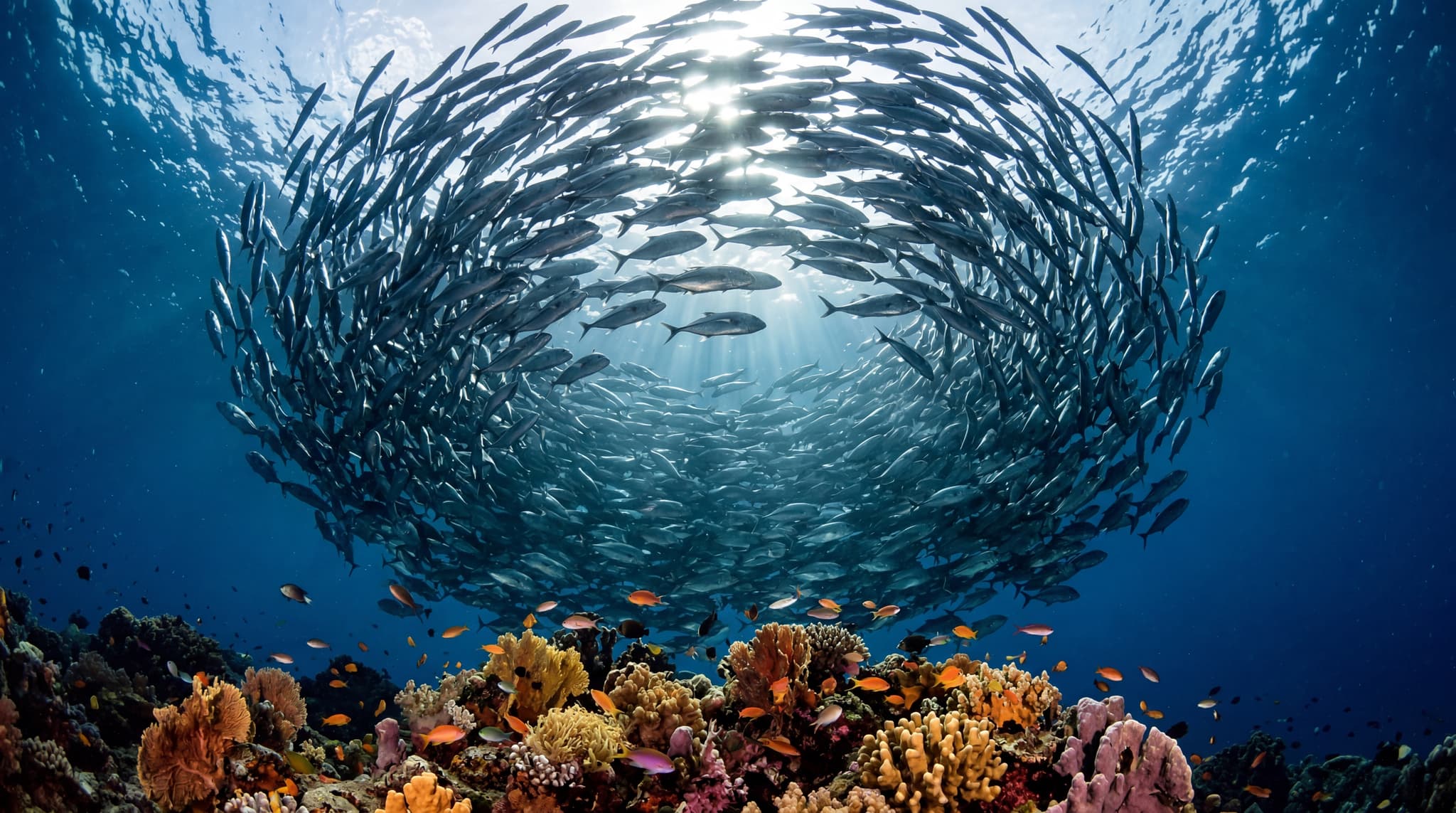
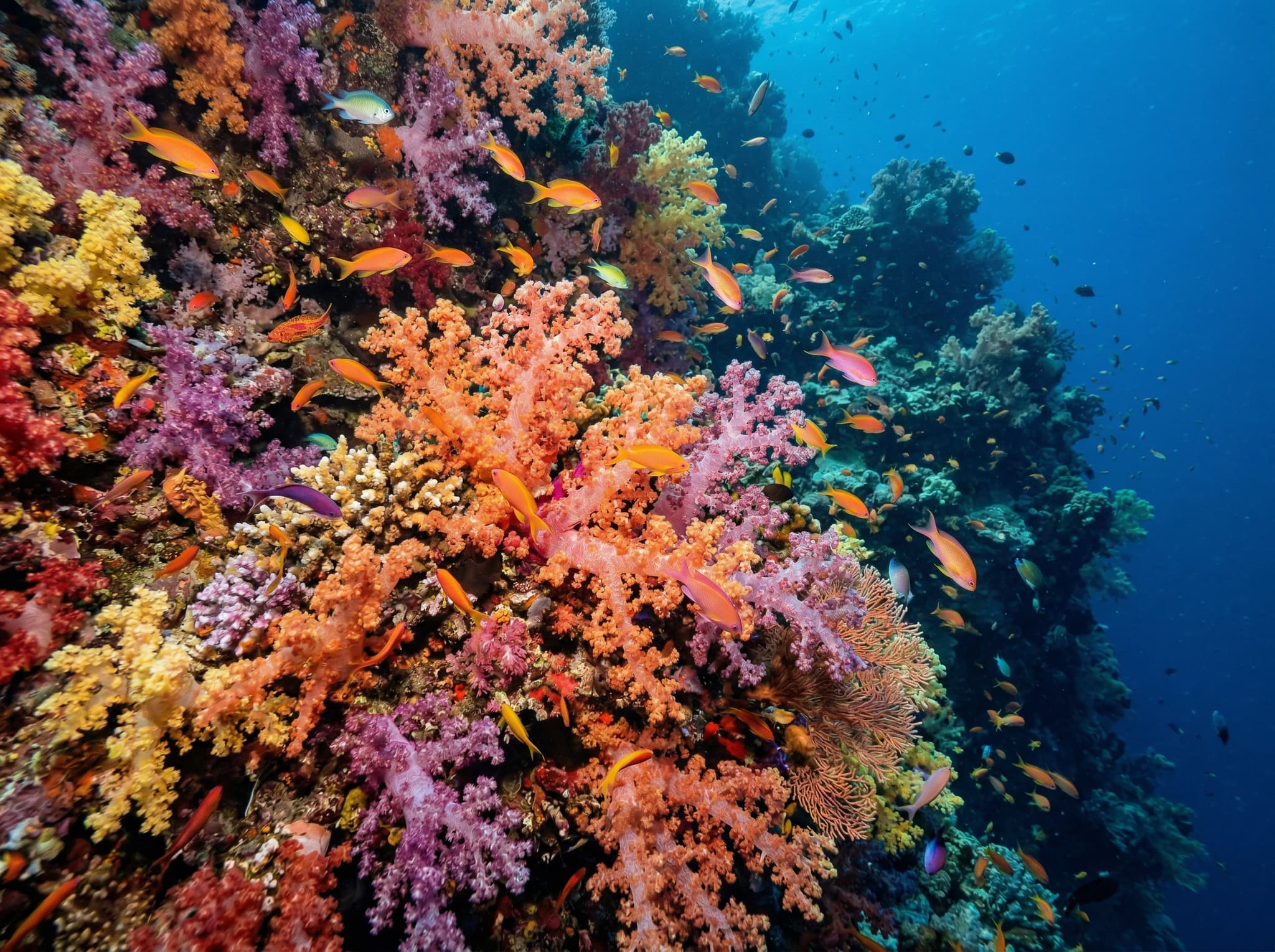
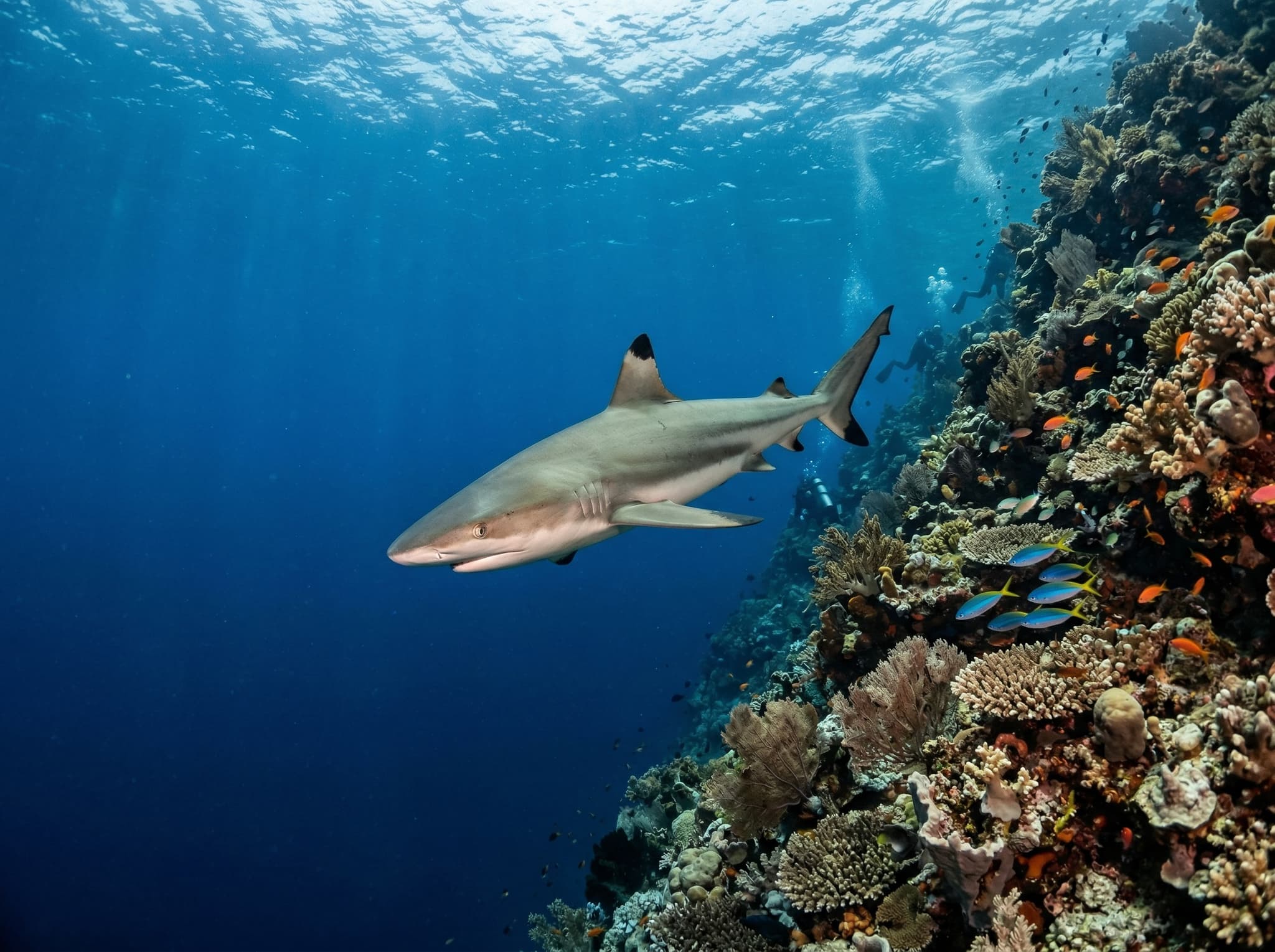
What you'll actually see: schools of barracuda thick enough to block out sunlight, blacktip reef sharks cruising the drop-off, giant trevally hunting in packs, Napoleon wrasse the size of a small motorcycle, and soft corals in colors that look digitally enhanced but aren't. The reef wall drops from about 5 meters to beyond 40 meters, so there's something happening at every depth.
The current is the defining feature. Cape Kri can range from a gentle push to a full-on washing machine, and the intensity of the current directly correlates with the quality of the dive. Strong current brings the big fish. Slack water gives you the macro life and coral detail. Neither is a waste of a dive — they're just different dives.
How to Get There
 and purchase their marine park permits before continuing to Kri Island.](/_next/image?url=https%3A%2F%2Fhcsauzofnowpfpbudclf.supabase.co%2Fstorage%2Fv1%2Fobject%2Fpublic%2Farticle-images%2F179672db-619a-42f8-b13b-cdd6b364b451%2Fplace-3.jpg&w=2048&q=75)
There is no shortcut. Every route to Cape Kri passes through Sorong, a port city on the western tip of Papua. Here's the sequence:
Fly to Sorong (SOQ). Domestic connections run from Jakarta (Garuda, Lion Air, roughly 4.5 hours with a stop in Makassar or Ambon) and occasionally from Manado. Expect to pay $150–$300 round-trip for domestic flights depending on timing and airline. Book early — these routes fill up during peak season.
Sorong to Waisai by ferry. The public ferry departs Sorong at 9:00 AM and takes roughly 2–2.5 hours. One-way cost is approximately 130,000 IDR (~$8). [VERIFY: current ferry schedule and pricing] Alternatively, speedboat transfers arranged through your homestay or dive resort run $250–$400 per boat and cut the time significantly.
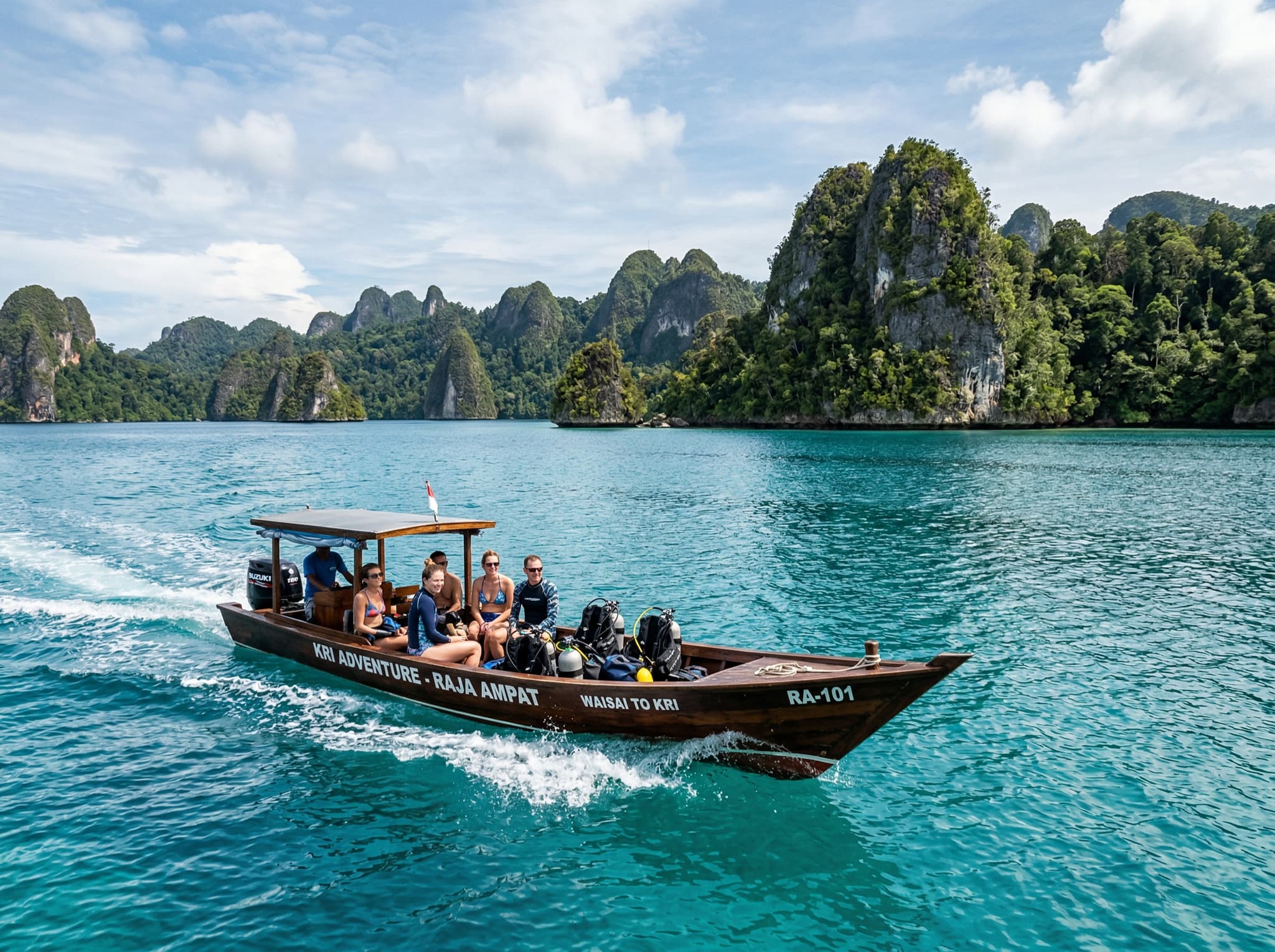
Waisai to Kri Island. Most homestays on Kri arrange boat pickup from Waisai. This leg takes 1–2 hours depending on sea conditions and your specific accommodation. Confirm transfer logistics before you arrive — don't assume anything.
Getting to Cape Kri
Jakarta → Sorong
4–5 hours (1 stop), $150–$300 RT
Sorong → Waisai
2–2.5 hours by public ferry, ~$8
Waisai → Kri Island
1–2 hours by homestay boat
Where to Stay and Who to Dive With
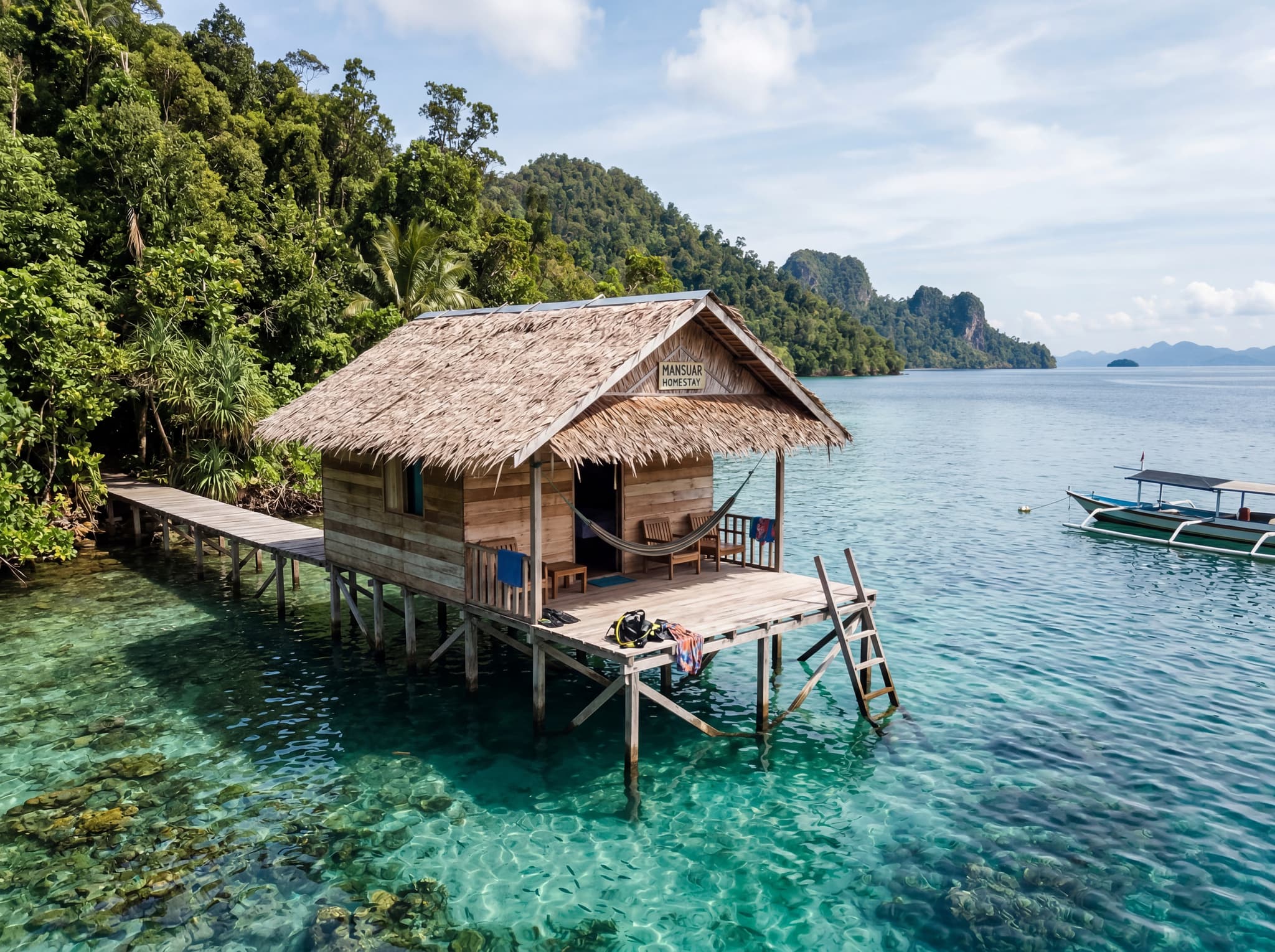
You have two real options: a homestay on Kri Island or a liveaboard.
Homestays are the budget-friendly choice and put you minutes from the dive site. Expect basic but functional rooms, three meals a day (usually fish, rice, vegetables), and dive packages arranged through the homestay or a partnered local operator. All-inclusive rates — room, meals, and two to three dives per day — typically run $80–$150 per person per day. That's genuinely good value for what you're getting.
Liveaboards give you access to Cape Kri plus dozens of other sites across Raja Ampat in a single trip. They're significantly more expensive — $250–$500+ per day — but if you're coming this far and want to cover maximum ground, the math can work in their favor.
My honest take: if Cape Kri is your primary objective and you have a week, a homestay on Kri Island is the better call. You can dive the site repeatedly in different conditions, which is how you actually experience its range. A liveaboard gives you one, maybe two dives at Cape Kri before moving on.
Who Should Dive Cape Kri
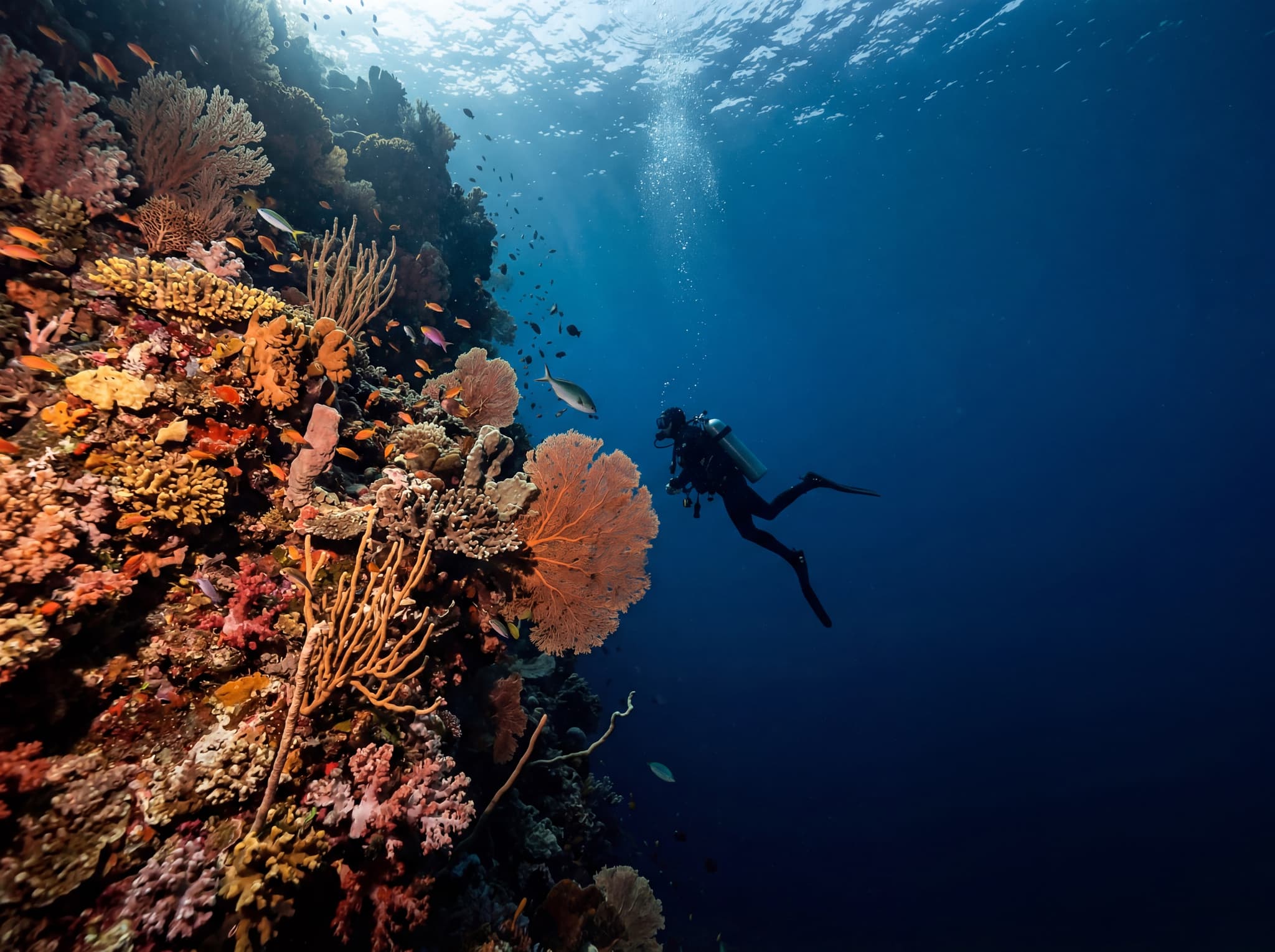
This isn't a beginner site. The currents can be strong and unpredictable, and the drop-off is deep. Most operators recommend Advanced Open Water certification as a minimum, and real-world experience with current diving matters more than the card in your wallet. If you've only dived calm, tropical reef sites, be honest with yourself and your dive guide about your comfort level.
That said, on calmer days the shallower sections of the reef are accessible to confident intermediate divers. A good local guide will read the conditions and adjust the dive plan accordingly.
Conservation Context
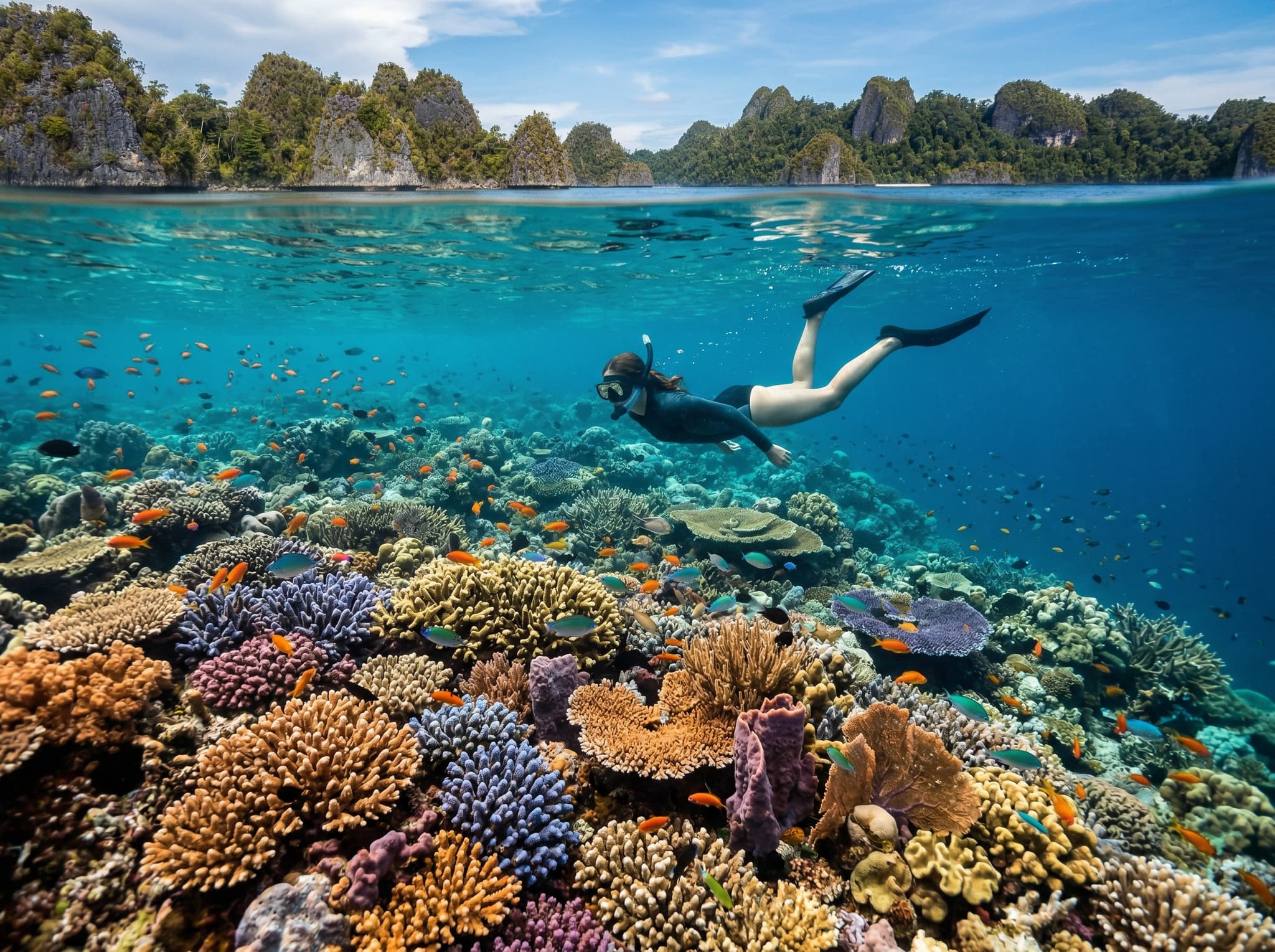
Raja Ampat's marine biodiversity doesn't survive by accident. The Raja Ampat Marine Protected Area covers over 20,000 square kilometers, and a marine park entry tag — currently 1,000,000 IDR (~$62) for international visitors [VERIFY: current permit fee] — funds patrol boats, ranger salaries, and community conservation programs. You'll purchase this tag in Waisai before heading to the islands.
The permit system, combined with community-managed no-take zones around key reefs, has measurably reduced destructive fishing practices in the region. When you pay that fee, it's not a tourist tax — it's the reason the reef you're about to dive still looks like this.
Responsible diving practices matter here: maintain buoyancy control, don't touch coral, keep fins away from the reef wall, and follow your guide's briefing on current protocols. The reef at Cape Kri has survived because people have actively protected it. Don't be the diver who chips away at that.
Is It Worth the Effort?
Yes. Unambiguously. Cape Kri is one of the few dive sites on earth that consistently lives up to its reputation. The logistics are real — you'll spend a full travel day getting there, you'll deal with limited connectivity, and the accommodations won't remind you of a resort. But you'll surface from your first dive understanding why marine biologists keep coming back to this specific point of rock and coral in the middle of nowhere.
The richest reef on earth isn't a marketing phrase. It's a measured, documented fact. And it's still there, still thriving, still waiting for you to figure out the ferry schedule.