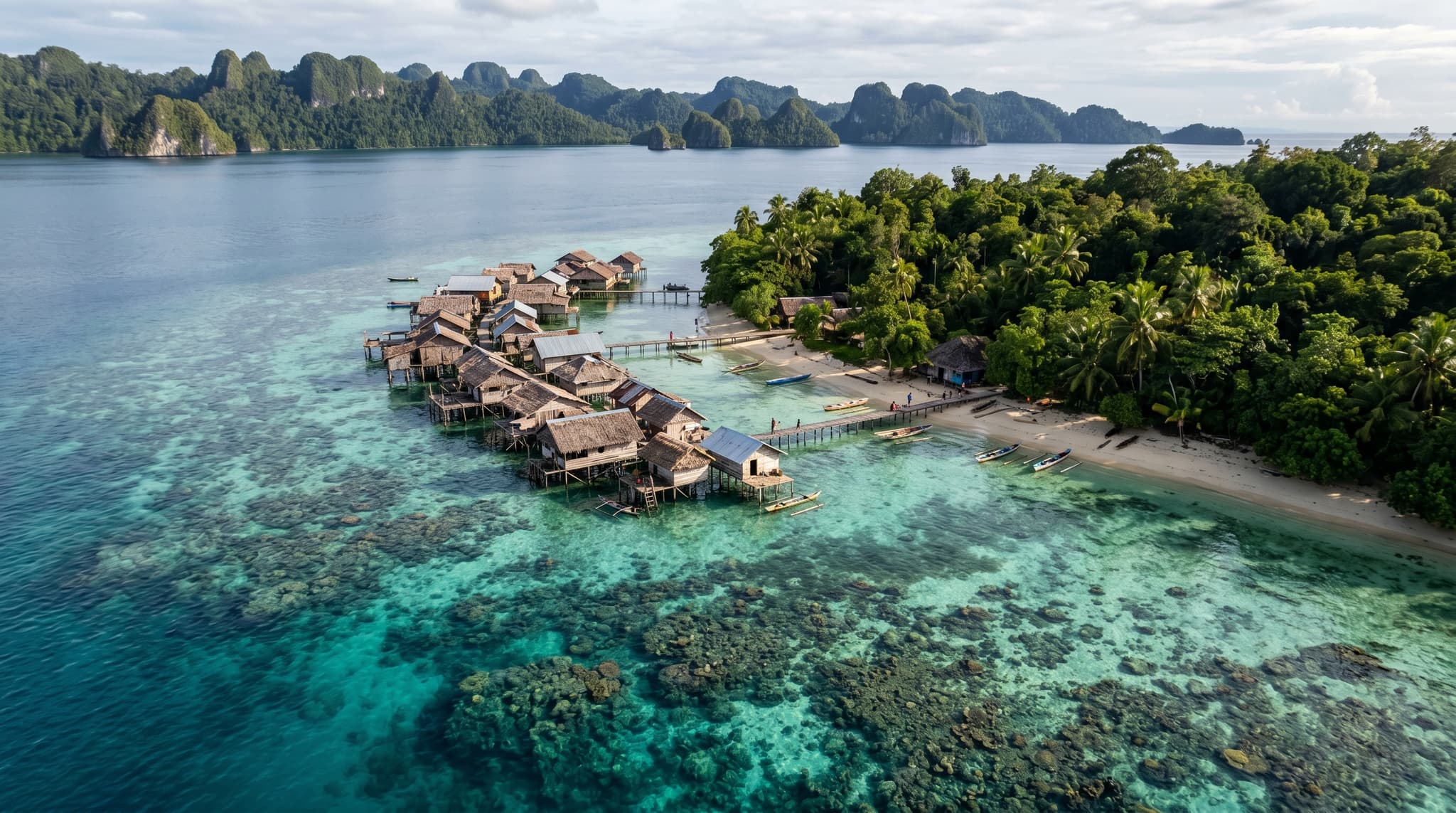
A Raja Ampat liveaboard is one of the most expensive diving decisions you'll make. The price gap between the cheapest and most expensive option is over $7,000 — and the same reef sharks swim past both boats.
That's the core tension. You're not choosing between good diving and bad diving. You're choosing between different versions of what happens between dives: the cabin you sleep in, the food on the table, the deck space where you set up your camera. The reefs don't know or care.
Most liveaboard content online is either operator marketing or scattered dive-forum advice. This piece treats the decision like what it actually is: a $2,000–$10,000 purchasing decision with real trade-offs across cost, route, and comfort. Per-day cost — not total price — is the comparison metric, because a $2,500 trip over 7 nights is more expensive per day than a $3,300 trip over 9 nights. Total price is meaningless across different trip lengths.
Here's how to figure out which boat is right for your budget, your experience level, and what you actually want from the trip.
What a Raja Ampat Liveaboard Actually Costs in 2025–2026

The market breaks cleanly into three tiers. Per-day rate is the only honest way to compare, so that's how everything below is structured.
Budget Tier: $200–$400 Per Day
Total trip cost
$1,700–$2,800
Per-day range
$200–$400
Anchor boat
Liquid Adventures
Anchor price
~$270/day (10 nights)
Mid-Range Tier: $300–$500 Per Day
Total trip cost
$2,900–$4,500
Per-day range
$300–$500
Anchor boat
Mermaid II Budget Cabin
Anchor price
~$370/day (9 days)
Luxury Tier: $500–$800+ Per Day
Total trip cost
$5,000–$7,000+
Per-day range
$500–$800+
Anchor boat
Damai II (twin cabin)
Anchor price
~$680/day (11 nights)
To put specific numbers on it: Liquid Adventures runs 10 nights for 42 million IDR ($2,700), which works out to roughly $270 per day for 8 guests and 25+ dives. Reef Voyager's Mola Mola 1 charges $2,520 for 7 days ($360/day). Mermaid II's Budget Cabin costs €3,040 ($3,300) for 9 days ($370/day), while their Deluxe Cabin on the same boat, same route, runs €3,600 ($3,900, or $915/day).$430/day). At the top end, Damai II's New Year's trip prices a twin cabin at $7,480 for 11 nights ($680/day) and a single cabin at $10,065 (
Notice the overlap between tiers. A budget boat on a longer trip can cost more in total than a mid-range boat on a shorter one. Per-day rate cuts through that noise.
The Costs That Aren't in the Base Price

Every liveaboard quote you see is incomplete. Here's what gets added on top.
Raja Ampat Marine Park entry fee applies to everyone — divers and non-divers alike — and most operators do not include it. Sources conflict on the current amount: some cite approximately IDR 1,000,000 (~$80–100), while others list $245–$290 per person. This discrepancy may reflect a domestic/international fee split, a recent price change, or confusion between the marine park fee and a combined permit package. Confirm the current fee directly with BLUD UPTD (the managing authority) or your operator before booking. Do not assume the figure in any online guide — including this one — is current.
Dive equipment rental runs $25–$110 per item and is not included in the base price on most boats. If you're renting a full set (BCD, regulator, wetsuit, computer), this adds $100–$300+ to your trip.
Nitrox is typically included at mid-range and above but rarely at budget tier. On trips with 3–4 dives per day at depth, Nitrox isn't a luxury — it's a practical consideration for managing nitrogen loading across a week of intensive diving.
Operator-specific surcharges exist and aren't always obvious. Damai II, for example, charges a $407 new guest fee. Ask every operator: are there fees beyond the published rate?
Crew gratuity is standard practice, typically 5–10% of the trip cost.
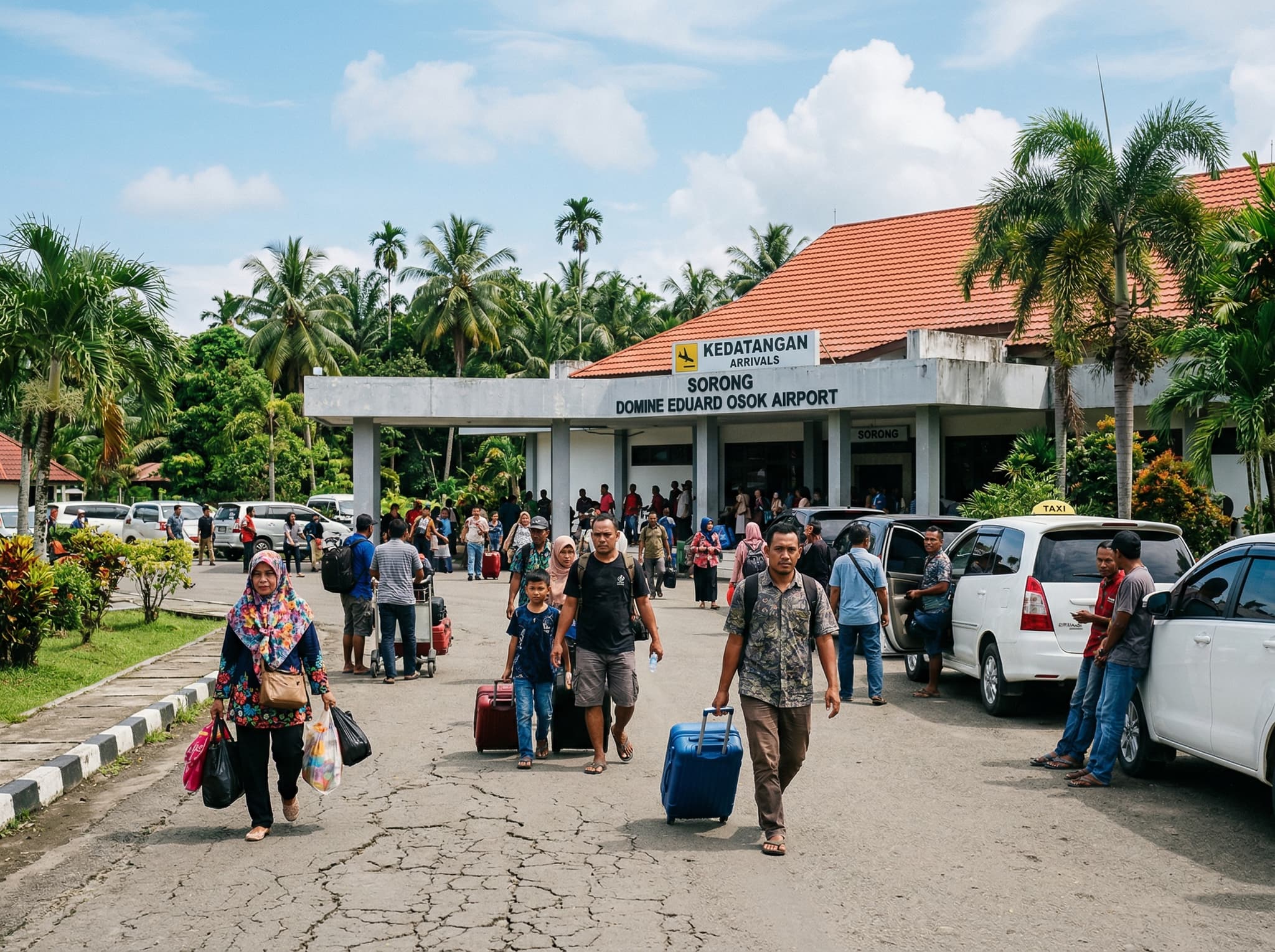
Sorong hotel night: boarding windows run 10:00–13:00, and flights into Sorong from Jakarta or Makassar are delay-prone. Budget for a hotel night before departure. It's cheap insurance against missing your boat.
Hidden Costs Summary
Marine Park fee
~$80–$290 (confirm before travel)
Equipment rental
$25–$110 per item
Crew gratuity
5–10% of trip cost
Sorong hotel buffer
1 night recommended
Deposit structure
50% at booking, balance 8 weeks before departure
Routes: Dampier Strait, Misool, and Wayag — What Each Region Offers

The route your boat takes shapes your trip more than which boat you pick. Raja Ampat divides into three distinct diving regions, and they're not interchangeable.
Dampier Strait (central) is the nutrient-rich channel between Waigeo and Batanta islands. This is where the famous sites live: Cape Kri (world-record fish count), Sardine Reef, Blue Magic (manta cleaning station), and Arborek. High-action drift diving, big fish schools, reef sharks everywhere. It's also the busiest region — and crucially, it's accessible from land-based resorts and homestays via day boat. The liveaboard advantage here is convenience, not exclusivity.
Misool (south) is where a liveaboard earns its price. Untouched coral gardens, dramatic soft-coral walls, secluded anchorages, fewer tourists. The transit from the Dampier Strait takes 10–12 hours — no resort can offer this as a day trip. If you want Misool, you need a liveaboard. Full stop.
Wayag (north) delivers the iconic karst limestone scenery that defines Raja Ampat's above-water identity, plus varied diving underneath. Important caveat: not every boat includes Wayag on every trip. Confirm with your operator before booking if Wayag matters to you.
All routes depart from Sorong. Most itineraries use the Dampier Strait as a central hub before branching north toward Wayag or south toward Misool.
Itinerary Length: 7, 9, and 12+ Nights Compared
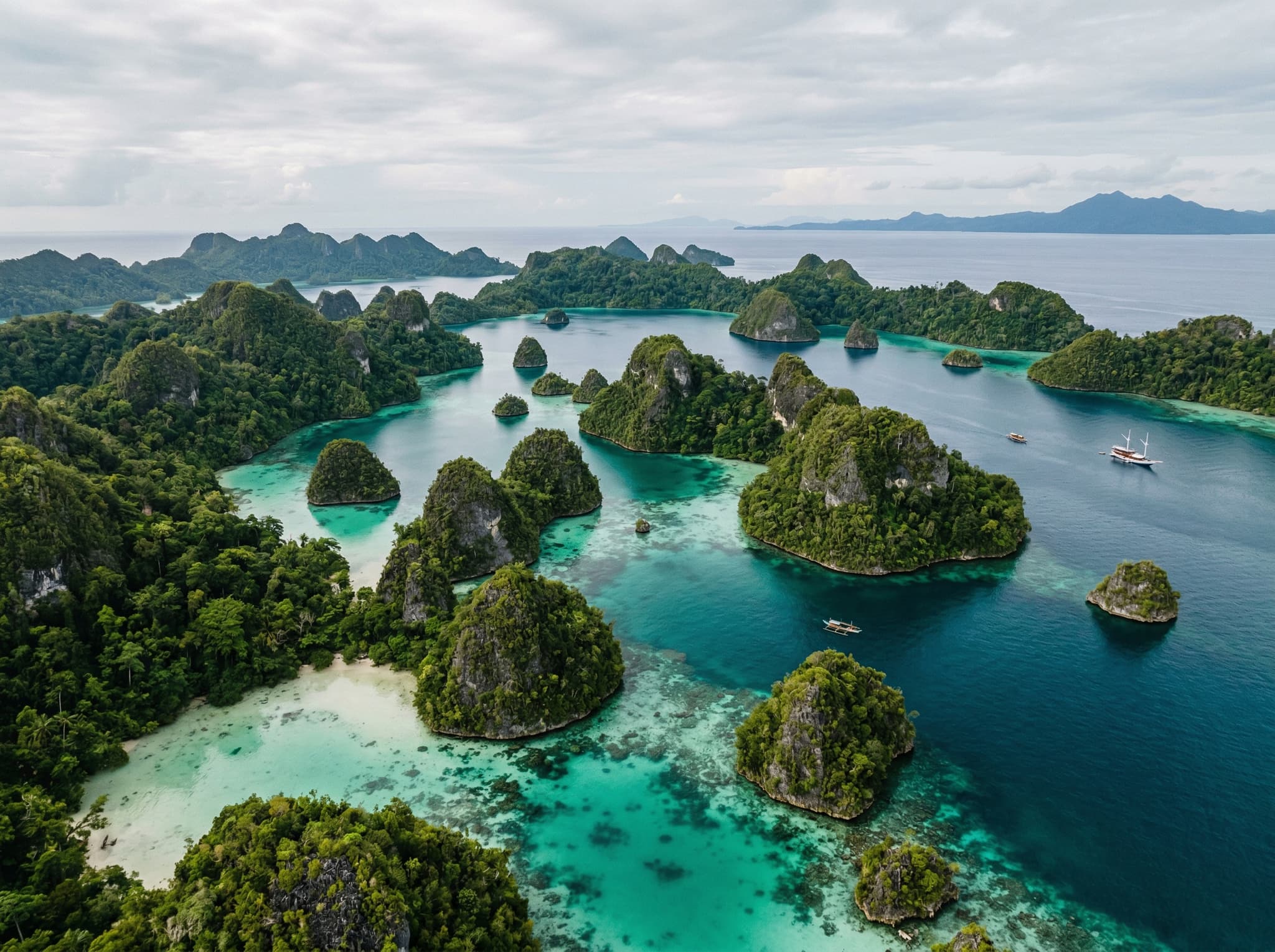
Trip length isn't just about how many nights you're willing to pay for. It determines which regions you can reach.
7–8 nights focuses on the Dampier Strait with possible excursions to Penemu or Piaynemo viewpoint. You'll hit the greatest-hits dive sites. You won't reach Misool. This is the right call for first-timers, limited vacation windows, or tighter budgets.
9–12 nights combines several days in the Dampier Strait with 3–4 days in Misool. This is the most popular itinerary format, and for good reason — it's the sweet spot where you get both the high-action central sites and the secluded southern coral. If this is your only Raja Ampat trip, 9–10 nights is the minimum to justify the cost of getting there.
12–14 nights covers the Grand Raja Ampat circuit: north (Kawe, Aljui Bay), central (Dampier Strait), and south (Misool). Weather-dependent for full coverage. Suited to experienced divers who want the complete picture.
Dives by Trip Length
Dives per day
3–4 (up to 5)
Dives per week
18–25
7-night total
~18–22 dives
10-night total
~25–30 dives
One thing to understand: more nights doesn't translate proportionally into more dives. A 12-night trip isn't 70% more diving than a 7-night trip. Some of those extra days are repositioning — the 10–12 hour transit to Misool, for instance, is a travel day with limited or no diving. You're paying for access to different regions, not simply more of the same.
Budget Liveaboards: What $200–$400 Per Day Gets You
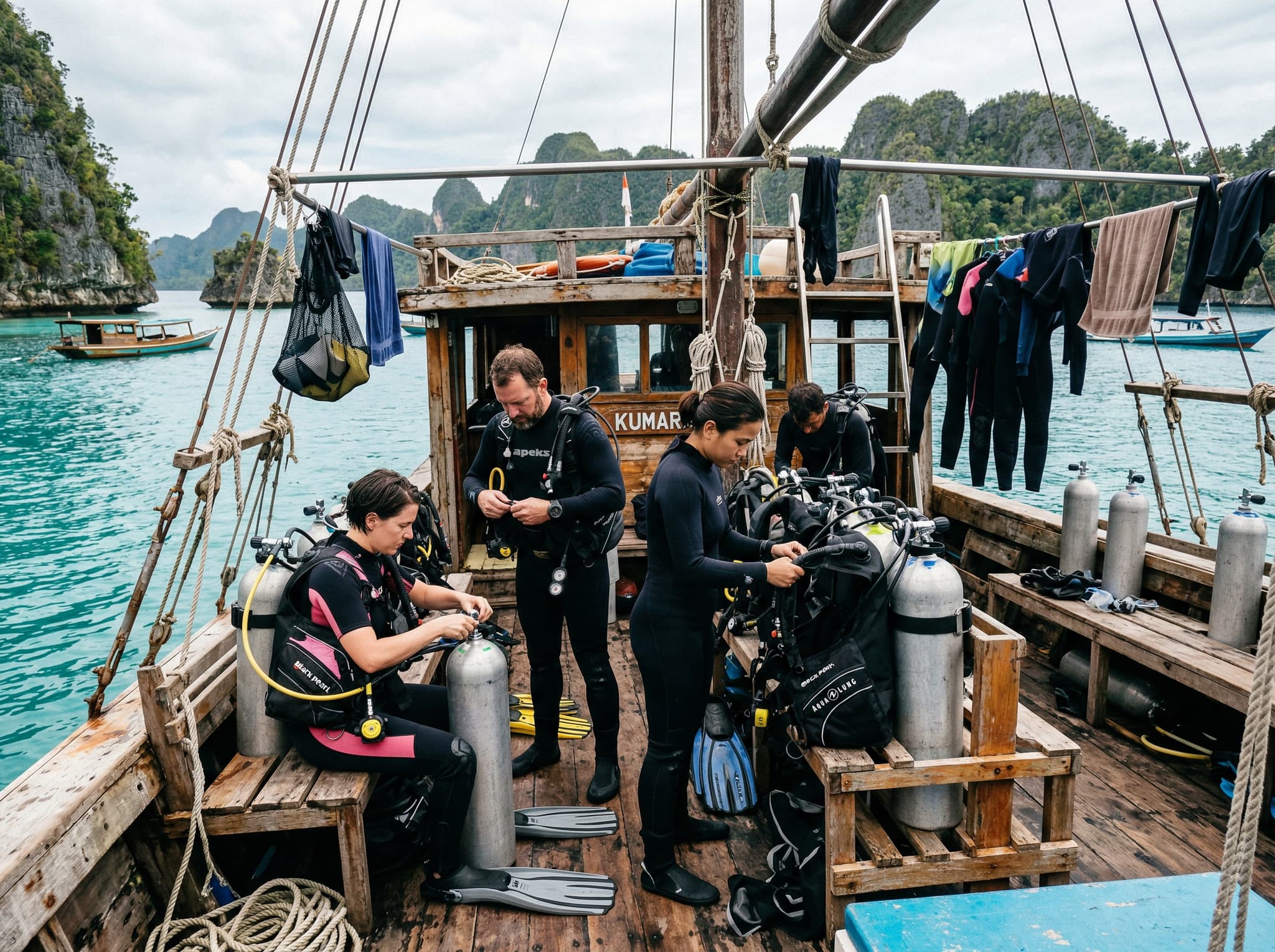
Smaller cabins. Shared bathrooms on some boats. Basic meals. No Nitrox. Limited deck space. You're paying for the diving and the route, not the boat experience.
That's the honest assessment. And for many divers — particularly experienced ones who spend most of their time in the water — it's the right trade-off.
Liquid Adventures is the clearest budget anchor: 8 guests, 10 nights, 25+ dives, roughly $270 per day. Small boat, intimate group, solid dive operation.
Epica (Scuba Republic) stands out in this tier. Six cabins, all with AC, refitted vessel, and — unusually for a budget boat — year-round Raja Ampat operation. Recent reviews signal strong repeat-visitor loyalty: one November 2025 guest described it as "exceeded every expectation" and noted they were returning for a third time. Repeat bookings are the strongest endorsement in this market, because nobody comes back to Raja Ampat for a mediocre boat.
Jaya offers 7 cabins in an expedition-style format. Reef Voyager's Mola Mola 1 runs at $2,520 for 7 days ($360/day), and their Benetta at $3,600 for 10 days ($360/day).
The trade-off framing is simple: at this tier, you're diving the same reefs as the $7,000 boat. The reef sharks at Cape Kri don't check your cabin size. The difference is entirely about what happens between dives — the food, the space, the comfort of your bunk.
Mid-Range Liveaboards: What $300–$500 Per Day Gets You
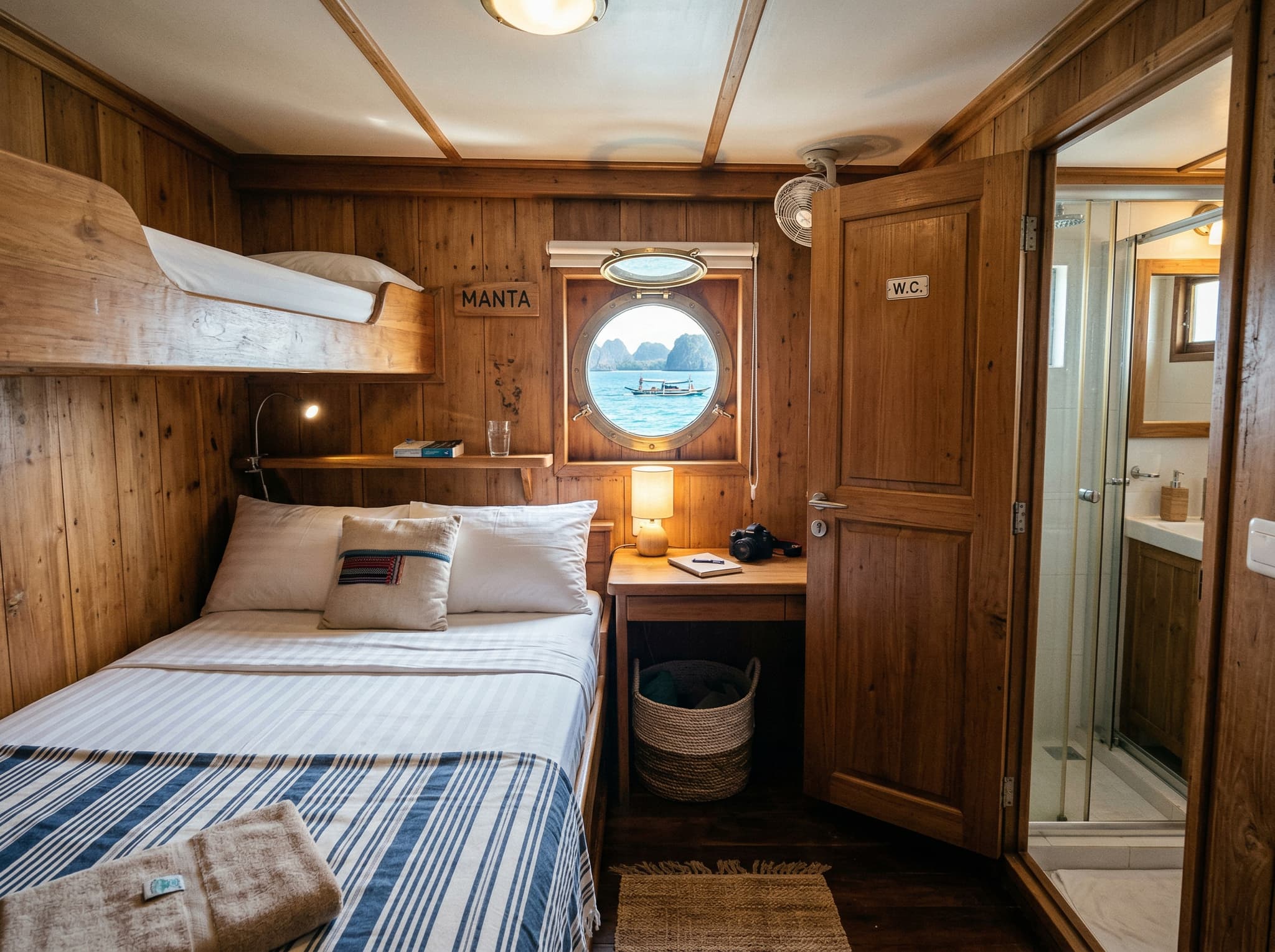
The quality jump from budget to mid-range is the biggest in the market. Ensuite cabins, Nitrox included, noticeably better dining, more deck space, dedicated camera setup areas. This is where comfort matches the diving.
Mermaid II is the clearest comparison tool because the same boat offers two price points: Budget Cabin at ~$370/day and Deluxe at ~$430/day, both on 9-day trips. Same route, same crew, same dives — $60 per day buys you a bigger cabin with better fittings. That's a useful benchmark for understanding what money buys at this tier.
La Galigo accommodates 14 guests on 8–9 day trips and generates the kind of reviews that matter most: repeat visitors. A September 2025 guest wrote "My 2nd time... trust La Galigo blindly." When someone uses the word "blindly" about a multi-thousand-dollar purchase, that's a signal.
Here's the full mid-range roster with operating seasons:
Mid-Range Boats and Seasons
Calico Jack
10 guests, Oct–Jun
Emperor Raja Laut
12 guests, Oct–Feb
Mermaid I
15 guests, Dec–Apr (2024 awards)
La Galigo
14 guests, 8–9 day trips
Nataraja
9 guests, Dec–Mar
Raja Manta
20 guests, Sep–Mar
Blue Manta
22 guests
Operating seasons matter. If you're booking for March, half this list isn't available. Match your travel dates to the boat's season first, then compare within the options that remain.
Equipment rental is still typically extra at this tier — budget $25–$110 per item if you don't bring your own gear.
Luxury Liveaboards: What $500+ Per Day Gets You
Suites. Spa facilities. Fine dining. Dedicated camera rooms with charging stations and rinse tanks. Unlimited dives. At this tier, you're buying a complete experience, not just dive access.
Damai I and II are the anchor names, with over 25 years of operation and vessels custom-built for remote Raja Ampat expeditions. Damai II's New Year's trip prices a twin cabin at $7,480 for 11 nights ($680/day) and a single cabin at $10,065 ($915/day). Note the $407 new guest fee on top.
Emperor Harmoni starts from $6,259.
Arenui and Dewi Nusantara are consistently rated among the best liveaboards in Raja Ampat, but confirmed 2025/2026 pricing was not available in current published sources. Contact these operators directly for rates and availability.
Liveaboard vs. Resort vs. Homestay: When a Liveaboard Isn't the Right Call
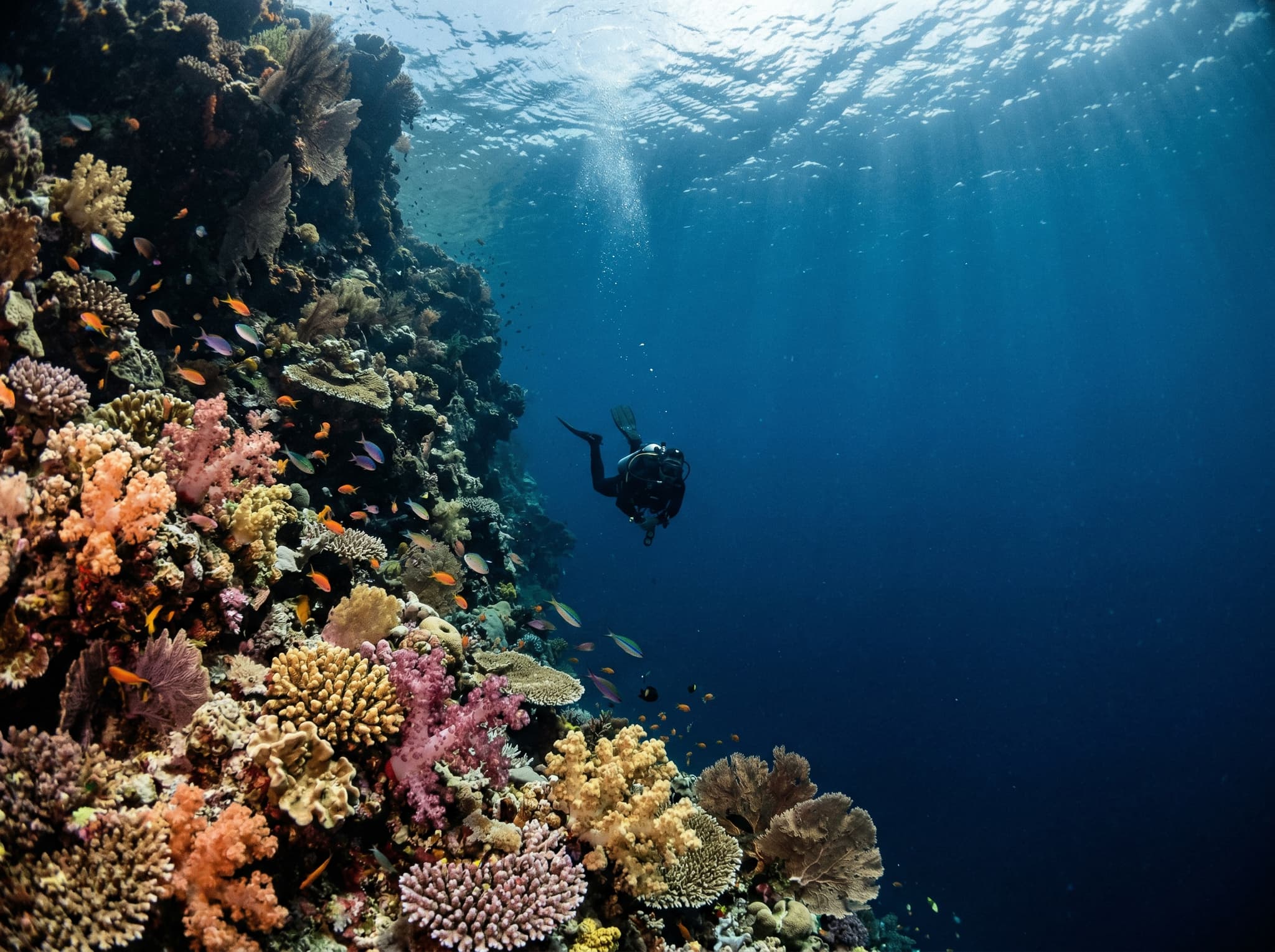
Many readers searching for liveaboards haven't fully committed to the format. This section helps you confirm or eliminate it.
Format Comparison
Liveaboard dives/day
3–5
Resort dives/day
2–3 + house reef
Liveaboard cost/week
$3,500–$6,000+ (all-inclusive)
Resort cost/week
$2,000–$4,000+ (meals often extra)
Homestay cost/week
~25% less than resorts
Liveaboard site access
Multi-region (Dampier, Misool, Wayag)
Resort site access
Dampier Strait day-boat range only
Choose a liveaboard if: you're a dedicated diver prioritizing volume and remote access. You want Misool. You want 25+ dives in a week. You don't mind living on a boat.
Choose a resort if: your group includes non-divers. You want a longer stay with more flexibility. You're happy diving the Dampier Strait. Low-season discounts of 25–50% at properties like Misool Resort and Raja4Divers (June–September) make this option significantly cheaper.
Choose a homestay if: you want budget flexibility, cultural immersion, and you're comfortable with basic accommodation. Meals are typically extra. Local knowledge from hosts is a genuine advantage.
The key decision point: if your group includes non-divers, a resort is almost always the better choice. If you want Misool, a liveaboard is the only practical option — the 10–12 hour transit makes it impossible as a day trip from any land base.
When to Go and How Far Ahead to Book
Season and Booking Timeline
Peak season
November–February
Full liveaboard season
October–May
Low season
June–September (fewer boats)
High-season lead time
9–12 months
Shoulder lead time
6–9 months
Deposit
50% at booking
Balance due
8 weeks before departure
November through February offers the best visibility and optimal conditions for Misool access. It's also when demand is highest. Popular boats and preferred cabins book 9–12 months in advance during this window. If you're targeting a specific boat for January 2027, you should be researching now and booking by spring 2026.
Shoulder months (October, March, April) are more forgiving — 6–9 months of lead time is usually sufficient.
June through September sees fewer boats operating, more last-minute availability, and potential discounts. The trade-off: some routes — particularly southern Misool itineraries — may not run during this period.
Before You Book: Requirements and Logistics
Certification: PADI Advanced Open Water or equivalent, with 50+ logged dives recommended. Raja Ampat diving involves strong currents, deep profiles, and 3–4 dives per day — this is not a beginner destination for liveaboard diving. Nitrox certification is strongly advised given the dive profiles.
Insurance: Dive insurance is mandatory on most boats. Travel insurance is strongly recommended — Raja Ampat is remote, and medical facilities are limited.
Visa: eVOA or 30-day visa on arrival for most nationalities. Passport must be valid for 6+ months from entry date.
Getting there: All liveaboards depart from Sorong. Crew meets guests at Sorong Airport or hotel. Boarding window is 10:00–13:00. Flights from Jakarta or Makassar connect to Sorong, but delays are common. Arrive the day before and stay overnight. A missed boarding window means a missed trip.
Matching Your Profile to the Right Boat
The reef doesn't care what boat you're on. The decision is about what you want between dives. Here's the quick-reference framework:
First trip to Raja Ampat, limited budget or vacation time: Budget boat, 7–8 nights, Dampier Strait focus. You'll see the greatest hits — Cape Kri, Blue Magic, Sardine Reef — and spend $1,700–$2,800 total. Consider whether a resort might serve you equally well at this itinerary length.
Experienced diver wanting the full experience: Mid-range boat, 9–10 nights, Dampier Strait + Misool combination. This is the sweet spot for most divers — $2,900–$4,500 total, ensuite cabins, Nitrox included, and you reach the remote southern reefs that justify choosing a liveaboard over a resort.
Money is not the primary constraint: Luxury boat, 11–14 nights, grand itinerary covering north, central, and south. $5,000–$10,000+. You're buying the complete Raja Ampat experience with the best surface-interval comfort available.
All prices in this guide reflect 2025–2026 published rates and are subject to change. Verify directly with operators before committing a deposit. The Marine Park fee, in particular, should be confirmed at the time of booking — not assumed from any published source.
The reefs will be extraordinary regardless of your tier. What changes is everything else.