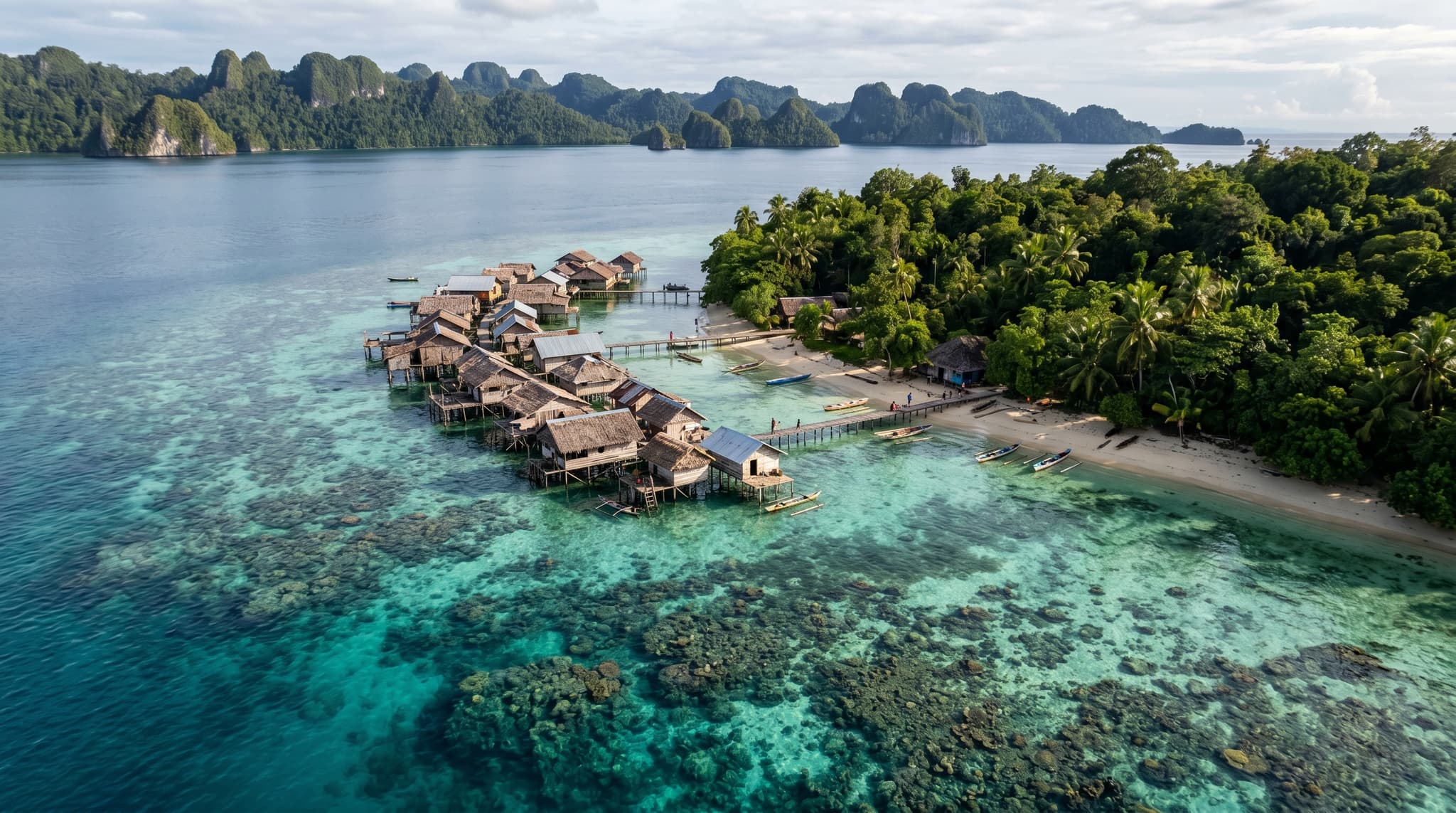
Misool is the remote southern heart of Raja Ampat — harder to reach, emptier, and home to some of the healthiest reefs on Earth. Here's what to expect.
Most people who come to Raja Ampat never make it to Misool. They fly into Sorong, take a ferry to Waisai, explore the reefs around Waigeo and Kri, and go home believing they've seen it. They have — but only the northern half.
Misool sits in the south, separated by open water and a longer journey that filters out casual visitors. What remains is something closer to what Raja Ampat was fifteen years ago: empty lagoons, reef systems that haven't been hammered by snorkel traffic, and a quietness that has weight to it. I don't mean silence — the birds are loud, the water slaps limestone all night — but the absence of other people doing what you're doing.
The Landscape
Misool's geography is limestone karst — the same formations you see in Wayag to the north, but here they're scattered across a wider area and feel less like a postcard and more like a place you've stumbled into. Mushroom-shaped islets rise from turquoise shallows. Hidden lagoons open up behind what looks like solid rock. The stone is ancient, undercut by centuries of tidal erosion, and at water level it's sharp enough to cut skin.
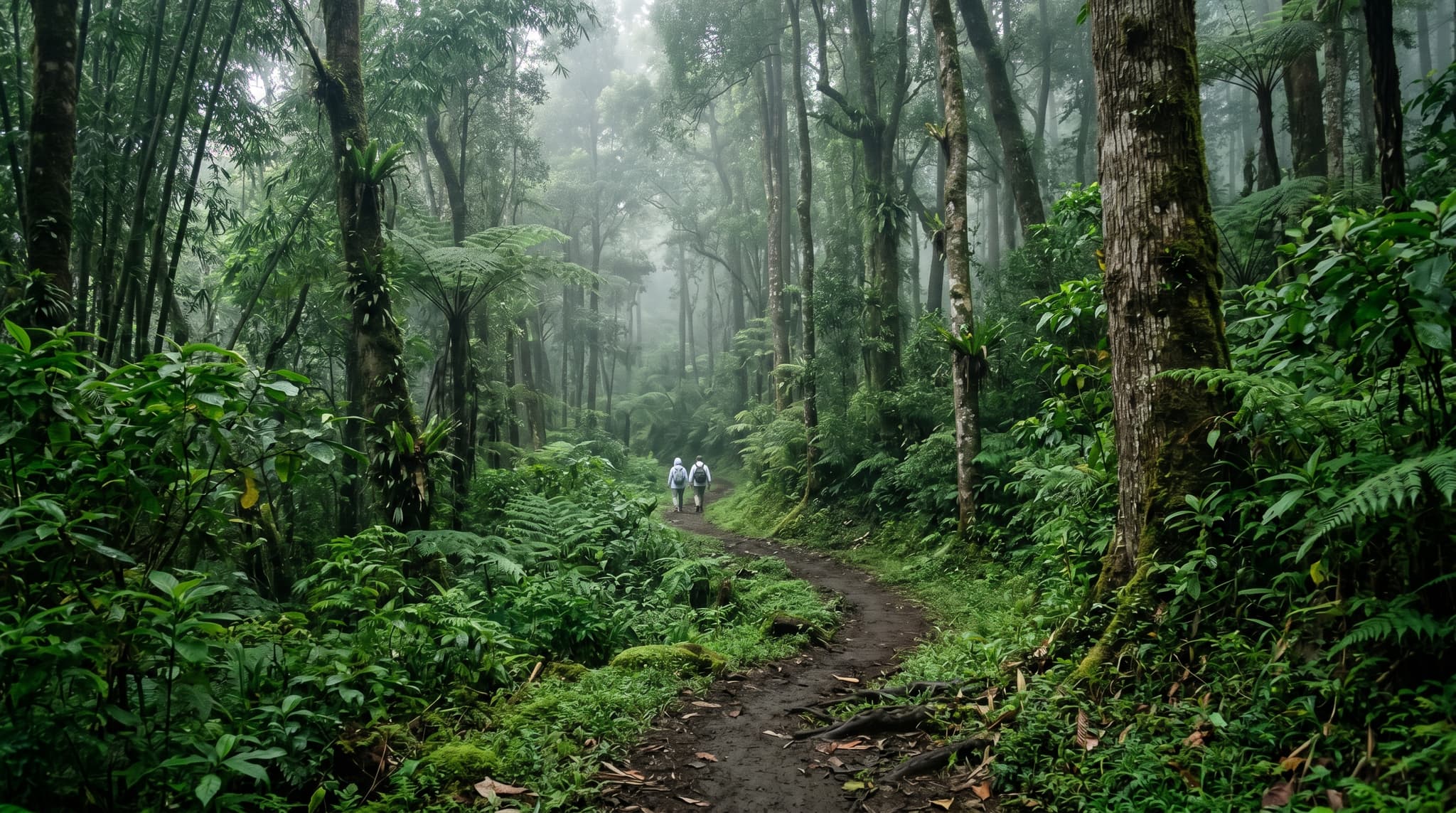
The interior of Misool island itself is largely forested and sparsely populated. Most travelers never set foot on the main island. The draw is the surrounding seascape — hundreds of small islands, channels, and reef systems that make up what's sometimes called the Misool archipelago.
Diving and Snorkeling
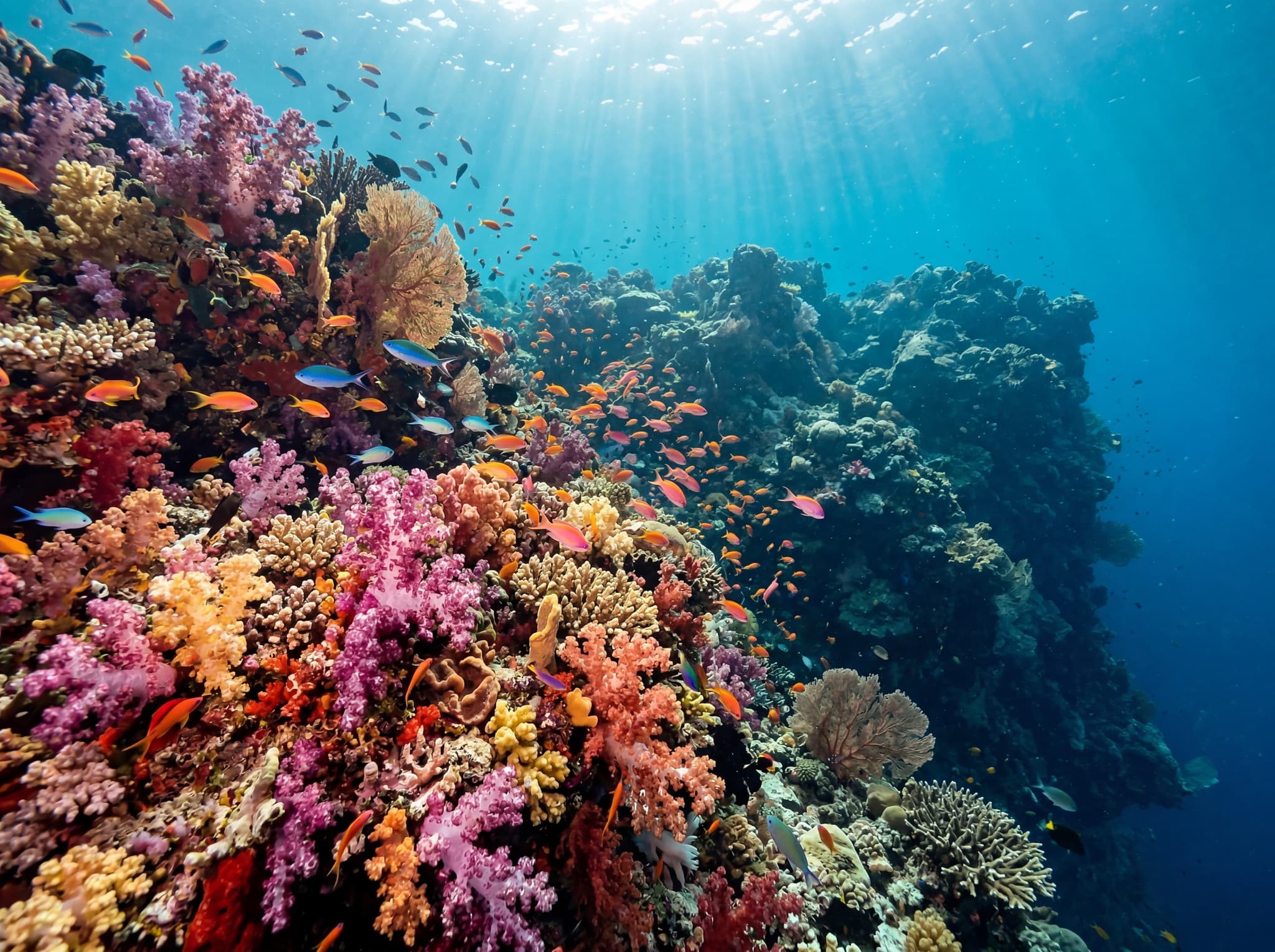
This is why people make the journey. Misool's reefs are among the most biodiverse on Earth — coral coverage here is dense, healthy, and in many places untouched by bleaching. Soft coral fans the size of small cars. Hard coral gardens that look like someone arranged them.
The diving breaks down roughly by type:
Key Dive Areas
Boo Windows
Swim-throughs in limestone rock with massive sea fans; iconic site
Fiabacet
Strong currents, schooling fish, grey reef sharks on the wall
Nudi Rock
Macro diving — nudibranchs, pygmy seahorses, ornate ghost pipefish
Magic Mountain
Submerged seamount; manta cleaning station, best October–April
Whale Rock
Wobbegong sharks resting under table corals; calm, shallow
Visibility ranges from 15 to 30 meters depending on season and currents. The water is warm enough that most divers wear a 3mm suit or a rash guard.
Snorkeling is exceptional in the shallows around the karst islands, where reef starts at knee depth. You don't need a dive certification to see extraordinary things here — I've watched a school of bumphead parrotfish graze past in chest-deep water.
Getting There
This is the hard part, and it's the reason Misool stays quiet.
By liveaboard: The most common way to dive Misool. Multi-day liveaboard routes through southern Raja Ampat typically spend three to five days around Misool's sites. Prices range widely — budget liveaboards start around $2,500 for a week-long trip; premium operators run $5,000–$10,000+. Book months in advance for peak season (October–December).
By resort transfer: Misool Eco Resort and a handful of smaller operations arrange speedboat transfers from Sorong, typically four to five hours each way. These are usually included in resort packages.
By public boat: Possible but unreliable. A cargo ferry connects Sorong to Misool's main town (Yellu or Harapan Jaya), but schedules shift, comfort is minimal, and you'll still need local boat transport to reach dive sites or accommodation. This is the budget route, but it requires flexibility and patience.
By air: A small airport on Misool opened in recent years with limited commercial service. Check current schedules — flights are infrequent and subject to cancellation.
Where to Stay
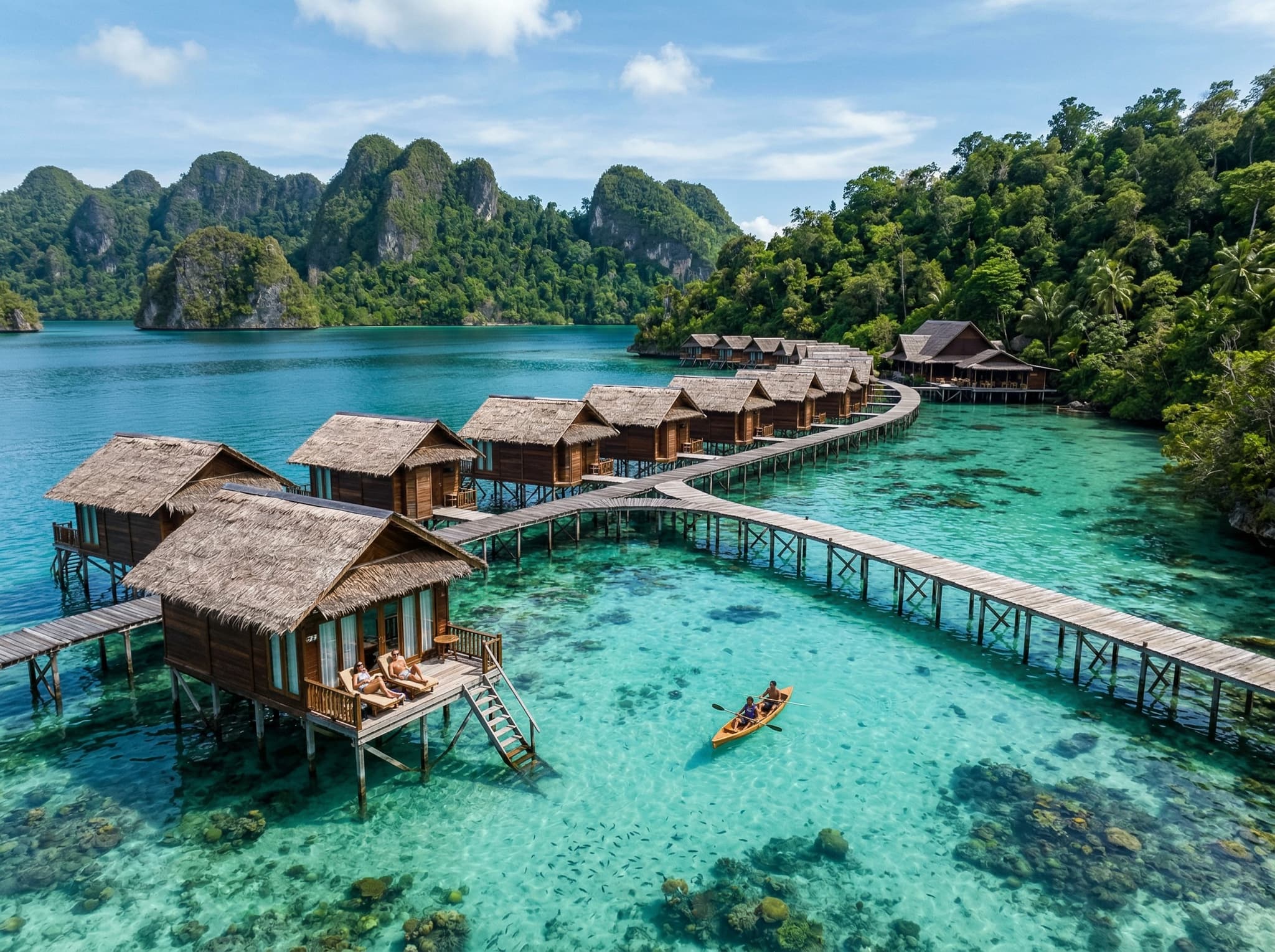
Options are limited, which is part of the point.
Misool Eco Resort is the most established operation — a high-end eco-resort built on a former shark-finning camp. Over-water bungalows, a house reef, and a dive center with direct access to southern Misool's best sites. Expect to pay $400–$800+ per night in a package that includes diving, meals, and transfers. It's not cheap, but the conservation model is real — the resort funds the no-take zone and employs local Papuan staff.
Homestays exist on Misool and surrounding islands, though they're far less developed than the homestay network around Waigeo and Kri. Expect basic rooms, shared meals, and limited English. Prices run $50–$150 per night including meals. Arranging dive trips from a homestay requires coordination — you'll likely need to hire a local boat and guide separately.
Liveaboards are effectively floating hotels and the most practical option for divers who want to cover multiple sites without the logistics of land-based transport.
What to Know Before You Go
Permits: All visitors to Raja Ampat must purchase a marine park entry permit — currently 1,000,000 IDR (approximately $65) for international visitors. Buy it online before arrival or at the permit office in Waisai. The permit is valid for one year.
Connectivity: Expect limited or no cell signal and no reliable Wi-Fi outside of Misool Eco Resort. Plan accordingly.
Season: October through April offers the calmest seas and best diving conditions in southern Raja Ampat. May through September brings rougher water and reduced visibility, and some operators suspend Misool trips entirely during this period.
Health: The nearest hospital is in Sorong. Bring a well-stocked first aid kit, any prescription medications, and ensure your travel insurance covers emergency evacuation. The nearest hyperbaric chamber is also in Sorong.
The Honest Take
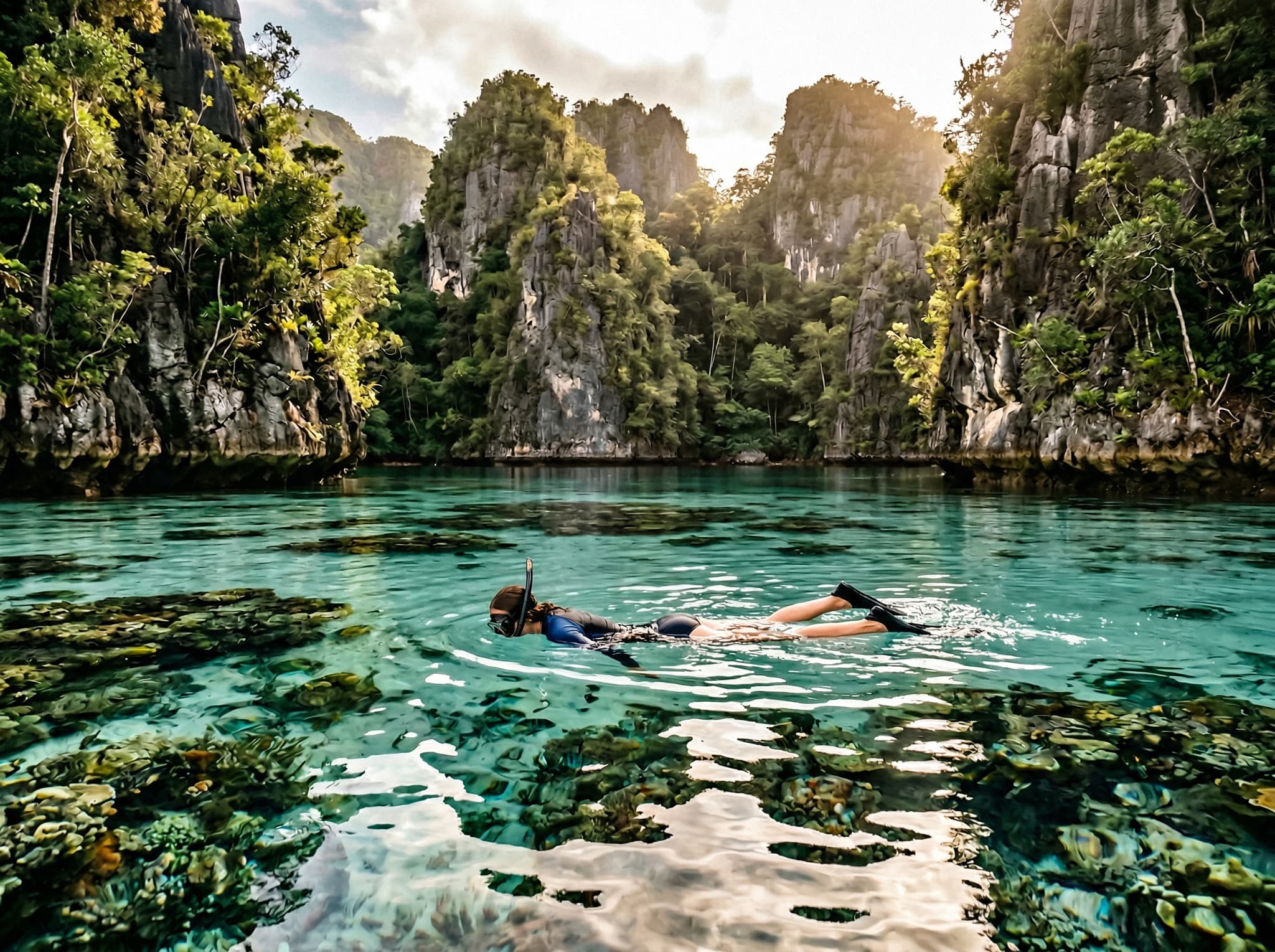
Misool is not convenient. It's expensive to reach, limited in accommodation, and requires more planning than the northern Raja Ampat circuit. If you have four days and a moderate budget, Waigeo and the Dampier Strait will give you world-class diving with far less friction.
But if you have the time and the resources, Misool is the version of Raja Ampat that reminds you why the place became famous before it became a destination. The reefs are healthier. The water is emptier. The karst lagoons feel like they belong to you for the hour you're floating in them — because, that morning, they do.