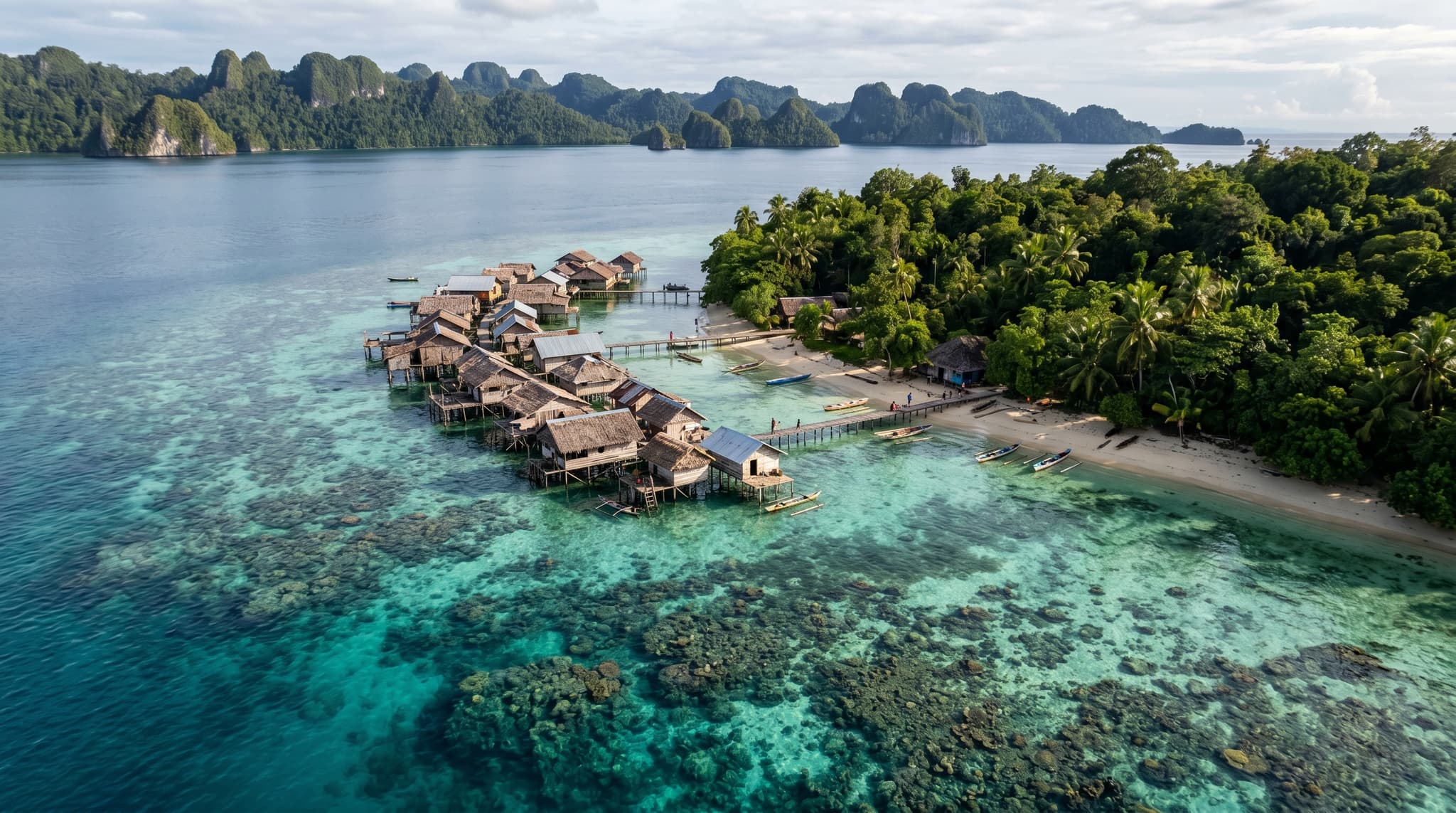
Kri Island sits at the heart of Raja Ampat's richest reefs. Here's what to know about diving, homestays, and reaching this remote Indonesian island.
Before Raja Ampat became shorthand for bucket-list diving, before the homestay boom spread across its 1,500 islands, there was Kri. This small, jungle-covered island in the Dampier Strait was where the first dive operators set up in the late 1990s, drawn by reef surveys that kept breaking records for species diversity. A single dive at Cape Kri logged 374 fish species in 2012 — a world record that still stands.
Kri isn't the most remote island in Raja Ampat, nor the most luxurious. What it offers is something harder to replicate: proximity to some of the richest reefs on the planet, a small community of homestays and dive operations that have been refining the experience for over two decades, and the particular feeling of swimming over a reef so dense with life that the coral itself seems to vibrate.
Getting to Kri

Every journey to Raja Ampat starts in Sorong, a port city on the western tip of the Bird's Head Peninsula. Garuda Indonesia, Lion Air, and Batik Air operate daily flights from Jakarta, usually connecting through Makassar or Manado. From Sorong's airport, it's a short taxi ride to the harbor.
Most homestays on Kri arrange boat transfers as part of the booking. The ride from Sorong's Waisai port to Kri takes roughly two to three hours by longboat, depending on sea conditions. Some travelers overnight in Waisai — the administrative capital of Raja Ampat Regency — but there's little reason to linger. The real infrastructure is on the islands themselves.
The Diving: Why Kri Matters

Kri's reputation rests on a simple geographic fact: it sits in the Dampier Strait, a channel between Waigeo and Batanta islands where powerful currents funnel nutrient-rich water across shallow reef systems. The result is an almost absurd concentration of marine life. Hard corals, soft corals, gorgonian fans, reef fish in schools so thick they block the light, pelagics cruising the drop-offs — it's the kind of diving that recalibrates your sense of what a healthy reef looks like.
Key Dive Sites Near Kri
Cape Kri
World record site — 374 fish species logged in one dive. Strong currents, best for experienced divers.
Sardine Reef
Massive schools of fusiliers and surgeonfish over a sloping reef. Accessible to all levels.
Mike's Point
Wall dive with wobbegong sharks, pygmy seahorses, and dense soft coral gardens.
Chicken Reef
Sheltered site with gentle currents — excellent for newer divers and macro photography.
Cape Kri is the headline act. The site is a submerged ridge extending from the island's eastern tip, where currents converge and the reef drops steeply into blue water. It's not a casual dive — currents can be strong and unpredictable, and most operators recommend it for divers with open-water experience in current. But the payoff is extraordinary. Blacktip reef sharks patrol the shallows. Barracuda form silver tornados in the mid-water. Manta rays pass through seasonally, typically between October and April.
Sardine Reef, just off Kri's northern shore, is more forgiving and arguably just as spectacular. The reef slopes gently from about five meters to thirty, covered in table corals and populated by such dense schools of fish that the site earned its name honestly.

For those who don't dive, snorkeling off Kri's house reef is remarkably good. The coral starts in waist-deep water, and it's common to see reef sharks, turtles, and cuttlefish within a few meters of shore.
Where to Stay
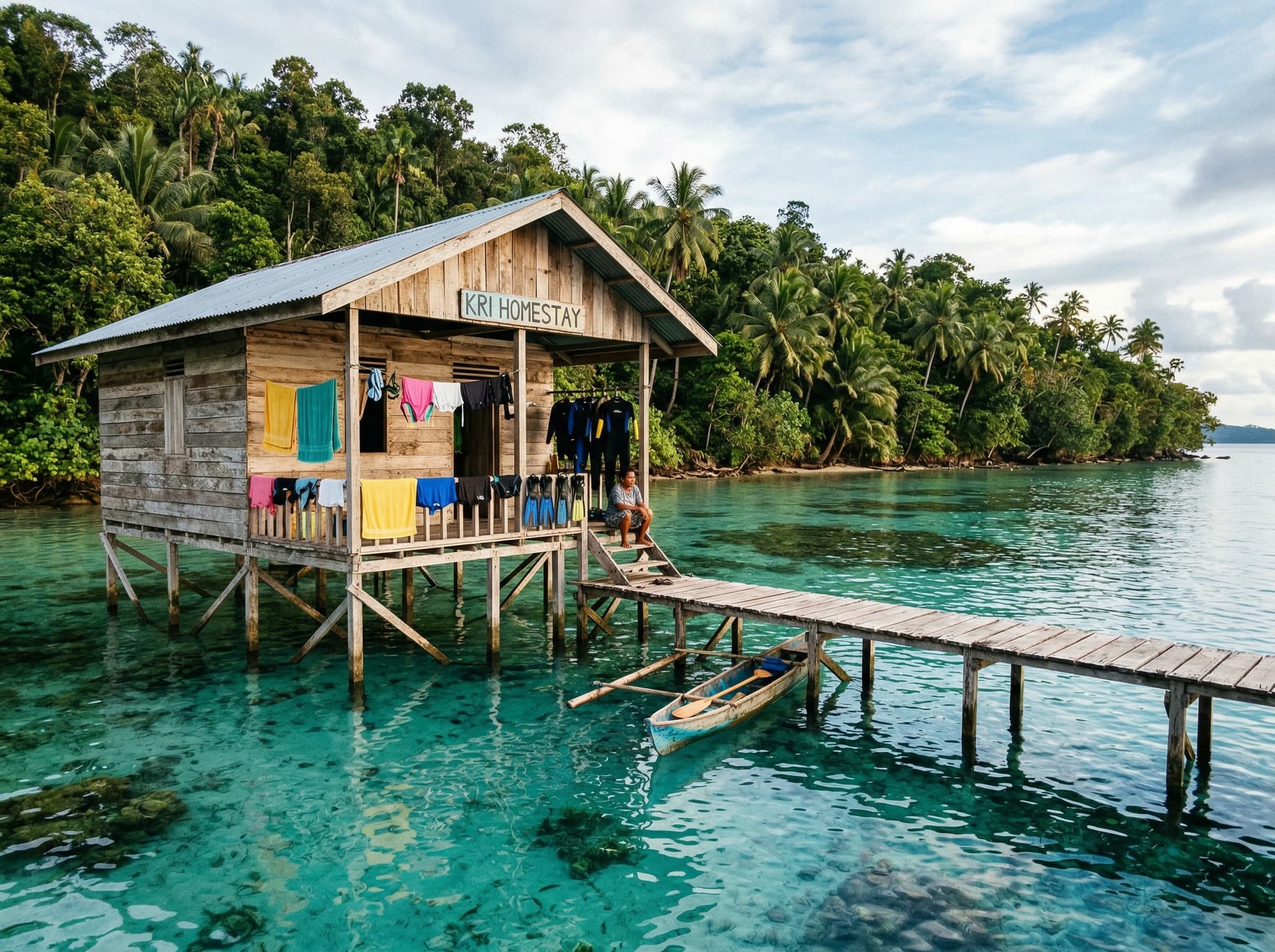
Kri's accommodation falls into two categories: homestays and a handful of more established dive resorts. There are no luxury hotels. This is part of the appeal.
Homestays are the backbone of Raja Ampat's tourism model — locally owned, typically simple wooden structures built over the water or along the beach, with full-board meal plans included. Expect basic rooms, shared bathrooms in most cases, and three meals a day of freshly caught fish, rice, and vegetables. Rates generally run IDR 500,000–800,000 per person per night, with dive packages available separately.
Kri Eco Resort, one of the first dive operations established on the island, offers a more structured experience with dedicated dive guides, better-appointed bungalows, and organized excursions. It sits at the higher end of Raja Ampat pricing but remains modest by international dive-resort standards.
Beyond the Water
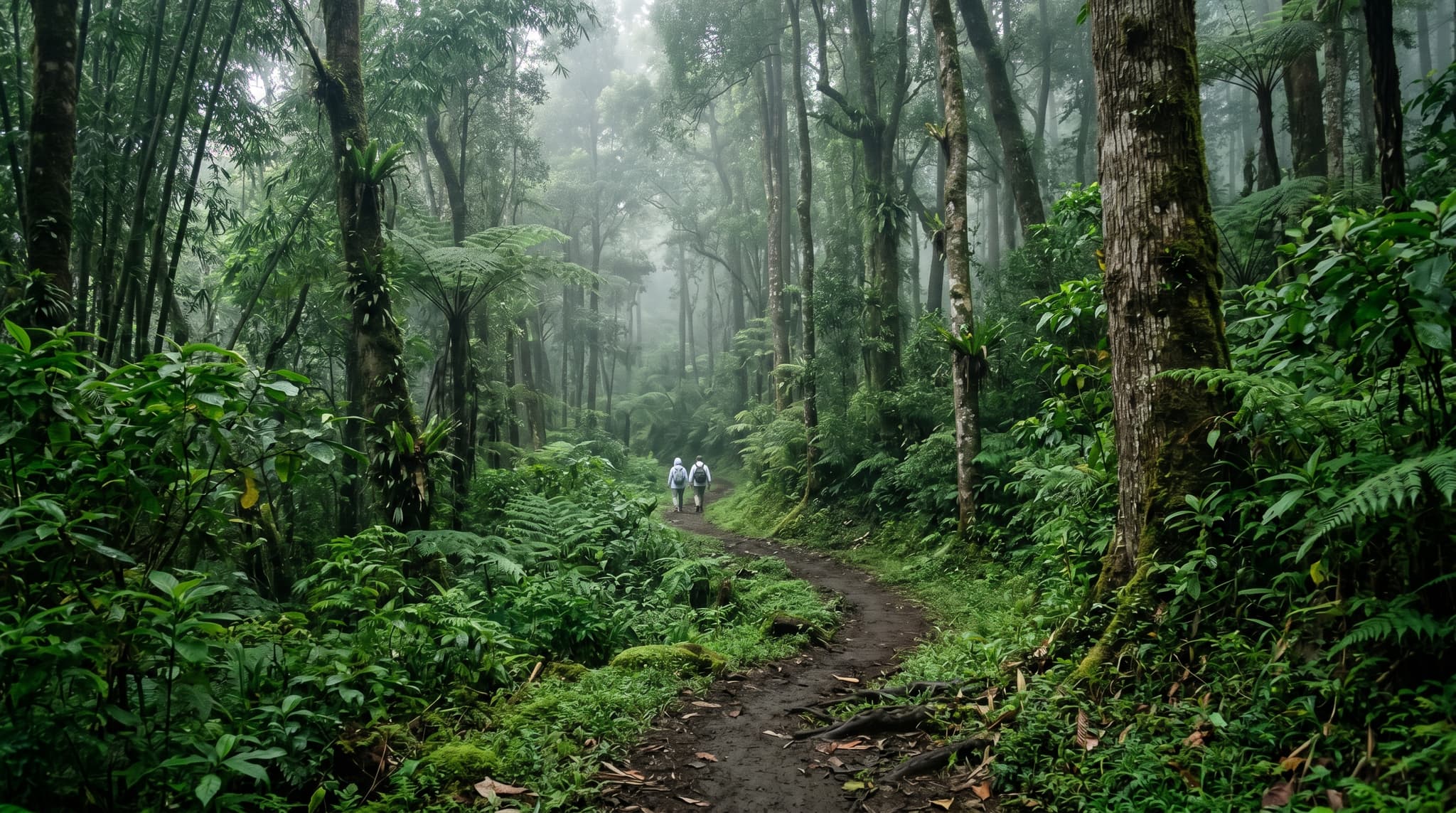
Kri is small — you can walk its length in under an hour. The interior is dense tropical forest, and a trail crosses the island's ridge with views over the Dampier Strait. Birdwatching is productive here, particularly for Wilson's bird-of-paradise and red bird-of-paradise, both endemic to the Raja Ampat region, though sightings are more reliable on neighboring Gam Island where guided walks are organized specifically for that purpose.
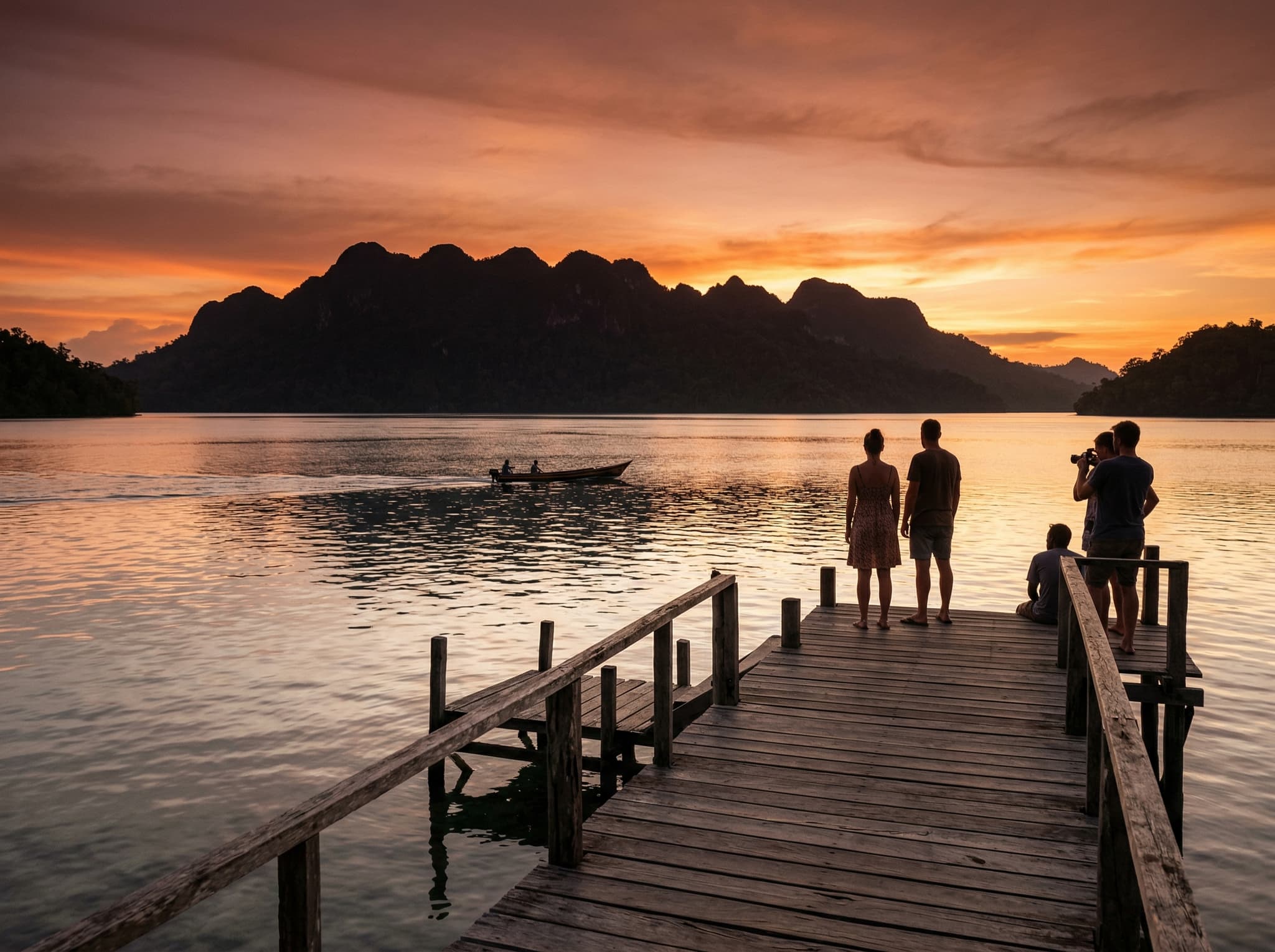
Sunset from Kri's western beach is the kind of thing that would be a cliché if it weren't genuinely arresting — the sky turns copper over Batanta's silhouette, and the water goes flat and metallic. Most evenings, the homestay guests gather on the jetty and just watch.
Practical Considerations
There is no reliable electricity on Kri outside of generator hours (typically evenings). There is no Wi-Fi worth depending on. There are no ATMs, pharmacies, or convenience stores. Bring cash in Indonesian rupiah, any medications you need, reef-safe sunscreen, and the ability to disconnect for a few days.
This is part of the filter. Kri doesn't attract crowds because it requires effort to reach and a willingness to trade comfort for proximity to something genuinely rare. The reefs here are among the most biodiverse on the planet — not as a marketing claim, but as a measured, documented fact. For divers and ocean lovers willing to make the trip, that matters more than the thread count.