Batanta is Raja Ampat's least-visited major island — no resorts, no dive shops, just raw forest, pristine reefs, and one of Earth's rarest birds.
Everyone knows the name Raja Ampat. Fewer people know what it actually means: Empat Raja, Four Kings. The four major islands — Waigeo, Batanta, Salawati, and Misool — each named for a king in local mythology. Of these, Batanta is the one most travelers skip entirely. Some don't even realize it exists.
That's not a marketing failure. It's simply what happens when an island has no dive resorts, no Instagram-ready overwater bungalows, and no reliable way to get there without arranging your own boat. Batanta sits between Waigeo to the north and Salawati to the south, close enough to Waisai that you can see its ridgeline from the harbor on a clear morning. And yet it occupies a different category of place — one where the infrastructure hasn't arrived, and might not.
I spent two nights on Batanta during a longer trip through Raja Ampat. What I found was less a destination than a landscape that hasn't yet learned to perform for visitors.
Getting There
There is no public ferry to Batanta. From Waisai — Raja Ampat's administrative hub on Waigeo, reachable by ferry from Sorong — you'll need to charter a speedboat. The crossing takes roughly 45 minutes to the island's northern coast, though this varies with sea conditions and your specific landing point.
Expect to pay between IDR 2,000,000–4,000,000 ($125–250 USD) for a return charter, negotiated at the Waisai harbor. Prices fluctuate with fuel costs, weather, and how well you communicate your itinerary. Some liveaboard operators passing through Raja Ampat include Batanta as a snorkeling or kayaking stop, which removes the logistics problem but limits your time on the island.
What's There
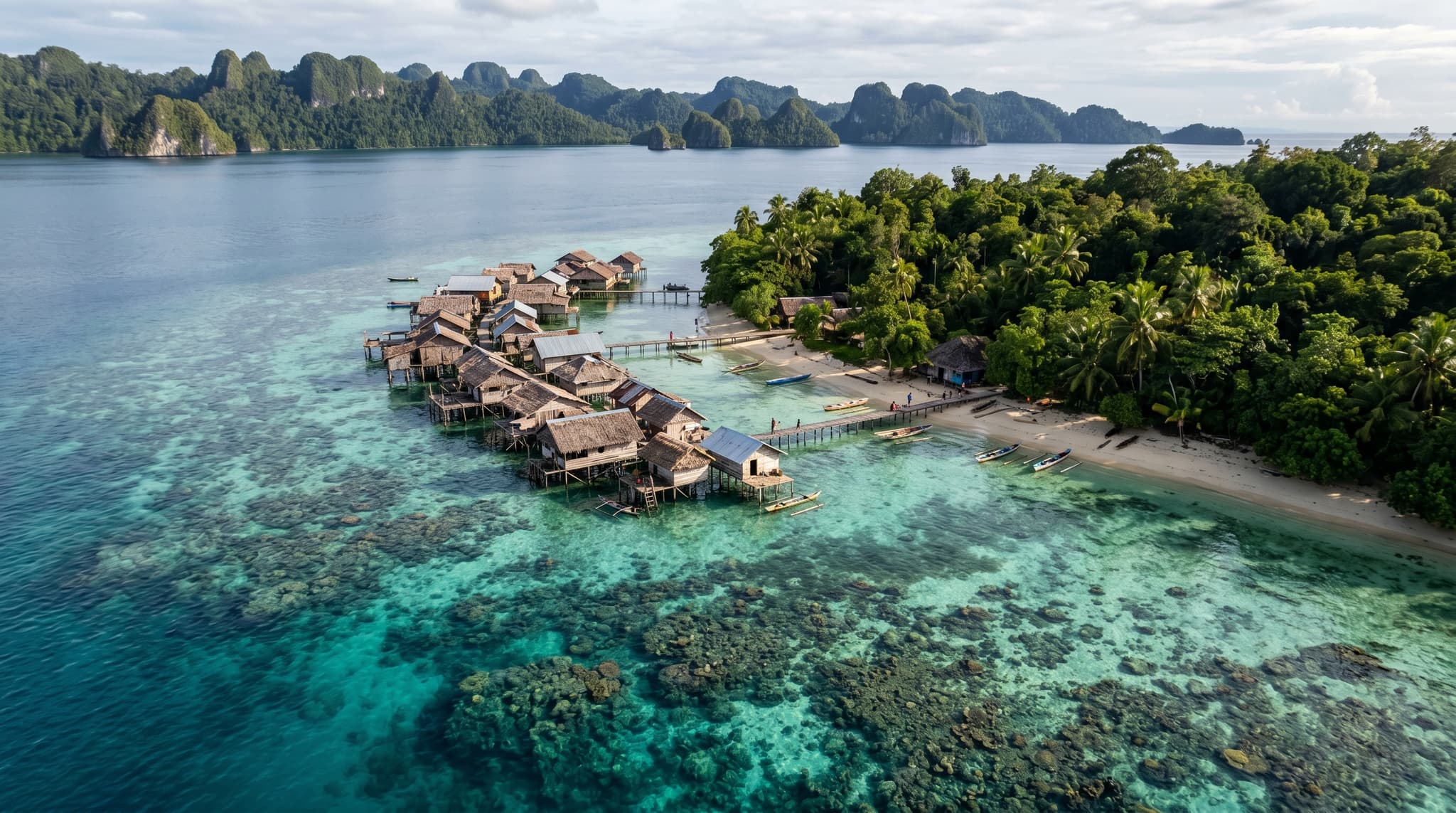
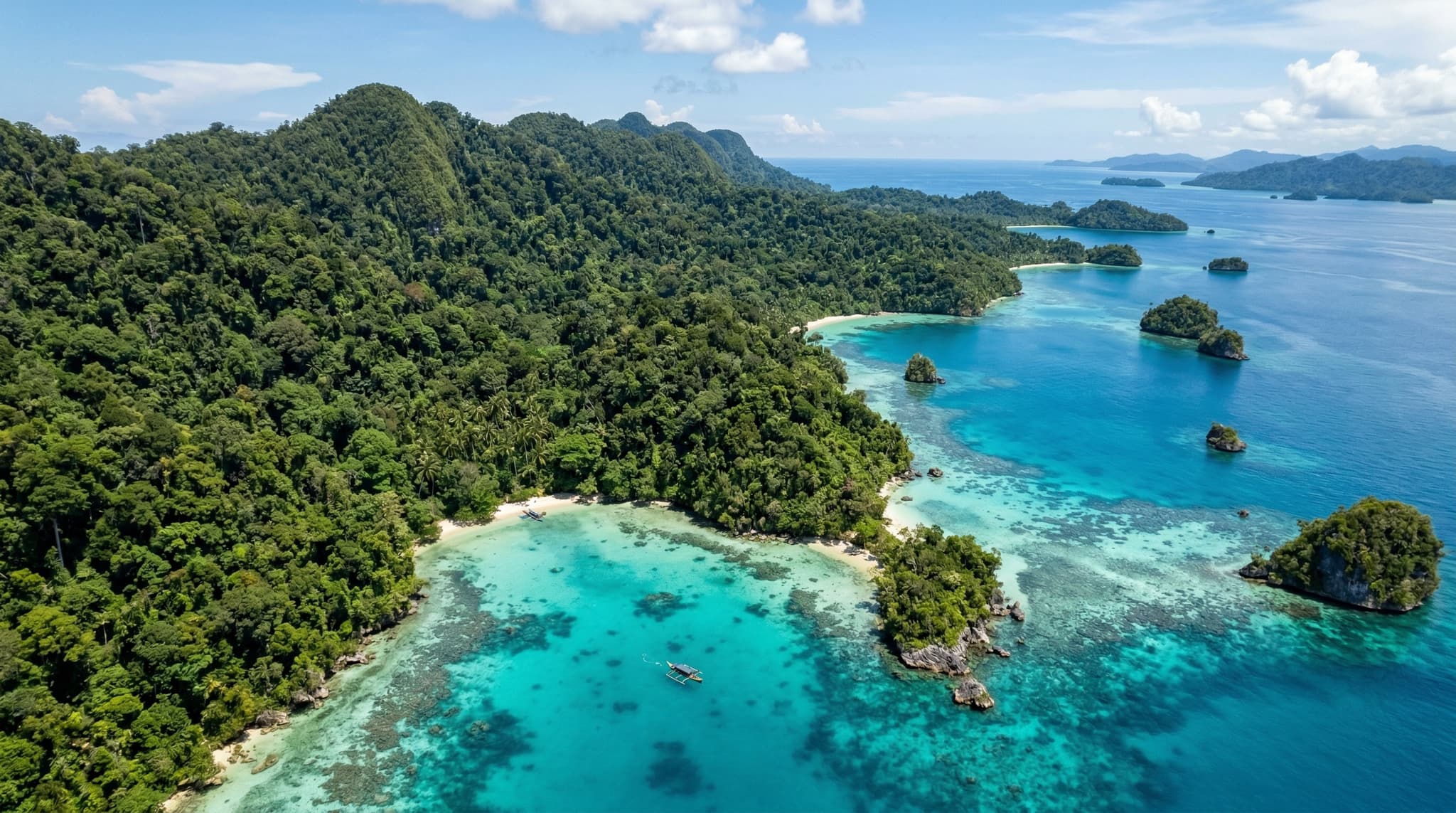
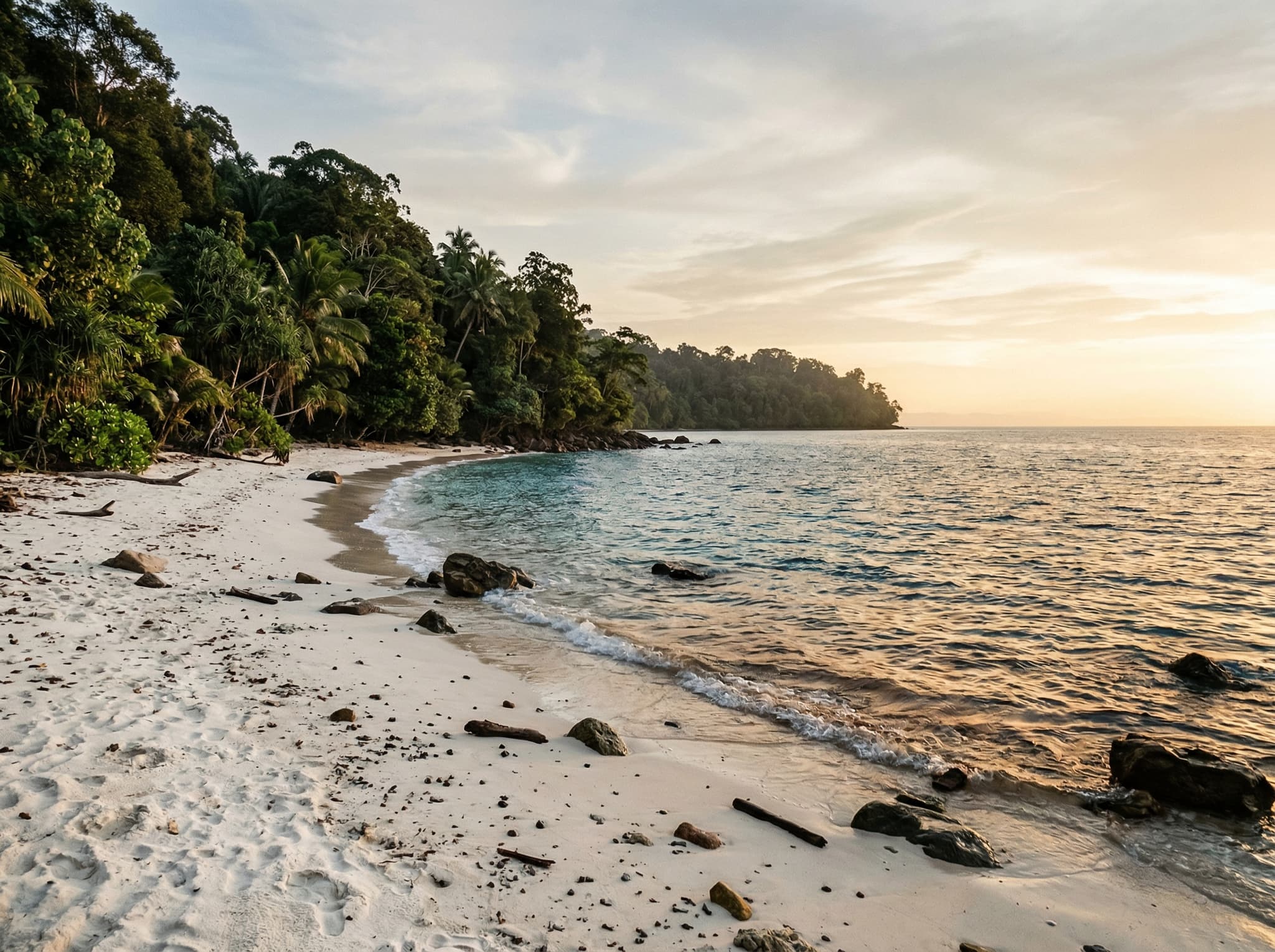
Batanta is roughly 453 square kilometers of dense lowland and hill rainforest, rising to about 1,200 meters at its highest point. The interior is largely untracked. The coastline alternates between mangrove systems, rocky shoreline, and small stretches of white sand beach — none of them named on any map you'll find online.
A handful of small villages dot the coast, home to Papuan communities who fish, farm sago, and — increasingly — interact with the occasional visitor who shows up by boat. There is no formal tourism infrastructure. No guesthouses in the conventional sense. Staying on Batanta means either arranging a homestay through your boat captain's local contacts, camping with permission near a village, or sleeping on your charter boat.
This is not hardship tourism dressed up as adventure. It's simply the reality of a place that hasn't been developed. If that sounds appealing, keep reading. If it sounds like a problem, Batanta probably isn't for you right now.
The Water

The reefs around Batanta are healthy and largely undived. The strait between Batanta and Salawati — sometimes called the Batanta Strait or Sagawin Strait — channels nutrient-rich currents that support impressive coral coverage and pelagic activity. Snorkeling from the shallows off Batanta's northern coast, I watched a school of bumphead parrotfish move through water so clear it felt like looking through glass held at arm's length.
Marine Highlights
Coral Condition
Excellent — minimal bleaching observed
Visibility
15–30 meters depending on currents
Notable Species
Bumphead parrotfish, reef sharks, manta rays (seasonal)
Diving
No dive operators on-island; liveaboards only
There are no dive shops. If you want to dive Batanta's reefs, you'll need to arrive on a liveaboard that includes the area in its itinerary, or bring your own equipment and a very experienced boat captain who knows the currents. The Sagawin Strait in particular has strong tidal flows that make it unsuitable for casual snorkeling in certain conditions.
The Forest
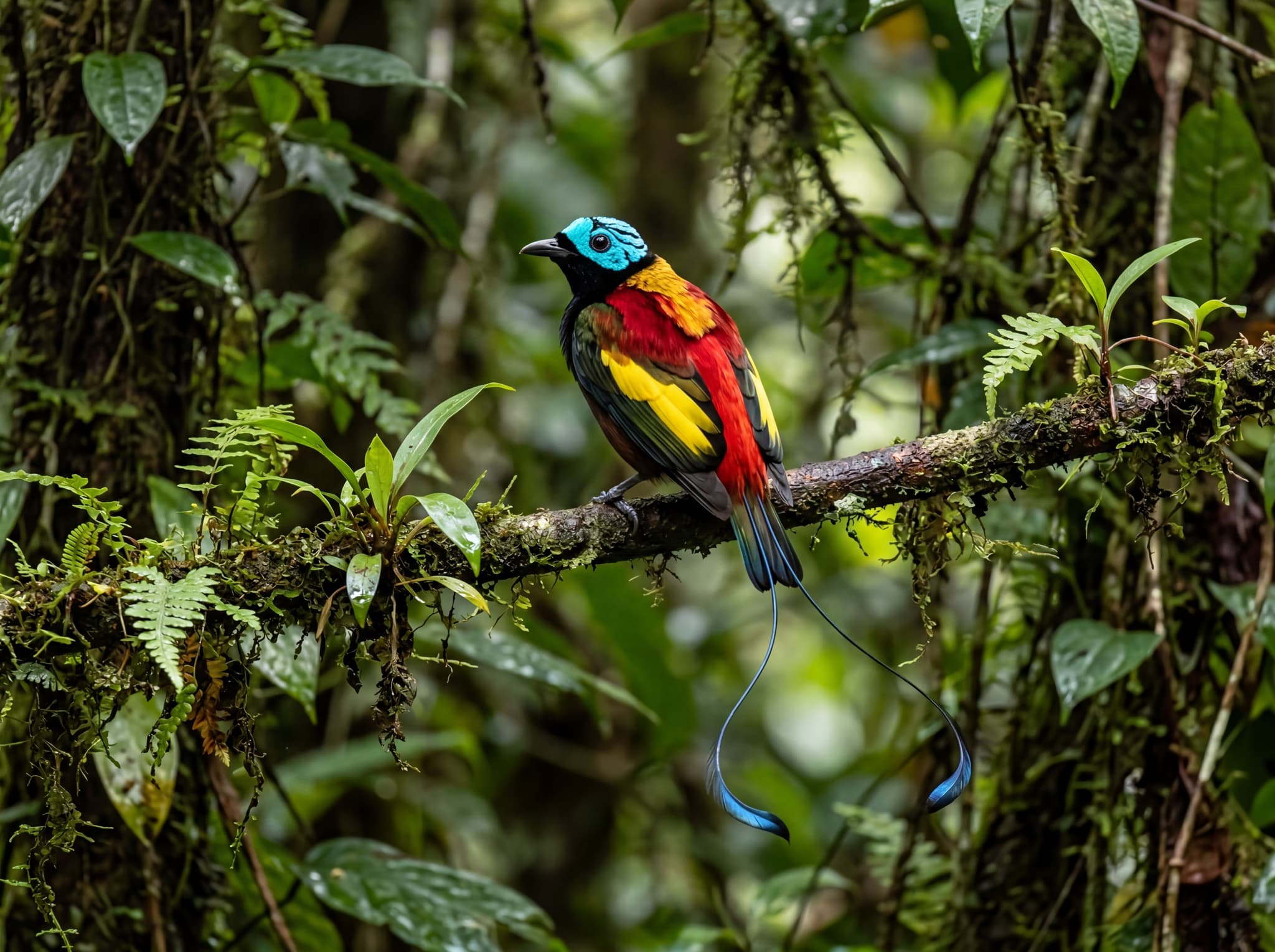
Batanta's interior forest is where the island reveals its other dimension. The island is home to Wilson's bird-of-paradise (Cicinnurus respublica), one of the most visually extraordinary birds on earth — a small creature with a turquoise crown, crimson back, and spiraling tail feathers. Batanta and Waigeo are the only places in the world where this species is found in the wild.
Seeing one requires a local guide, an early morning hike, and patience. Village residents who know the display sites sometimes offer guiding, arranged informally through your boat captain. There's no set price — compensation is negotiated directly and should be generous, given the knowledge involved.
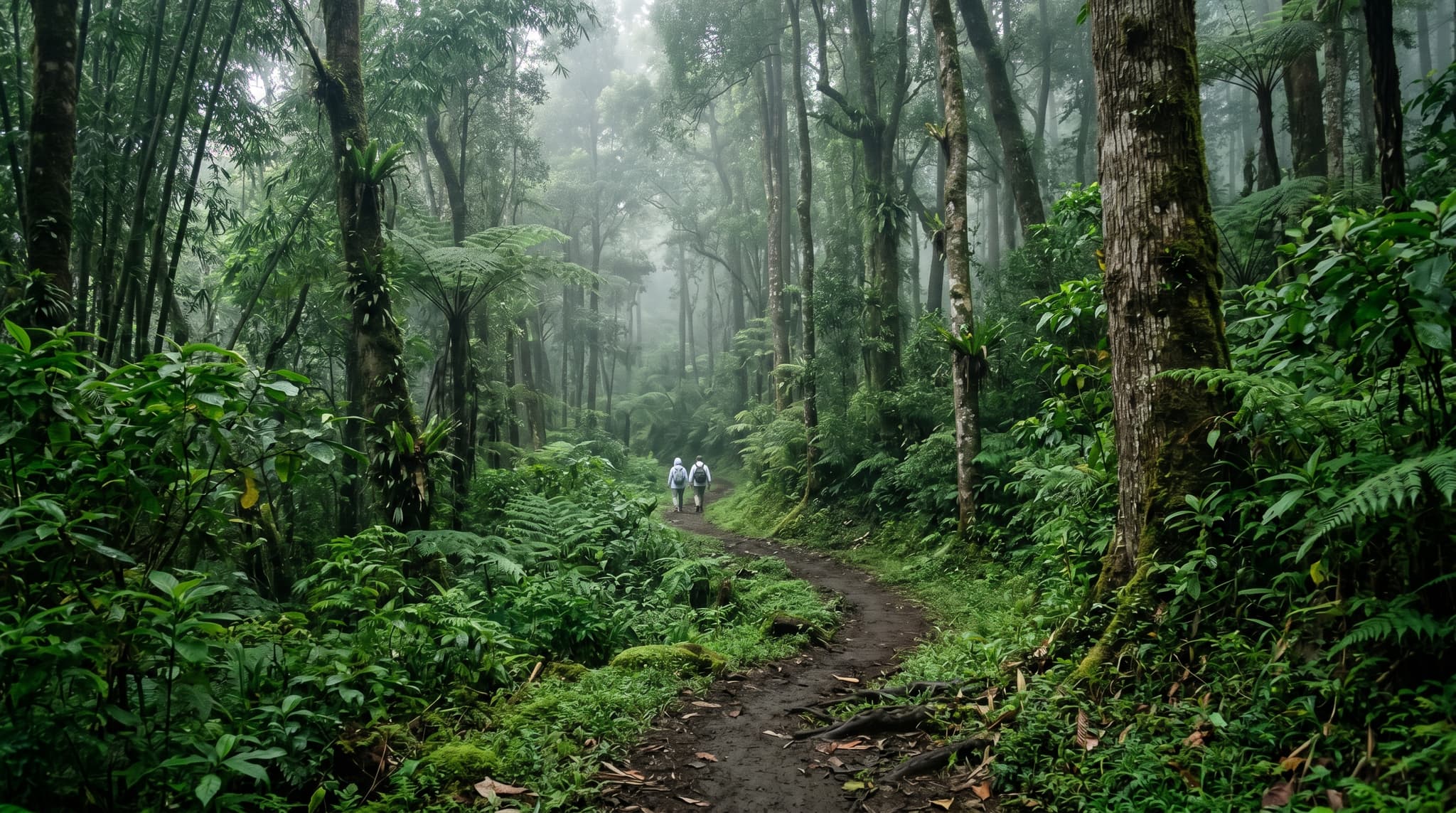
The forest itself is thick, humid, and loud with insects and birdsong. Walking even short distances from the coast feels like entering a different climate. The canopy closes overhead quickly, and the light drops to something green and diffuse.
Who This Is For
Batanta is not a destination I'd recommend to most travelers visiting Raja Ampat for the first time. If you have a week, spend it around Waigeo's homestays and the reefs near Kri and Mansuar — the diving and snorkeling there is world-class and accessible.
But if you've been to Raja Ampat before, or if you're the kind of traveler who finds more meaning in a place that hasn't been organized for your comfort, Batanta offers something increasingly rare: a landscape that asks nothing of you and provides no guarantees.
I sat on a beach on Batanta's north coast one evening, watching the light turn the water from blue to copper. No other boats. No sound except the forest behind me and the water in front. It wasn't paradise — that word has been ruined by brochures. It was just a place, being itself, without anyone watching.