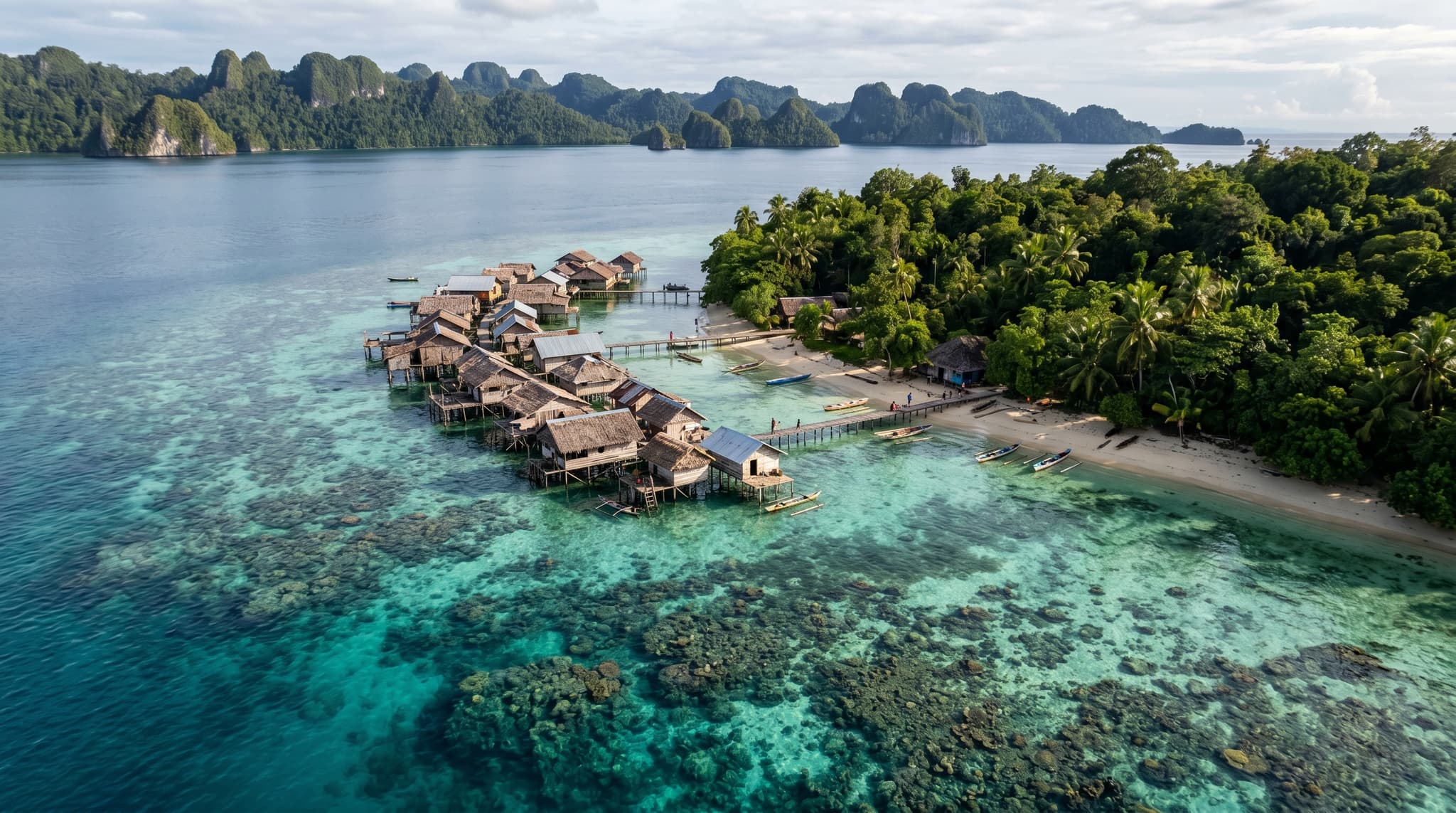
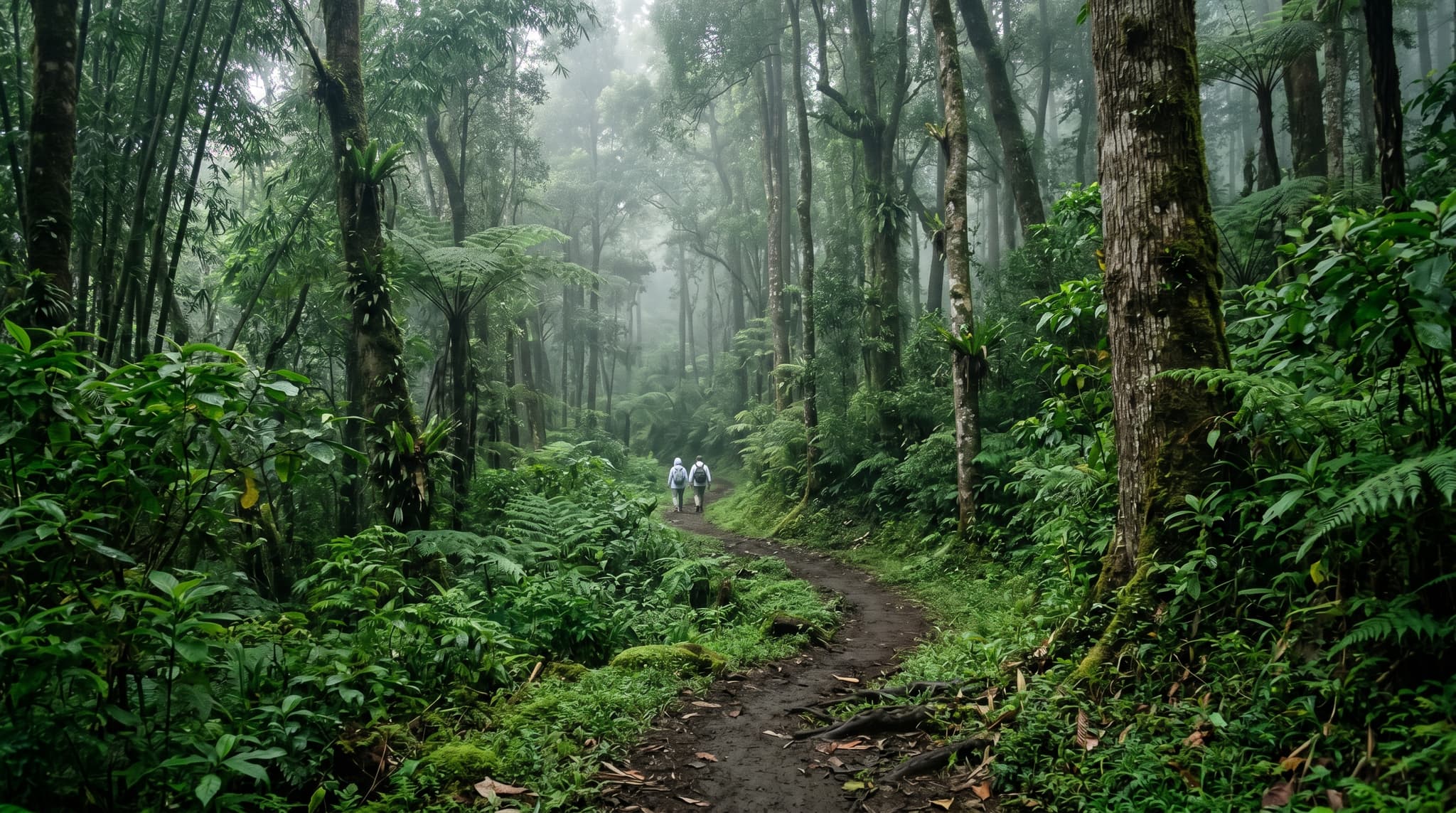
The Short Answer (and Why It's Incomplete)

The best time to visit Bali is May through September — the dry season. That's the answer you'll find in every guide, and it's technically correct. Skies are clear, humidity is manageable, and the ocean is calm enough for diving and snorkeling across the island.
But it's an incomplete answer, and following it blindly leaves money and experience on the table.
April–May and September–October deliver weather that's genuinely comparable to peak dry season — with accommodation costs 20–50% lower and crowds that are meaningfully thinner. If you can be flexible by even a few weeks, the shoulder months are where the smartest planning happens.
One date every visitor needs to know: Nyepi, the Balinese Day of Silence, falls on March 19, 2026. The entire island shuts down for 24 hours — no flights, no vehicles, no leaving your hotel. It's not a footnote. It's a trip-breaker if you don't plan for it, and an extraordinary experience if you do. More on that below.
The rest of this guide breaks down what each month actually looks like on the ground, then covers timing by trip type — surfing, diving, budget travel, honeymoons, and more.
Bali's Two Seasons — What They Actually Mean for Your Trip
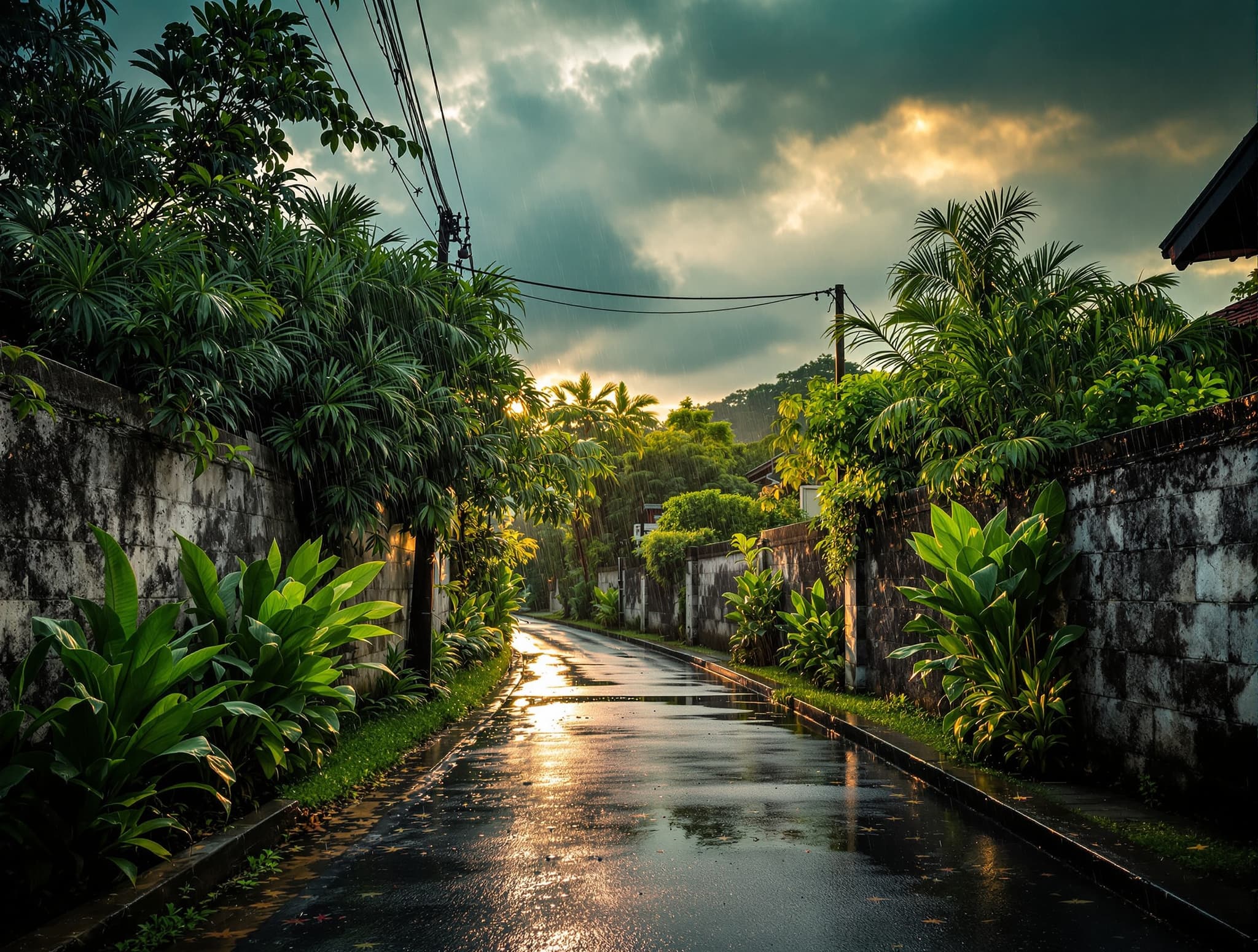

Bali doesn't do spring, summer, fall, winter. It has two seasons: dry (roughly May through October) and wet (November through March/April). Both are warm. You're never packing a jacket.
Dry season brings 20–120 mm of rainfall per month. That's not zero rain — you'll still catch the occasional shower — but it's predictable, brief, and usually arrives overnight or in the early morning. Days are reliably sunny. Humidity is lower. This is when the island feels most classically tropical-paradise.
Wet season brings 150–400+ mm per month, peaking December through February. But here's the detail that changes the calculus: rain comes in intense afternoon bursts, not all-day drizzle. Mornings are frequently clear and sunny. A "rainy day" in Bali usually means a spectacular downpour from 2–5 PM, then it's over. Wet season does not mean ruined trip.
Altitude matters more than most guides mention. Ubud and the central highlands sit 300–600 meters above sea level and catch significantly more rain than the southern coast in both seasons. A rainy afternoon in Ubud can be a perfectly dry afternoon in Uluwatu, just 40 kilometers south. If you're splitting time between regions, this is worth factoring into your itinerary.
A note on 2026: Forecasters are tracking a 50–60% probability of El Niño conditions developing by mid-2026, which could push the dry season earlier and extend it through October — potentially making the second half of the year drier than average. Worth knowing, but not worth betting a trip on. Weather models shift. Verify closer to your travel dates.
The transition months — April, October, and early November — are where the interesting trade-offs live. Weather is shifting but still largely cooperative, prices haven't yet jumped (or have already dropped), and you get a version of Bali that feels less like a tourist destination and more like an island where people actually live.
Month-by-Month Breakdown
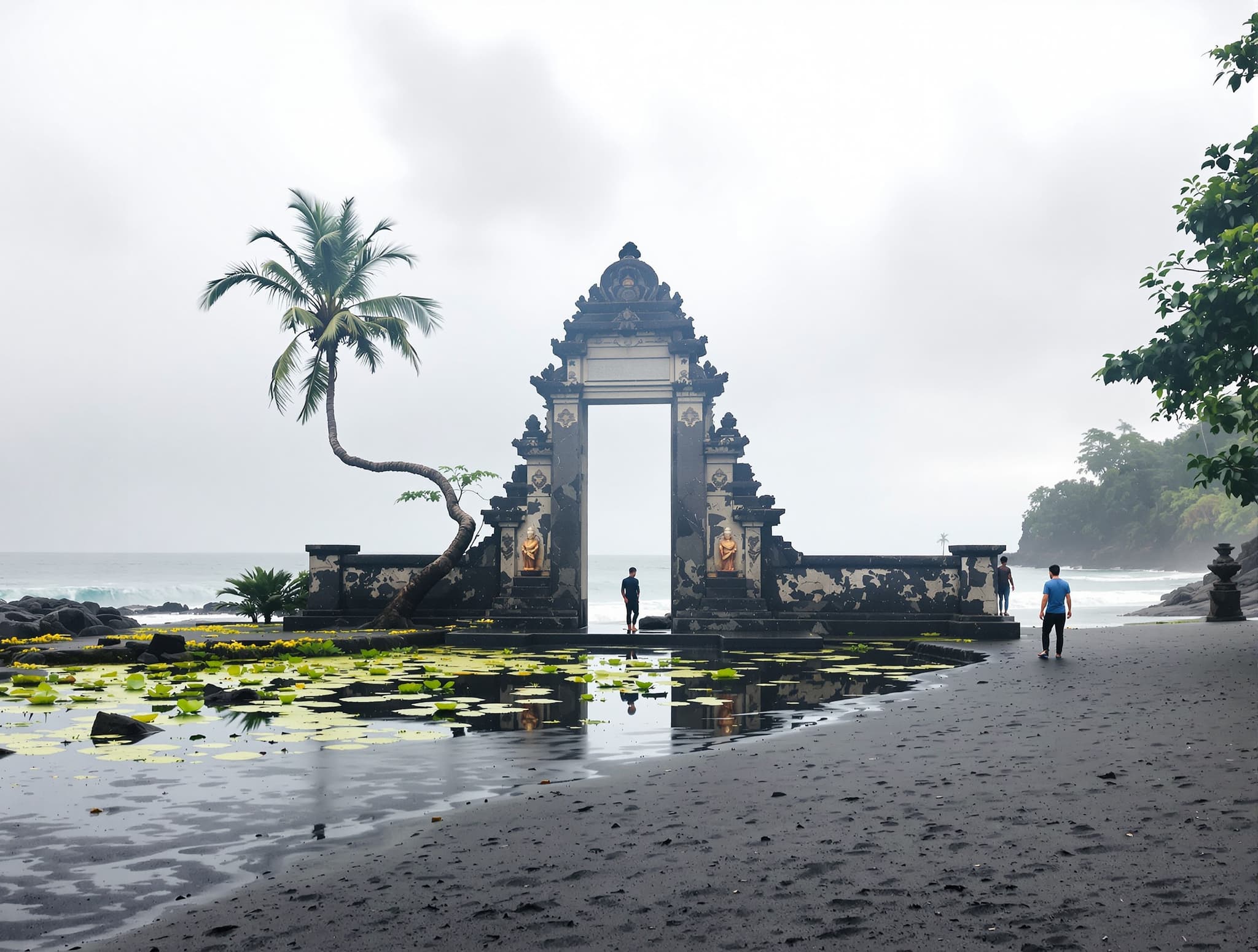


Bali Month-by-Month Overview
January
300–400 mm rain · Low crowds · Lowest prices · Peak wet season
February
250–350 mm rain · Low crowds · Low prices · Domestic traffic around Chinese New Year
March
200–300 mm rain · Low-moderate crowds · Nyepi March 19 · Transitioning
April
70–120 mm rain · Moderate crowds · 20–50% savings · Shoulder season begins
May
50–70 mm rain · Moderate crowds · Dry season starts · Surf season begins
June
30–50 mm rain · Moderate-high crowds · Bali Arts Festival · Galungan (June 17)
July
20–40 mm rain · Peak crowds · Peak prices · Mola-mola season begins
August
20–40 mm rain · Peak crowds · Driest month · Best diving visibility
September
40–60 mm rain · Moderate crowds · Prices dropping · Best value month
October
90–120 mm rain · Low-moderate crowds · 30–40% savings · Transitional
November
150–200 mm rain · Low crowds · Budget-friendly · Wet season begins
December
250–350 mm rain · Split: quiet early month, peak crowds after the 15th
January is Bali at its quietest. This is peak wet season — expect 300–400 mm of rain and high humidity. But if you're a budget traveler who doesn't mind afternoon downpours, you'll find the lowest prices of the year across accommodation, flights, and activities. Beaches and temples that are shoulder-to-shoulder in August are genuinely peaceful.
February continues the wet season pattern (250–350 mm rain) with one wrinkle: Chinese New Year brings a domestic tourism spike, particularly around Kuta and Seminyak. Prices remain low by international standards, but popular restaurants and beach clubs can fill up for a week or so.
March is transitional — still wet (200–300 mm) but the rains start easing. The headline here is Nyepi on March 19, 2026. If you're traveling in March, read the dedicated section below. The Ogoh-Ogoh parades the night before and the Melasti purification ceremonies in the days prior are among Bali's most spectacular cultural events.
April is when the shoulder season math starts working in your favor. Rainfall drops to 70–120 mm, skies clear rapidly, and the post-Easter crowd drop-off opens up availability. Expect 20–50% savings versus peak-season rates. One of the best value months of the year.
May marks the start of the dry season proper. Rainfall averages just 50–70 mm. Surf season begins on the west coast. Crowds are present but manageable — you won't need to book a restaurant two days ahead. The Ubud Food Festival typically falls in May or June [VERIFY exact 2026 dates].
June is dry, warm, and increasingly busy. Rainfall drops to 30–50 mm. The Bali Arts Festival begins at Taman Wedhi Budaya in Denpasar — a month-long celebration of Balinese dance, music, and crafts with free entry [VERIFY 2026 dates: sources conflict between June 13 and June 15 start]. Galungan falls on June 17, 2026, beginning a 10-day celebration you'll see across the island in the form of penjor (decorated bamboo poles) lining every road.
July is peak season, full stop. Northern hemisphere summer holidays and Australian school breaks converge. Rainfall is minimal (20–40 mm), weather is perfect, and everything is priced accordingly. Mid-range properties in Ubud and Seminyak can charge double their May rates. Mola-mola (oceanic sunfish) season begins at Crystal Bay off Nusa Penida. The Bali Kite Festival (July 20–21, 2026) is a fun spectacle if you're already here.
August is the driest month on the island — 20–40 mm of rain, diving visibility reaching up to 30 meters, and the kind of reliable sunshine that makes every Instagram shot look effortless. It's also the most crowded and expensive month. Book accommodation and dive trips months in advance.
September might be the single best month to visit Bali. Statistically the driest shoulder month at roughly 4.7 cm of rainfall, with crowds already thinning and prices dropping back toward shoulder-season levels. Mola-mola season continues at Crystal Bay. The Ubud Writers & Readers Festival typically falls in this window. If you have flexibility, this is the month.
October is transitional — rainfall climbs to 90–120 mm, and you'll start seeing afternoon showers, but they're typically brief and pass quickly. Mornings remain clear. Accommodation savings of 30–40% versus peak season are common. The last window for mola-mola sightings off Nusa Penida.
November marks the wet season's arrival in earnest (150–200 mm rain). Prices drop significantly. This is a viable budget month if you're comfortable structuring your days around morning activities and afternoon downtime.
December is really two months in one. Early December (1st–15th) is a hidden sweet spot: wet season pricing, manageable rain, and none of the holiday crowds. After the 15th, prices spike, availability tightens, and Bali enters its second peak season of the year. If you're considering December, the first two weeks are a fundamentally different — and better-value — experience.
Dry Season (May–September) — Strategy, Not Just Dates
The conventional advice is right: dry season weather is excellent. But the crowd reality is undersold by most guides. Canggu, Seminyak, Ubud, and Uluwatu are genuinely packed in July and August — we're talking queues at popular restaurants, fully booked yoga studios, and rice terrace walks that feel like a procession.
A few strategies that make a real difference:
Shift your timing within the dry season. May–June and September deliver the same weather with meaningfully fewer people and lower prices. The difference between a mid-range villa in Ubud in May versus August can easily be 2x — this isn't a marginal savings.
Go east. The east coast — Amed, Candidasa — fills more slowly than the southern tourist corridor. During peak weeks when Seminyak is wall-to-wall, Amed still feels like a quiet fishing village with world-class snorkeling.
Go early. Major temples are best visited before 8 AM. Rice terrace walks are best on weekdays. This sounds obvious, but the difference between arriving at a popular site at 7:30 versus 10:00 is the difference between a meaningful experience and a crowd-management exercise.
Watch for Eid al-Fitr. The holiday creates a significant domestic tourism spike that can overlap with the early dry season. Dates shift annually on the Islamic calendar — check the 2026 dates when planning, as domestic visitors fill budget and mid-range accommodation that's otherwise available.
Wet Season (November–March) — Why It's Better Than Its Reputation
The wet season's reputation is worse than its reality. The mental image most travelers have — grey skies, constant drizzle, plans ruined — is London weather, not Bali weather.
The pattern is more like this: clear, sunny mornings. Heat building through midday. A dramatic downpour between 2 and 5 PM. Then it stops, the air cools, and the evening is pleasant. You can have a full beach morning, a temple visit, a long lunch — and be back at your villa reading a book when the rain arrives.
The real downsides: Humidity is noticeably higher. Some unpaved roads become difficult, especially in rural areas. West coast surf breaks are less consistent (though the east coast picks up — see the trip-type section). And occasionally, the rain is more than a passing shower. Recent years have brought heavier-than-average wet seasons, with significant flooding disrupting transport in parts of southern Bali [VERIFY: 2025 Denpasar/Badung flooding severity and duration — multiple sources reference this but specifics vary].
The real upsides: Bali is at its most beautiful in the wet season. Rice terraces glow an almost unreal green. Waterfalls run at full power. Ubud's river valleys are lush and atmospheric in a way they simply aren't in August. And you'll share these landscapes with a fraction of the dry-season crowds.
January and February are the quietest months on the island. If you want Bali without the tourist infrastructure dominating every experience — and can structure your days around the rain — this is when.
Nyepi: The One Date Every Visitor Needs to Know
Nyepi — the Balinese Day of Silence — is the most important religious observance on the island. It marks the Balinese New Year on the Saka calendar. In 2026, it falls on March 19.
Here's what happens: from 6 AM on March 19 to 6 AM on March 20, the entire island goes silent. Ngurah Rai International Airport closes — no flights in or out. No vehicles on roads. No one leaves their accommodation. No outdoor lights. No noise. Traditional village security guards called pecalang patrol to enforce the silence.
This is not optional or symbolic. Tourists are included. You will be confined to your hotel or villa grounds for 24 hours. If you're arriving or departing on March 19, your flight will be cancelled. There is no workaround.
Planning implications:
- Build buffer days around March 19 if you're traveling in that window
- Stock up on anything you need the day before — shops, restaurants, and services all close
- Confirm with your accommodation what they provide during Nyepi (most hotels serve meals and allow use of indoor facilities and pools)
But here's the thing: Nyepi is also extraordinary to experience. The night before, communities across Bali hold Ogoh-Ogoh parades — massive demon effigies, some three stories tall, carried through the streets accompanied by gamelan orchestras and chanting. It's one of the most visually spectacular cultural events in Southeast Asia.
In the days preceding Nyepi, Melasti purification ceremonies take place at beaches across the island — processions of villagers in ceremonial dress carrying sacred objects to the sea for ritual cleansing. These are open to respectful visitors and profoundly moving.
And then the silence itself. An island of over four million people going completely still. No engine noise. No music. No lights. On a clear night, the stars over Bali during Nyepi are unlike anything you've seen — there's zero light pollution for the only time all year. Many travelers plan their trips specifically around it.
Nyepi follows the Balinese Saka calendar and shifts dates annually. Always verify the exact date for your travel year.
Best Time to Visit Bali by Trip Type
Surfing
West coast and Bukit Peninsula (Uluwatu, Padang Padang, Canggu): May through September. Consistent Indian Ocean swells and offshore winds create the conditions these breaks are famous for. April–May is the sweet spot — swell is building, crowds haven't peaked.
East coast (Keramas and nearby breaks): November through March. Southeast swells light up breaks that are flat during dry season, and you'll surf with far fewer people in the water.
Diving and Snorkeling
April through October for the best visibility — up to 30 meters in peak conditions, with water temperatures of 27–30°C. July through October is mola-mola season at Crystal Bay off Nusa Penida, one of the few reliable places in the world to encounter oceanic sunfish.
Wet-season diving is still possible at protected sites like Tanjung Benoa and Padang Bai, but visibility drops and conditions are less predictable. For snorkeling, mornings between 9–11 AM offer the best combination of sunlight angle and low winds.
Honeymoons
May–June or September. Dry weather, lower prices than peak season, and availability at the kind of boutique properties that book out months ahead for July–August. Avoid peak season unless budget is no object — the premium buys you crowds, not better weather.
Budget Travel
January–February for the absolute lowest prices (with rain). April–May and September–October for the best value-to-experience ratio — shoulder-season savings with cooperative weather. Early December (before the 15th) is an underrated budget window before holiday pricing kicks in.
Cultural Immersion
March for Nyepi, Ogoh-Ogoh, and Melasti. June for Galungan/Kuningan (June 17–27, 2026) and the opening of the Bali Arts Festival. Temple ceremonies happen year-round, but the major festivals cluster in these windows. The Bali Spirit Festival in Ubud falls in April [VERIFY 2026 dates: sources conflict between April 15–19 and April 22–26].
Photography
Wet season (November–March) for dramatic skies, lush green rice terraces, and waterfalls at full power. Dry season for reliable golden-hour light, clear volcano views, and calm ocean conditions.
Festivals and Events Worth Planning Around
2026 Bali Festival Calendar
Nyepi (Day of Silence)
March 19, 2026
Galungan
June 17, 2026
Kuningan
June 27, 2026
Bali Kite Festival
July 20–21, 2026
Penglipuran Festival
July 7–9, 2026
Galungan and Kuningan (June 17–27, 2026): A 10-day celebration of the victory of good over evil. Penjor — tall, elaborately decorated bamboo poles — line every road on the island. Families make offerings at temples and household shrines. Kuningan, on June 27, closes the cycle as ancestral spirits are believed to return to heaven. It's Bali at its most ceremonially beautiful. Note: Galungan follows the 210-day Pawukon calendar, so dates shift significantly year to year.
Bali Arts Festival (mid-June to mid-July 2026): A month-long celebration of Balinese dance, music, and crafts at Taman Wedhi Budaya in Denpasar. Performances, workshops, and exhibitions — all free entry. It overlaps with early peak season, so book accommodation well ahead [VERIFY 2026 dates: sources show June 13 or June 15 start].
Bali Spirit Festival (April 2026): A yoga, music, and wellness festival in Ubud. Shoulder-season timing means good accommodation value [VERIFY 2026 dates: sources conflict between April 15–19 and April 22–26].
Ubud Food Festival (May or June 2026): Celebrates Indonesian cuisine with talks, demos, and tastings. A strong pairing with a shoulder-season visit [VERIFY exact 2026 dates].
What to Pack Based on When You're Going
Dry season (May–September): Light, breathable clothing. A sarong — you'll need one for temple visits (shoulders and knees must be covered; this is enforced, not suggested), and it doubles as a beach blanket and emergency towel. Reef-safe sunscreen. A hat with a brim. A light rain jacket, because it still rains occasionally. Reef shoes if you're snorkeling off rocky shores.
Wet season (November–March): Everything above, plus a proper rain jacket or compact umbrella, a waterproof phone case (worth its weight), quick-dry clothing rather than cotton, and sandals with grip for wet surfaces. If you're doing boat trips to the Nusa islands, a dry bag protects electronics and documents from spray and sudden squalls.
Year-round: Mosquito repellent with DEET or picaridin — dengue is present in Bali year-round and spikes during wet season. A universal power adapter (Indonesia uses Type C and F plugs, 230V). And more sunscreen than you think you need — the equatorial sun is stronger than it feels, especially on overcast days.
Frequently Asked Questions
Bali's best time depends on what you're after. The dry season earns its reputation, but the shoulder months earn your money back — and the wet season earns a second look. Whatever window you choose, check Nyepi dates, book ahead for July–August, and don't let a forecast scare you off the most beautiful version of the island.