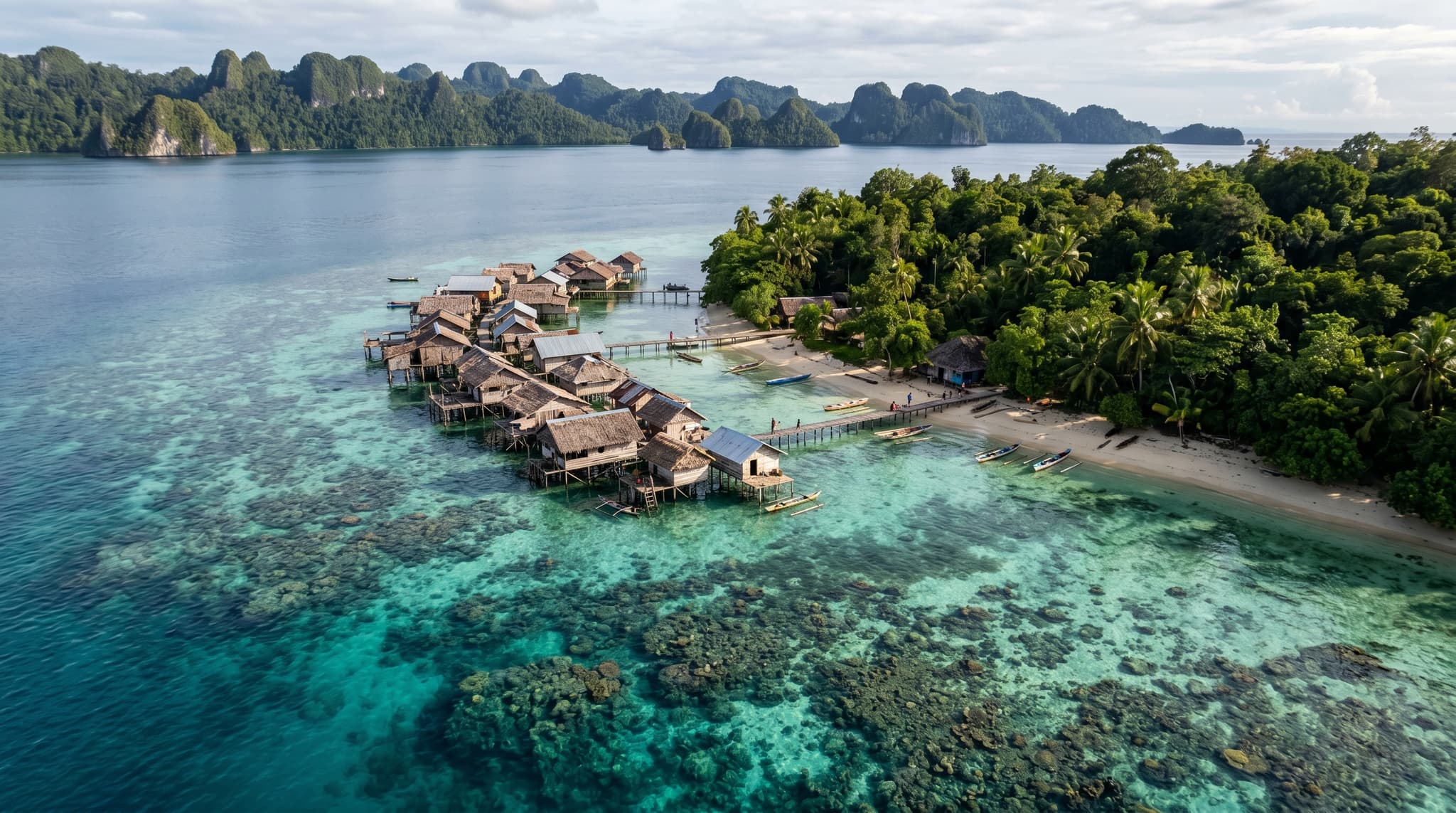
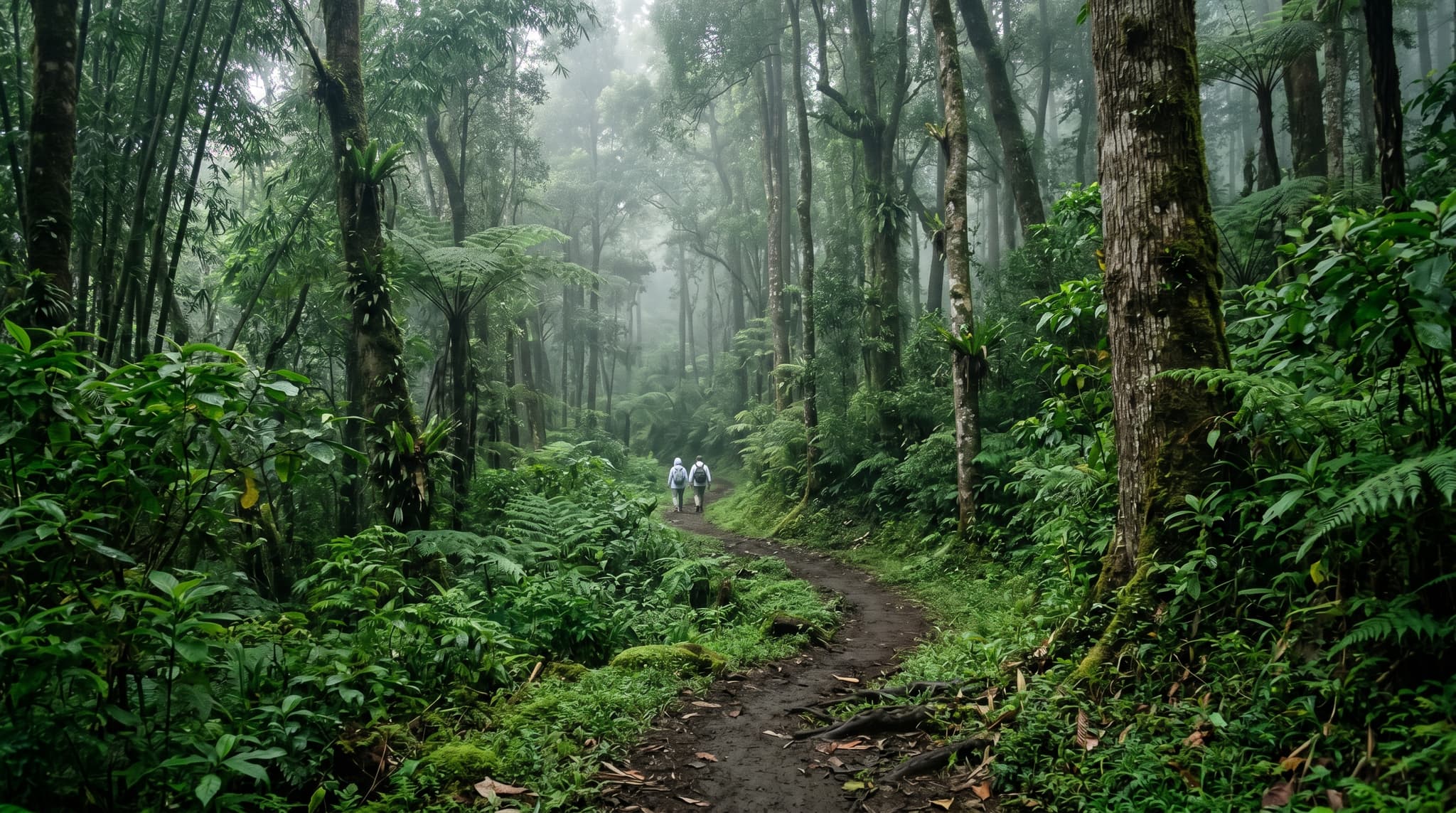
Bali is one of the most written-about destinations on earth. There are thousands of "top things to do" lists, and most of them tell you the same 15 things in the same order with the same stock photo of Tegalalang Rice Terrace.
This isn't that guide. We've organized 25 experiences by what's genuinely good — and we'll tell you who each one is actually for, what it costs, and whether the reality matches the reputation. A few things that don't make the cut get called out, too, because your time matters more than a comprehensive list.
Before you plan anything, understand how Bali's geography shapes your trip. The south (Seminyak, Kuta, Uluwatu) is beaches, temples, and nightlife. Central Bali (Ubud) is the cultural core — rice terraces, dance performances, monkey forests. The north (Singaraja, Lovina) is waterfalls and quiet. The east (Sidemen, Amed) is Mount Agung views, traditional villages, and diving.
One thing every first-timer underestimates: distances are short on the map, but traffic makes everything take longer than you think. A 20-kilometer drive in southern Bali can take 90 minutes. Plan accordingly, and don't try to see everything in a day.
Temples Worth the Effort
Bali has over 20,000 temples. You don't need to see most of them. These four are worth your time — each for a different reason — and one famous one probably isn't.
Uluwatu Temple

The clifftop setting at Pura Luhur Uluwatu is genuinely dramatic — 70 meters above the Indian Ocean on the southwestern tip of the Bukit Peninsula. The temple itself dates to the 11th century, but the main draw for most visitors is the Kecak fire dance performed at sunset in an open-air amphitheater carved into the cliff.
The dance is worth seeing. Dozens of bare-chested performers chant in concentric circles while dancers act out scenes from the Ramayana, all against a backdrop of the sun dropping into the ocean. It's one of those experiences that actually delivers on the promise.
Uluwatu Temple Details
Entry Fee
IDR 30,000–100,000 ($2–$7)
Kecak Dance
~IDR 100,000 ($7) additional
Best Time
Arrive 45 min before sunset for dance seating
Best For
Everyone — especially first-timers
Practical note: The resident macaques here are bold. They will grab sunglasses, hats, earrings, and anything dangling. Secure your belongings before entering.
Tanah Lot Temple

The iconic sea temple, perched on a rock formation just offshore. You've seen the photo — dark silhouette against an orange sunset, waves crashing around it. Here's the honest assessment: you can't enter the temple itself. You're photographing it from a distance, along with several hundred other people doing the same thing.
It's stunning at sunset. It's also extremely crowded at sunset. If you're a photographer or a first-timer who wants to see the postcard in person, go. If you hate crowds and want a spiritual experience, this isn't it.
Tanah Lot Details
Entry Fee
IDR 30,000–60,000 ($2–$4)
Best Time
Late afternoon for sunset; early morning for fewer crowds
Best For
Photographers, first-timers
Skip If
You want a quiet, contemplative temple visit
Tirta Empul Temple

This is the one where you can participate, not just observe. Tirta Empul is a water purification temple near Ubud where Balinese Hindus (and visitors) wade through a series of fountains, praying at each spout as part of a melukat ceremony. The ritual is simple — you move left to right through the pools, letting water pour over your head at each fountain — but it's genuinely moving if you approach it with respect.
This is more than architecture. You're participating in a living religious practice that dates to 962 AD.
Etiquette: Wear a sarong (rentable for ~IDR 10,000 at the entrance). Follow the locals' lead. Don't skip fountains or treat it as a photo op while you're in the water. Two of the fountains are reserved for funeral purification — the temple attendants will direct you past those.
Tirta Empul Details
Entry Fee
IDR 30,000–50,000 ($2–$3)
Best Time
Early morning, before 9am
Best For
Travelers wanting cultural immersion, not just photos
Goa Gajah (Elephant Cave)
A 9th-century cave temple just outside Ubud that doesn't get the Instagram traffic of its neighbors — which is exactly why it's worth visiting. The carved entrance, a menacing face with gaping mouth that you walk through, is the highlight. Inside is a small meditation chamber with lingam and yoni statues. The bathing pools outside, discovered in 1954, add historical depth.
Goa Gajah pairs well with Tirta Empul for a half-day temple circuit from Ubud. Neither requires more than an hour, and the drive between them is about 30 minutes through central Bali's river valleys.
Goa Gajah Details
Entry Fee
IDR 30,000–50,000 ($2–$3)
Time Needed
30–60 minutes
Best For
History-minded travelers; pairs well with Tirta Empul
A note on Besakih Temple: Bali's "Mother Temple" is the largest and most important temple complex on the island — 23 separate temples on the slopes of Mount Agung. It's impressive in scale. It's also notorious for aggressive self-appointed guides, persistent upselling, and a general hassle factor that ruins the experience for many visitors. We're not listing it as a must-do. If you're in east Bali and curious, go with a reputable local guide who can manage the situation. Don't make a special trip.
Rice Terraces and Walks
Tegalalang Rice Terrace

The famous one. The one you've seen on every Bali listicle, every travel influencer's feed, every guidebook cover. And yes — the cascading terraces carved into a steep valley north of Ubud are beautiful.
Here's the reality: Tegalalang is heavily commercialized. Swing operators have set up along every level. You'll be asked for donations at multiple checkpoints as you descend. By 10am, the paths are crowded with people jockeying for the same photo angle. The Instagram swings cost $10–20 on top of entry.
If you're a first-timer who wants the photo, go — but arrive before 8am. After that, the experience degrades quickly.
Tegalalang Details
Entry Fee
IDR 50,000–100,000 ($3–$7) plus swing fees
Best Time
Before 8am
Best For
First-timers who want the classic photo
Skip If
You want a peaceful rice terrace experience
Jatiluwih Rice Terraces
This is the rice terrace experience Tegalalang pretends to be. Jatiluwih is a UNESCO World Heritage Site in central Bali — a vast, rolling expanse of terraced paddies that stretches to the horizon, threaded by small walking trails and irrigated by the traditional subak system that Balinese farmers have used for over a thousand years.
The subak system is the real story here. It's a cooperative water management system rooted in the Balinese Hindu philosophy of Tri Hita Karana — harmony among people, nature, and the spiritual world. UNESCO recognized it not just for the terraces' beauty but for the social system that sustains them. You're walking through a living agricultural tradition, not a photo set.
Jatiluwih is quieter than Tegalalang by an order of magnitude. You'll share the trails with a handful of other visitors and the farmers who work the fields. The tradeoff: it's farther from Ubud (about 90 minutes by car) and requires transport. Worth it.
Campuhan Ridge Walk
Free. Easy. Thirty minutes. The Campuhan Ridge Walk follows a narrow path along a ridge between two river valleys on the western edge of Ubud. Rolling green hills on both sides, morning mist in the valleys below, and almost no one else if you start at sunrise.
This isn't a rice terrace walk — it's grassy hills and palm trees — but it's the most accessible nature experience in Ubud and the best thing you can do with a free morning. The trailhead is next to the Ibah Luxury Villas, just off Ubud's main road.
Best for: Everyone. Especially if you only have a morning free and want to stretch your legs before breakfast.
The deeper cut — Sidemen Valley: If you have 7+ days in Bali and want rice terraces without any tourist infrastructure, Sidemen Valley in east Bali is the answer. Rolling terraces, Mount Agung filling the horizon, traditional villages, weaving workshops. It's what people imagine Bali looks like before they arrive. Most visitors never make it here, which is exactly the point.
Waterfalls Worth the Hike
Sekumpul Waterfall
Widely considered Bali's most beautiful waterfall, and it earns the title. Sekumpul is actually a cluster of cascades in north Bali — twin falls plunging roughly 80 meters through dense tropical jungle into a pool below.
The catch: getting there requires a 30–45 minute hike down steep steps through jungle, crossing a river, and navigating rocky terrain. The effort filters out casual tourists, which means you'll share the falls with far fewer people than anywhere in southern Bali. The hike back up is the real workout.
Sekumpul Details
Difficulty
Moderate — steep stairs, river crossing, uneven terrain
Time Needed
2–3 hours round trip including swimming
Footwear
Proper hiking sandals or trail shoes (not flip-flops)
Best For
Active travelers willing to earn the view
Tegenungan Waterfall
The accessible option. Tegenungan is about 30 minutes from Ubud, requires a short walk down well-maintained steps, and has a swimmable pool at the base. It's the waterfall you visit when you want a waterfall without committing to a serious hike.
Honest assessment: it's not Bali's most beautiful — the surrounding area is more developed than pristine — but it's convenient and genuinely enjoyable if you arrive before the midday crowds. By noon, it's packed.
Tegenungan Details
Difficulty
Easy — maintained stairs, short walk
Best Time
Before 10am
Best For
Travelers who want a waterfall without a serious hike
Tukad Cepung Waterfall
This one is different from every other waterfall on the island. Tukad Cepung is a cave waterfall — you hike down into a narrow canyon, and the water falls through a gap in the rock above while sunlight filters through, creating shafts of light in the mist. On a good morning, it looks like a cathedral.
The hike is short but steep and can be slippery. Best light is between 9–11am when the sun angle hits the canyon opening. Bring a waterproof phone case — you'll be standing in spray.
Tukad Cepung Details
Difficulty
Easy-moderate — short but steep and slippery
Best Light
9–11am
Best For
Photographers and anyone wanting something unique
Going deeper: If you're spending time in north Bali, Banyu Wana Amertha is a complex of four cascades surrounded by jungle with natural pools and very few visitors. Sambangan, also in the north, strings together seven waterfalls along jungle trails. Neither is well-known, which is the whole appeal.
Ubud: The Cultural Core
Sacred Monkey Forest Sanctuary
Over 700 long-tailed macaques live in a moss-covered temple complex on the southern edge of Ubud. The forest is genuinely atmospheric — ancient banyan trees, stone carvings wrapped in roots, three temples dating to the 14th century. It's one of those places where the setting matters as much as the residents.
Monkey Forest Details
Entry Fee
IDR 50,000–100,000 ($3–$7)
Hours
9am–6pm daily
Time Needed
1–1.5 hours
Best For
Everyone — manage expectations: it's monkeys and temples, not a zoo
Survival guide: Secure everything. Zip pockets, close bags, remove dangling jewelry. Don't make direct eye contact with the macaques — they read it as a challenge. Don't show food or open a bag in front of them. If a monkey climbs on you, stay calm and don't grab at it. The staff are experienced at extracting tourists from monkey situations.
Ubud Palace and Art Market
Ubud Palace (Puri Saren Agung) is free to walk through, though only parts are open to visitors — the royal family still lives here. It's worth 20 minutes, not an hour. The real draw is the traditional dance performances held in the palace courtyard most evenings.
Across the street, Ubud Art Market is best before 9am, when you'll find actual vendors selling handmade goods at bargainable prices. By afternoon, it shifts to tourist-volume pricing with less room to negotiate.
Traditional Dance Performances
Ubud is the best place in Bali to see traditional dance — Legong, Barong, or Kecak — and these are genuinely world-class cultural performances, not watered-down tourist shows. Balinese dance is intricate, expressive, and accompanied by gamelan orchestras that sound like nothing else on earth. Performances happen nightly at venues around town, including Ubud Palace, Pura Dalem Taman Kaja, and Pura Saraswati.
Tickets run $2–10. For the price of a coffee back home, you're watching a tradition that's been refined over centuries. Go.
Cooking Classes
A half-day well spent: $20–50 gets you a morning market visit, hands-on instruction in Balinese cooking (think babi guling, lawar, sate lilit), and a full meal of everything you've made. Ubud has dozens of operators. It's one of the best-value cultural experiences on the island and one of the few where you take a usable skill home with you.
Yoga and Wellness
Ubud is Bali's wellness capital — that's well-established. What's worth knowing is that it ranges from serious yoga practice to Instagram wellness tourism, and you should know which you're looking for. The Yoga Barn is the most established name and offers drop-in classes across multiple styles. Beyond that, the options are vast and variable. If wellness is a major reason you're coming to Bali, do your research on specific studios and retreat centers rather than assuming Ubud's reputation guarantees quality.
Honest note: Ubud's center is congested and increasingly commercialized. The traffic is bad, the main streets are choked with shops and restaurants, and the "spiritual Ubud" of guidebook mythology requires getting 10 minutes outside town. The magic is still there — it's just not on Jalan Raya Ubud anymore.
Beaches and Coastal Experiences
This is where most Bali articles fail — they list beaches without telling you which one matches your trip. Here's the matchmaking.
Seminyak and Kuta are the social beaches. Kuta is crowded, chaotic, and backpacker-oriented. Seminyak is the polished version — beach clubs, sunset cocktails, nightlife within walking distance. Neither is for quiet beach days. Best for: social travelers, nightlife seekers.
Padang Padang Beach is the small cove near Uluwatu that appeared in Eat Pray Love. It's beautiful — turquoise water framed by cliffs — but tiny and packed by midday. Best for: a quick stop en route to Uluwatu, not a full beach day.
Nusa Dua is the resort coast. Calm water, manicured sand, family-friendly facilities. It's the most "resort" experience on the island and the least like being in Bali. Best for: families, honeymooners wanting predictable comfort.
Balangan Beach is the low-key alternative near Uluwatu. Palm-lined, surfer vibe, local warungs serving nasi goreng, cows wandering the cliff above. This is what a Bali beach feels like when nobody's trying to sell you a daybed. Best for: travelers wanting a real beach without the scene.
Nyang Nyang Beach is white sand, turquoise water, and almost nobody. The catch: a steep descent down a cliff that takes 15–20 minutes each way. The solitude is the reward. Best for: adventurous travelers willing to work for an empty beach.
Water Activities
Surfing (Experienced)
Uluwatu — best April–October
Surfing (Beginners)
Kuta and Canggu — lessons widely available
Diving/Snorkeling
Amed (east coast) for reef diving; Nusa Penida for manta rays (Oct–March)
Dive Costs
$30–100 per session
Uniquely Bali Experiences
Bali Swing
Let's be clear about what this is: a giant swing over a jungle valley, operated primarily for the purpose of Instagram content. You sit on a swing, someone pushes you, you get the photo of yourself soaring over palm trees with your arms outstretched.
It's not a cultural experience. It's not an adventure activity. It's a photo opportunity with a $10–35 price tag. Multiple operators run versions near Ubud. If you accept it for what it is and want the shot, it's fun. Just don't expect more.
Kopi Luwak Coffee
Kopi Luwak — coffee made from beans eaten and excreted by Asian palm civets — exists throughout Bali, and you'll see signs for tastings everywhere. Here's our position: caged civet operations are the norm. The animals are kept in small enclosures and force-fed coffee cherries. The ethical concerns are well-documented by animal welfare organizations. We don't recommend supporting them.
Penglipuran Village
A car-free traditional village in north Bali surrounded by bamboo forest. The streets are immaculate, the architecture follows strict traditional Balinese design, and villagers sell handmade crafts and offer cultural demonstrations. It's a genuine cultural visit — not a theme park — though it's organized enough to feel curated. Best for: travelers heading to north Bali anyway who want to see traditional village life beyond the temple circuit.
White-Water Rafting on the Ayung River
The Ayung River runs through a jungle gorge near Ubud, and rafting it is one of Bali's most genuinely fun half-day activities. The rapids are Class II–III — exciting enough to feel like an adventure, tame enough for non-athletes and older kids. The scenery — carved stone walls, waterfalls, dense tropical canopy — is the real draw.
Ayung River Rafting
Cost
$30–100 per person depending on operator
Duration
Half-day including transport
Best For
Families, couples, anyone wanting an active morning
Balinese Spa and Massage
Bali's massage culture is real, excellent, and absurdly affordable by Western standards. At local spots, you can get a quality one-hour Balinese massage for under $15. Mid-range spas run $25–50. Luxury resort spas go up to $100+. The range is enormous, but even the budget end delivers. A massage after a day of temple-hopping or waterfall-hiking isn't an indulgence in Bali — it's practically a planning essential.
Cooking Classes Beyond Ubud
Already covered in the Ubud section, but worth repeating: cooking classes exist island-wide, not just in Ubud. If you're based in Seminyak or Sanur, you can find comparable experiences ($20–50, market visit included) without making the Ubud trip specifically for this.
Day Trips Worth Taking
Nusa Penida
The big one. Nusa Penida is a rugged island southeast of Bali with dramatic cliff formations, turquoise water, and some of the most photographed landscapes in Indonesia — Kelingking Beach (the T-Rex cliff), Angel's Billabong (a natural infinity pool), and Broken Beach (a natural rock arch over the ocean).
The reality: it's a full, exhausting day. The ferry from Sanur takes about 30 minutes, but the island's roads are rough, distances between sites are longer than they look, and you'll spend a significant portion of your day in a vehicle. The sites themselves deliver — Kelingking Beach in particular is jaw-dropping — but the logistics are demanding.
Nusa Penida Day Trip
Ferry + Entry
IDR 300,000–500,000 ($20–$32) total
Manta Ray Season
October–March (snorkeling trips available)
Time Needed
Full day minimum; overnight recommended
Best For
Adventurous travelers with a full day to commit
Nusa Lembongan is the smaller, calmer neighbor — mangrove tours, Devil's Tear (a dramatic blowhole), good snorkeling, and a relaxed island pace. It's the better choice if you want island vibes without Nusa Penida's intensity, and it works well as a day trip or overnight.
Mount Batur Sunrise Hike
A 2–3 hour guided trek up an active volcano to watch the sunrise from the crater rim at 1,717 meters. On a clear morning, you see the sun rise over Mount Agung with Lake Batur below — it's spectacular.
Honest note: this is a well-trodden tourist trail, not a wilderness experience. You'll start between 2–4am and hike in a line of headlamps with dozens of other groups. Guides cook breakfast (eggs in volcanic steam) at the summit. It's a bucket-list experience that delivers on the view but not on solitude.
Mount Batur Details
Cost
$30–100 per person (guide + breakfast included)
Difficulty
Moderate — 2–3 hours up, well-marked trail
Start Time
2–4am pickup from your accommodation
Best For
Reasonably fit travelers who want a bucket-list sunrise
For travelers with more time: Ijen Volcano in East Java ($12–28 per person) is technically not Bali, but it's commonly sold as an overnight trip from the island. The midnight hike to see electric-blue sulfuric flames inside the crater is genuinely otherworldly — one of the most unique natural phenomena in Southeast Asia.
What to Skip (or at Least Know Before You Go)
Not everything that's popular is worth your time. These aren't bad — they're just not what they're sold as.
Gates of Heaven (Lempuyang Temple): The famous "mirror reflection" photo — where the temple gate appears to be reflected in a glassy lake — is faked. Photographers hold a phone screen or a piece of glass under the camera lens to create the reflection. The actual temple sits on a hillside with no water in sight. The queue for this manufactured photo runs 1–2+ hours in peak season. The temple complex itself is genuinely beautiful if you're in east Bali anyway — the upper temples are atmospheric and uncrowded. But don't make a special trip for the photo.
Waterbom Bali: A perfectly fine water park with slides and a lazy river. Entry starts at $38. But you didn't fly to Bali for water slides. Skip unless you're traveling with kids who need a pool day after a week of temples.
Generic "Instagram tour" packages that bus you to five spots in one day — Gates of Heaven, a swing, a waterfall, Tegalalang, Tirta Empul — sound efficient but mean you spend more time in a van than at any location. You'll arrive at each spot during peak hours, rush through, and leave without experiencing any of them properly. Pick two or three things and do them well.
Planning Your Time: How Many Days and What to Prioritize
Bali by the Days
3–4 Days
South Bali beaches + Uluwatu + one Ubud day (Monkey Forest, rice terrace, temple)
7 Days
Add waterfalls, Nusa Penida day trip, Mount Batur, cooking class — the sweet spot
10–14 Days
Add Sidemen Valley, north Bali (Sekumpul, Penglipuran), Nusa Lembongan overnight, Amed diving
Best time to visit: Bali's dry season runs May through October, with July–August being the most crowded and expensive. Shoulder months (May, June, September) offer the best balance of weather and value. For the full breakdown, see our Best Time to Visit Bali guide.
What things cost: Bali activities are affordable even on a budget. Most temple entries run $2–7. Guided activities (rafting, Mount Batur, diving) range from $30–100. Day trip transport plus entry fees typically land between $20–50. Dance performances are $2–10. Cooking classes are $20–50 including your meal. You can fill a week with memorable experiences without spending heavily.
Getting around: Distances are short but traffic is brutal, especially in southern Bali. Hire a driver for day trips ($35–50 per day — they'll wait while you explore, and it's often cheaper than multiple Grab rides). Grab works well in the south ($2–5 per ride) but coverage thins outside tourist areas. Rent a scooter only if you're genuinely experienced on one — Bali's roads are chaotic, and tourist scooter accidents are a daily occurrence at local hospitals.