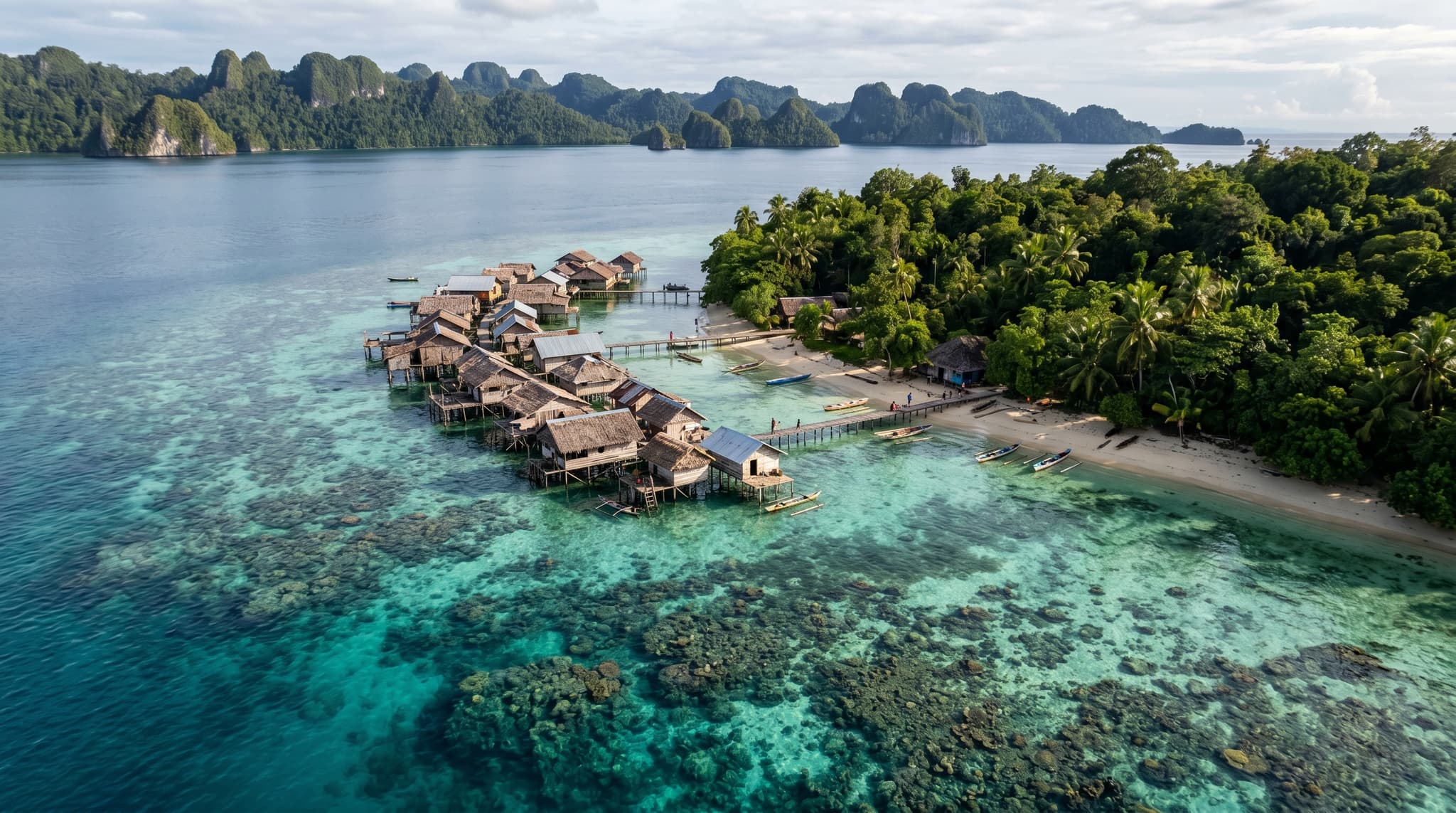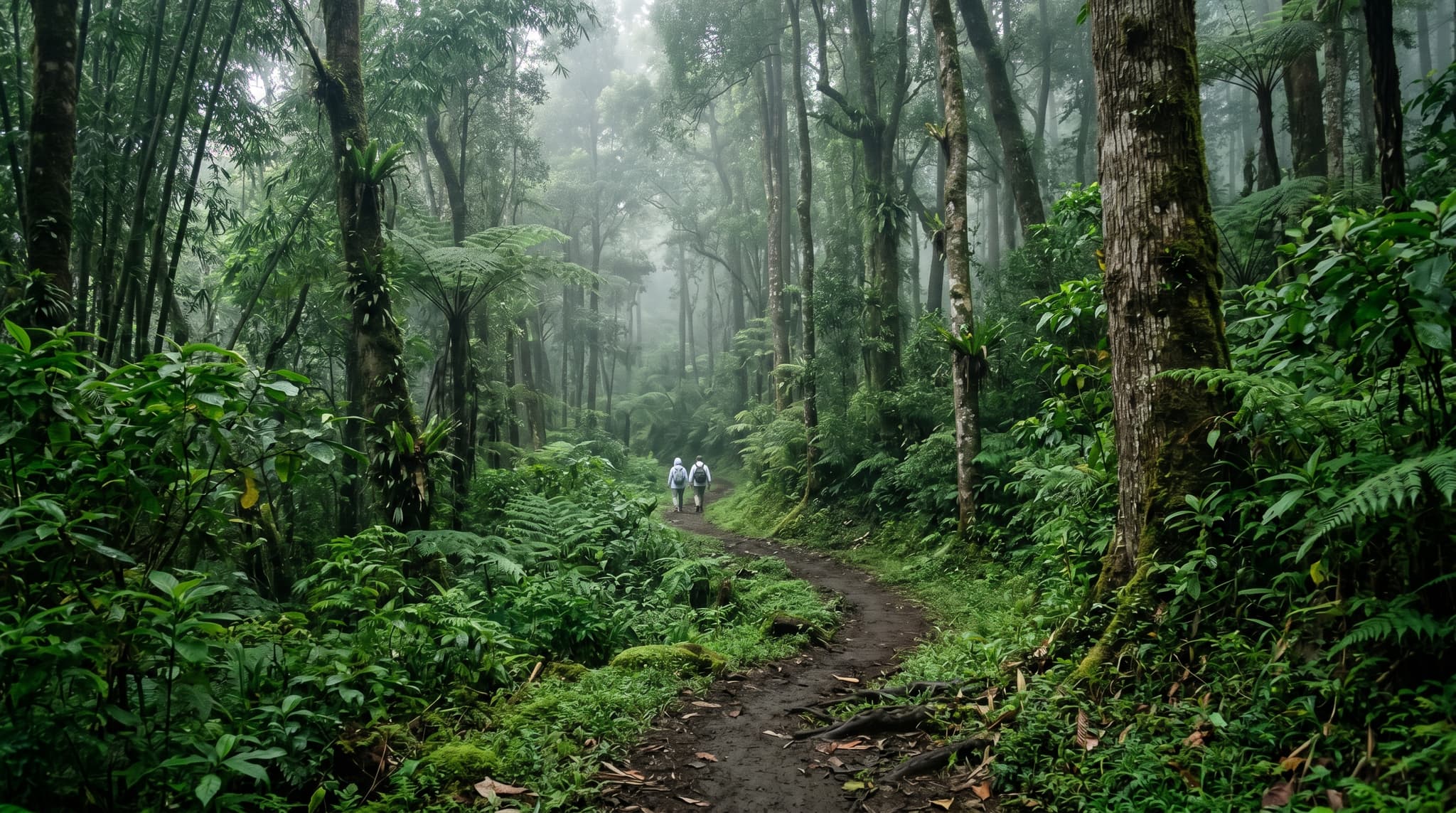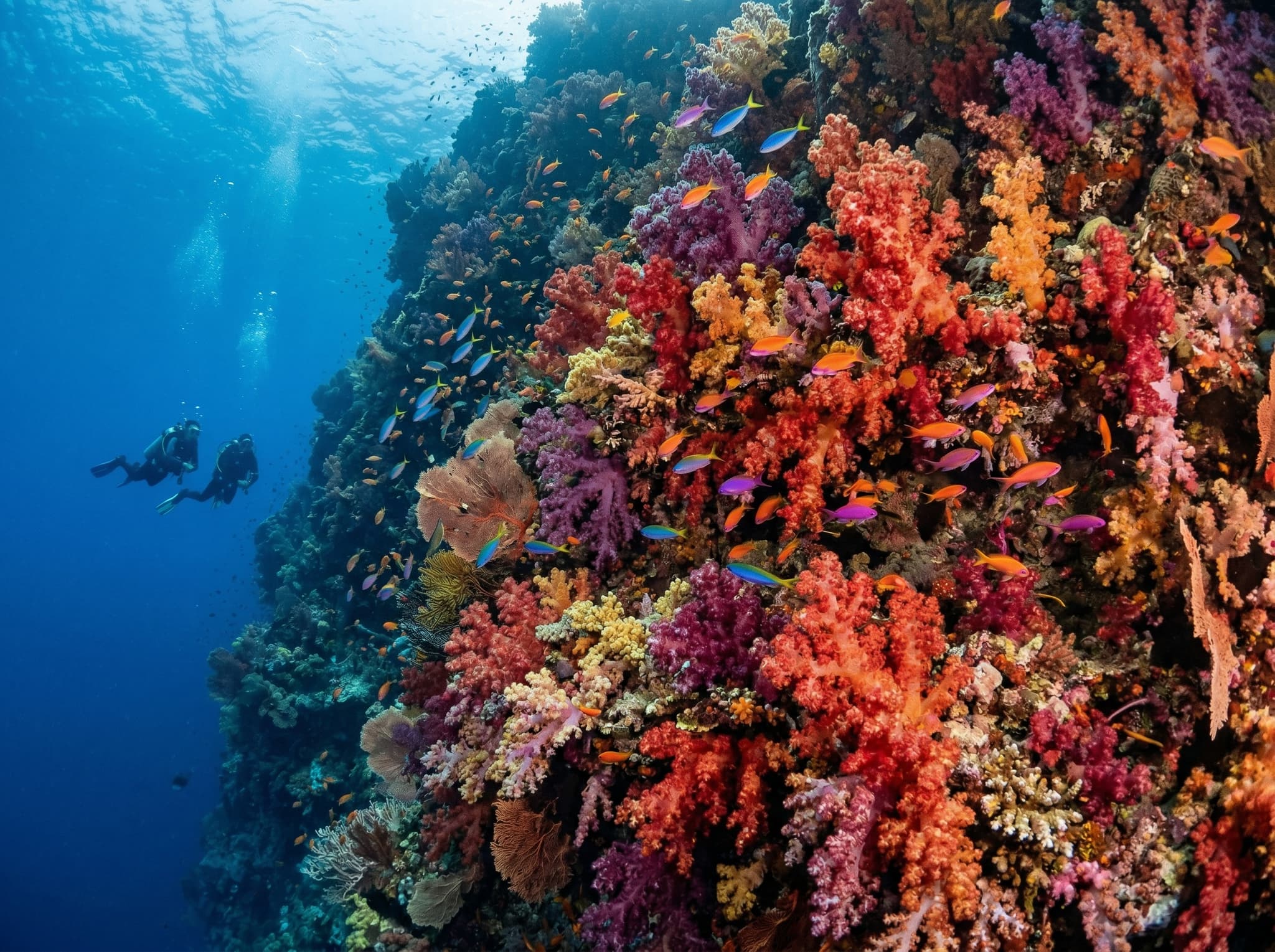
Boo Window in Misool is Raja Ampat's most iconic dive site. Here's what to expect, how to get there, what it costs, and whether it's worth the effort.
If you've ever searched for Raja Ampat diving photos, you've seen Boo Window. You might not have known the name, but you've seen the shot — a natural rock archway framing impossibly blue water, soft corals exploding in orange and purple, a diver silhouetted against the light. It's the image that sells Raja Ampat to half the divers who book a trip there.
The good news: Boo Window actually delivers. This isn't one of those places where the reality is a letdown after the Instagram version. The bad news: getting there requires real commitment — in time, money, and logistics.
What Boo Window Actually Is
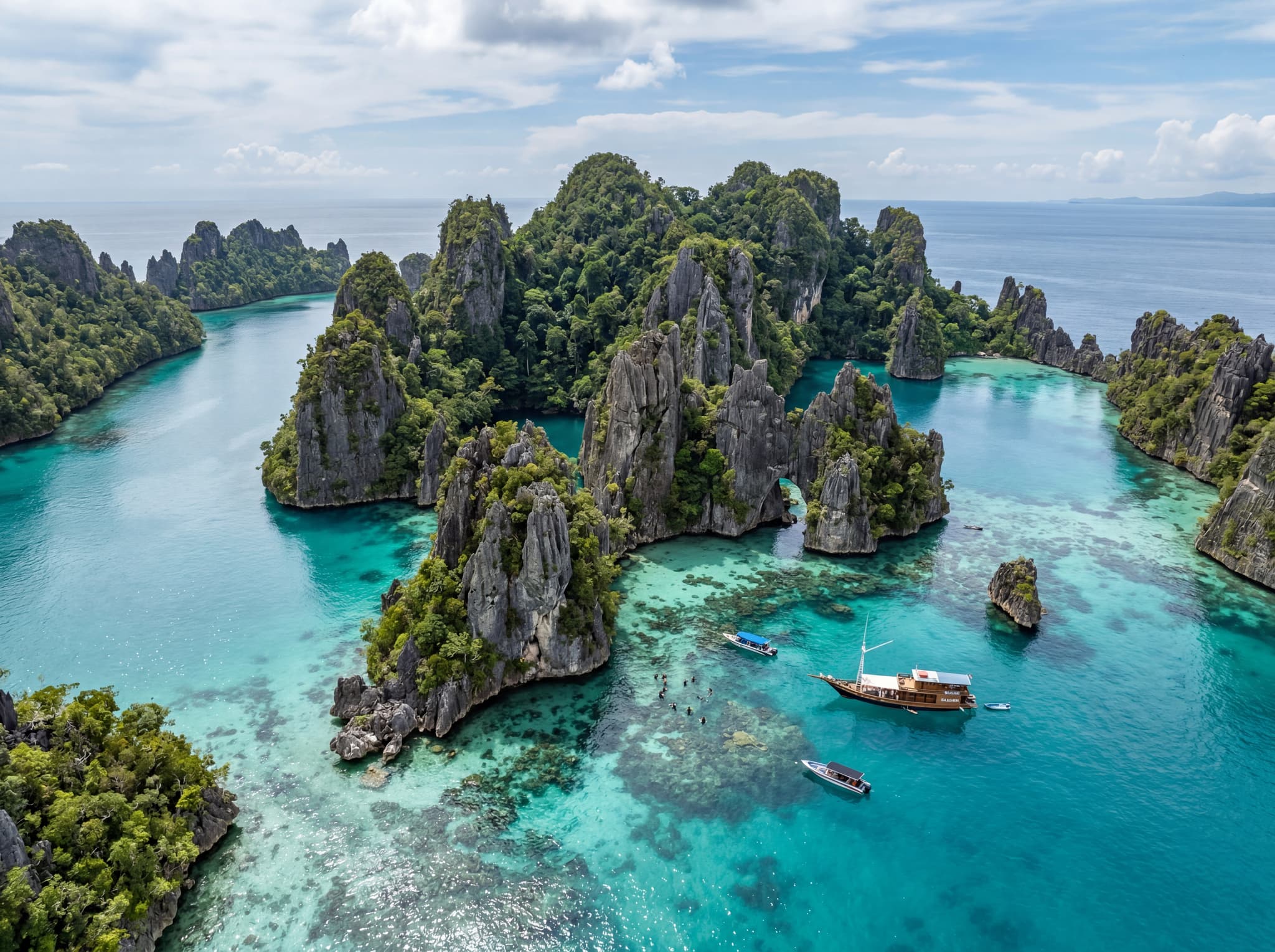
Boo Window is a small limestone island in the Misool area of southern Raja Ampat. The "window" is a natural hole eroded through the rock, sitting just above the waterline. Below it, the reef wall drops away into a garden of sea fans, soft corals, and sponges that looks like someone art-directed an underwater set.
The site works on two levels. Above water, the karst rock formation is dramatic — jagged limestone covered in vegetation, the kind of landscape that makes Raja Ampat look prehistoric. Below water, the wall is stacked with some of the densest soft coral growth in the archipelago. The window itself creates a frame that channels light in a way that makes every photo look composed.
Dive Site Details
Depth Range
3–25 meters
Current
Mild to moderate
Certification Level
Open Water (Advanced preferred)
Visibility
15–25 meters typical
Why Divers Obsess Over It
Three reasons, and they're all legitimate.
The coral density. Raja Ampat sits in the Coral Triangle — the most biodiverse marine region on Earth — and Boo Window is one of its showcase reefs. The soft corals here grow in layers, stacking on top of each other in ways that feel excessive, like nature showing off. Dendronephthya soft corals in reds, oranges, and purples. Gorgonian sea fans the size of dining tables. It's not subtle.
The composition. The window creates a natural frame that works whether you're shooting wide-angle or just looking. Light pours through the opening and illuminates the corals below. Even without a camera, the visual effect is striking — you drift along a wall of color and then suddenly there's this portal of blue light above you.
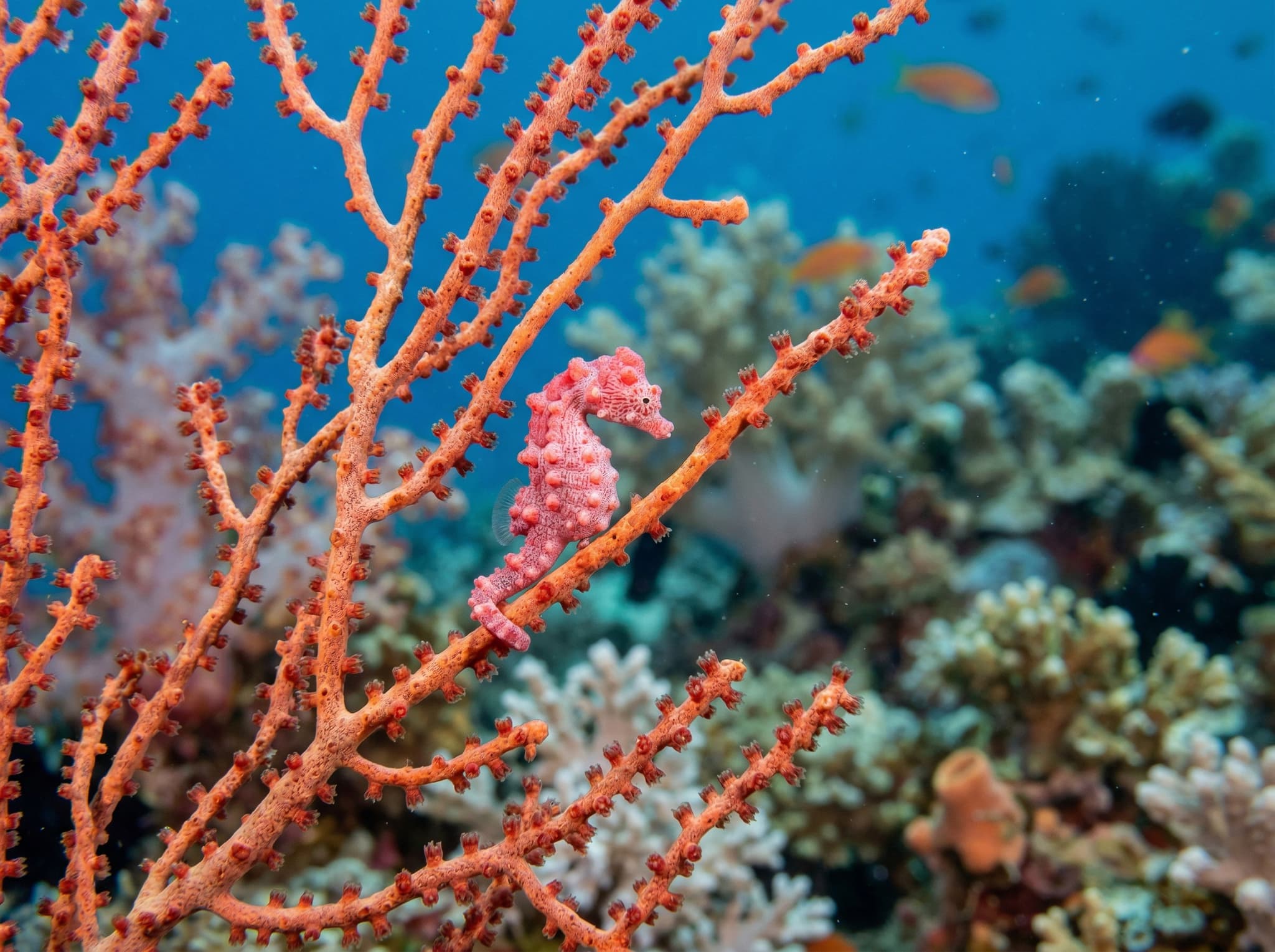
The marine life. Pygmy seahorses on the sea fans (if your guide knows where to look — and in Misool, they do). Wobbegong sharks resting under ledges. Schools of fusiliers and sweetlips in the blue. It's not a big-animal site like some of the manta cleaning stations in northern Raja Ampat, but the macro and reef life is world-class.
How to Get There
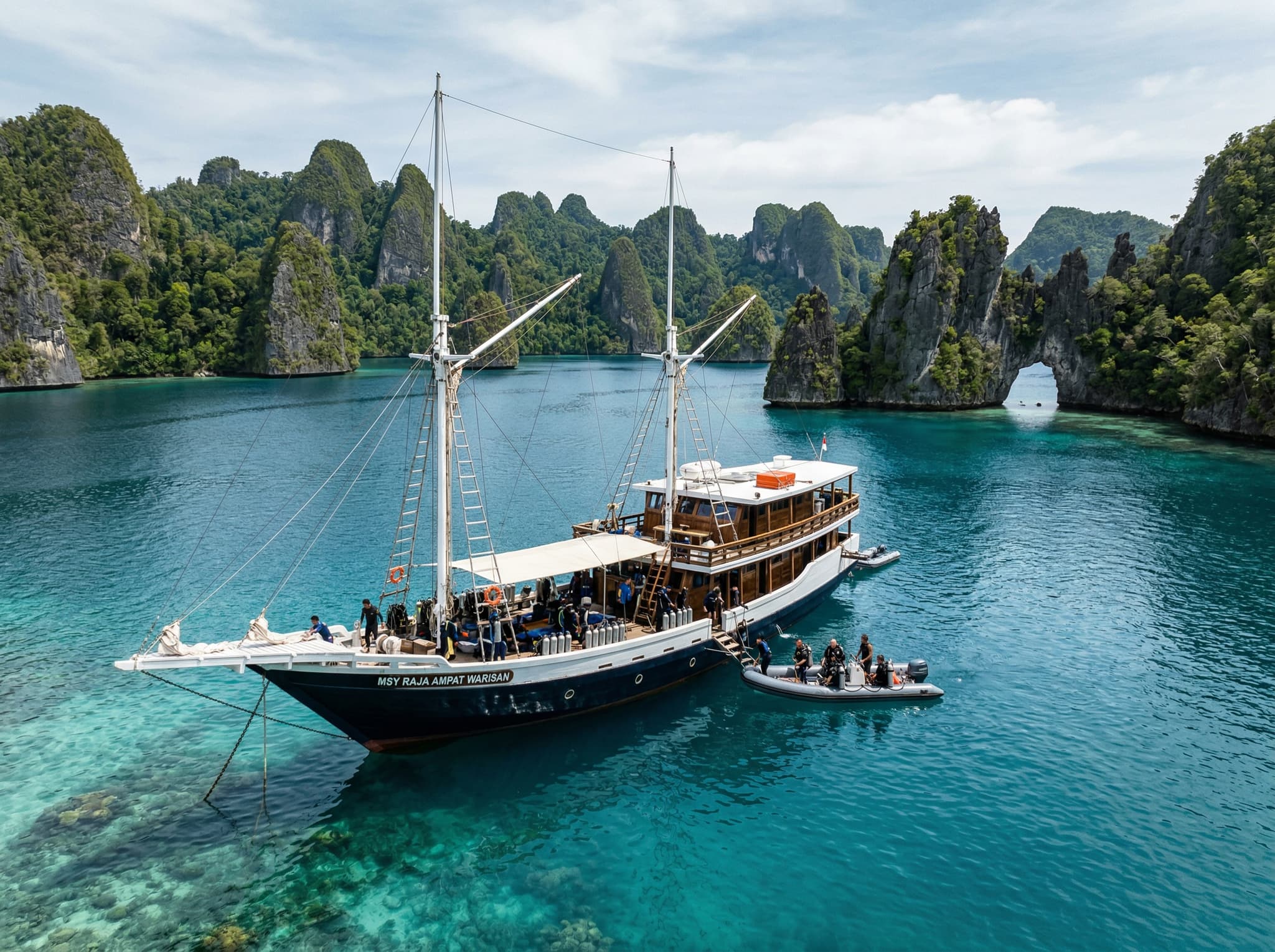
Here's where it gets real. Boo Window is in the Misool region, which is the most remote part of an already remote destination.
From Sorong (the gateway city to Raja Ampat, reachable by direct flights from Jakarta, Makassar, or Manado), you have two practical options for reaching Misool dive sites:
Liveaboard. Most divers experience Boo Window from a liveaboard that covers the southern Raja Ampat route. These trips typically run 7–12 days and cost $3,000–6,000+ depending on the vessel. Boo Window is almost always on the itinerary for southern route trips.
Misool-based dive resort. A handful of resorts operate in the Misool area. The transfer from Sorong to Misool by speedboat takes roughly 4–5 hours. Resorts typically include diving in their packages, and Boo Window is a standard site visit.
Is It Worth the Effort?
Yes, but with a caveat: don't go to Raja Ampat just for Boo Window. Go for the Misool region, which contains dozens of world-class dive sites — Boo Window happens to be the most photogenic of the bunch. Sites like Fiabacet, Nudi Rock, and the Magic Mountain area are equally spectacular for different reasons.
If you're already planning a Raja Ampat diving trip and deciding between the northern route (Dampier Strait, Mansuar, Arborek — closer to Waisai, easier logistics, manta rays) and the southern route (Misool — more remote, better soft corals, Boo Window), here's my honest framing:
The northern route is better for first-timers, shorter trips, and anyone prioritizing manta encounters. The southern route is better for photographers, experienced divers, and anyone who wants the most pristine reef systems. Boo Window is the crown jewel of the south.
Snorkeling Boo Window
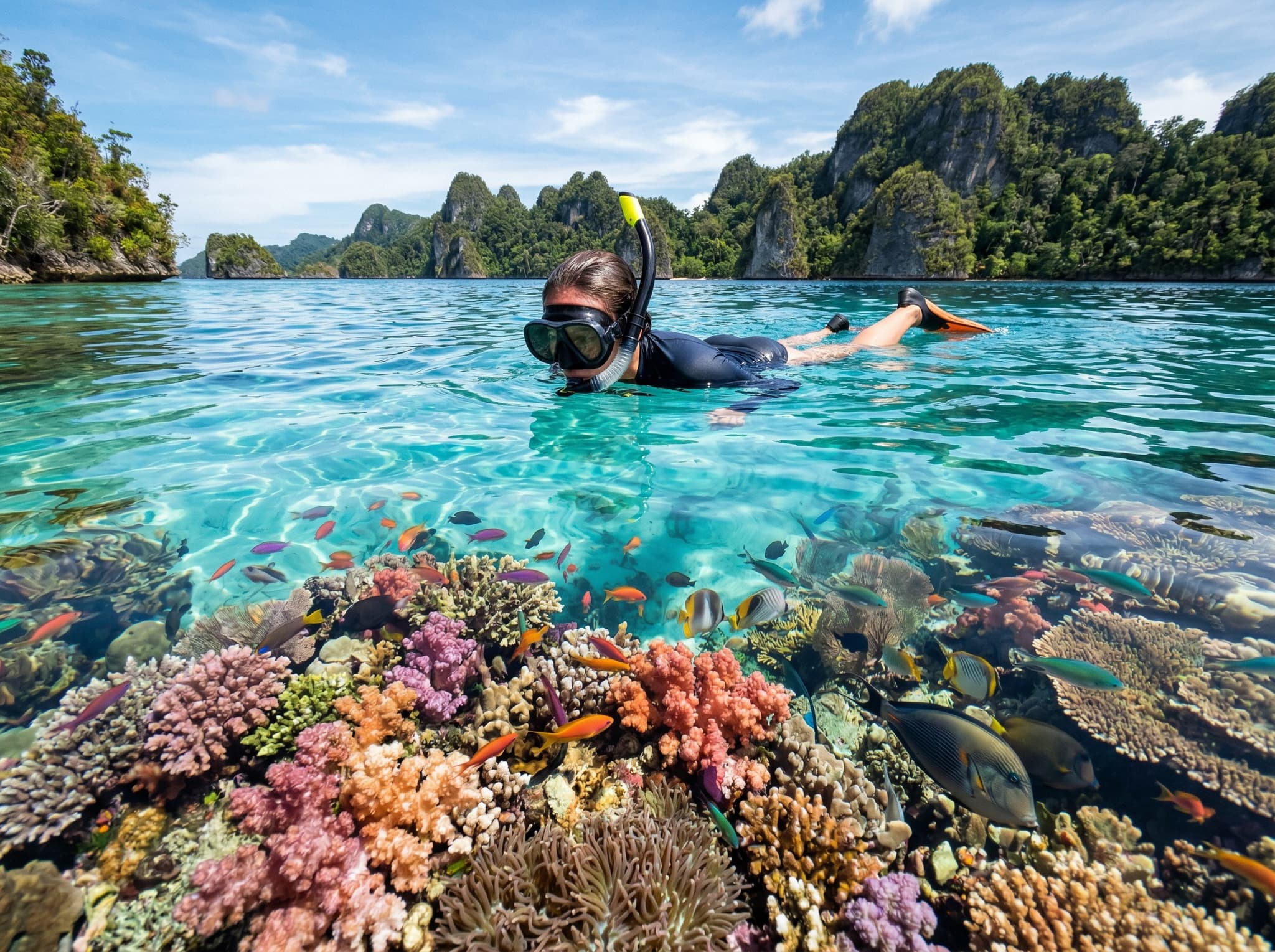
You don't need to be a diver. The shallow reef around Boo Window starts at 2–3 meters, and the window itself is visible from the surface. Snorkelers can see the soft corals, the rock formations, and often the same reef fish. You'll miss the deeper wall and the macro life, but the top of the reef is genuinely impressive on its own.
Practical Notes
Before You Go
Marine Park Fee
IDR 1,000,000 (~$65) for international visitors
Nearest Recompression Chamber
Sorong (4–5 hours by speedboat from Misool)
Best for Photography
Morning dives — light through the window is strongest
Water Entry
Boat dive, wall entry
Boo Window is one of those rare dive sites that matches its reputation. The photos don't lie — they just leave out the 4-hour speedboat ride and the planning it takes to get there. But that's the deal with Raja Ampat's best sites: the difficulty of access is exactly what keeps them this good.