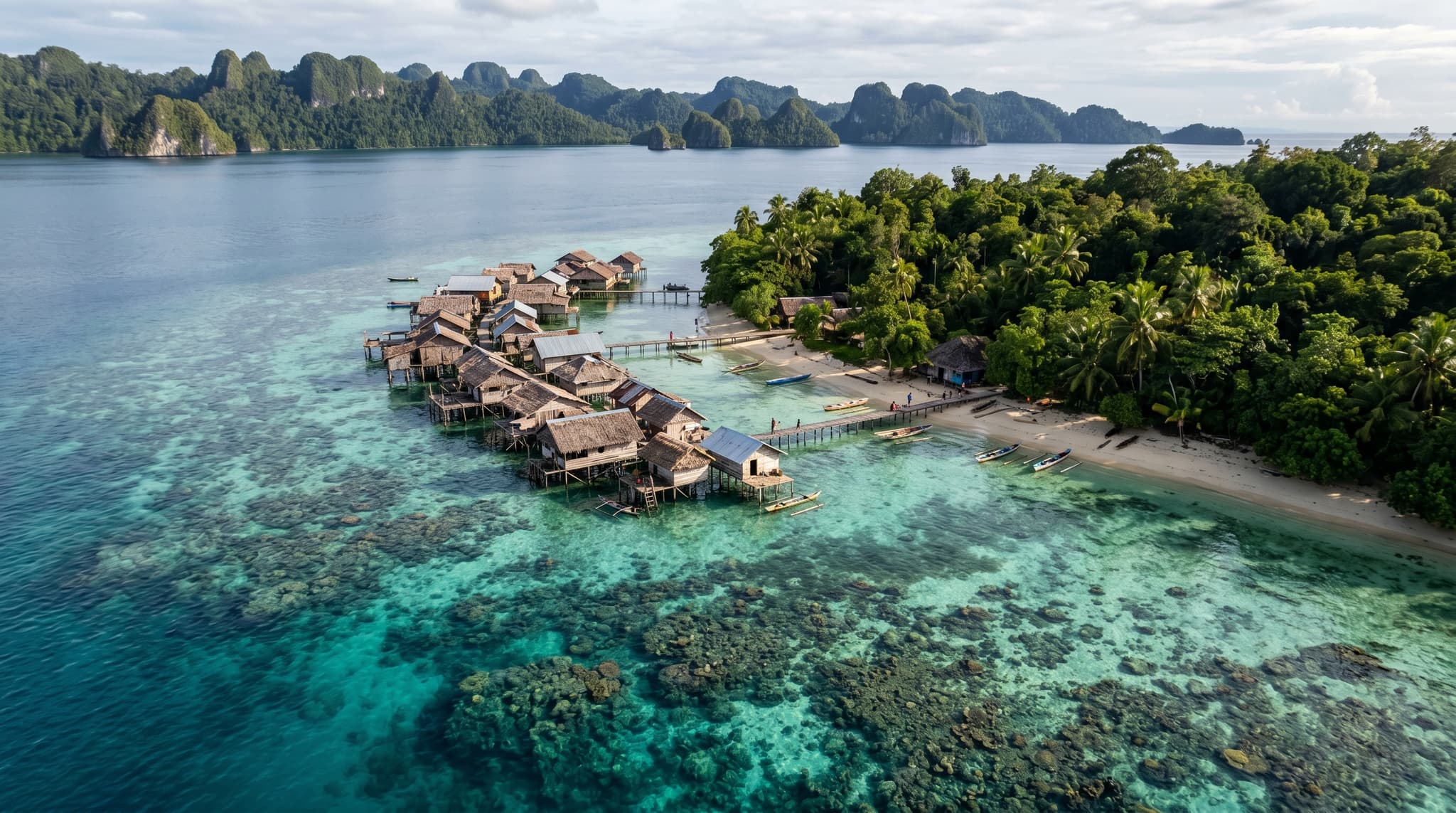
The question isn't really "where to stay in Raja Ampat." It's "which island should I sleep on?" — and the answer shapes everything about your trip.
Raja Ampat isn't a single destination with a hotel strip. It's an archipelago of more than 1,500 islands scattered across the ocean northwest of Papua, Indonesia, and the handful of islands with accommodation are separated by open water, boat transfers, and fundamentally different vibes. Pick the wrong island and you'll spend your trip wishing you were somewhere else. Pick the right one and you'll wonder why you ever considered anywhere else.
This guide breaks the decision into three axes: which island, which accommodation tier, and what you're actually here to do.
The Real Question: Which Island, Not Which Hotel
Accommodation in Raja Ampat concentrates in two zones. The northern Dampier Strait region — home to Kri, Gam, Mansuar, Arborek, and Batanta — holds the vast majority of resorts and homestays. It's where most travelers base themselves, and for good reason: the diving is world-class, the logistics are manageable, and the islands are close enough to each other that day trips are easy.
The southern outlier is Misool, significantly more remote, significantly more expensive to reach, and home to one flagship resort that attracts a different kind of traveler entirely.
Your gateway is Sorong, a functional city on the mainland where you'll fly in from Jakarta, Makassar, or Manado. Don't plan to stay — it's a transit point. From Sorong, a two-hour public ferry (or one-hour speedboat) reaches Waisai on Waigeo Island, the administrative hub. From Waisai, speedboat transfers fan out to individual islands. Most resorts arrange these transfers directly.
One non-negotiable cost: the Raja Ampat Marine Park Entry Permit (IDR 700,000 / ~USD 43 for international visitors). It's valid for 12 months and purchasable online through the official BLUD UPTD site before you arrive. Every visitor needs one, regardless of where they stay.
Staying on Kri Island — Best for Divers and Social Energy
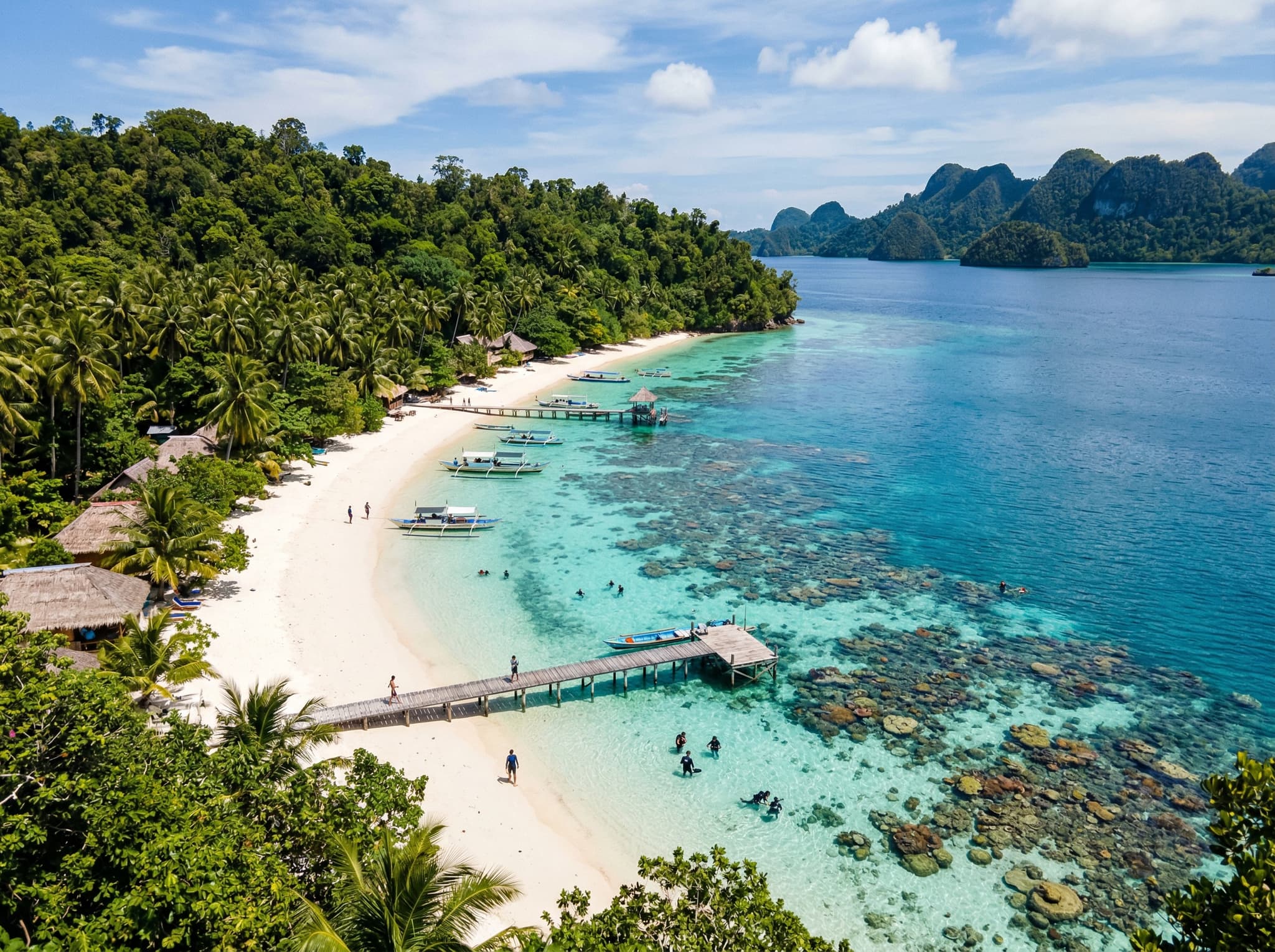
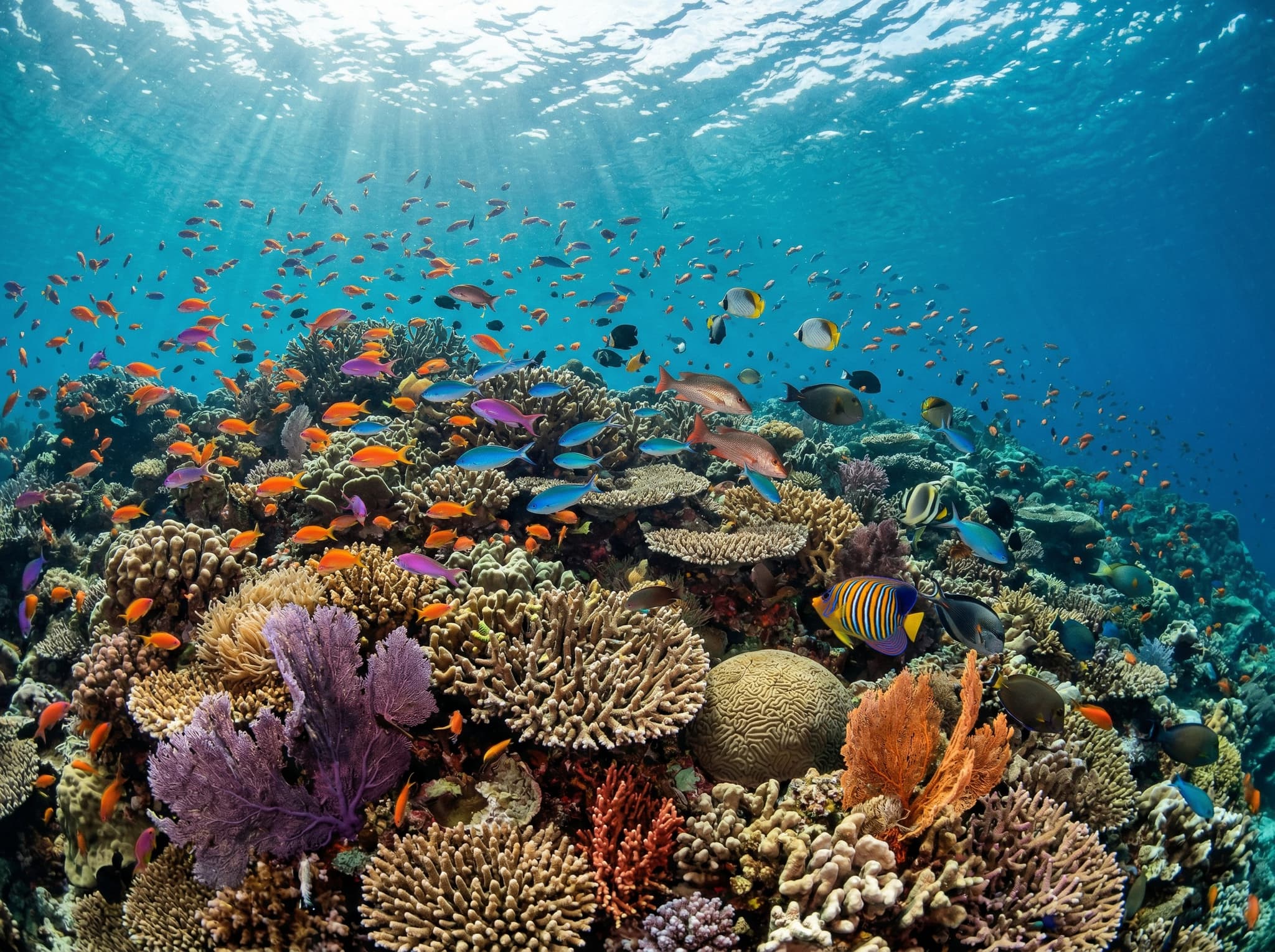
Kri is the most popular base in Raja Ampat, and it earned that status honestly. It has the highest concentration of dive centers, the widest range of accommodation from budget homestays to high-end resorts, long white-sand beaches, and house reefs that are genuinely among the best in the world. A marine survey once recorded over 280 fish species on a single dive here — a world record at the time.
Best for: beginner divers, budget travelers who want to share boat costs with other guests, anyone who wants options and a social atmosphere.
The standout budget option is Nus Homestay, which offers water bungalows with sunset views and varied home-cooked meals. It represents the sweet spot of Kri's homestay scene — basic but characterful, with the kind of setting that makes you question why you'd pay ten times more for a resort.
Kri is also home to Sorido Bay Resort and Kri Eco Resort, two of Raja Ampat's most established high-end properties — both covered in detail in the luxury section below.
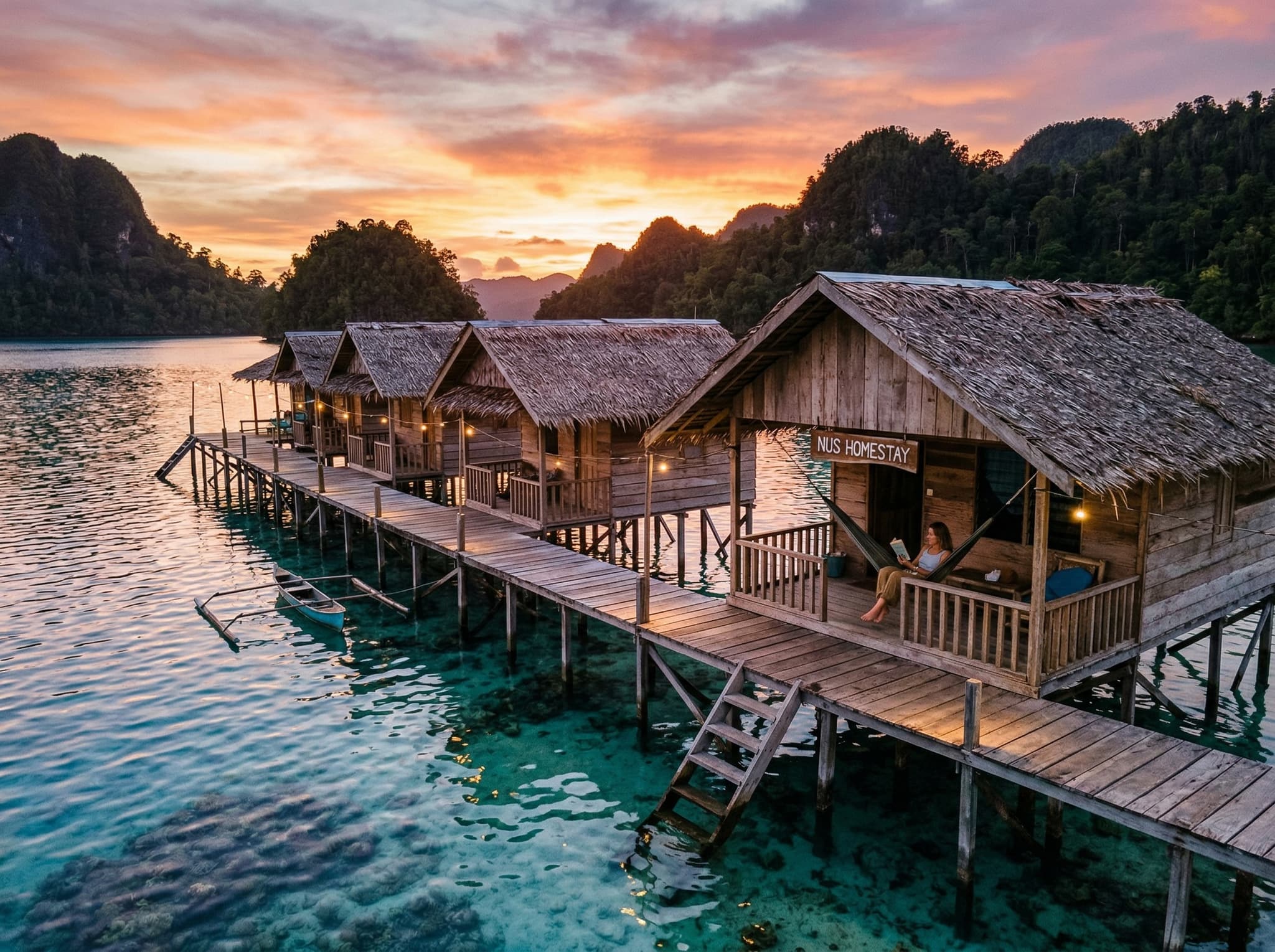
An honest note: Kri is the busiest island in Raja Ampat. "Busy" by Raja Ampat standards still means profoundly remote by any other standard — you're not fighting for beach space. But if absolute solitude is what you're after, other islands deliver it more reliably.
Staying on Gam Island — Best for Experienced Divers and Birdwatching
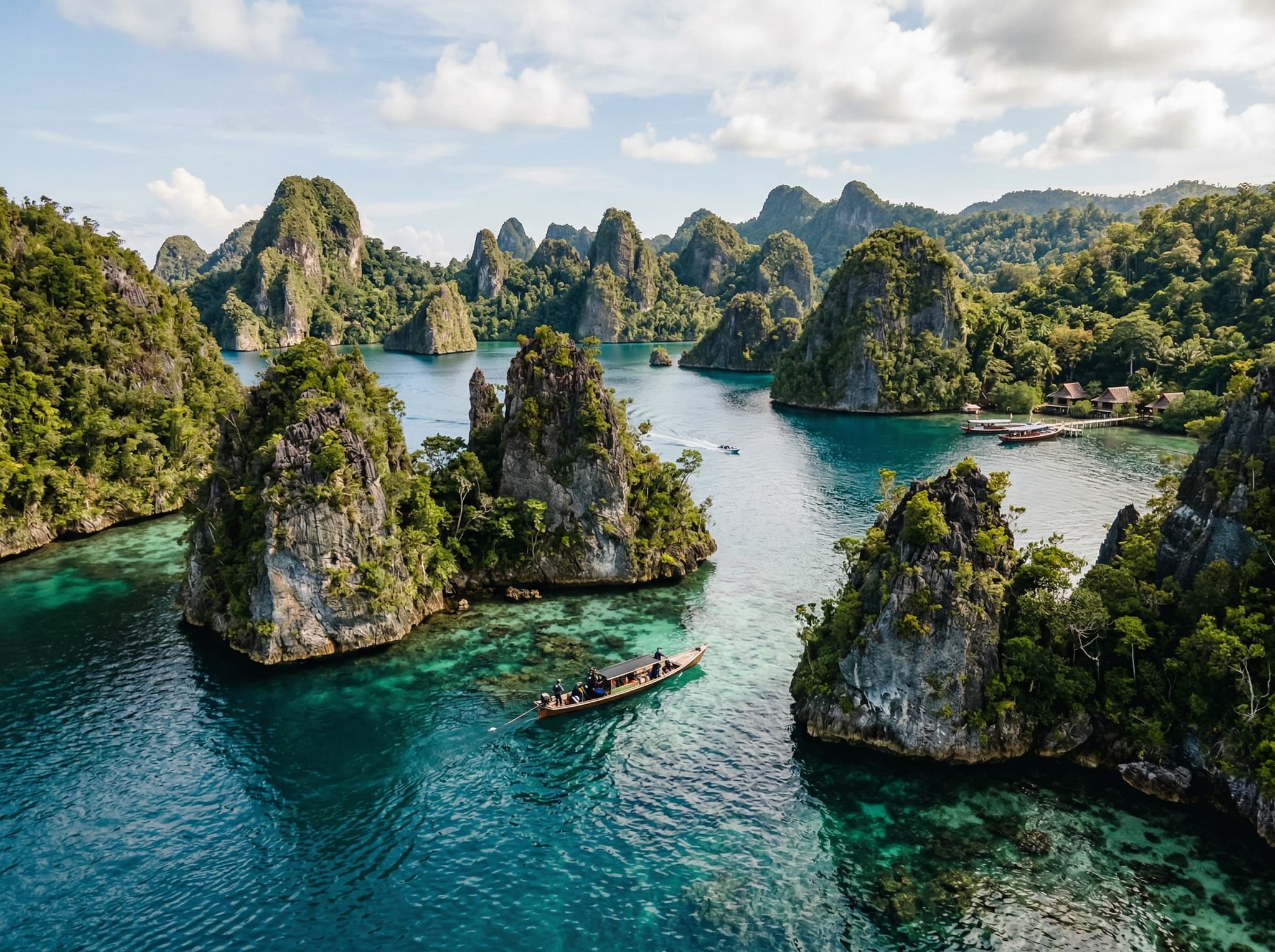
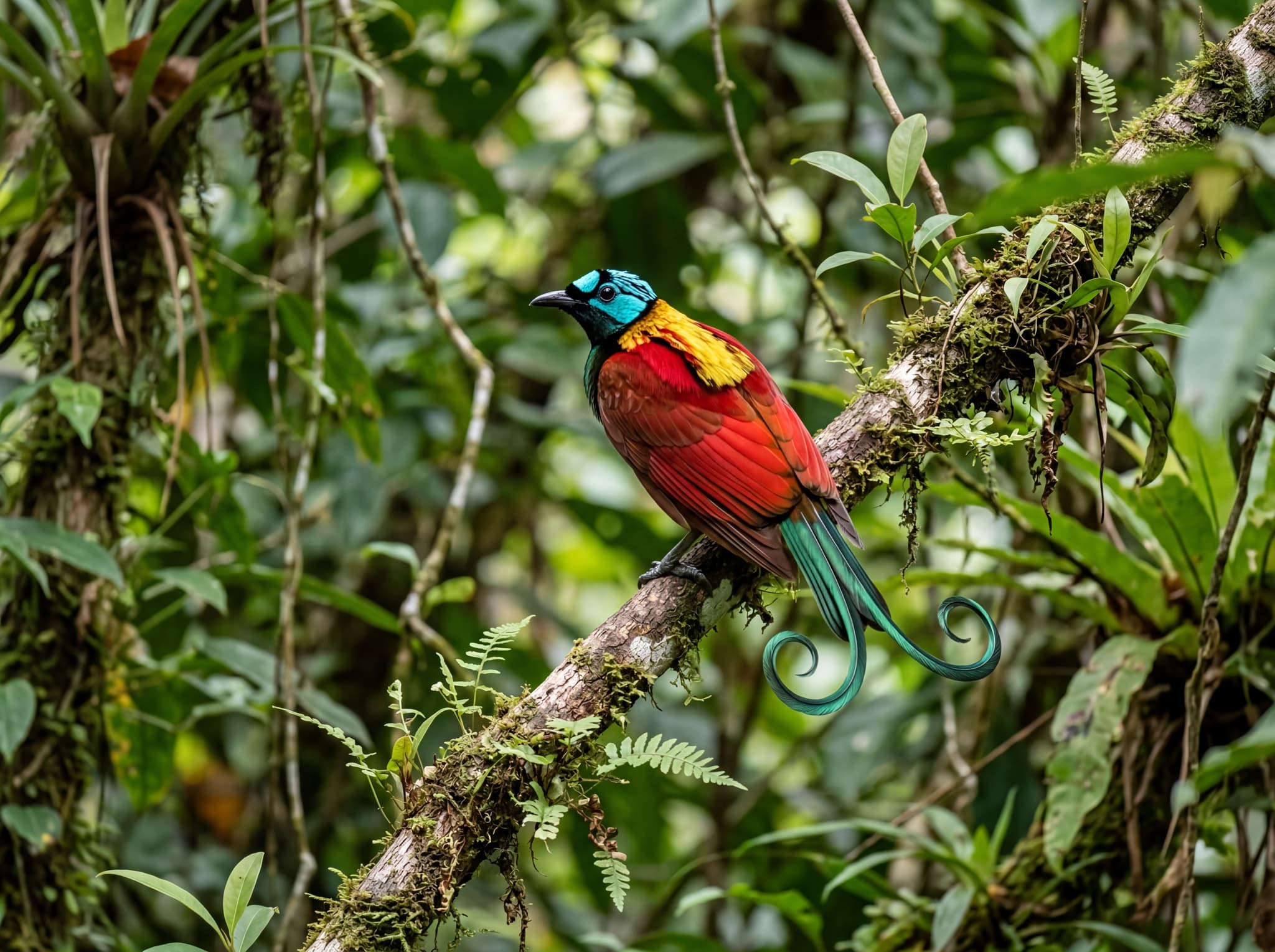
Gam is larger and more secluded than Kri, with fabulous beaches, access to the stunning limestone formations of Kabui Bay, and one of the best reasons to visit Raja Ampat that has nothing to do with the ocean: Wilson's Bird of Paradise. Gam is one of the few places on Earth where you can see this bird in the wild, and several homestays arrange pre-dawn treks to viewing sites.
Best for: experienced divers seeking smaller operations with excellent guides, birdwatchers, travelers wanting more seclusion than Kri without committing to full remoteness.
Three properties define Gam's character:
- Beser Bay Homestay — Two-storey overwater bungalows, only three houses total. This is genuinely intimate; you'll know every other guest by name within hours.
- Corepen Homestay — Maximum capacity of 8–10 divers, noted for excellent food and knowledgeable dive guides who know the local sites with an almost proprietary familiarity.
- Raja Ampat Diva Homestay — Two VIP beachside bungalows with ensuite bathrooms, maximum two guests per room. Booking is via the property's own form only — no OTA listings.
A practical note: Gam has fewer dining and supply options than Kri. Your accommodation is your world here — meals, activities, and social life all revolve around your homestay or resort. That's either the appeal or the limitation, depending on what you want.
Staying on Mansuar Island — Best for Midrange Comfort
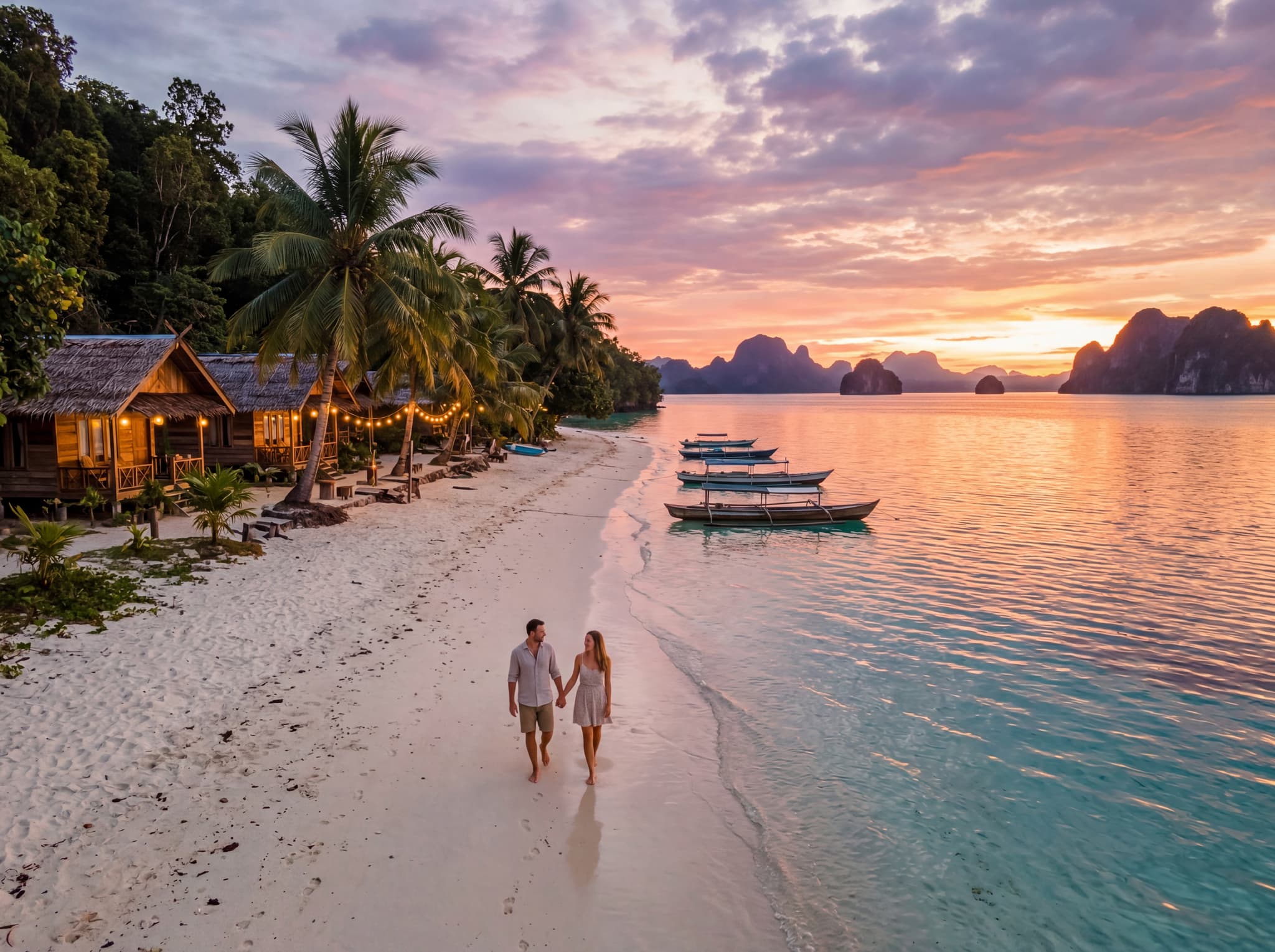
Mansuar sits just south of Kri — connected by a shallow sandbar you can walk across at low tide — but feels distinctly more secluded. The beaches are less trafficked, the sunrise and sunset views are exceptional, and the overall atmosphere skews toward couples and travelers seeking comfort without top-tier pricing.
Best for: couples, midrange budgets, travelers who want resort-level amenities without the cost of Raja Ampat's luxury tier.
Raja Ampat Dive Lodge is the island's flagship property: beachfront, with a breakfast buffet, complimentary kayaks, and airport transfers from Sorong. It occupies the midrange sweet spot — more polished than a homestay, more affordable than the luxury resorts on Kri or Misool. [VERIFY: pricing shows ~Rp 3,719,008 total for 1 night including taxes/fees based on a June 2026 Expedia booking data point — cross-check against resort direct pricing before publish.]
Worth grouping here as a midrange peer: Papua Paradise Eco Resort, technically on nearby Batanta Island. It's an eco-resort near excellent birdwatching spots that promotes diving and offers a 20-day window to confirm your booking with a 25% deposit.
Staying on Arborek Island — Best for Culture and Community
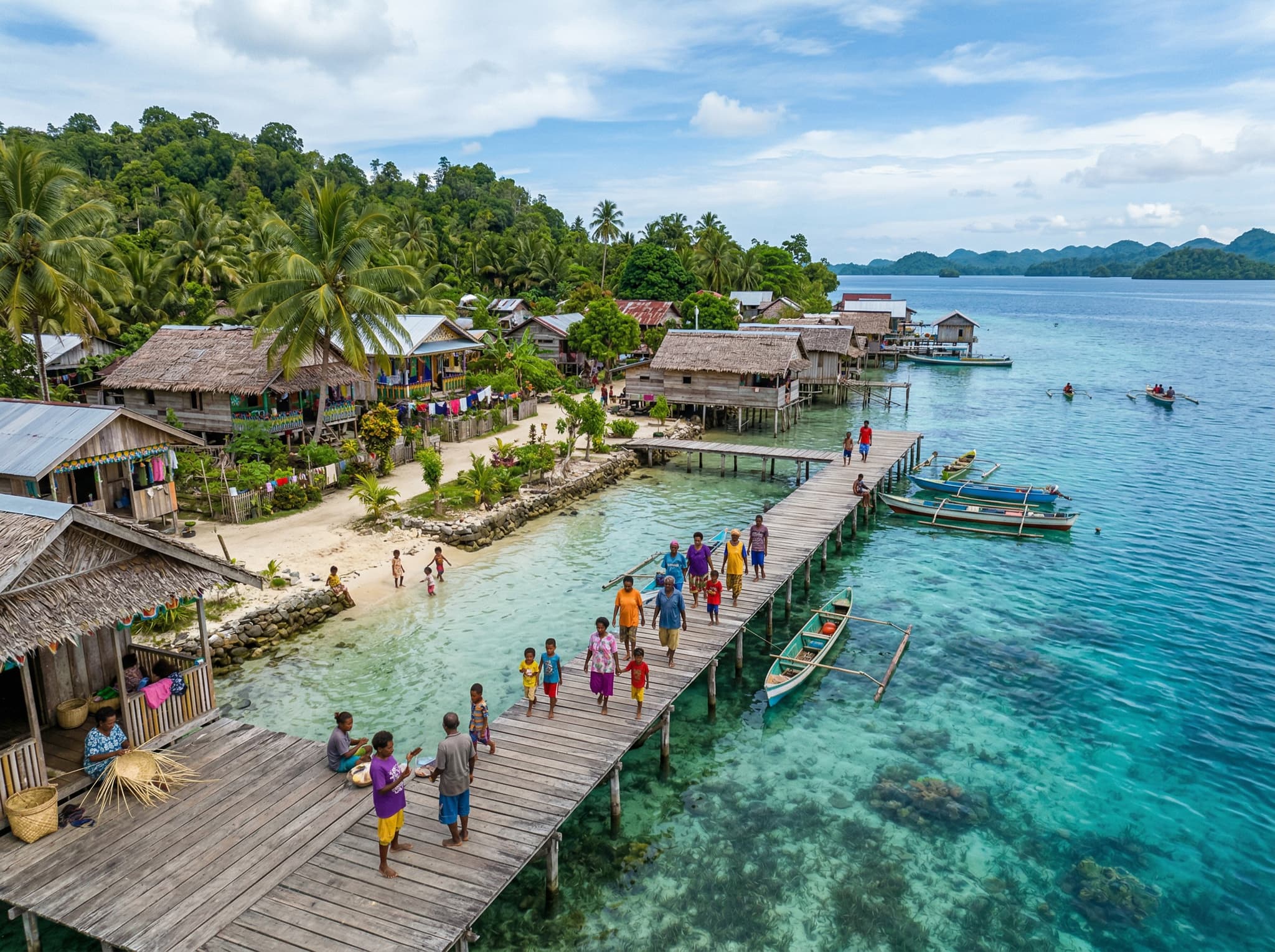
Arborek is tiny — you can walk across it in minutes — and it's the most culturally immersive base in Raja Ampat. This is a living village, not a resort island. There are small shops, a dive center, and a community that has actively shaped its own relationship with tourism. Women in the village are known for their traditional hat-weaving, and visitors are often invited to watch or participate.
Best for: solo travelers, cultural travelers, budget travelers who want community interaction and don't mind trading polish for authenticity.
Guest House Lalosi Arborek (~USD 57/night) is one of the more established guesthouse options — basic, clean, and embedded in village life. This is not resort-style accommodation. It's a room in a community, and the experience is richer for it.
Arborek's location makes it a convenient base for day trips to surrounding dive sites and islands. And its social atmosphere means solo travelers won't feel isolated — you'll be sharing meals and boats with other guests almost immediately.
For the opposite extreme, consider Rufus Island: maximum eight houses in a lagoon setting, weak internet signal, and the kind of solitude that borders on meditative. It's for travelers who find Arborek too bustling — which tells you something about the scale of "bustling" in Raja Ampat.
Staying on Misool
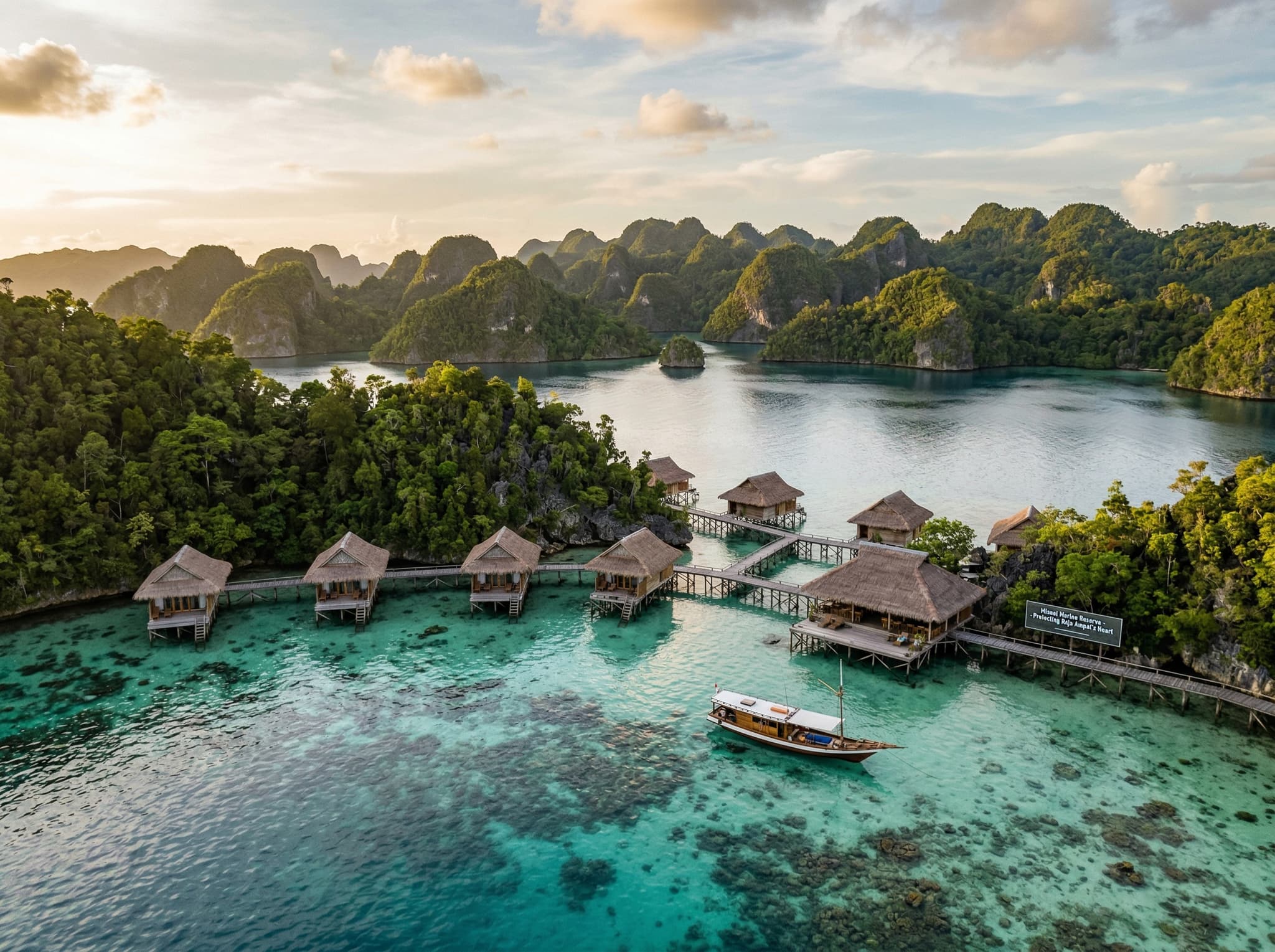
— Best for Remote Luxury and Seclusion
Misool is southern Raja Ampat, and "southern" here means a fundamentally different logistical commitment. It's hours from the Dampier Strait islands by speedboat, transfers are more expensive, and getting there typically adds a day to your itinerary in each direction. Most travelers choose either the Dampier Strait area or Misool — combining both requires 10 or more days.
Best for: honeymooners, luxury travelers, divers seeking less-trafficked sites, anyone willing to pay a premium for genuine remoteness.
The island's defining property is Misool Eco Resort, a conservation-driven luxury operation that helped establish a marine protected area around its location. The resort is genuinely remote — this isn't "remote" as a marketing concept but as a geographic fact. Diving here accesses sites that see a fraction of the traffic around Kri, and the marine life reflects it. [VERIFY: pricing historically $350–500+/night all-inclusive — confirm current rates against resort site before publish.] Booking logistics are covered in the luxury section below.
This section is brief because the Misool decision is essentially binary: you either want this level of seclusion and are willing to pay for the transfer logistics, or you don't. There's no middle ground to analyze.
Liveaboard vs. Land-Based: Which Is Right for You?
For serious divers, the best answer to "where to stay in Raja Ampat" might be "on a boat."
A liveaboard — typically a traditional Indonesian phinisi sailing ship — covers far more geographic range than any land-based resort. Over 7–10 days, you'll dive sites scattered across the archipelago, including remote areas that are simply inaccessible from shore. There are no transfer logistics to manage, no choosing between islands, and all-inclusive pricing that simplifies budgeting.
Liveaboard vs. Land-Based
Geographic range
Liveaboard: wide, multi-region | Land: limited to nearby sites
Non-diving flexibility
Liveaboard: limited | Land: kayaking, village visits, hiking
Social dynamic
Liveaboard: same group all trip | Land: rotating guests
Best for non-divers
Land-based, clearly
Budget entry point
Liveaboard: ~USD 5,795 multi-day | Land: ~USD 24/night homestay
Liveaboard pricing starts around USD 5,795 for multi-day packages on mid-range phinisi ships, including accommodation, meals, diving or snorkeling gear, and guides. Mid-range operators like Jelajahi Laut offer cabins with hot water, AC, and sun decks. Budget liveaboards with shared dorm-style rooms exist for backpackers, though availability varies by season.
At the extreme high end, Abercrombie & Kent runs a luxury yacht expedition format — 14 days, maximum 24 guests, with onboard marine experts. It's a different product category entirely, priced accordingly (book direct for rates).
The decision heuristic: If your trip is primarily about diving and you have seven or more days, seriously consider a liveaboard. If you want to mix activities, want a home base, or are traveling with a non-diver, stay on land.
Raja Ampat Homestays: The Budget Option Most Guides Ignore
Here's the number that changes the calculation for budget travelers: homestays in Raja Ampat average IDR 350,000 (~USD 24) per person per night, full board — three meals daily plus unlimited drinking water, tea, and coffee. That's genuinely affordable access to one of the most biodiverse marine environments on Earth.
What to expect: basic rooms, shared or simple private bathrooms, home-cooked meals (typically fish, rice, vegetables, and fruit), limited electricity hours in some cases, and minimal WiFi. This is not budget-hotel-basic — it's village-life-basic. Your shower may be a bucket. Your walls may be thin. Your meals will be cooked by the family you're staying with, and the fish was probably caught that morning.
Why this matters beyond your wallet: homestay revenue goes directly to local Papuan families. The economic argument is real — when marine conservation generates income for villages, the incentive structure around protecting reefs shifts fundamentally. Staying in a homestay isn't just cheaper; it's a more direct form of economic participation.
Budget Accommodation Examples
Raja Ampat Sandy Guest House
~USD 36/night
Yenbainus Homestay
~USD 47/night
Guest House Lalosi (Arborek)
~USD 57/night
Average homestay (full board)
~USD 24/night
Best homestay islands: Kri (most options, social atmosphere — Nus Homestay is the standout), Arborek (cultural immersion — Guest House Lalosi is the established choice), and Gam (seclusion with character — Beser Bay and Corepen, both covered in the Gam section above).
Booking practicality: some homestays are listed on stayrajaampat.com or bookable through direct contact. Others, like Raja Ampat Diva Homestay, require booking through the property's own form. Don't expect instant confirmation — communication can be slow, internet access on the islands is limited, and patience is part of the process.
Luxury Resorts Worth the Splurge
Raja Ampat's luxury tier is small — a handful of properties, most with strong conservation commitments and the kind of house reefs that justify the price tag on their own.
Sorido Bay Resort (Kri Island) is one of Raja Ampat's original high-end properties, with a long-established reputation among serious divers. The house reef is exceptional — you can spend entire days snorkeling without repeating yourself. [VERIFY: pricing historically $300+/night — confirm current rates against resort site before publish.]
Kri Eco Resort (Kri Island) is Sorido Bay's sister property, positioned slightly differently but sharing the same stretch of reef and the same operational pedigree. [VERIFY: current nightly rate — research shows ~$150–200 range but no confirmed 2025/2026 source.]
Misool Eco Resort (Misool) is detailed in the Misool section above. For booking logistics: expect to pay a deposit to secure your reservation, with the balance due well before arrival. Contact the resort directly for current rates and cancellation terms — this isn't an Agoda booking.
Papua Explorers (Gam Island) is an eco-focused, smaller operation on Gam. [VERIFY: current pricing and operational status before publish.]
Raja Ampat Biodiversity Eco Resort carries a 4.9/5 rating across 421 TripAdvisor reviews — numbers that are hard to argue with. It's eco-focused with clear booking terms: 25% deposit within 7 days of confirmation, balance due 45 days before arrival, and cancellations more than 45 days out receive a refund minus a 25% admin fee.
Meridian Adventure Marina Club & Resort ranks #1 on TripAdvisor for Raja Ampat at ~USD 136/night — making it the most accessible resort option for travelers who want proper amenities without the $300+ nightly rate of the top-tier properties.
Getting to Your Accommodation From Sorong
Every trip to Raja Ampat starts the same way: a flight into Sorong's Domine Eduard Osok Airport (DEO). From there, the steps are straightforward but require planning.
Step 1: Fly into Sorong. Direct flights operate from Jakarta (Garuda, Lion Air), Makassar, and Manado. Arrivals are often midday or afternoon.
Step 2: Take the public ferry to Waisai on Waigeo Island (roughly 2 hours, departures typically morning) or arrange a speedboat (~1 hour, more expensive, more flexible timing).
Step 3: From Waisai, a speedboat transfer takes you to your specific island and property. Duration varies — 30 minutes to Kri, longer to more remote islands.
The critical shortcut: Most resorts and many homestays offer airport pickup and boat transfer directly from Sorong, bypassing Waisai entirely. Confirm this when booking — it simplifies logistics enormously and is sometimes included in the rate.
[VERIFY: boat transfer costs estimated at IDR 500,000–2,000,000+ depending on distance and whether shared or private — confirm range against current operator pricing before publish.]
Misool transfers are a separate challenge — longer, more expensive, and sometimes requiring an overnight in Sorong if flight timing doesn't align with boat departures.
A timing warning: Don't book a same-day connection that's tight. Flights to Sorong can be delayed, and missing your boat transfer means an unplanned night in Sorong. Build in a buffer. Sorong itself is a functional transit city with adequate hotels near the airport, but it's not where you want to spend your vacation.
Quick Reference: Raja Ampat Accommodation at a Glance
By Island
Kri
Divers, social travelers | All budgets | $24–300+/night | Nus Homestay, Kri Eco Resort, Sorido Bay
Gam
Experienced divers, birdwatchers | Budget–mid | $24–150/night | Beser Bay, Corepen, Diva Homestay
Mansuar
Couples, midrange comfort | Mid | ~$80–230/night | Raja Ampat Dive Lodge
Arborek
Culture, solo travelers | Budget | $24–57/night | Guest House Lalosi
Misool
Luxury, seclusion | High | $350+/night | Misool Eco Resort
Liveaboard
Serious divers | Mid–high | $5,795+ multi-day | Various phinisi operators