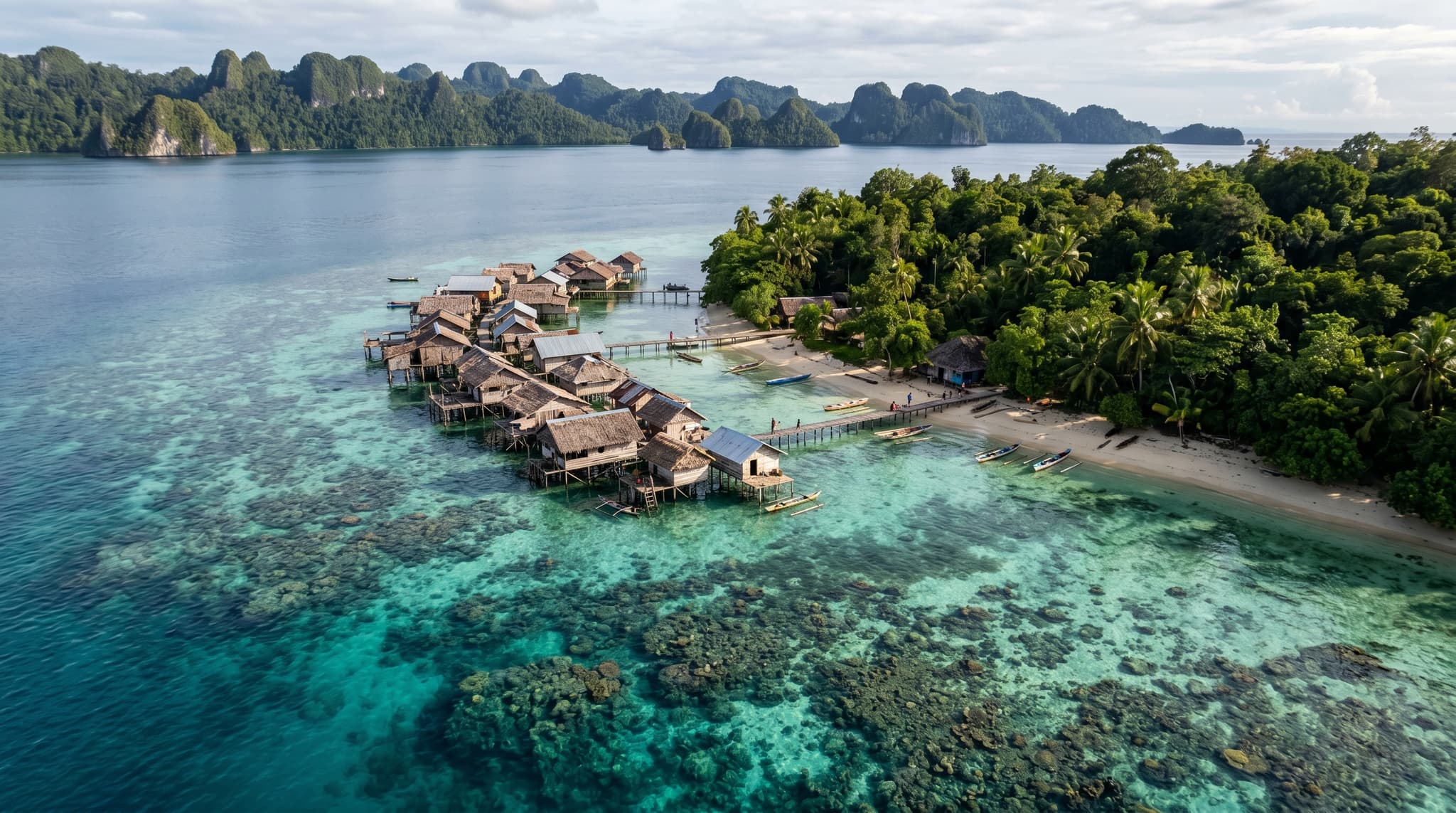
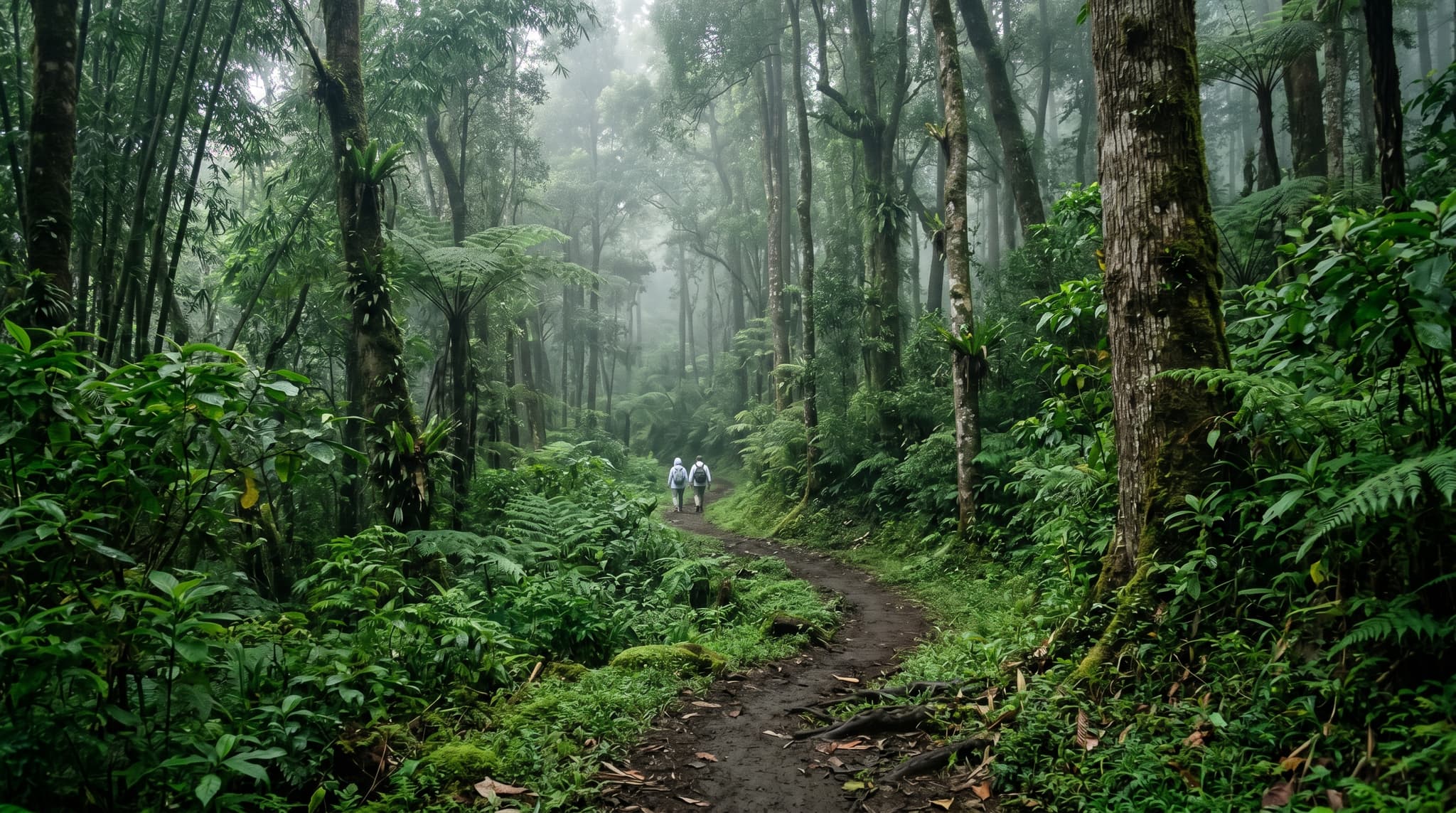
Misool Island sits in the southern reaches of Raja Ampat, roughly 150 kilometers from the nearest airport, accessible only by boat, and home to some of the densest marine biodiversity measured anywhere on Earth. It is not convenient. It is not cheap. And the logistics chain that connects you to it — flights, harbors, ferries, small boats — filters out anyone who hasn't done their homework.
This is the homework.
What follows covers every transport option from Sorong to Misool with current prices and schedules, accommodation across three distinct budget tiers with honest trade-offs, permit requirements, seasonal guidance, and total cost estimates you can actually plan around. If you're trying to figure out whether Misool is realistic for you — and how to make it happen — this is the article that answers that.
Why Misool — and Why It's Not Easy
Most visitors to Raja Ampat stay in the northern Dampier Strait area — around Kri, Gam, and Arborek — where transport from Waisai is short and homestay options are plentiful. Wayag, the iconic karst lagoon, is a day trip from that same zone. Misool is a different proposition entirely. It's the southern regency, separated from the main tourist corridor by open water and limited transport schedules.
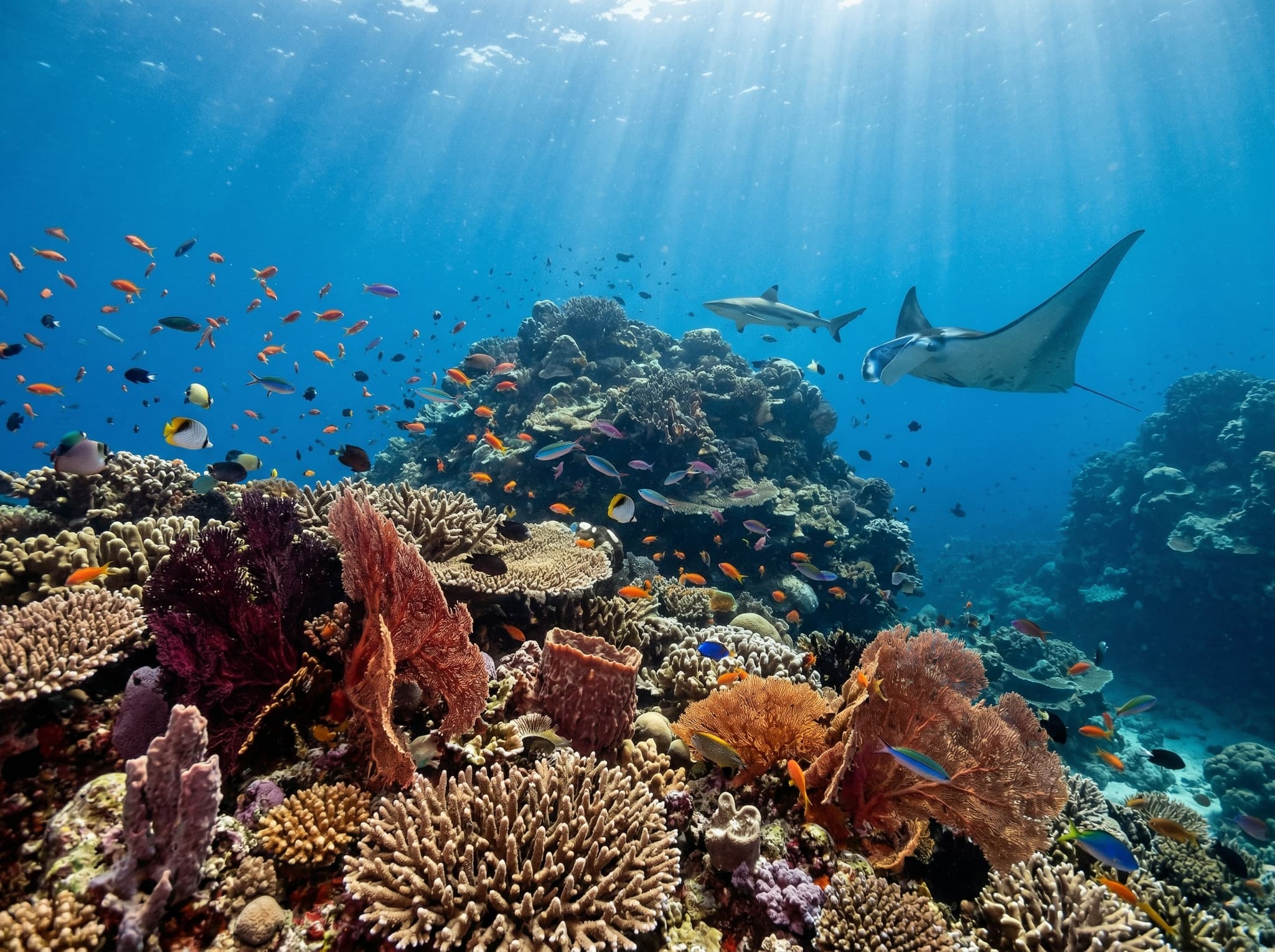
What justifies the extra effort is measurable. The Misool Marine Reserve covers 300,000 acres and contains over 1,300 fish species and roughly 70% of all known coral species on the planet. Since the reserve was established, shark populations have surged 190–600% from their 2012 baseline, with 25 times more sharks documented inside the reserve than outside. Manta ray numbers have doubled. Sightings of oceanic mantas — the larger, rarer species — have increased 25-fold.
These aren't marketing claims. They're survey data, and they explain why divers rearrange schedules and budgets to get here.
The trade-off is straightforward: fewer transport options, higher costs, and more planning than anywhere else in Raja Ampat. Every section below exists to close that gap.
Sorong: Your Starting Point
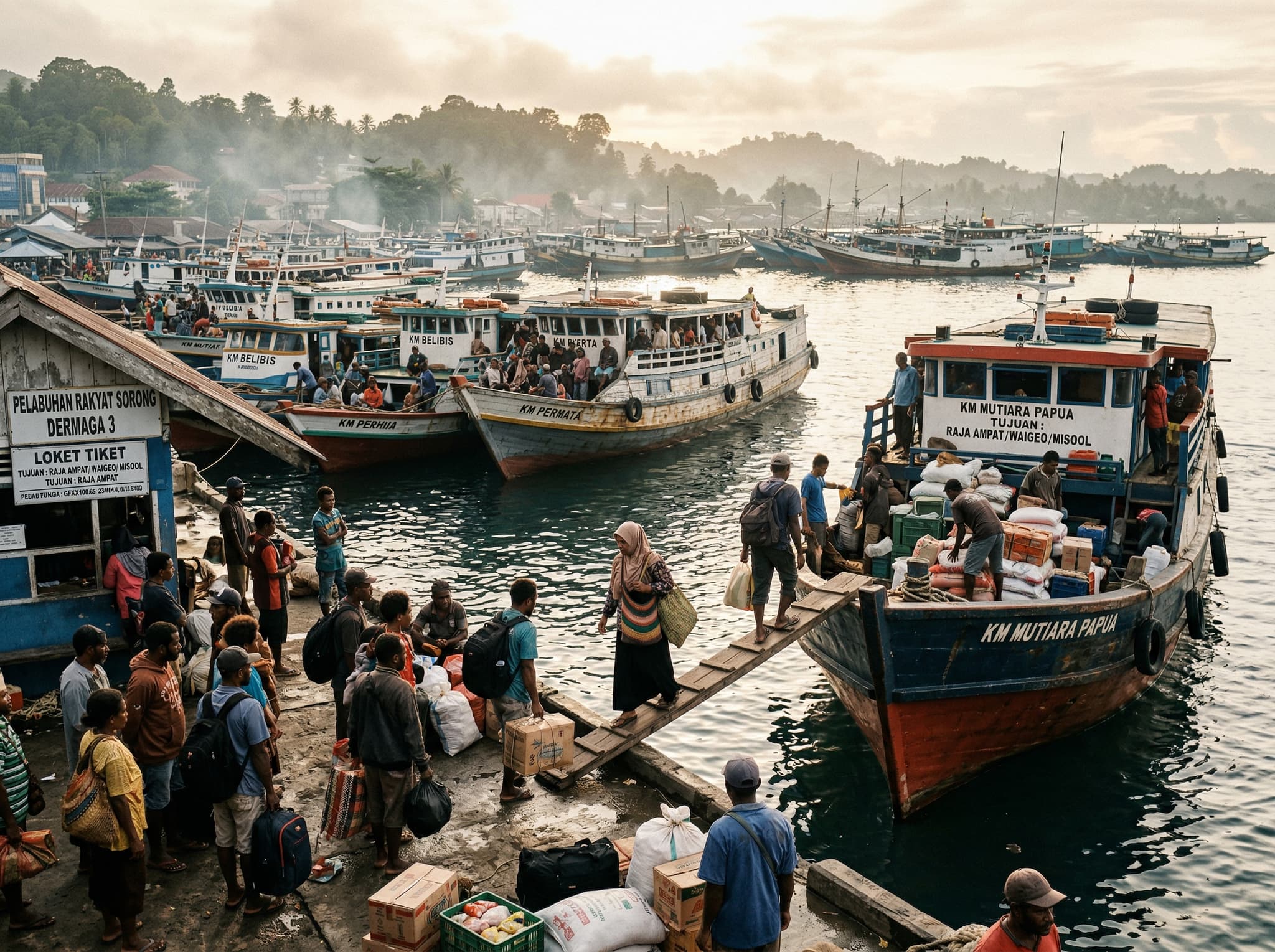
Every route to Misool starts in Sorong. No exceptions.
Sorong Airport (SOQ) receives direct flights from Jakarta (Garuda, Lion Air, Batik Air), Makassar, and Manado. Flight time from Jakarta is approximately 4.5 hours, often with a stop in Makassar. Round-trip fares typically range from $150 to $350 depending on timing and airline.
From the airport to the harbor, it's a 15-minute taxi ride. Grab and GoJek are both available at arrivals — expect to pay IDR 30,000–50,000.
Here's where it gets specific: Sorong has three harbors that serve Misool routes, and which one you need depends on which boat you're taking.
Sorong Harbors for Misool
Pelabuhan Rakyat
Misool Express, Fajar Indah
Usahamina
KM Terubuk cargo/slow ferry
Pelni Harbor
Pelni national routes (not direct Misool)
If your flight lands in the afternoon or evening, plan to overnight in Sorong. Most Misool departures leave in the morning or late evening, and there's no benefit to rushing to a harbor at midnight only to wait. Budget hotels near the harbor run IDR 250,000–400,000 per night.
Getting to Misool: Every Transport Option Compared
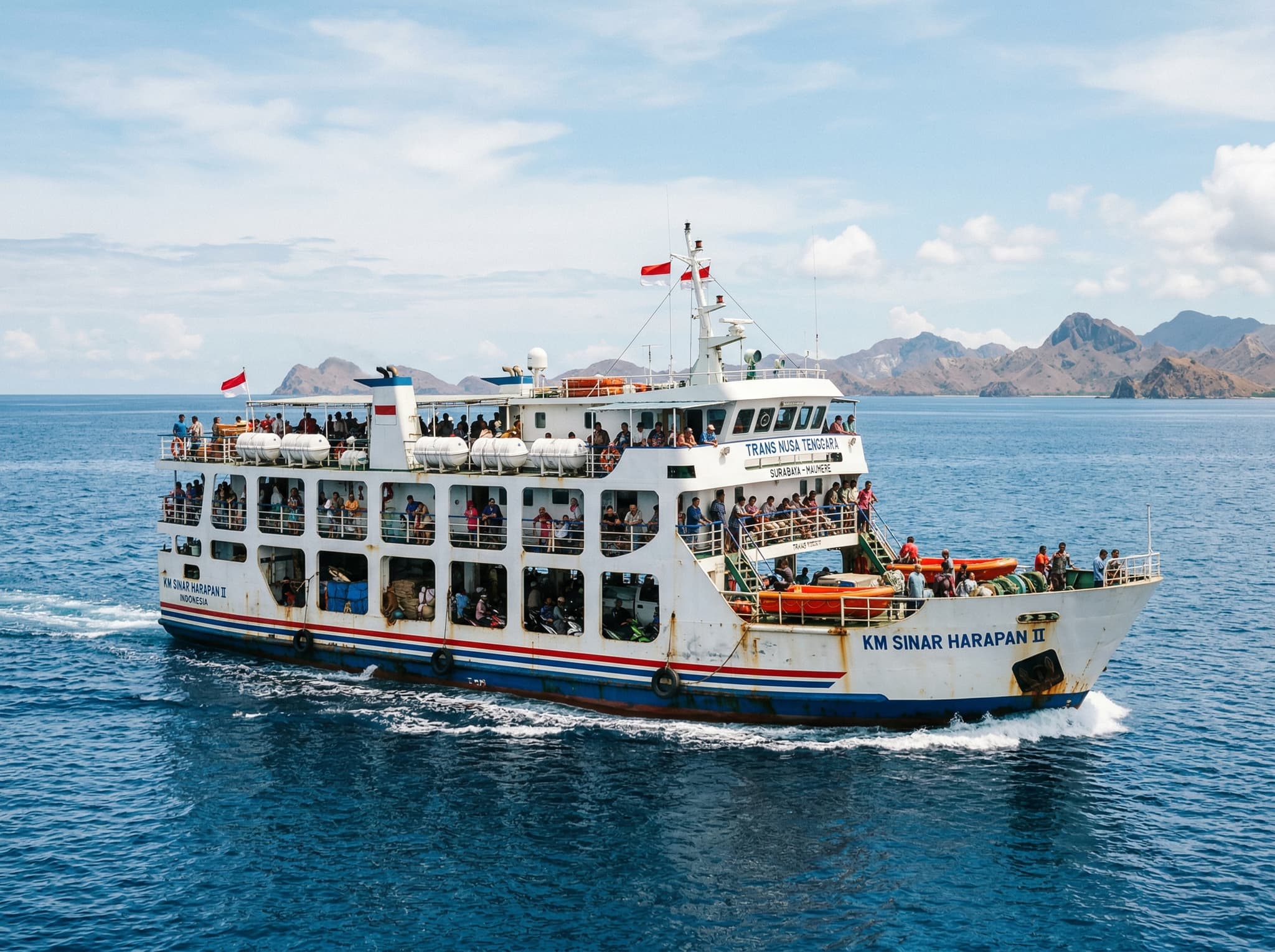
Four ways to reach Misool exist as of early 2026. Each involves a different combination of cost, time, comfort, and reliability. A pre-COVID fast ferry service (2–4 hours, 3x weekly) has been discontinued — if you find references to it online, that information is outdated.
Misool Express (KM Express Bahari 99)
This is the best public option. Operated by Belibis Group, it departs Sorong every Monday at 10 AM, stops at Foley, and arrives at Yellu port in approximately 6 hours. The return departs Yellu every Thursday at 8 AM. Schedule confirmed valid into February 2026.
Misool Express Details
Executive Class (Domestic)
IDR 400,000 (~$25)
Executive Class (International)
IDR 600,000 (~$38)
VIP Class (Domestic)
IDR 500,000 (~$32)
VIP Class (International)
IDR 700,000 (~$44)
Duration
~6 hours
Schedule
Sorong → Yellu: Monday 10 AM
Return
Yellu → Sorong: Thursday 8 AM
Book via WhatsApp in Bahasa Indonesia. Sorong contact: +6281240586804. Yellu contact: +6285243278870. Instagram: @belibis.group. Payment on the day of travel at the ticket booth. No online booking.
Fajar Indah Slow Boat
Overnight departures around 10 PM from Pelabuhan Rakyat, running approximately 1–2 times per week (typically Monday and Tuesday nights). Journey time is 8–10 hours to Yellu.
Fajar Indah Details
Private Cabin
~IDR 750,000 (~$47)
Deck / Economy
~IDR 250,000 (~$16)
Duration
8–10 hours
Reliability
Delays of 1–4 hours common
The cabin is worth the upgrade. Deck class means sleeping on the floor alongside cargo and other passengers. Bring food, water, and something to sleep on regardless.
KM Terubuk
A cargo and slow ferry departing from Usahamina harbor. Schedule is less predictable than the Misool Express — check the ferry company's Instagram for current departure times. Functional but harder to plan around.
Private Speedboat
The only option with guaranteed scheduling. Journey time is 4–6 hours direct. Arranged through your resort or homestay. Misool Eco Resort charges $400 round-trip for their speedboat transfer, which operates on Fridays and Sundays only. Homestays can arrange private boats at variable rates — expect to negotiate.
From Yellu Port to Your Accommodation
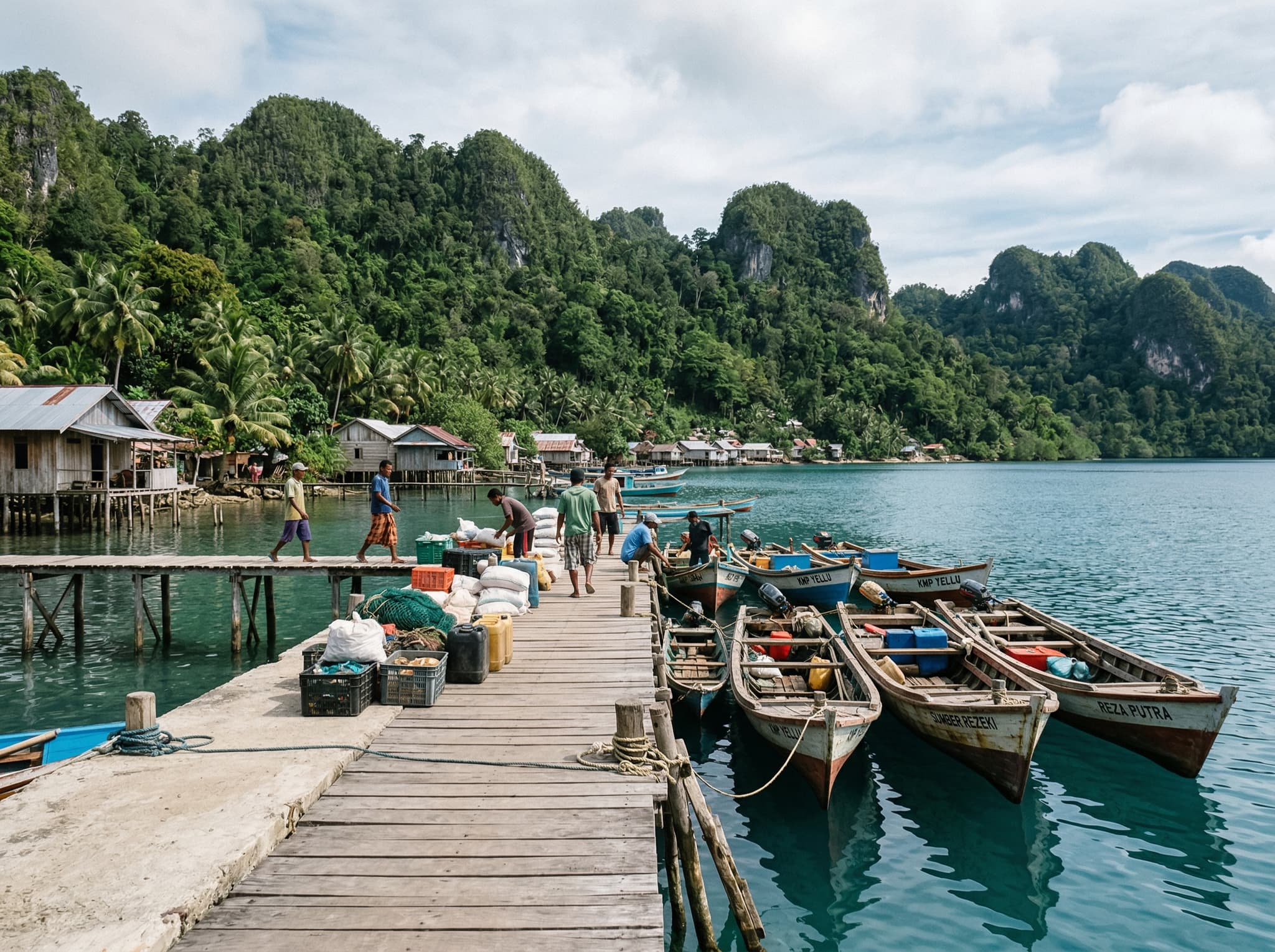
Yellu is a port, not a destination. From there, a small boat takes you 30–60 minutes to your final stop. Cost is approximately IDR 250,000 per boat one-way. Your accommodation should arrange this — confirm the pickup before you board the ferry in Sorong.
Permits and Fees Before You Go
Two separate fees are required, and travelers consistently confuse them. They are not the same thing.
Marine Park Entry Permit — covers access to all protected marine areas, including snorkeling, diving, and boat trips within the reserve.
Marine Park Entry Permit
International Visitors
IDR 700,000 (~$45)
Indonesian Citizens
IDR 425,000
Validity
12 months from purchase
Children Under 12
Exempt
Purchase
kkprajaampat.com or Waisai port
Visitor Entry Ticket — a separate administrative fee for entering the Raja Ampat regency.
Visitor Entry Ticket
International Visitors
IDR 1,000,000 (~$65)
Indonesian Citizens
IDR 300,000
Combined cost for international visitors: approximately IDR 1,700,000 (~$110 USD).
When to Go: Seasons, Visibility, and What You'll See
Raja Ampat operates on two monsoon-driven seasons. Dive operators and local sources refer to October through April as the "dry season" (northwest monsoon) and May through September as the "wet season" (southwest monsoon). These are the terms you'll encounter when booking, so those are the terms used here.
Dry Season (October–April): Dive Season
This is when you want to be in Misool. Visibility reaches 20–30+ meters. Water temperature sits at 27–30°C. Rain still happens — expect 5–10 brief rain days per month — but seas are calm and conditions are consistently diveable.
Within that window, timing matters:
- December–February: Calmest seas, highest manta ray sighting frequency. This is peak season, priced accordingly.
- March–April: Often the best photographic visibility. Slightly fewer crowds. Potential shoulder-season pricing at some operators.
- November–December: Visibility improving, fewer visitors than peak months. The value window if your schedule allows it.
Approximately 80% of liveaboards operating in this region sell out during peak dry season. December through February departures go first.
Wet Season (May–September): Proceed with Caution
The southwest monsoon brings 3–4 meter waves and 30–40 knot winds to the Misool channel from mid-June through early September. Visibility can drop below 15 meters from runoff, particularly in southern Misool. Misool Eco Resort closes during the south monsoon — verify exact dates directly with the resort before booking wet-season travel.
Where to Stay: Three Tiers, Honest Trade-Offs
Accommodation on Misool falls into three categories, and each one shapes the trip differently. There is no mid-range resort. Your options are homestay, liveaboard, or Misool Eco Resort. The choice determines not just your budget but your daily schedule, dive access, and how much logistics you handle yourself.
Homestays: The Budget Option (Under $100/Night)
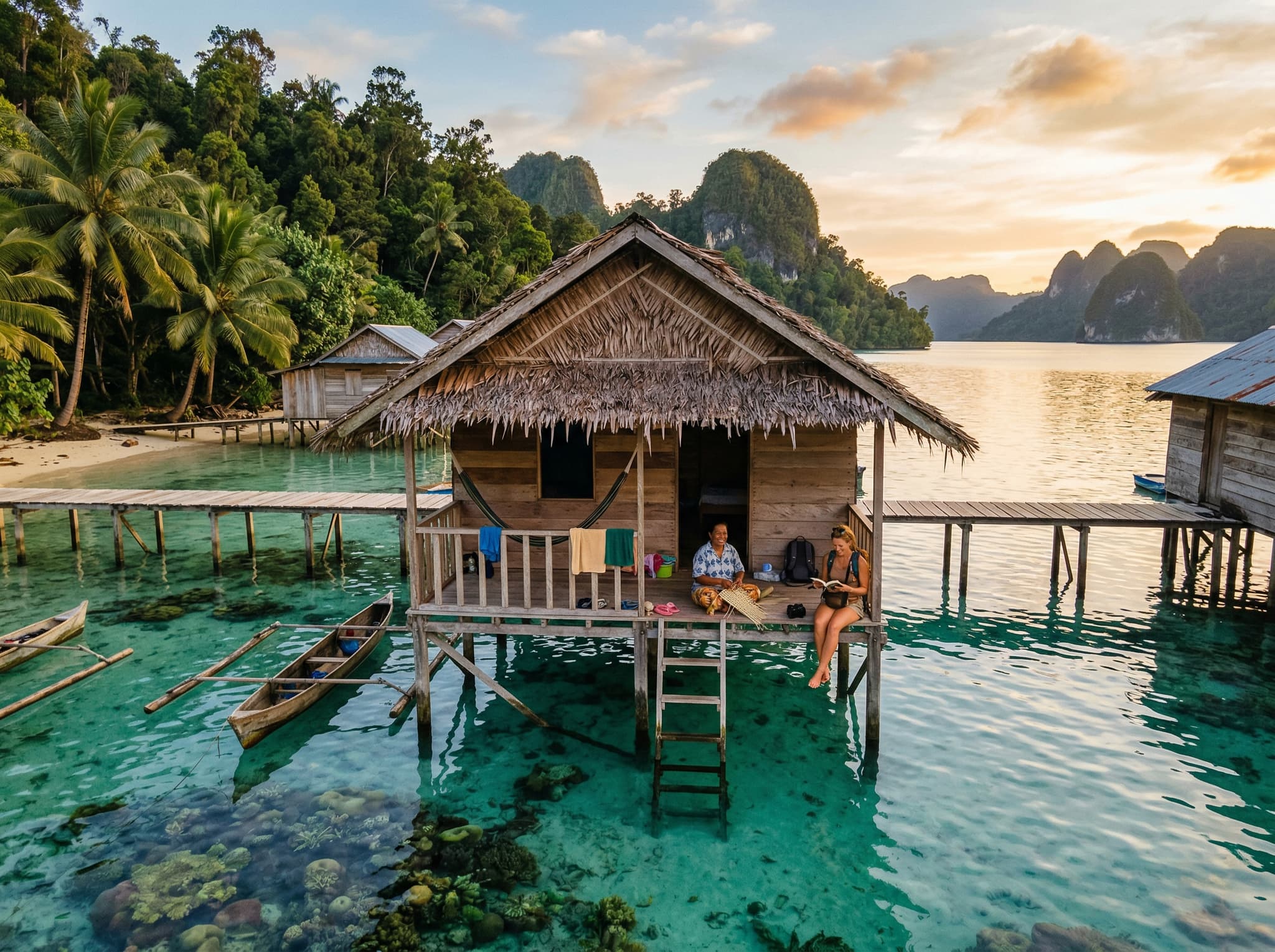
Village homestays on Misool offer basic rooms, local meals, and snorkeling or diving arranged through your hosts. Expect simple facilities, shared bathrooms, limited English, and a pace set by local conditions rather than a fixed itinerary.
The trade-off is real: you save significantly, but the logistics are entirely on you. That means taking the public ferry, coordinating pickup from Yellu via WhatsApp (often in Bahasa Indonesia), and maintaining flexibility when schedules shift.
Homestay Tier
Estimated Cost
Under $100/night, meals often included
Transport
Public ferry + local boat from Yellu (~IDR 250,000)
Booking
WhatsApp coordination, often in Bahasa
Best For
Independent travelers, longer stays, village immersion
An honest limitation: confirmed homestay names, current rates, and direct booking contacts for Misool specifically were not available during research. For current listings, check StayRajaAmpat.com or contact Yellu-area hosts through the Belibis Group contacts listed above, who can often provide referrals.
Liveaboards: The Diver's Default ($4,000–$8,000/Week)
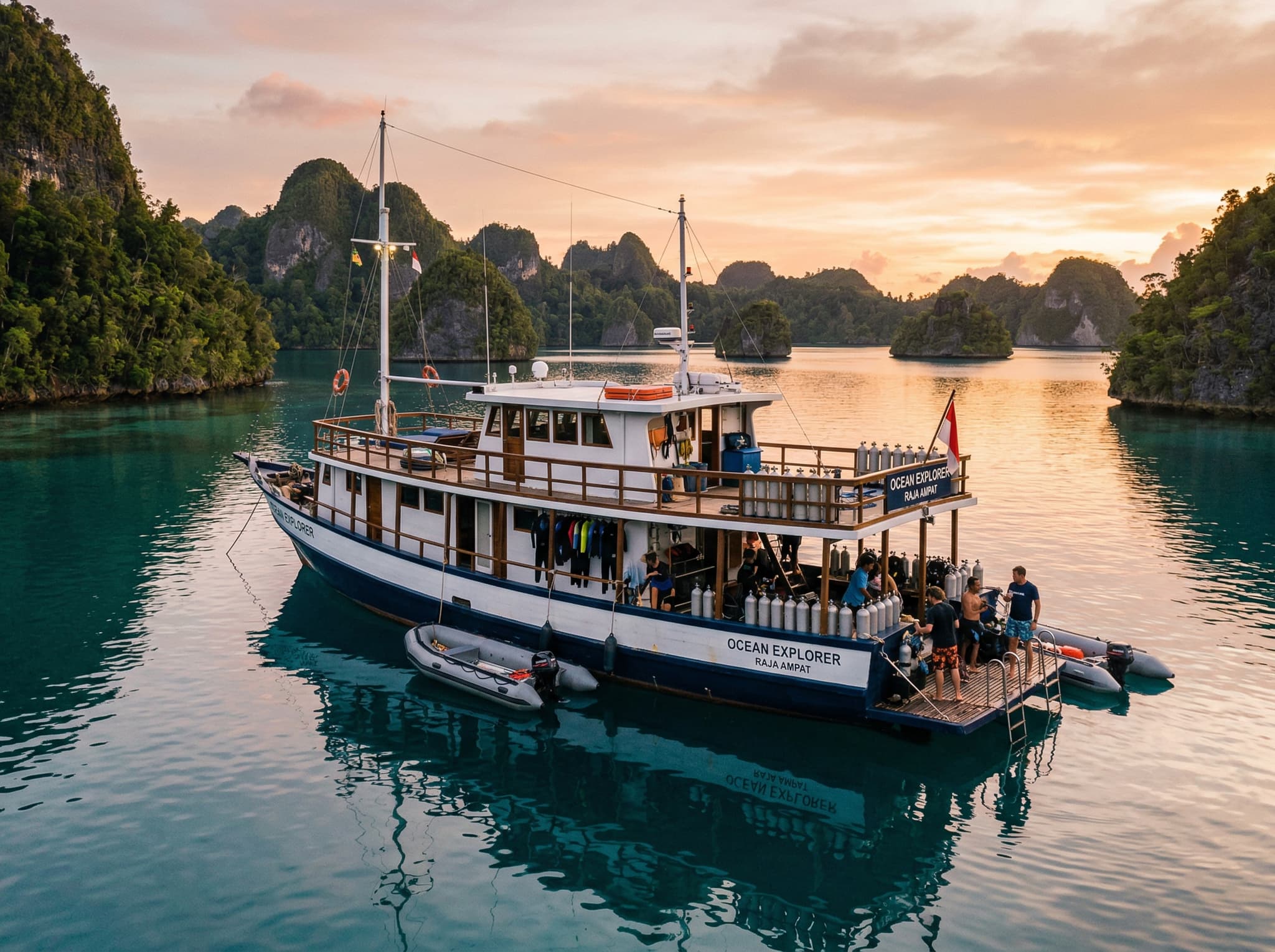
For most divers, a liveaboard is the realistic way to dive Misool — particularly given that Misool Eco Resort is reportedly booked through at least 2029 (per one industry source; treat this as directional rather than confirmed). Liveaboards eliminate the Yellu logistics entirely: you board in Sorong, dive Misool's sites over 7–10 days, and return to Sorong.
Typical cost runs $4,000–$8,000 per week, all-inclusive with unlimited dives. As a reference point, Sea Crush offers Misool-focused itineraries starting from approximately €4,528 (~$4,900), which includes a post-trip hotel night in Sorong. Child rates are available.
Liveaboard Tier
Typical Cost
$4,000–$8,000/week all-inclusive
Example
Sea Crush: from ~€4,528 / ~$4,900
Includes
Unlimited dives, meals, accommodation, Sorong transfers
Best For
Dedicated divers, photographers, anyone who couldn't book the resort
The advantages over a land-based stay are real: more scheduling flexibility, access to remote dive sites across southern Raja Ampat that no single resort can reach, and no dependency on ferry schedules. The trade-off is no land base, limited non-diving activities, and shared boat quarters.
Book early. Peak-season departures — December through February — sell first.
Misool Eco Resort: The Full Breakdown ($4,600–$9,350/Week)
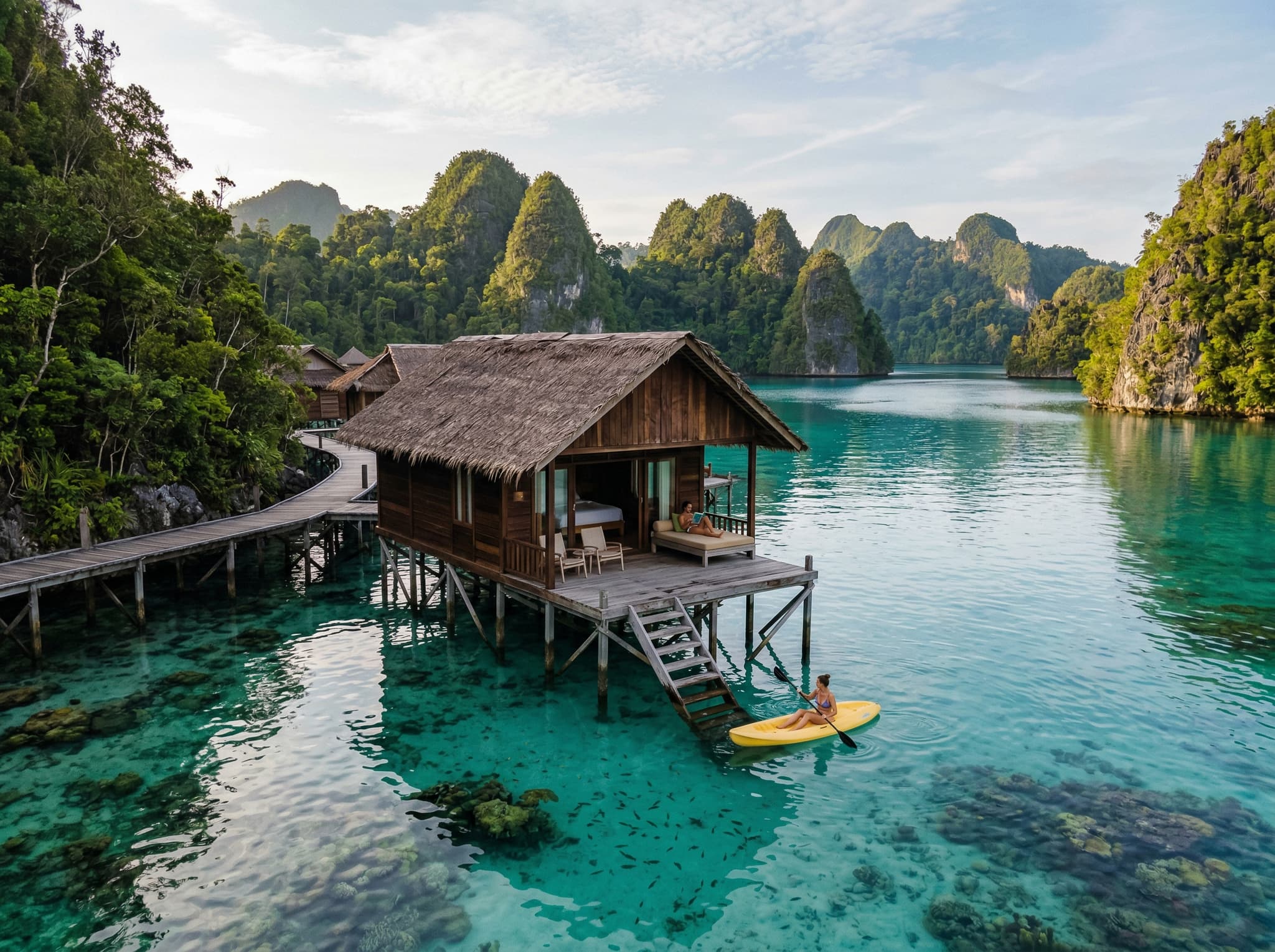
First, the availability reality: one source reports the resort is booked through at least 2029. Whether that's precisely accurate or directionally correct, the practical implication is the same — if you want to stay here, you're likely looking at a waitlist, not a booking form. Contact the resort directly to check current availability before planning around it.
The property: 19 rooms, maximum 40 guests at any time, located approximately 4 hours by speedboat from Sorong. Conservation-affiliated through the Misool Foundation. The resort closes during wet season — verify exact dates directly.
2026 Rates (7+1 Nights, Per Person Double Occupancy):
Water Cottage
Off-Peak
$4,600
Shoulder
$5,875
Peak
$7,750
North Lagoon Villa
Off-Peak
$5,025
Shoulder
$6,400
Peak
$8,475
Villa Rajawali
Off-Peak
$5,525
Shoulder
$7,050
Peak
$9,350
Included: Four meals daily, most non-alcoholic drinks, kayaks, stand-up paddleboards, house reef snorkeling.
Not included: Speedboat transfer from Sorong ($400 round-trip), Marine Park permit (resort lists ~$72 / IDR 1,000,000 — note the discrepancy with the IDR 700,000 cited by kkprajaampat.com), alcoholic beverages, dive packages.
Surcharges and discounts:
- Single occupancy: +40% per night
- Children sharing with 2 adults: ages 0–5 at 25% of adult rate, 6–12 at 50%, 13–15 at 75%
- Repeat guests: 10% discount in peak season on second visit; 15% discount plus complimentary massage plus room upgrade (if available) on third visit or more
Transfers operate Fridays and Sundays only. Your travel dates must align with this schedule — there is no flexibility.
2026 rates are locked only for bookings made before December 31, 2025. Preview rates for 2028 trend upward.
Third-party packages also exist: a 12-night water cottage package runs approximately $12,495 including flights and transfers from Jakarta; a 14-night South Beach Villa package ranges $9,880–$11,270 double occupancy.
Diving Misool: The Sites That Justify the Effort
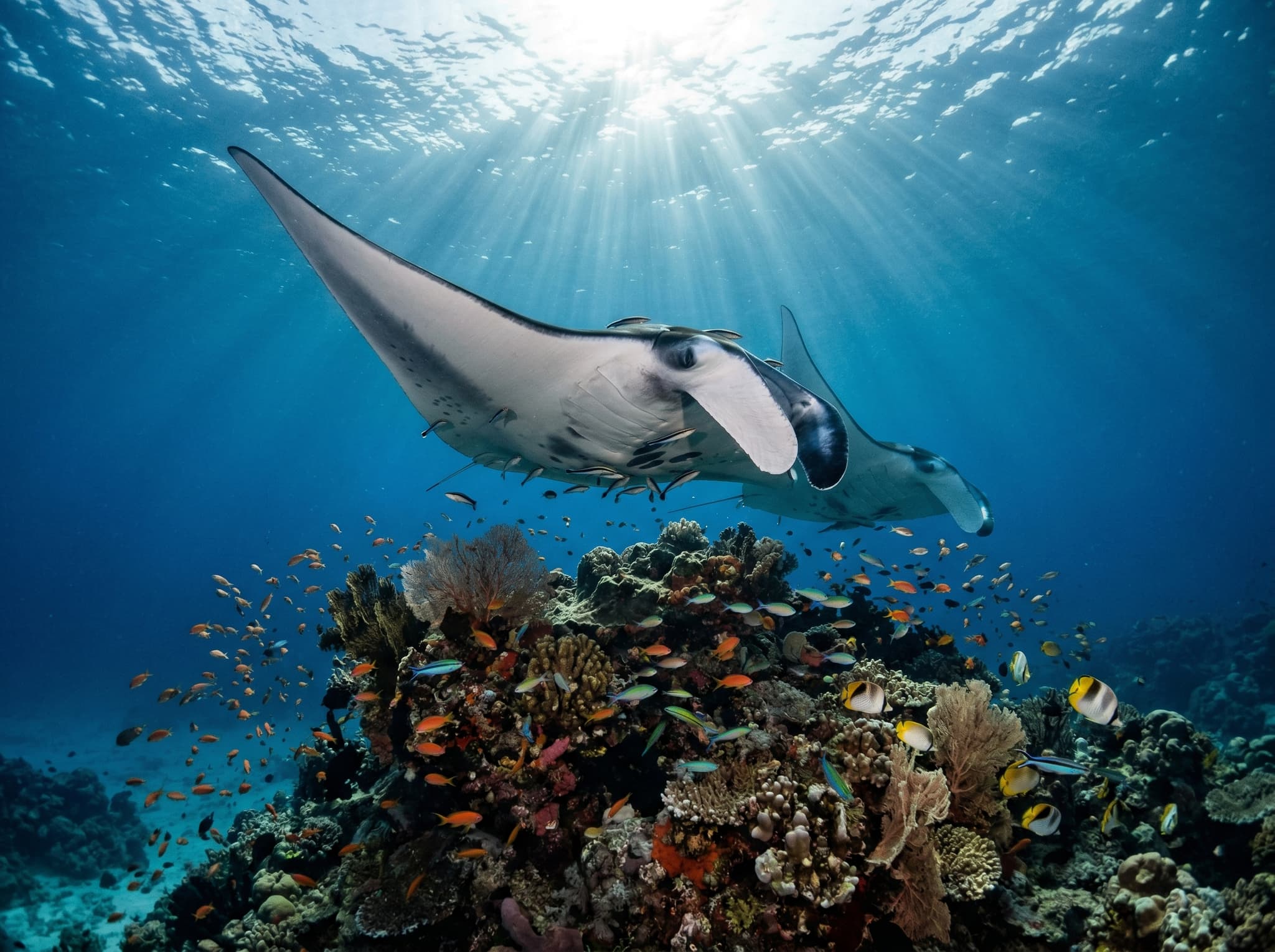
This isn't a comprehensive dive guide — that warrants its own article. What follows answers the specific question: what can you see at Misool that you cannot see anywhere else?
Magic Mountain
A submerged pinnacle rising to 7 meters depth that functions as a cleaning station for both reef manta rays (Mobula alfredi) and oceanic manta rays (Mobula birostris). Seeing both species circling the same station is described as a rarity worldwide. The pinnacle also attracts reef sharks, anthias, fusiliers, and trevallies. Strong currents make this an experienced-diver site — not a first-dive destination.
Boo Windows
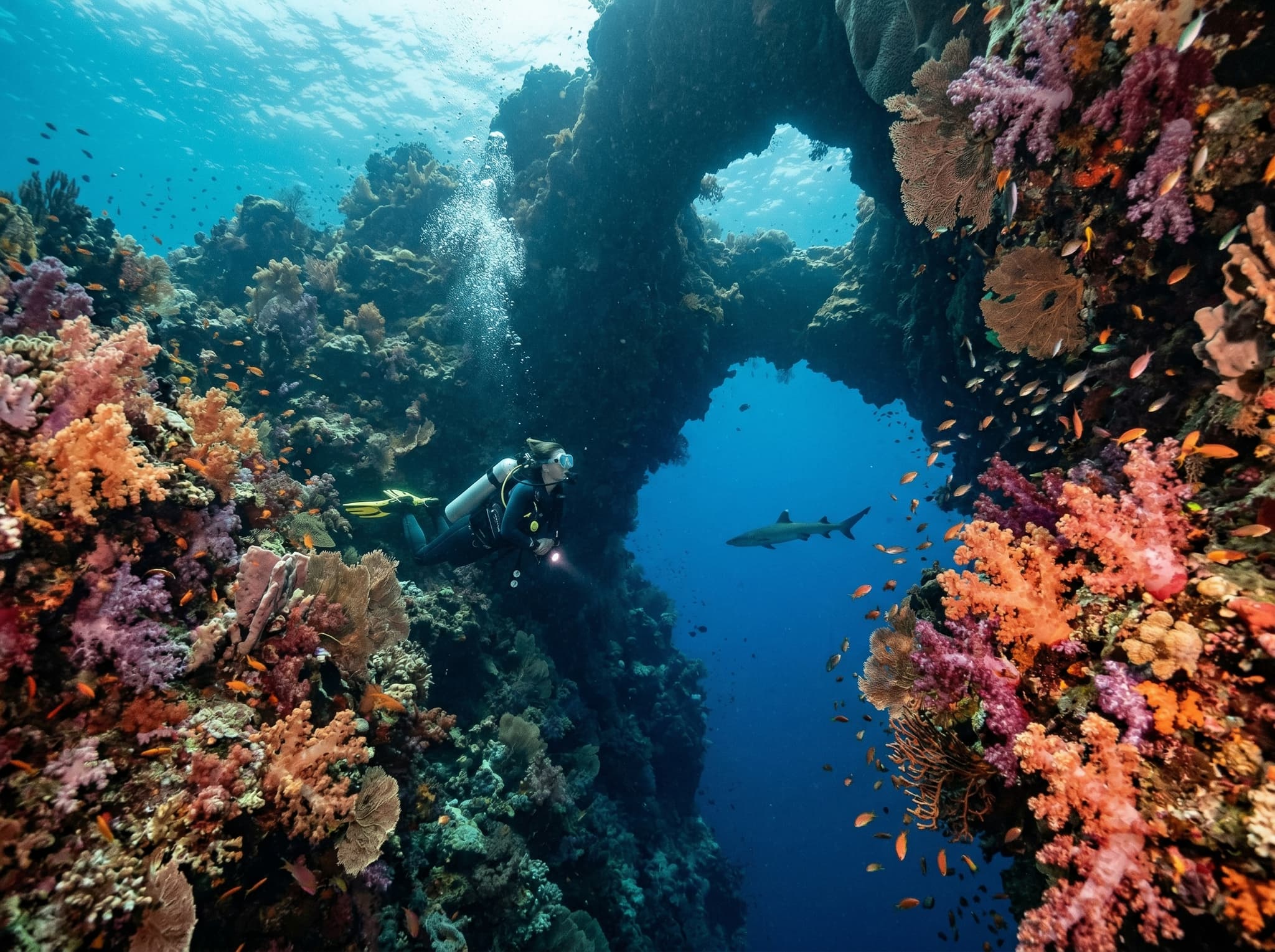
A wall dive defined by natural rock windows that funnel sunlight into the water column. Whitetip reef sharks patrol the wall. Wobbegong sharks sit under plate corals. Occasional mantas pass through. Pygmy seahorses hide in the gorgonian fans. Depths run approximately 6–9 meters (20–30 feet), with drift diving conditions.
Fiabacet
Wall dives with dense soft coral coverage and seamounts. Reliable sightings of reef sharks and bamboo sharks. Oceanic mantas are reported here with enough regularity that operators include it on itineraries specifically for manta encounters.
Night Dives: Walking Sharks
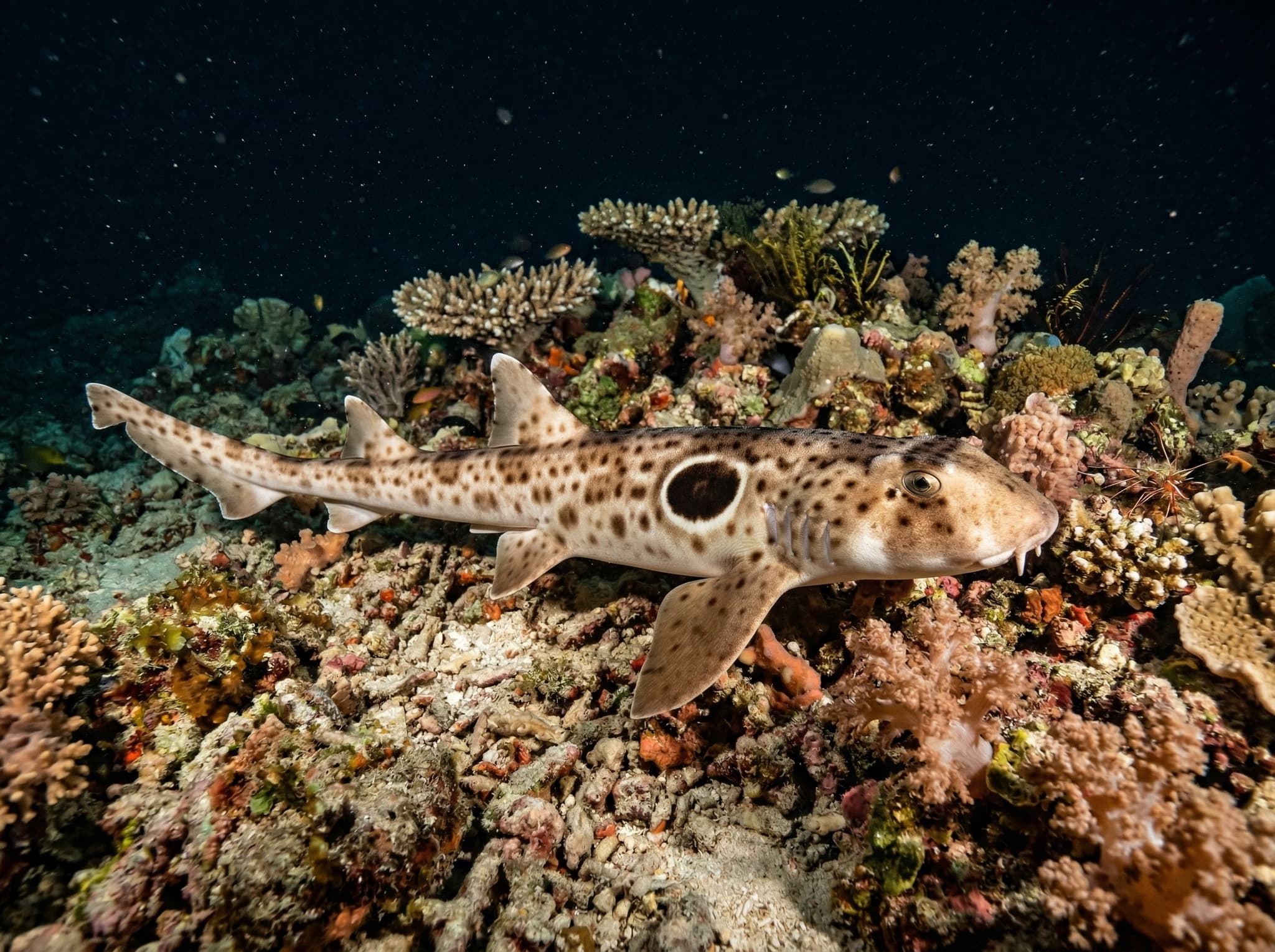
One of Misool's signature species is the epaulette shark — a small, bottom-dwelling shark that "walks" across the reef on its pectoral fins. Night dives offer the best chance of seeing them. Multiple operators highlight this as a Misool-specific experience.
Typical Dive Conditions (Dry Season)
Visibility
20+ meters
Typical Depth
~23 meters
Water Temperature
27–30°C
Total Cost Estimates: Budget, Mid-Range, and Luxury
Three scenarios for a 7-night Misool trip. All exclude flights to Sorong (typically $150–$350 round-trip from Jakarta).
Budget: Homestay + Public Ferry
Permits
~$110
Ferry (round-trip)
~$35–$90
Yellu Boat Transfer
~$30
Accommodation (7 nights)
~$500–700 (estimated)
Total
~$700–$900
Mid-Range: Liveaboard (7 nights)
Permits
~$110
Liveaboard (all-inclusive)
$4,000–$5,000
Total
~$4,100–$5,100
Luxury: Misool Eco Resort (7+1 nights)
Permits
~$110
Speedboat Transfer
$400
Resort (Water Cottage, double occ.)
$4,600–$7,750
Total
~$5,100–$8,260
Planning Checklist
Misool rewards planning more than any other destination in Raja Ampat. Here's the sequence:
6+ months before departure:
- Book a liveaboard for peak season (December–February departures sell first) or contact Misool Eco Resort about waitlist availability
- Purchase flights to Sorong — prices climb closer to departure
- Confirm your travel dates align with resort transfer days (Fridays and Sundays) if going the resort route
1–2 months before departure:
- Purchase Marine Park Entry Permit and Visitor Entry Ticket online at kkprajaampat.com
- Confirm ferry schedule via WhatsApp (+6281240586804 for Sorong, +6285243278870 for Yellu) or Instagram (@belibis.group)
- If going budget: arrange homestay and confirm Yellu pickup
- Book one night in Sorong near the harbor if your flight arrives after noon
1 week before departure:
- Reconfirm accommodation transfer from Yellu
- Download offline maps of Sorong and Misool — cell coverage is limited
- Withdraw cash in IDR — there are no ATMs on Misool
- Charge all electronics and bring a power bank
Day of departure:
- Arrive at the correct Sorong harbor at least 2 hours before scheduled departure
- Bring food, water, and seasickness medication for the ferry
- Carry your permit confirmation (digital and printed)
Misool is not the easy version of Raja Ampat. It's the version that requires you to choose it deliberately, plan it carefully, and spend either time or money — usually both — to reach. The marine life density on the other side of that effort is not comparable to anywhere else in the Coral Triangle. The conservation results are documented. The dive sites are world-class by any measure.
If you're serious about going, the booking timeline starts now. Not when you're "ready." Liveaboards for next peak season are already filling. The resort waitlist is, by some accounts, years long. The ferry schedule has one departure per week. Every piece of this trip rewards the person who planned it six months ago.
Start planning.