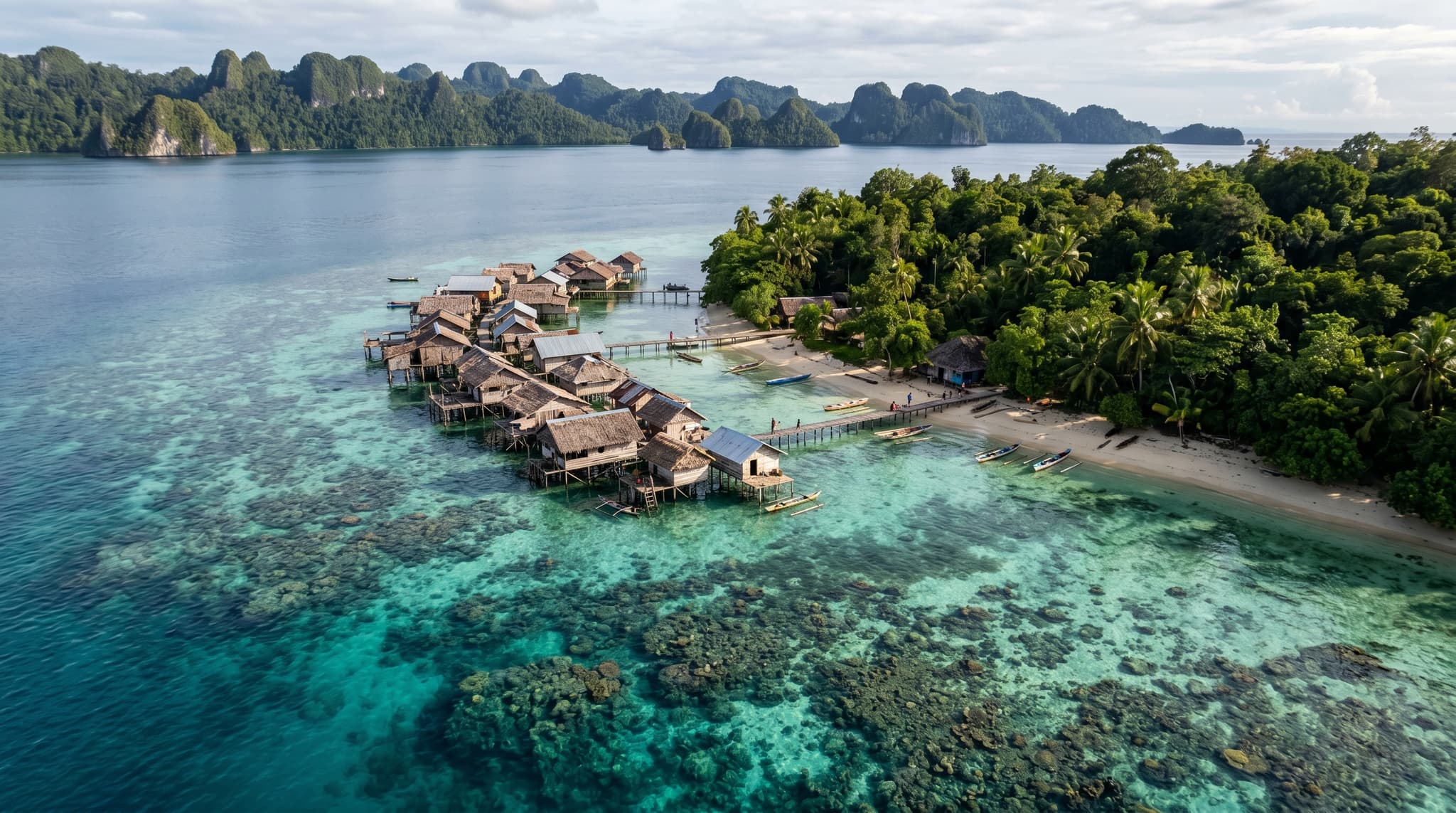
Yeben Shallows offers world-class snorkeling in Raja Ampat's Dampier Strait — dense coral gardens, turtles, and reef sharks in crystal-clear shallows.
Raja Ampat has no shortage of underwater superlatives. It sits at the heart of the Coral Triangle — the most biodiverse marine region on Earth — and nearly every dive site in the archipelago could reasonably claim to be world-class. But even by Raja Ampat standards, Yeben Shallows occupies a particular niche: this is one of the best snorkeling sites in the region, a place where extraordinary coral and marine life exist in water shallow enough that you don't need a tank, a certification, or anything more than a mask to see it.
That distinction matters. Much of Raja Ampat's fame is built on its diving, and the marquee sites — Manta Sandy, Cape Kri, Blue Magic — are geared toward certified divers descending to 15 meters or more. Yeben Shallows puts the spectacle right at the surface.
Where Exactly Is It?

Yeben Shallows sits off the coast of Yeben Island (sometimes written Yeben or Yenbuba, depending on the source), a small island in the Dampier Strait area of central Raja Ampat. The Dampier Strait is the channel separating the two largest islands in the archipelago — Waigeo to the north and Batanta to the south — and it's one of the most nutrient-rich corridors in the region. Strong currents funnel plankton through the strait, which feeds everything from tiny reef fish up to manta rays.
Getting There
From Waisai
30–45 min by speedboat
From Sorong
Ferry to Waisai (2 hrs), then boat
Nearest Homestays
Yenbuba, Arborek, Sawandarek
Access
Boat trip from homestay or liveaboard
Most visitors reach Yeben Shallows as part of a day trip arranged through their homestay or dive operator. If you're staying on one of the nearby islands — Arborek, Sawandarek, or Kri — the boat ride is typically under 30 minutes. Liveaboard itineraries through the Dampier Strait frequently include a stop here as well, often as a snorkeling break between deeper dives.
What You'll See
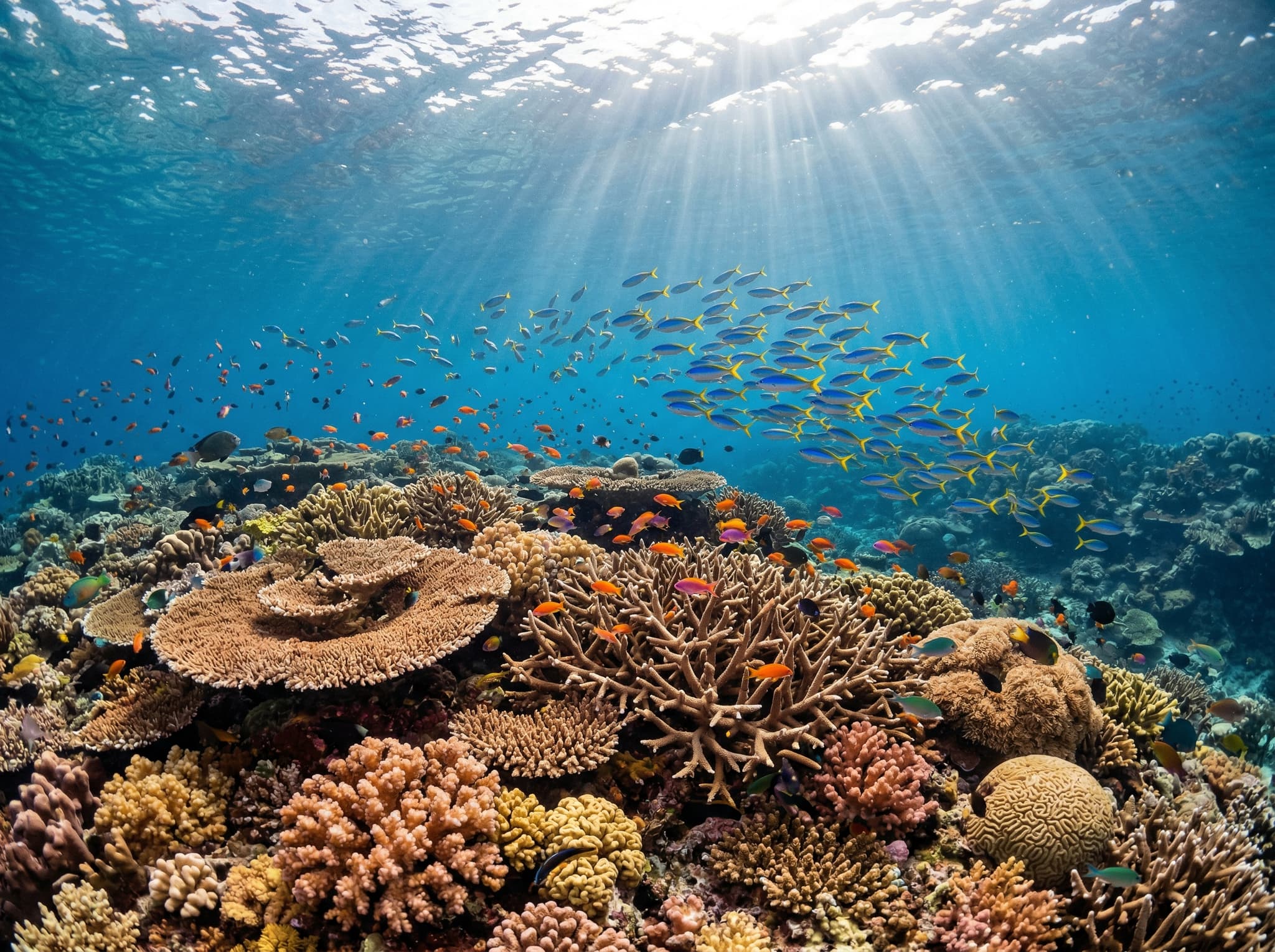
The reef at Yeben Shallows begins in barely a meter of water and slopes gently to around five or six meters before dropping off. That shallow shelf is where the magic is. Hard corals — massive table corals, staghorn formations, and brain corals — cover the reef flat in dense, healthy clusters. The coral coverage here is remarkable even for Raja Ampat, where healthy reefs are the norm rather than the exception.
The fish life is correspondingly dense. Schools of fusiliers, damselfish, and anthias swarm above the coral in shifting clouds of color. Anemones host multiple species of clownfish. Parrotfish graze along the reef. Hawksbill turtles are regular visitors — the shallows are a feeding ground, and sightings are common rather than lucky. Reef sharks, particularly blacktip reef sharks, patrol the edges of the drop-off and occasionally cruise through the shallows themselves.
The best visibility at Yeben Shallows is typically in the morning before boat traffic picks up and sediment gets stirred. If you have flexibility in scheduling your day trip, request a morning departure.
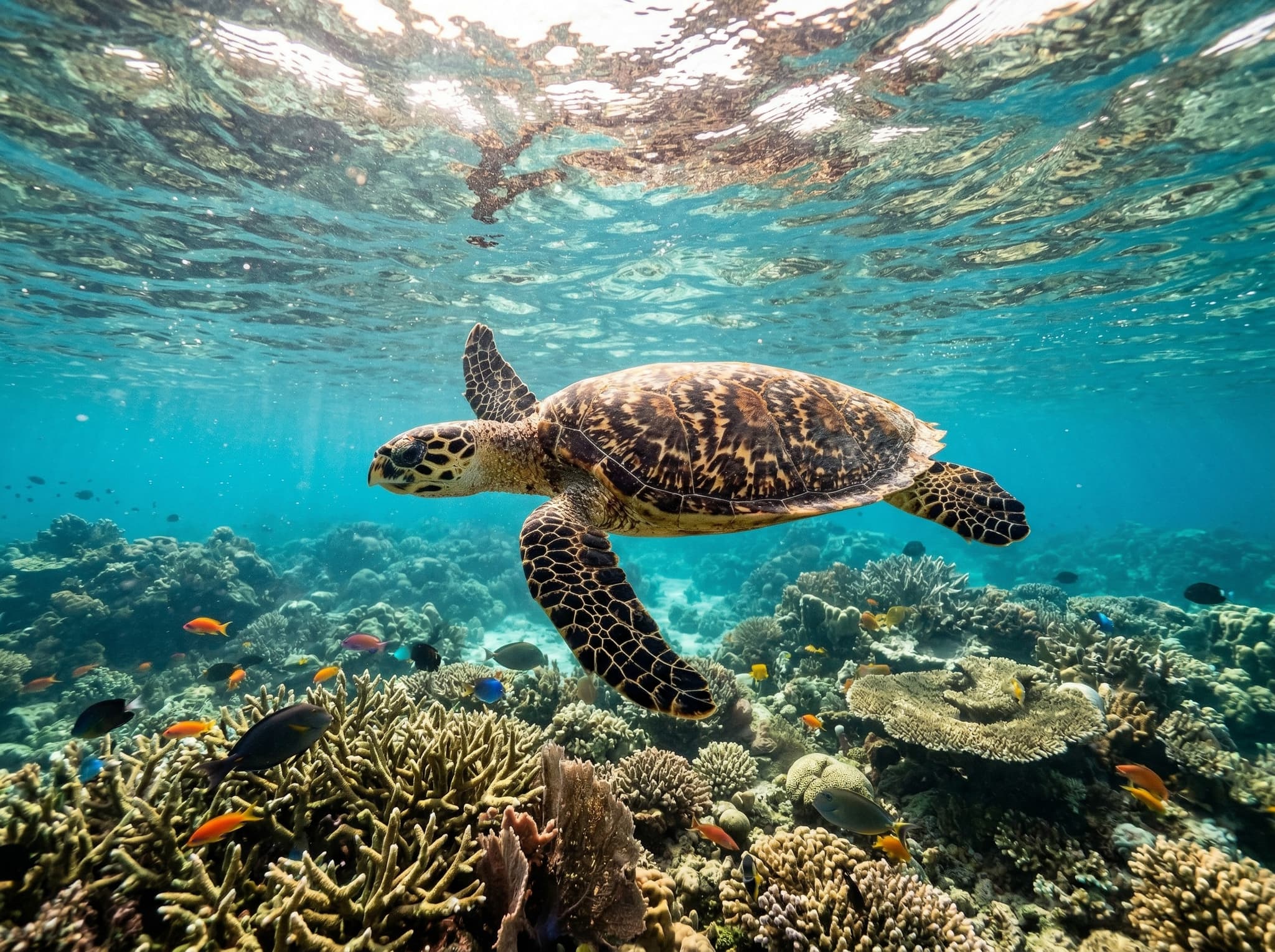
What makes the site particularly photogenic is the combination of depth and light. In shallow, clear water with strong tropical sun overhead, the colors are vivid without artificial lighting. This is one of those rare sites where a basic underwater camera or even a phone in a waterproof case can produce genuinely striking images.
Practical Considerations
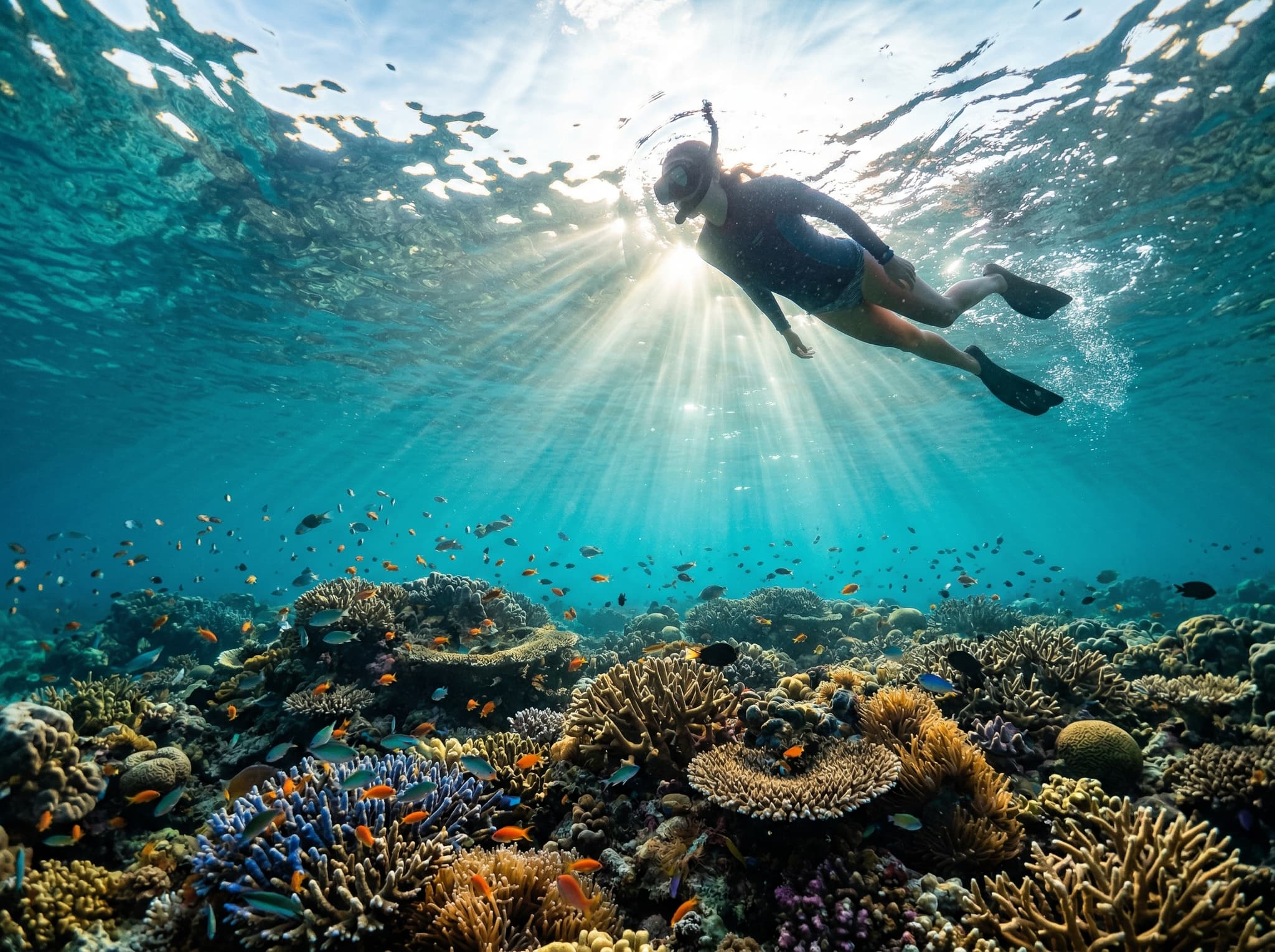
Current: The Dampier Strait is known for its currents, but the shallows around Yeben are generally sheltered enough for comfortable snorkeling. That said, conditions vary with the tide. Your boat operator will know the timing — trust their judgment on when to enter the water and where to position.
Gear: Most homestays can provide basic snorkel gear, though quality varies. If you're serious about snorkeling in Raja Ampat — and Yeben Shallows alone justifies being serious — bring your own mask and snorkel. A well-fitting mask makes an enormous difference in comfort and visibility.
Reef etiquette: The coral here is shallow enough to touch, which means it's shallow enough to damage. Maintain a horizontal swimming position, keep your fins off the reef, and resist the urge to stand. Even in waist-deep water, standing on coral destroys years of growth in seconds.
Raja Ampat's marine park entry permit (PIN) is mandatory and checked. Purchase it in Waisai upon arrival. The fee funds conservation efforts across the archipelago, including reef monitoring and community ranger programs.
Yeben vs. Other Raja Ampat Snorkeling Sites
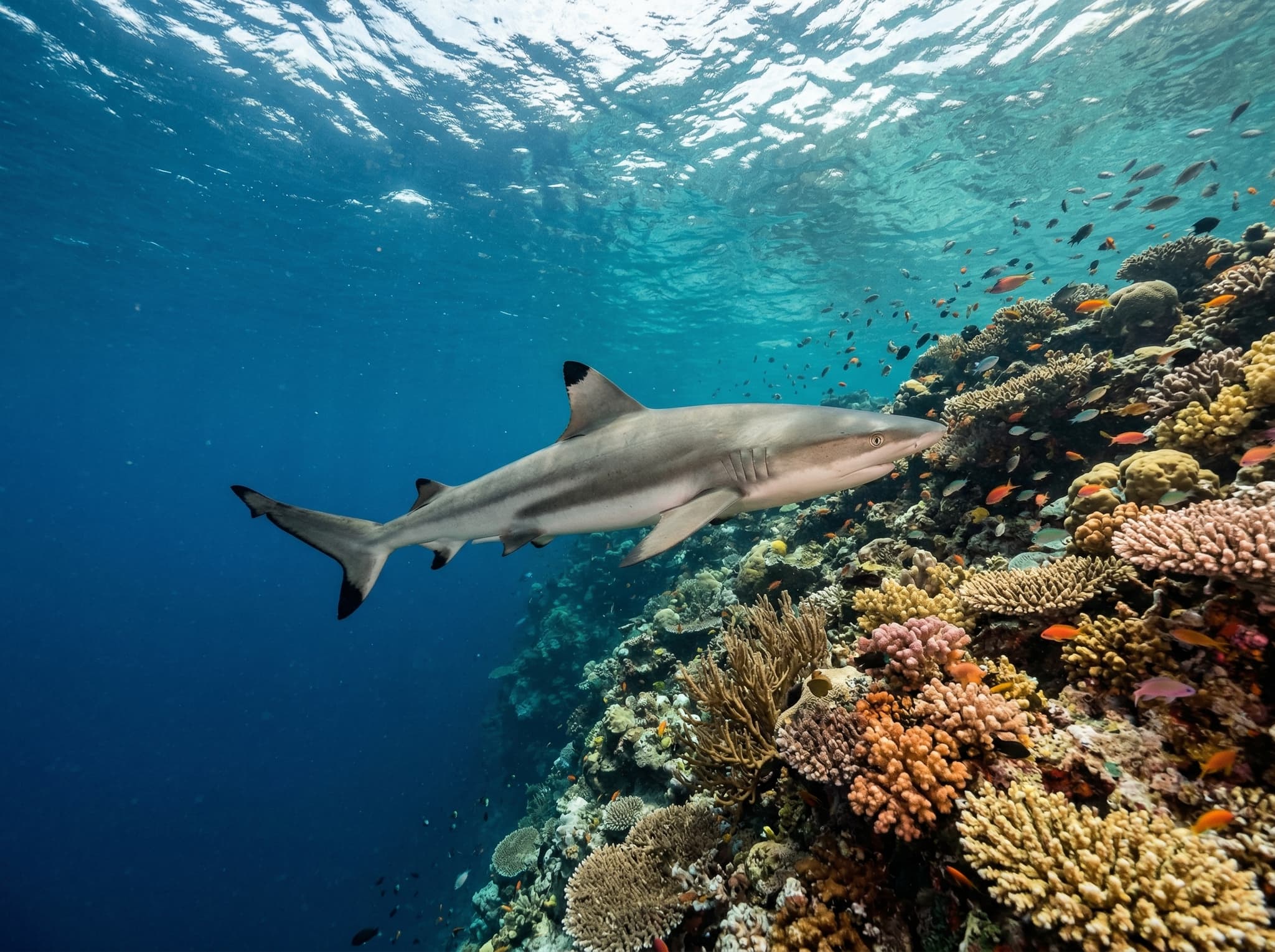
Raja Ampat has several excellent snorkeling spots, and it's worth understanding what makes each one distinct.
Snorkeling Comparison
Yeben Shallows
Dense coral gardens, turtles, reef sharks
Arborek Jetty
Easy access, manta rays in season
Sawandarek Jetty
Beginner-friendly, abundant reef fish
Friwen Wall
Dramatic wall drop-off, soft corals
Arborek is the most famous snorkeling spot in the region, largely because manta rays visit the area and the jetty reef is accessible directly from the village. Sawandarek is excellent for beginners — calm, shallow, and teeming with fish. Friwen Wall offers a more dramatic topography, with a sheer coral wall dropping into deep blue.
Yeben Shallows sits somewhere between these — more coral density than Arborek, more variety than Sawandarek, and more accessible than Friwen for snorkelers who aren't comfortable with depth. It's arguably the most complete snorkeling experience in the Dampier Strait, which is why repeat visitors to Raja Ampat often cite it as a personal favorite.
The Bigger Picture
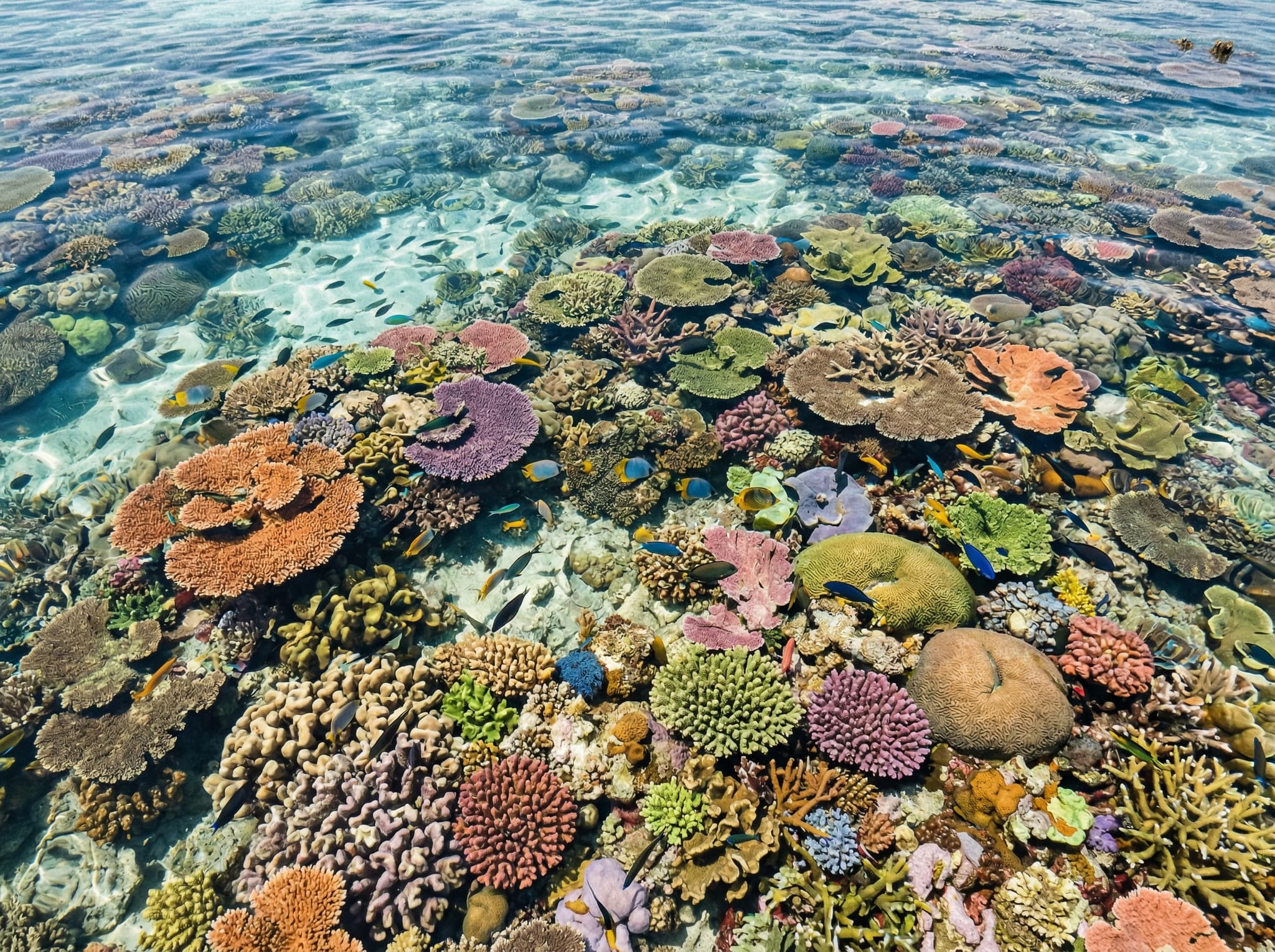
Raja Ampat's reefs are among the best-protected in Indonesia, thanks to a combination of marine park regulations, community-managed zones, and a tourism model built around homestays rather than large resorts. The marine park entry fee directly supports this system, and the low-volume, high-value approach to tourism has kept sites like Yeben Shallows in extraordinary condition.
This is worth noting because it isn't accidental. The health of the reef you're floating above is the result of decades of conservation work by local communities and organizations. The no-take zones, the fishing restrictions, the community ranger patrols — all of it contributes to the reef being what it is.
When you snorkel Yeben Shallows, you're seeing what a coral reef looks like when it's actually protected. For anyone who has snorkeled degraded reefs elsewhere in Southeast Asia, the contrast is striking and, frankly, emotional.