Melissa's Garden: Raja Ampat's Most Photogenic Reef (and One of Its Best)
Melissa's Garden is Raja Ampat's most visually stunning dive site. Here's what to expect, how to get there, and why the table corals live up to every photo.
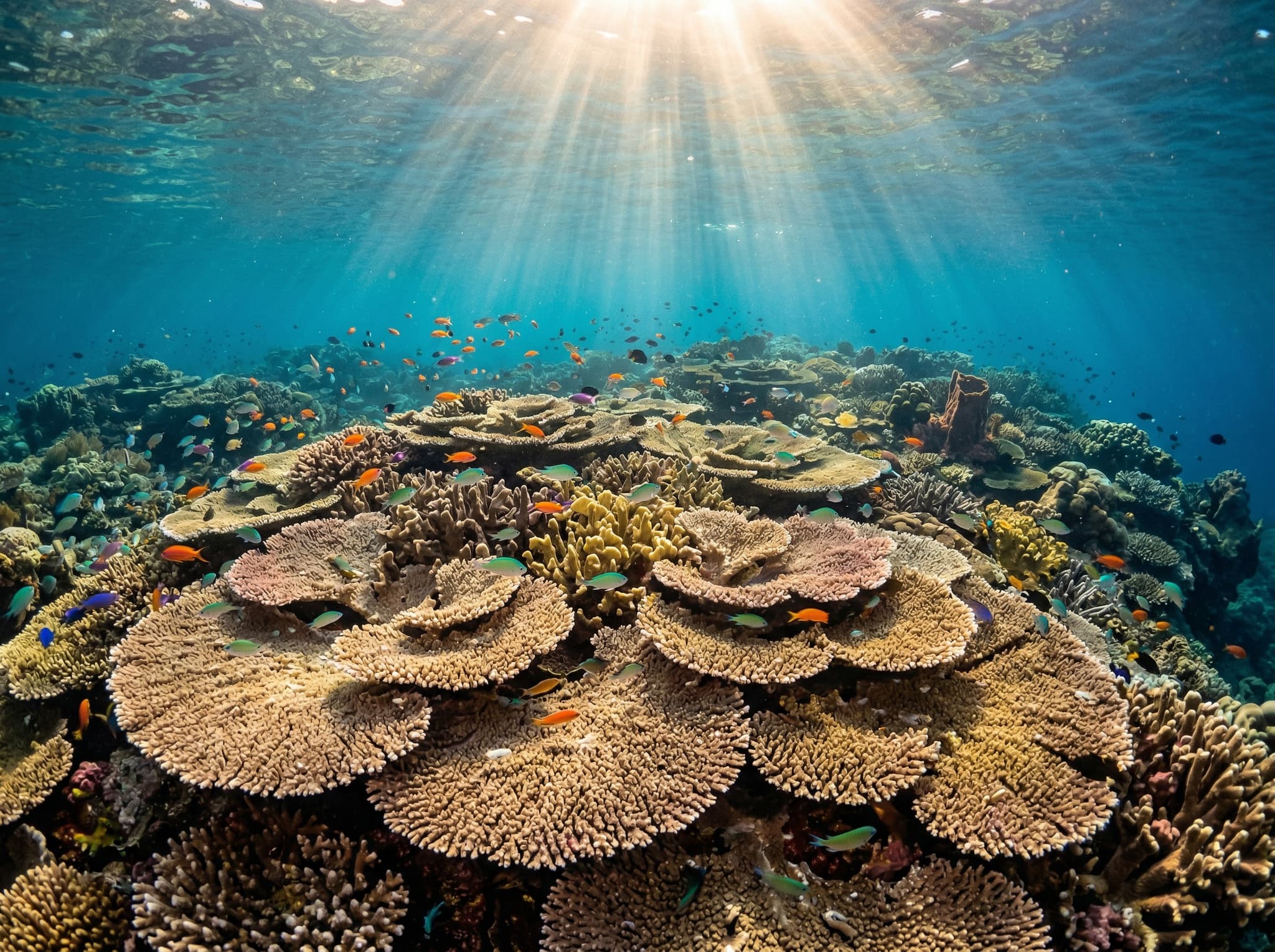
If you've spent any time looking at Raja Ampat dive sites, you've seen the photo. A snorkeler floating above an impossibly perfect field of table corals, each one the size of a dining table, layered and overlapping like giant lily pads stretching toward the surface. That photo is almost certainly from Melissa's Garden.
It's one of the most visually striking reef systems in the Coral Triangle — and unlike some famous dive sites that look better in pictures than in person, Melissa's Garden actually delivers. The coral coverage here is dense, healthy, and absurdly photogenic from the surface down to about 20 meters.
What You'll Actually See
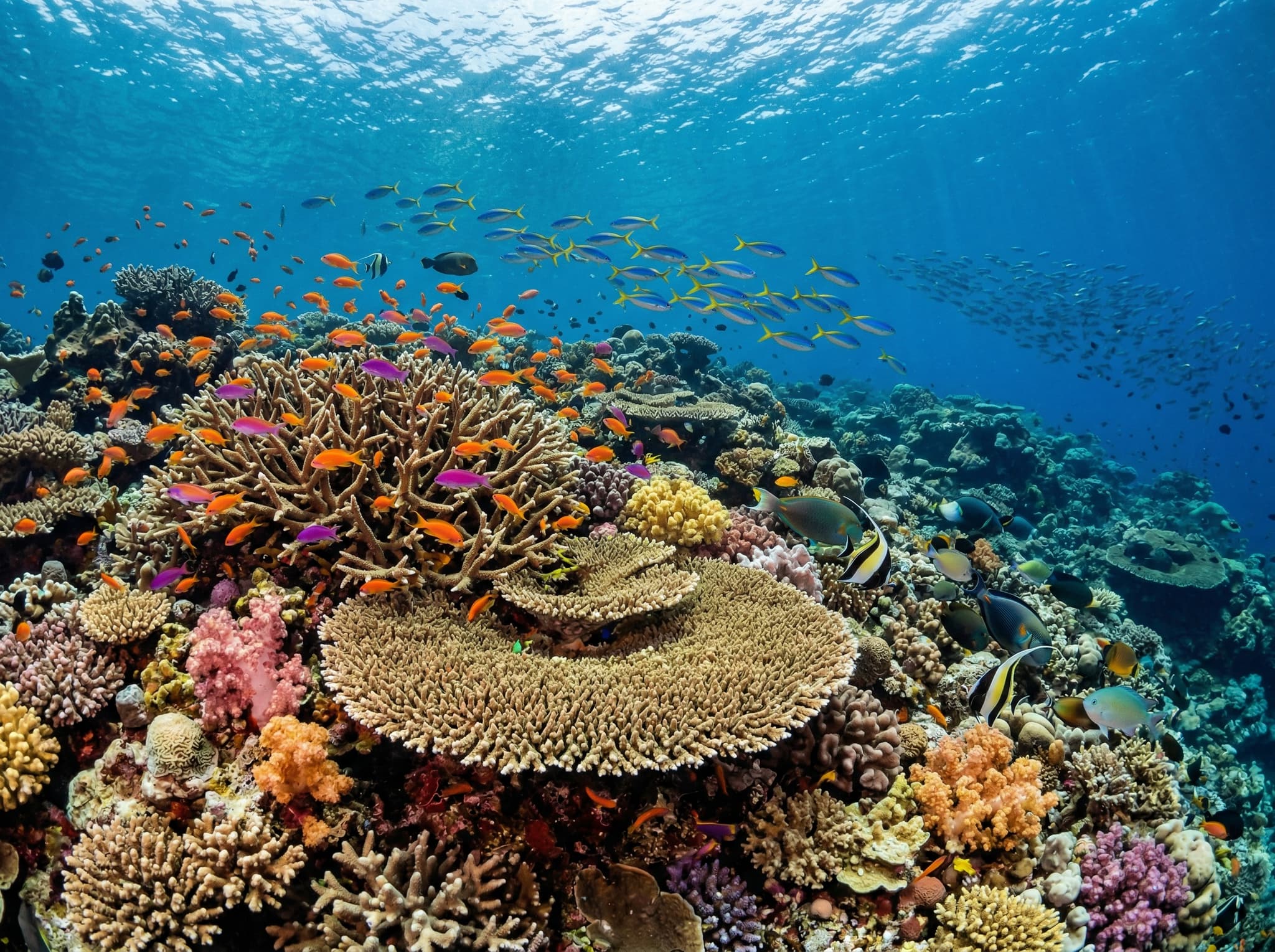
Melissa's Garden sits in the Dampier Strait between Kri and Gam islands, and its signature feature is the vast field of Acropora table corals that dominate the shallow reef flat. These aren't scattered formations — they're packed together in an unbroken mosaic, some specimens stretching over two meters across. In good visibility (15–25 meters on a decent day), the effect from above is almost geometric, like someone tiled the seafloor.
Below the table corals, the reef slopes gently and the diversity opens up. Massive Porites boulders, branching staghorn corals, soft corals adding color in the deeper sections. The fish life is what you'd expect from the epicenter of marine biodiversity — schools of fusiliers, anthias clouds, the occasional reef shark cruising the edge, and enough nudibranchs and small critters to keep macro photographers busy for hours.
What sets Melissa's Garden apart from other Raja Ampat sites isn't any single species or dramatic encounter — it's the sheer visual impact of the coral itself. Cape Kri has the fish count record. Manta Sandy has the megafauna. Melissa's Garden has the reef that makes people understand why coral conservation matters, because it shows you what a reef looks like when it's thriving.
The Diving
Most operators run Melissa's Garden as a drift dive or a gentle swim along the reef slope, depending on current conditions. The Dampier Strait funnels nutrient-rich water through the area, which feeds the coral but also means currents can pick up. On most days, conditions are manageable for intermediate divers. On strong-current days, the site can be challenging.
Dive Details
Depth Range
3–25 meters
Current
Mild to moderate (occasionally strong)
Skill Level
Open Water and up; strong buoyancy control essential
Highlight
Shallow table coral field (1–10m)
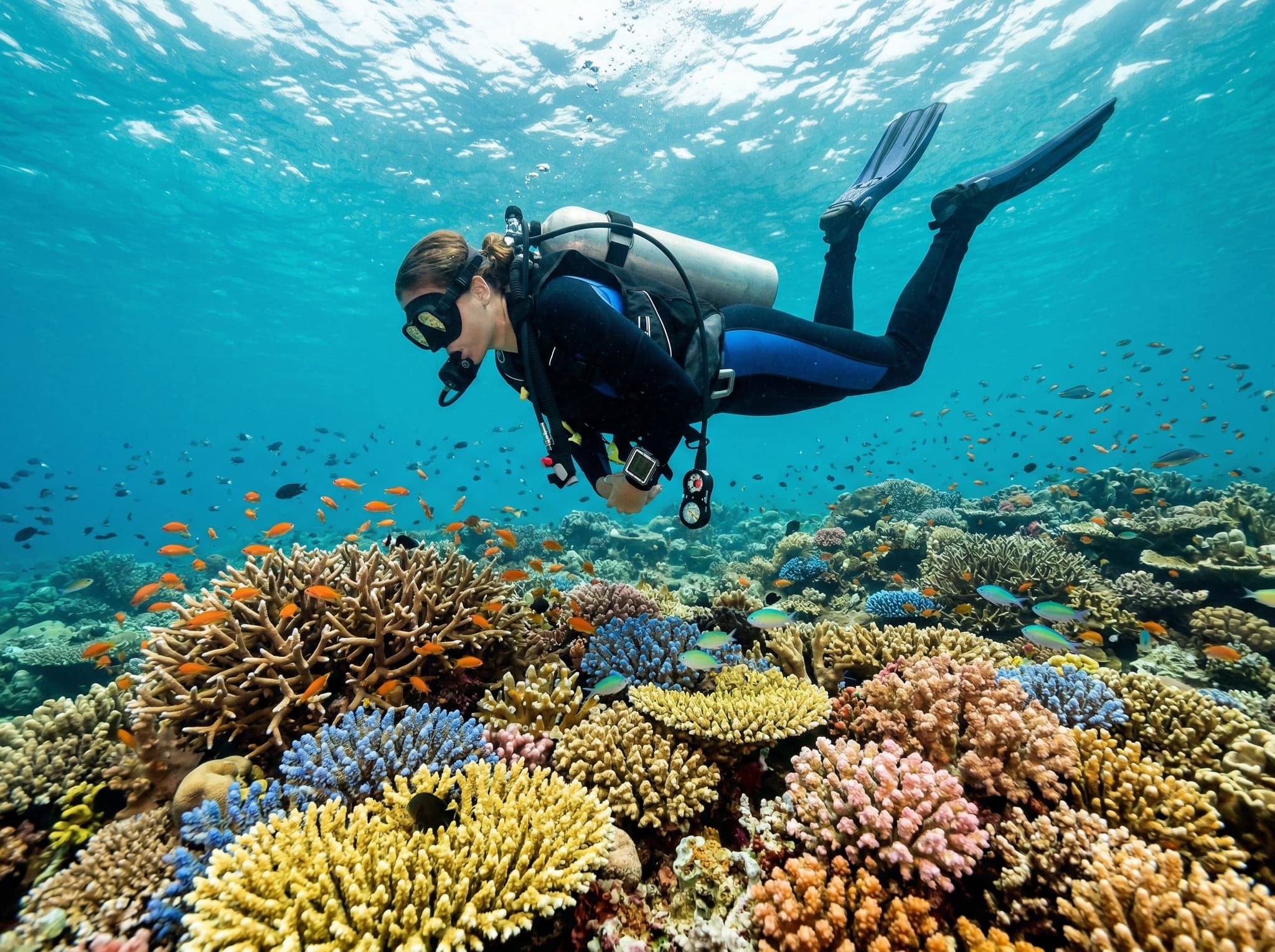
A word on buoyancy, because it matters here more than most sites: the table corals are fragile and shallow. A careless fin kick or an uncontrolled descent can break coral that took decades to grow. If your buoyancy isn't dialed in, stay higher in the water column or snorkel instead. This isn't gatekeeping — it's the practical reality of a site where the main attraction sits within arm's reach.
Dive operators based around Kri, Gam, and the broader Dampier Strait area all include Melissa's Garden in their regular rotation. It's typically part of a multi-dive day that might also hit Cape Kri, Sardine Reef, or Blue Magic, depending on conditions.
How to Get There
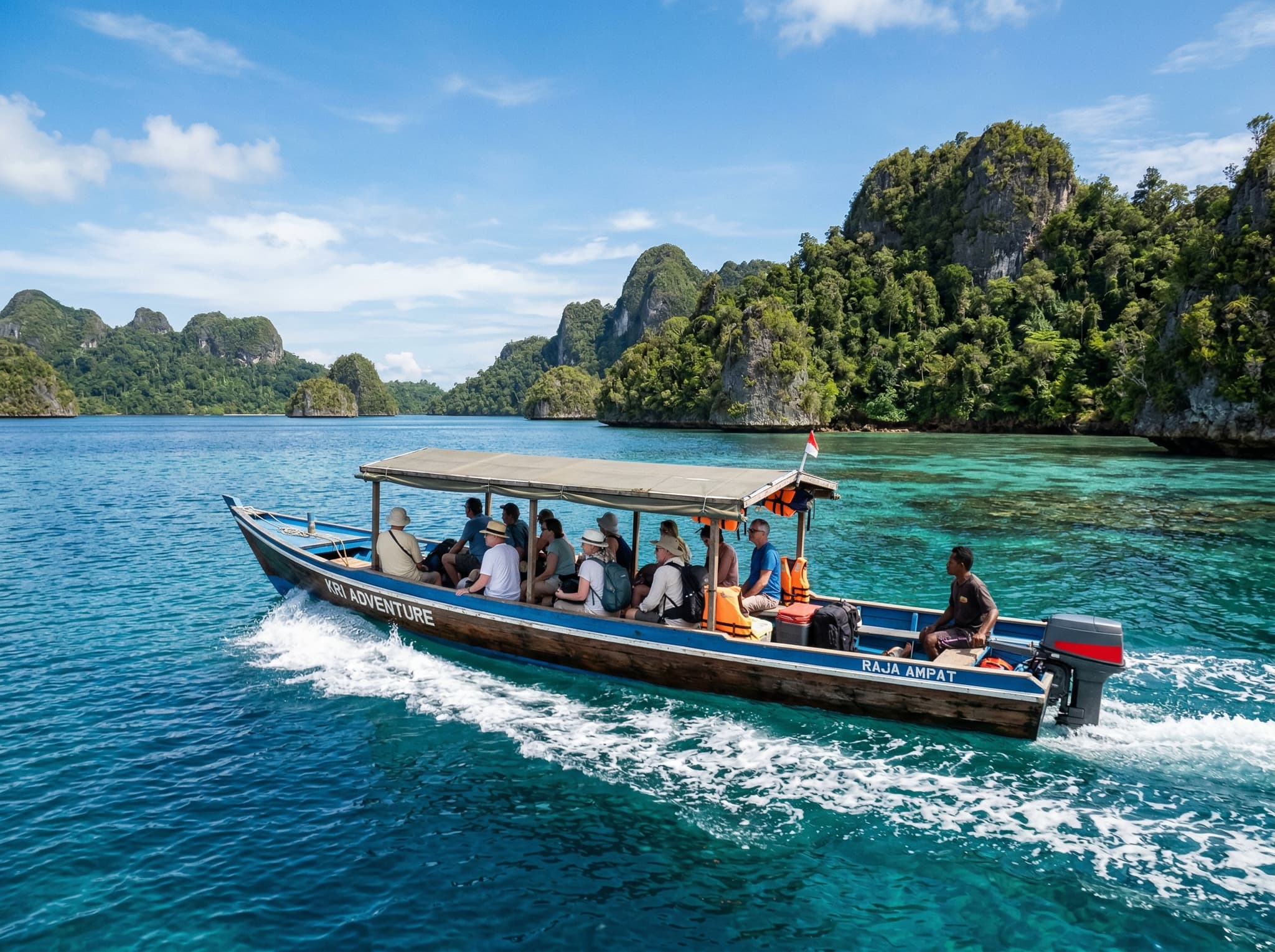
Melissa's Garden isn't a place you visit independently. Access is through a dive resort or liveaboard operating in the Dampier Strait.
From Sorong: Fly into Sorong (Domine Eduard Osok Airport), the gateway to Raja Ampat. Most dive resorts arrange speedboat transfers to the Dampier Strait area — the journey takes roughly 2–3 hours depending on your accommodation's location. Some travelers take the public ferry to Waisai and arrange transport from there.
Liveaboards vs. resorts: Both work. Liveaboards offer more site variety across a trip and typically hit Melissa's Garden as part of a northern Raja Ampat itinerary. Resorts near Kri or Gam put you within 10–20 minutes by boat, meaning you can dive the site repeatedly in different conditions — which is genuinely worth doing, since morning light on those table corals is a completely different experience from afternoon.
Conservation Context
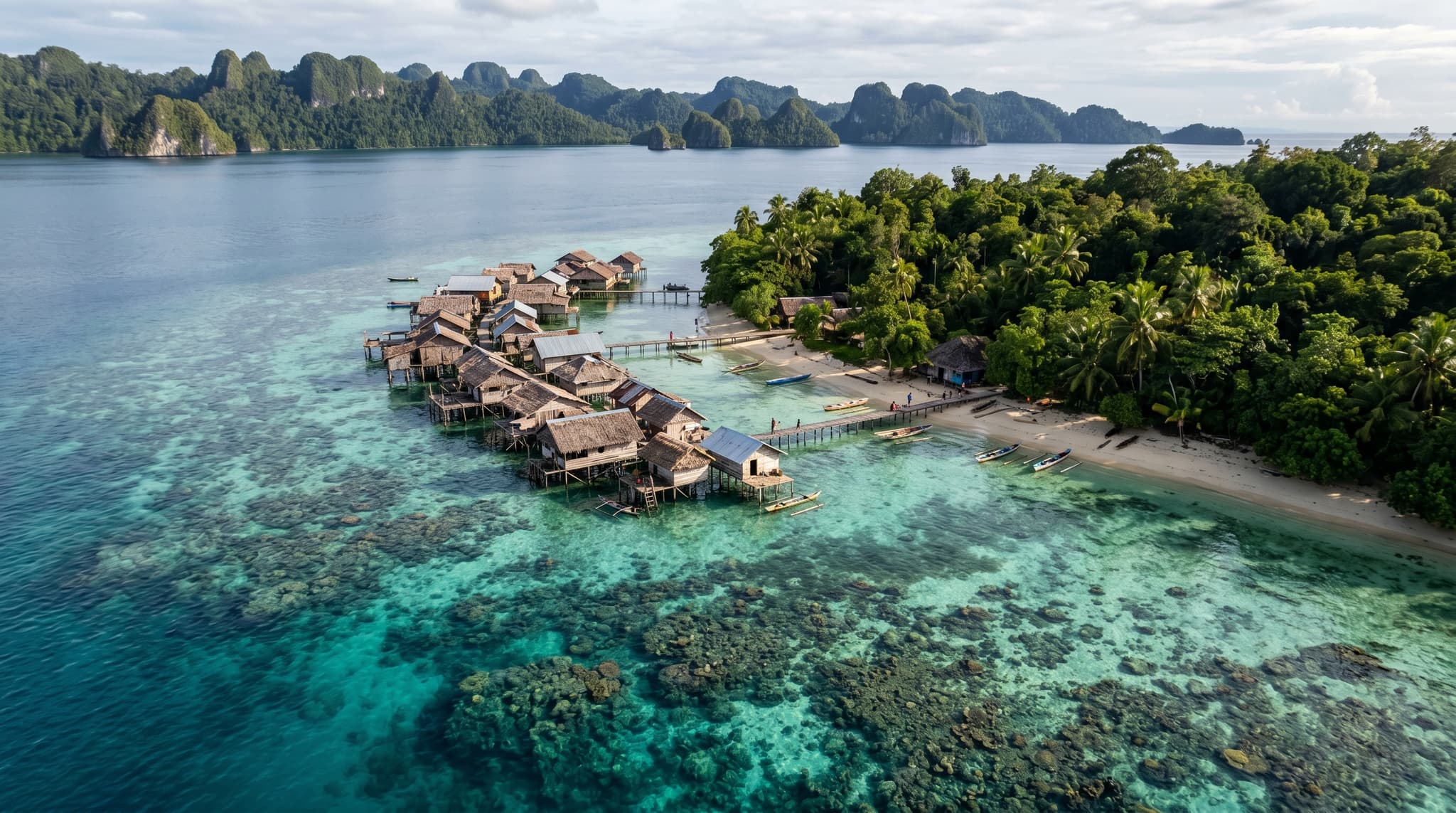
Raja Ampat's marine protected area system is one of the reasons sites like Melissa's Garden still look this good. The Raja Ampat Marine Park entry tag — required for all visitors — funds patrol boats, community ranger programs, and reef monitoring. Local communities in the area have established sasi (traditional fishing closures) on certain reefs, restricting extractive fishing to allow recovery and growth.
Melissa's Garden benefits directly from these protections. The coral health here is a tangible result of enforcement and community buy-in, not just geographic luck. When you pay the marine park entry fee, this is what it funds.
Is It Worth the Hype?
Yes. Without qualification.
Melissa's Garden is one of those rare sites that lives up to every photo you've seen of it. It's not the most adrenaline-charged dive in Raja Ampat — you probably won't see a manta here, and the current won't pin you to a reef wall. But for pure reef beauty, coral diversity, and that feeling of floating above something genuinely pristine, it's hard to beat anywhere in the world.
If you're planning a Raja Ampat trip and wondering which sites to prioritize, Melissa's Garden belongs on every list. Divers and snorkelers alike.