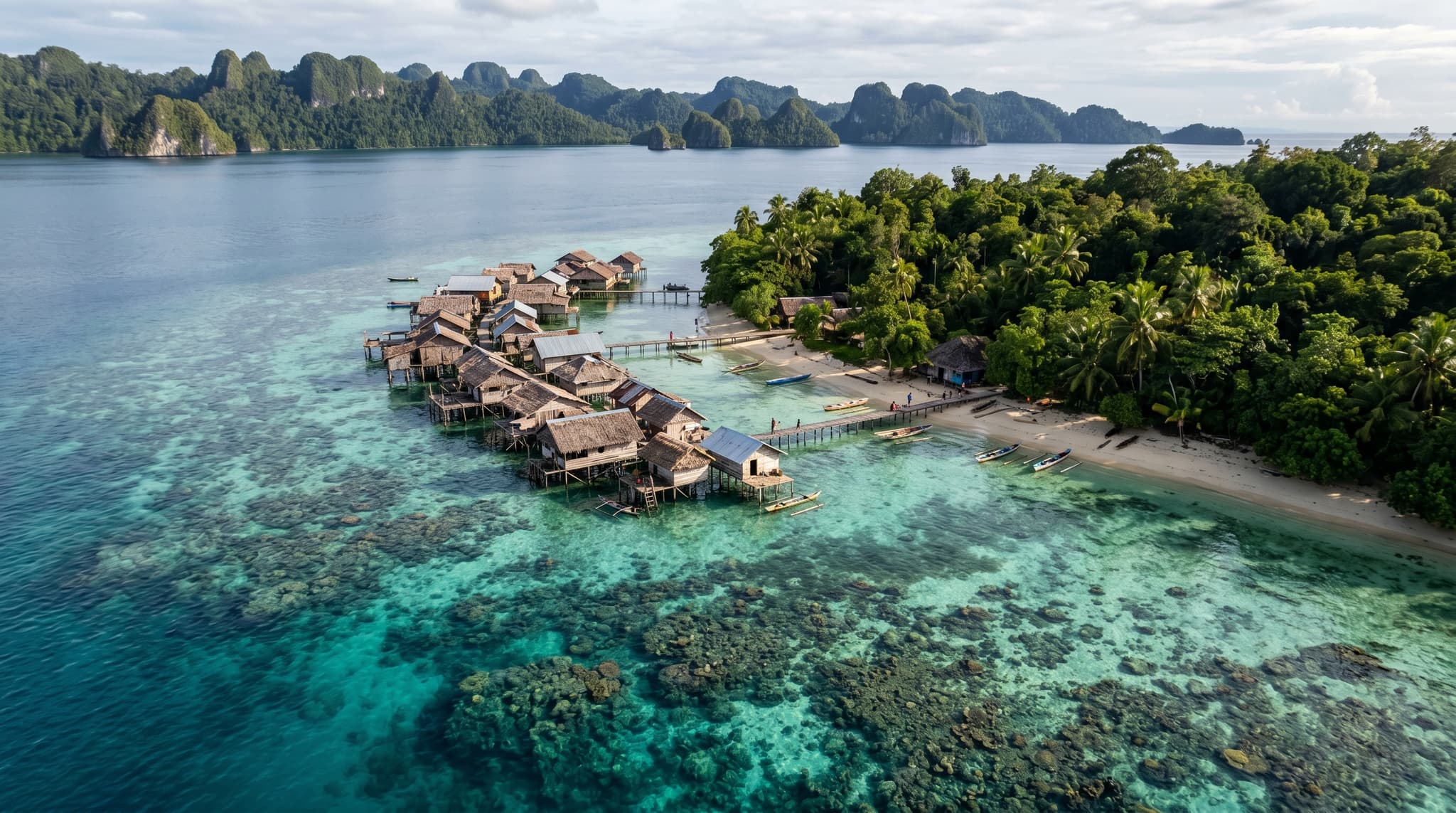
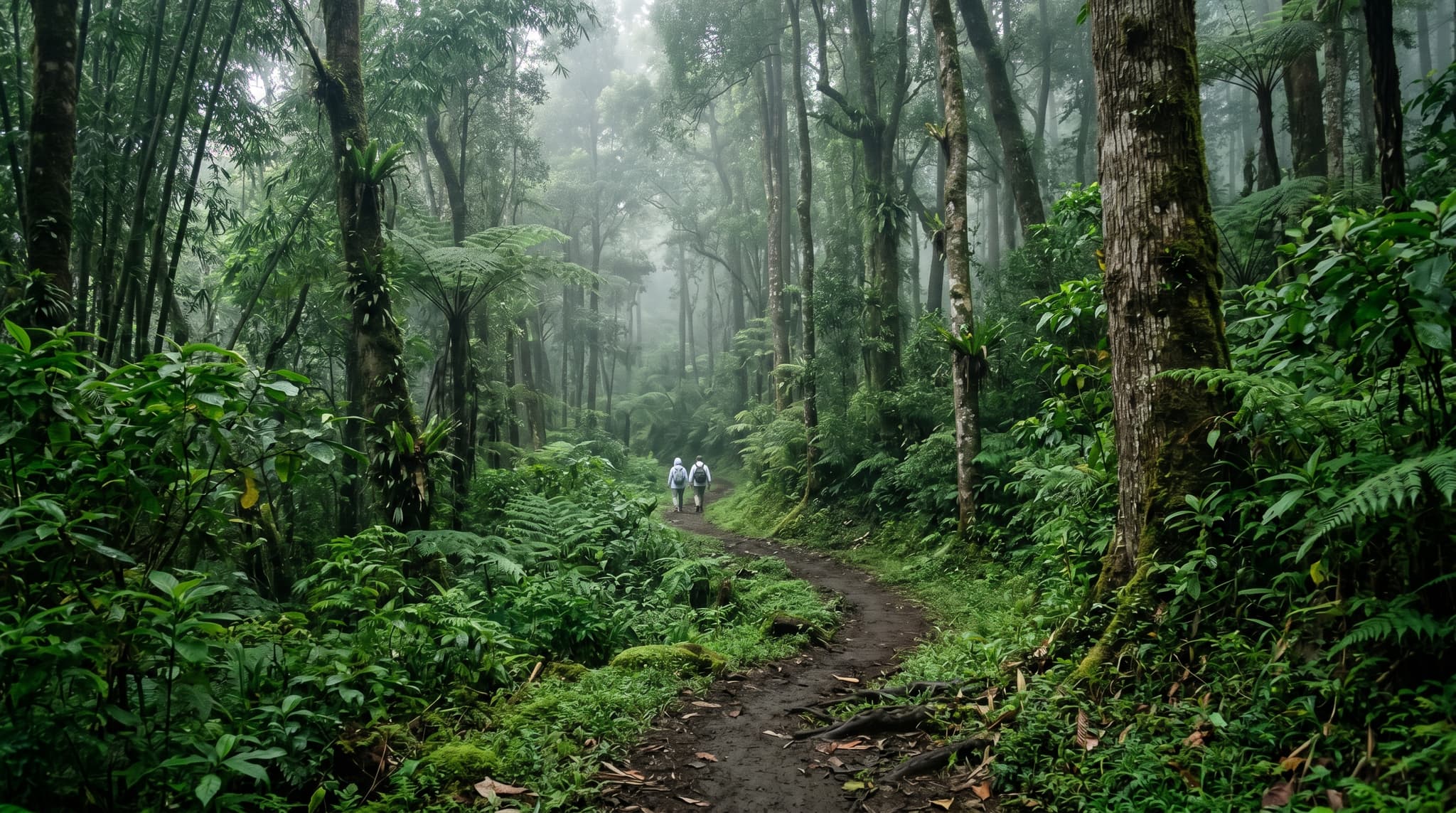
Gam Channel funnels Raja Ampat's marine life into a shallow, mangrove-lined strait between Gam and Waigeo — world-class diving and snorkeling minutes from local homestays.
Most of Raja Ampat's legendary dive sites demand a liveaboard, a long speedboat transfer, or both. Gam Channel is the rare exception — a narrow strait between Gam and Waigeo islands that concentrates an absurd density of marine life into a passage you can reach in minutes from many Raja Ampat homestays. It's the archipelago's most accessible world-class dive and snorkel site, and one of the few places where beginners and experienced divers share the same sense of disbelief at what's happening underwater.
What Makes Gam Channel Special
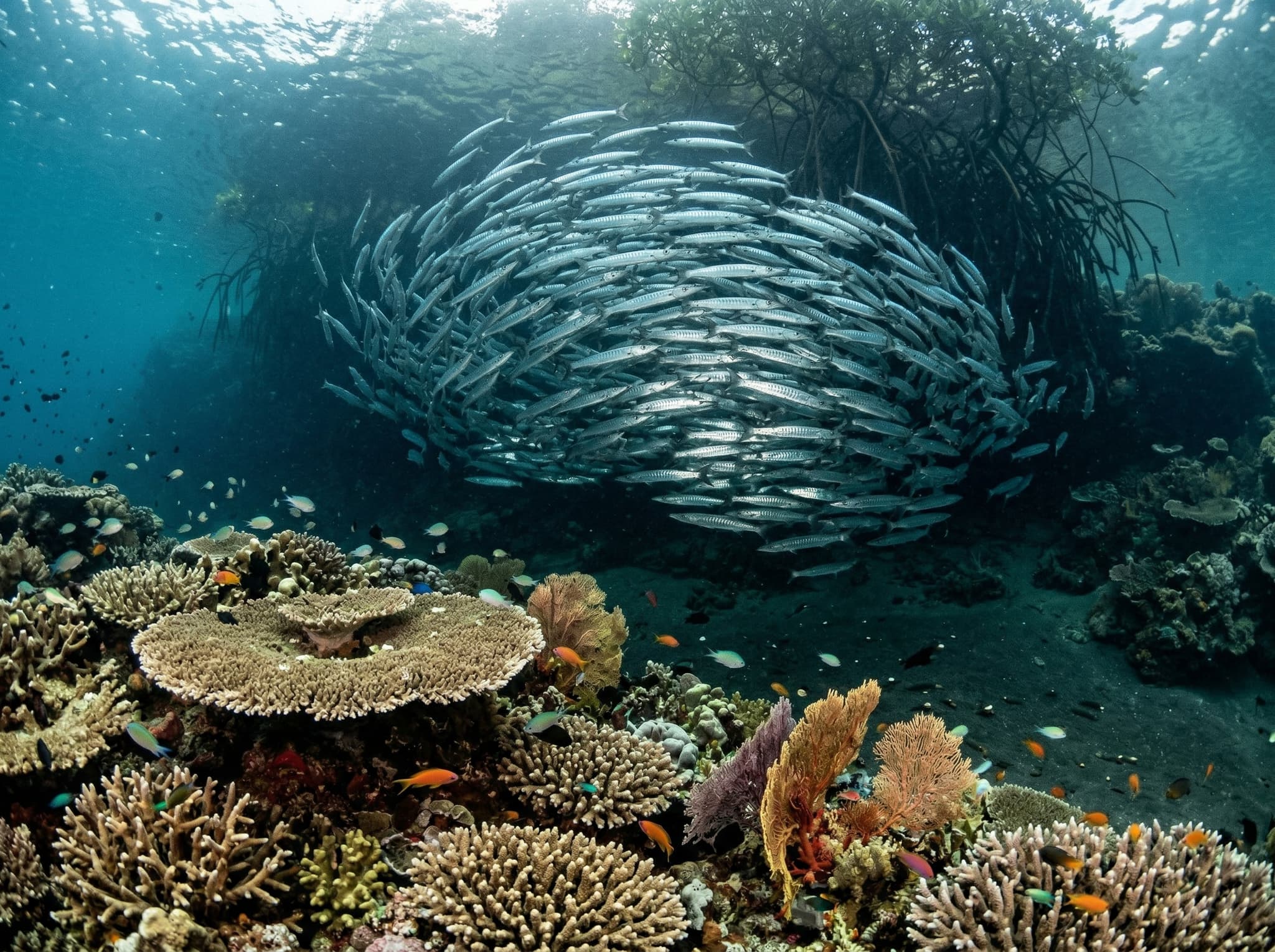
The channel is a shallow, mangrove-lined strait — roughly 500 meters long and narrow enough that you can see both shorelines at once. What makes it extraordinary isn't depth or dramatic topography. It's the convergence of ecosystems.
Nutrient-rich currents funnel through the passage between two of Raja Ampat's largest islands, creating a feeding corridor. The mangrove roots along both banks serve as nursery habitat. The result is a site where open-water species, reef fish, and mangrove-dependent juveniles all overlap in the same small area.
Gam Channel at a Glance
Depth Range
1–18 meters
Visibility
10–25 meters (variable with tides)
Current
Mild to moderate, tide-dependent
Skill Level
All levels — excellent for snorkeling
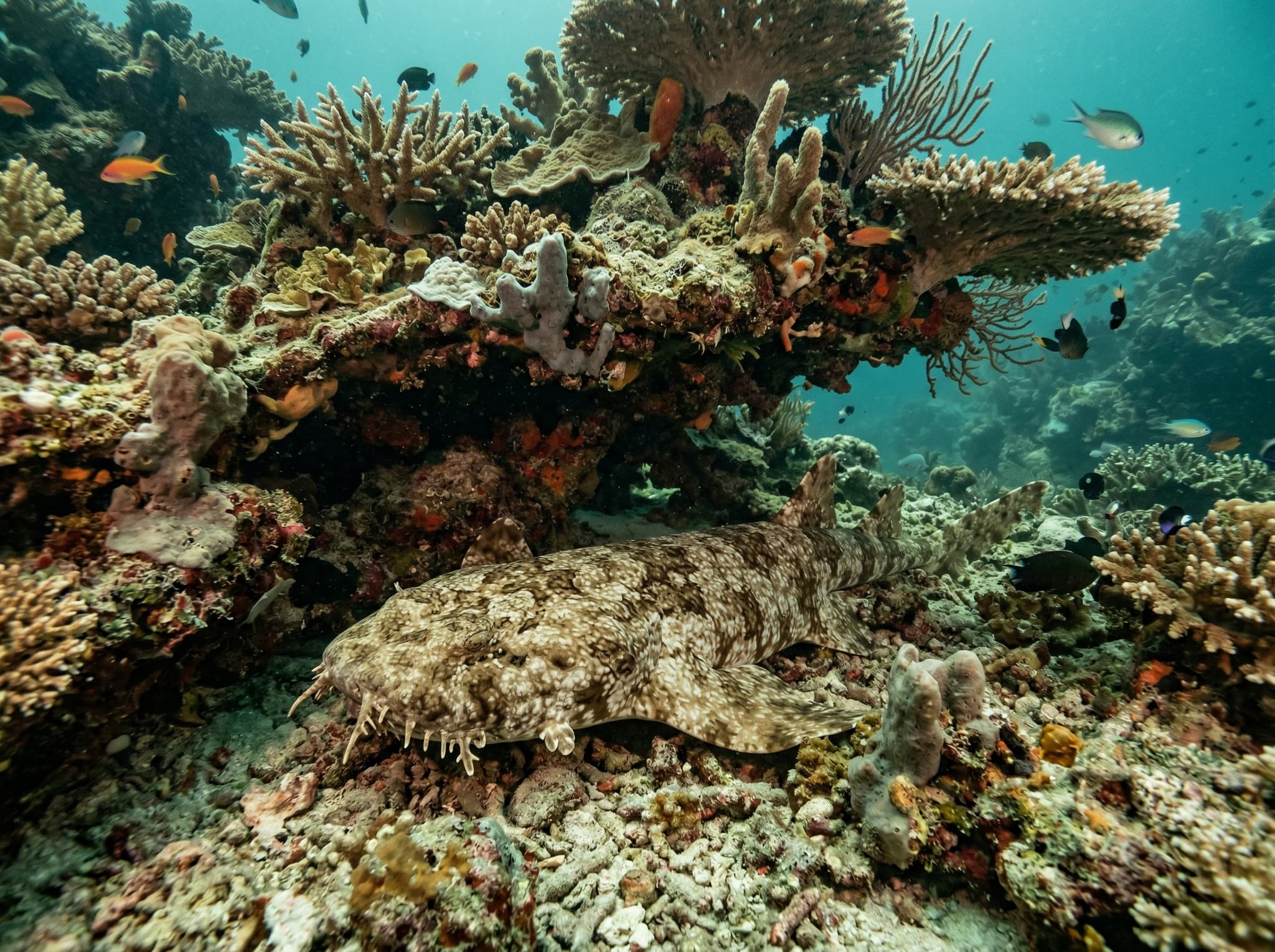
On a single pass through the channel, it's common to encounter schools of barracuda, batfish, and sweetlips alongside the smaller residents — pygmy seahorses clinging to sea fans, nudibranchs on the coral rubble, and juvenile reef fish darting between mangrove roots. Wobbegong sharks — the flat, carpet-like bottom-dwellers that have become something of a Raja Ampat mascot — rest under coral ledges here with reliable frequency.
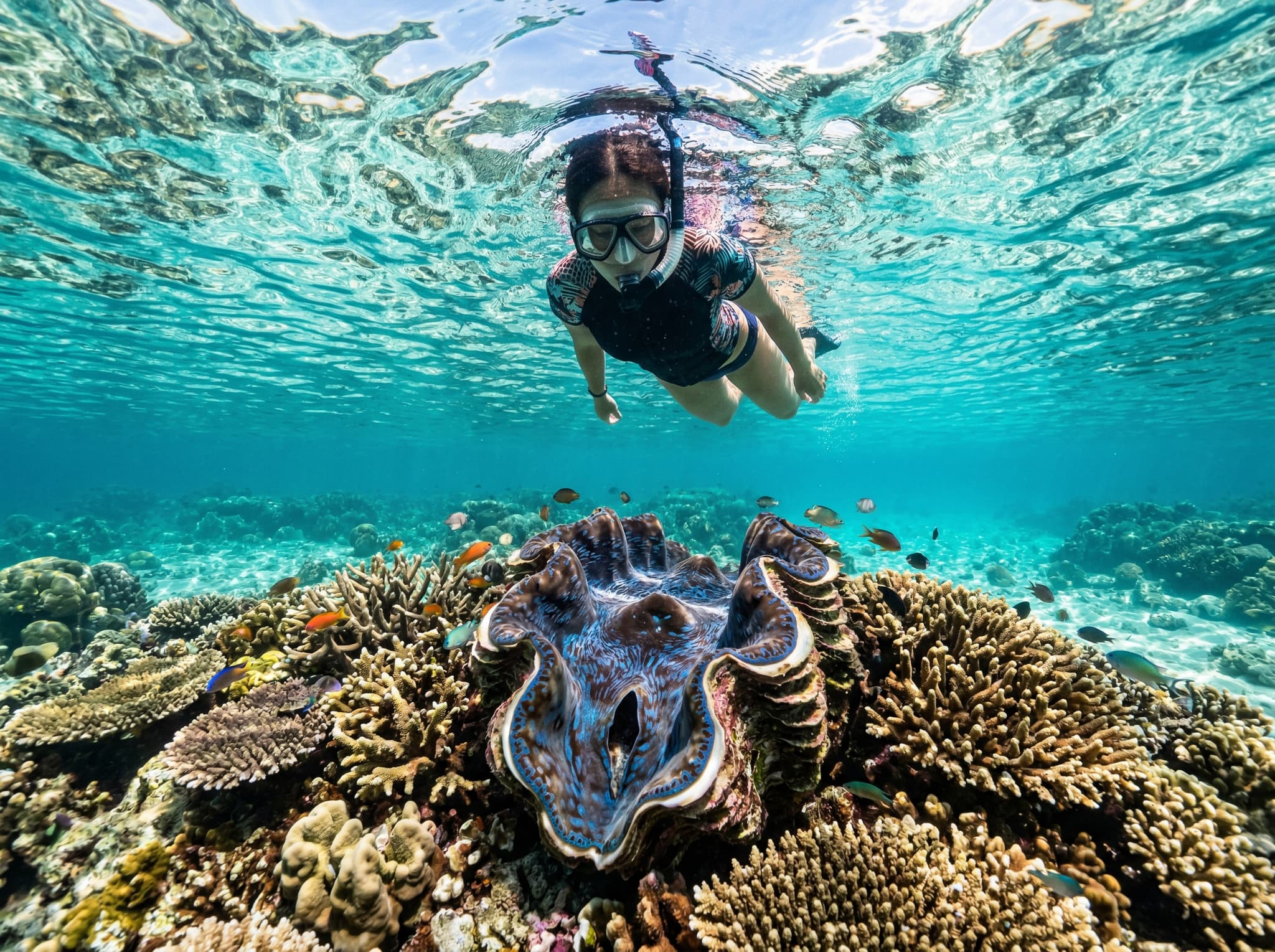
The channel also supports healthy populations of giant clams and large table corals in surprisingly shallow water, some within a meter of the surface. For snorkelers, this means the best of the site is fully visible without diving at all.
Diving and Snorkeling Gam Channel
The standard approach is a drift dive or drift snorkel, entering at one end of the channel and letting the current carry you through. Timing matters — the current shifts with the tides, and most dive operators plan entries to coincide with incoming tides when visibility tends to be better and the nutrient flow draws larger fish into the passage.
For divers, the channel rewards a slow approach. The walls and rubble patches along the edges are where the macro life hides — look for ornate ghost pipefish, Coleman shrimp on fire urchins, and the occasional blue-ringed octopus tucked into coral crevices. Experienced underwater photographers often spend entire dives on a single 10-meter stretch.
For snorkelers, Gam Channel is arguably the best site in Raja Ampat. The shallow depth means you're hovering directly over healthy hard coral gardens and large fish schools without needing to free-dive. The mangrove edges are particularly rewarding — the root systems create a tangled underwater architecture where archer fish, cardinalfish, and juvenile blacktip reef sharks move in and out of the shadows.
Getting There
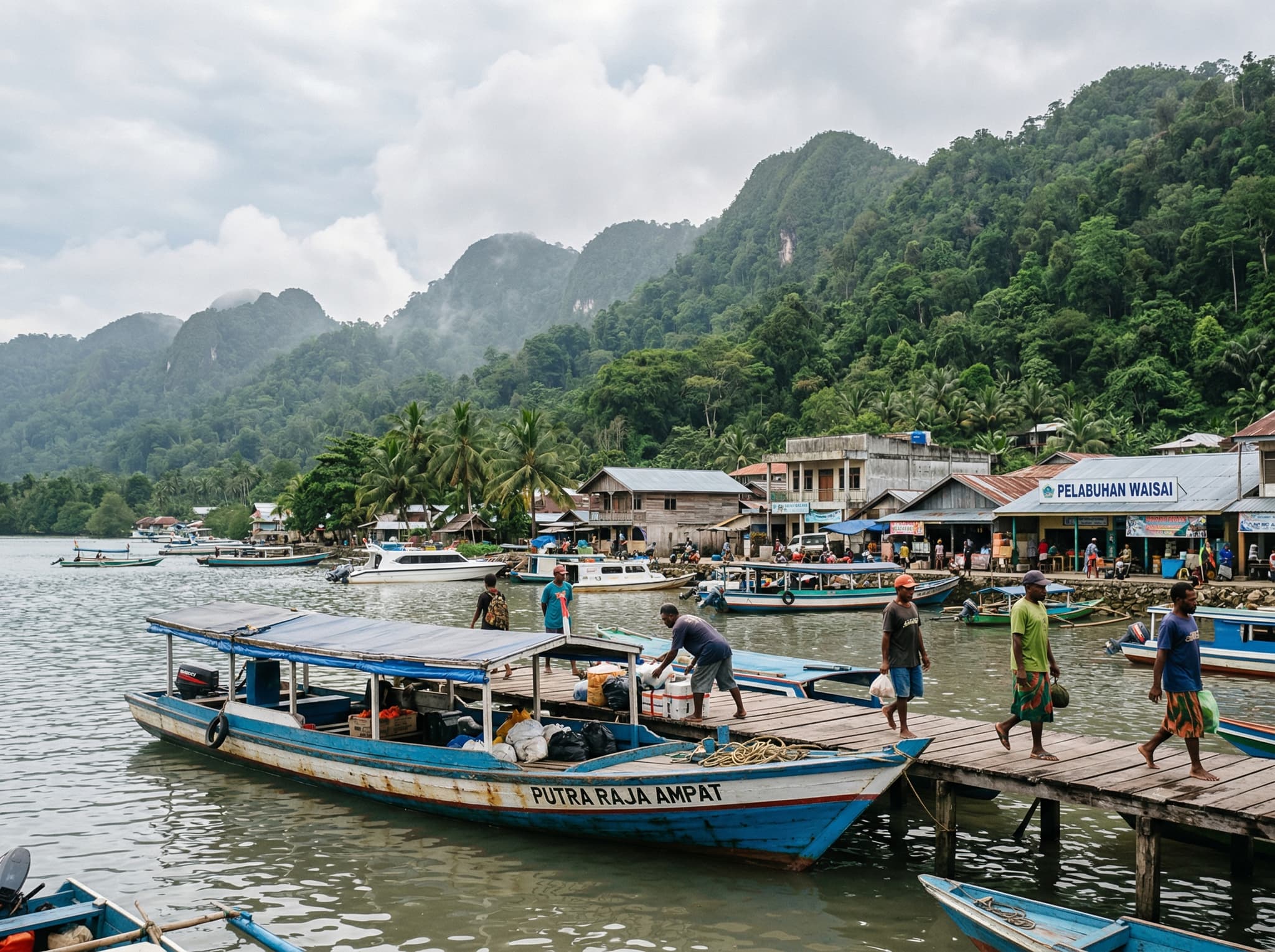
Gam Channel sits between the southern coast of Waigeo and the northern shore of Gam Island. Most visitors access it from homestays on either island — there are several clustered around the Kabui Bay and Gam area that can reach the channel by small boat in 10 to 30 minutes.
From Waisai, the main transit hub of Raja Ampat, the channel is roughly a 45-minute to one-hour speedboat ride, depending on sea conditions. Many visitors staying in the Dampier Strait area (near Kri or Mansuar islands) can arrange day trips that include Gam Channel alongside other nearby sites.
Access & Logistics
From Waisai
45–60 minutes by speedboat
From Kabui Bay homestays
10–30 minutes by boat
Boat Arrangement
Through homestay or dive operator
Marine Permit
Required — purchased at Waisai port
There is no independent access to the channel — you'll need a boat, which your homestay or dive operator arranges. This is standard for virtually all Raja Ampat sites. Budget travelers staying at homestays typically negotiate boat trips directly with their hosts, while those on liveaboards will have Gam Channel built into their itinerary if the route passes through the area.
Combining Gam Channel With Nearby Sites
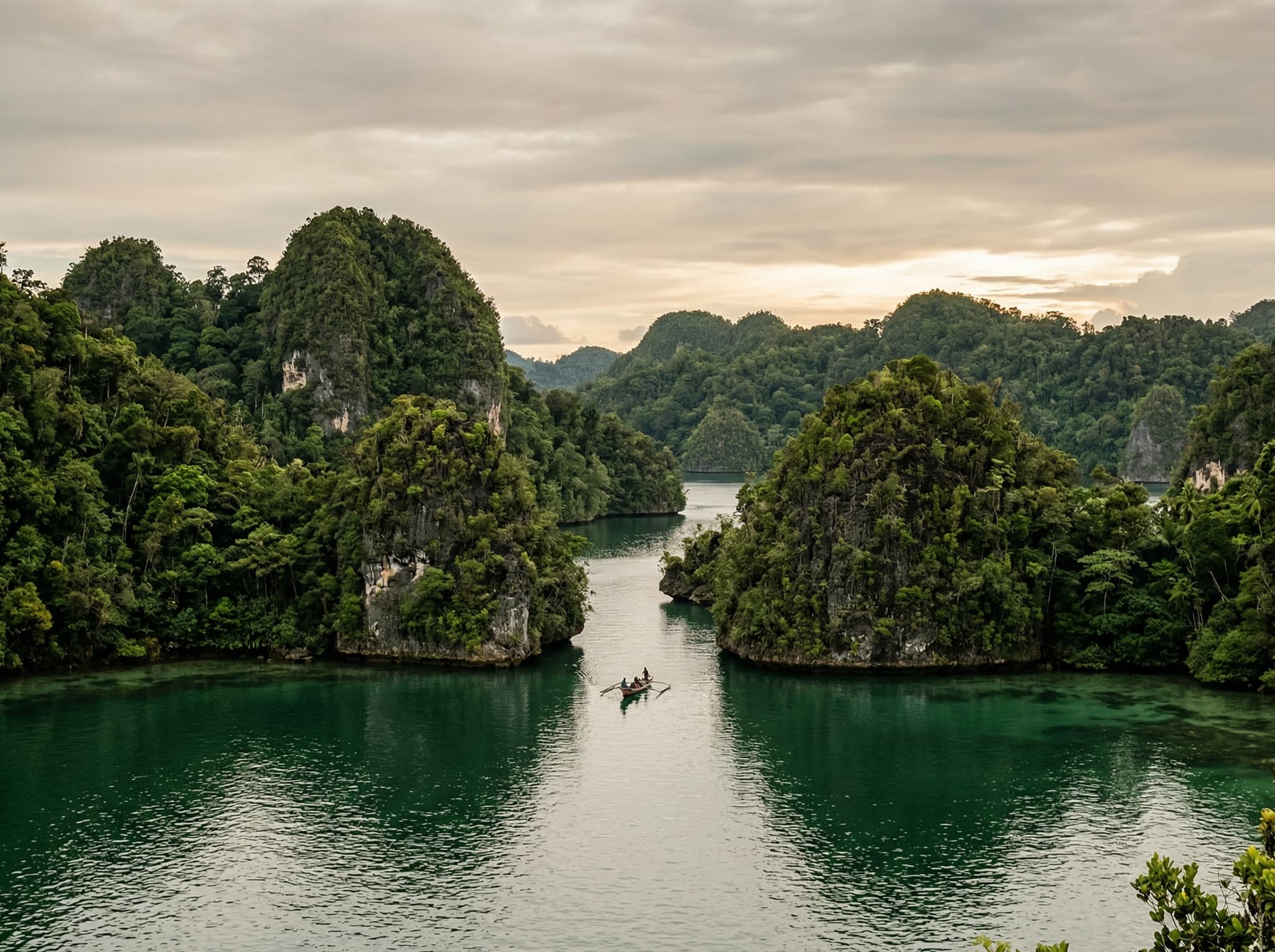
The channel sits at the intersection of several of Raja Ampat's highlights, making it a natural anchor for a day on the water.
Kabui Bay — the dramatic karst-lined passage between Waigeo and Gam — is immediately adjacent and often combined with a Gam Channel visit. The bay's limestone formations, hidden lagoons, and emerald water are striking above the surface, while the channel delivers below it.
Mangrove snorkeling sites along Gam's southern shore extend the same ecosystem that makes the channel productive. Some homestays offer guided mangrove kayaking as a complement to the underwater experience.
Friwen Wall, on the nearby island of Gam's western tip, is another site accessible from the same base — a sloping reef wall known for its soft corals and sea fans in relatively shallow water.
What to Know Before You Go
Raja Ampat's marine entry permit (called the Raja Ampat Marine Protected Area Entry Permit) is mandatory and covers your entire stay. Purchase it at the conservation office near Waisai port upon arrival. The fee funds marine conservation across the archipelago.
Reef-safe sunscreen matters here more than most places. The channel's shallow coral is directly exposed to anything washing off snorkelers hovering a meter above. Many homestay operators will ask you to avoid sunscreen entirely, or to wear a rash guard instead.
The channel is not a protected no-take zone separate from the broader Raja Ampat MPA, but the same regulations apply — no touching coral, no collecting shells, no anchoring on reef. Boats typically tie off to mangrove roots or use existing moorings.