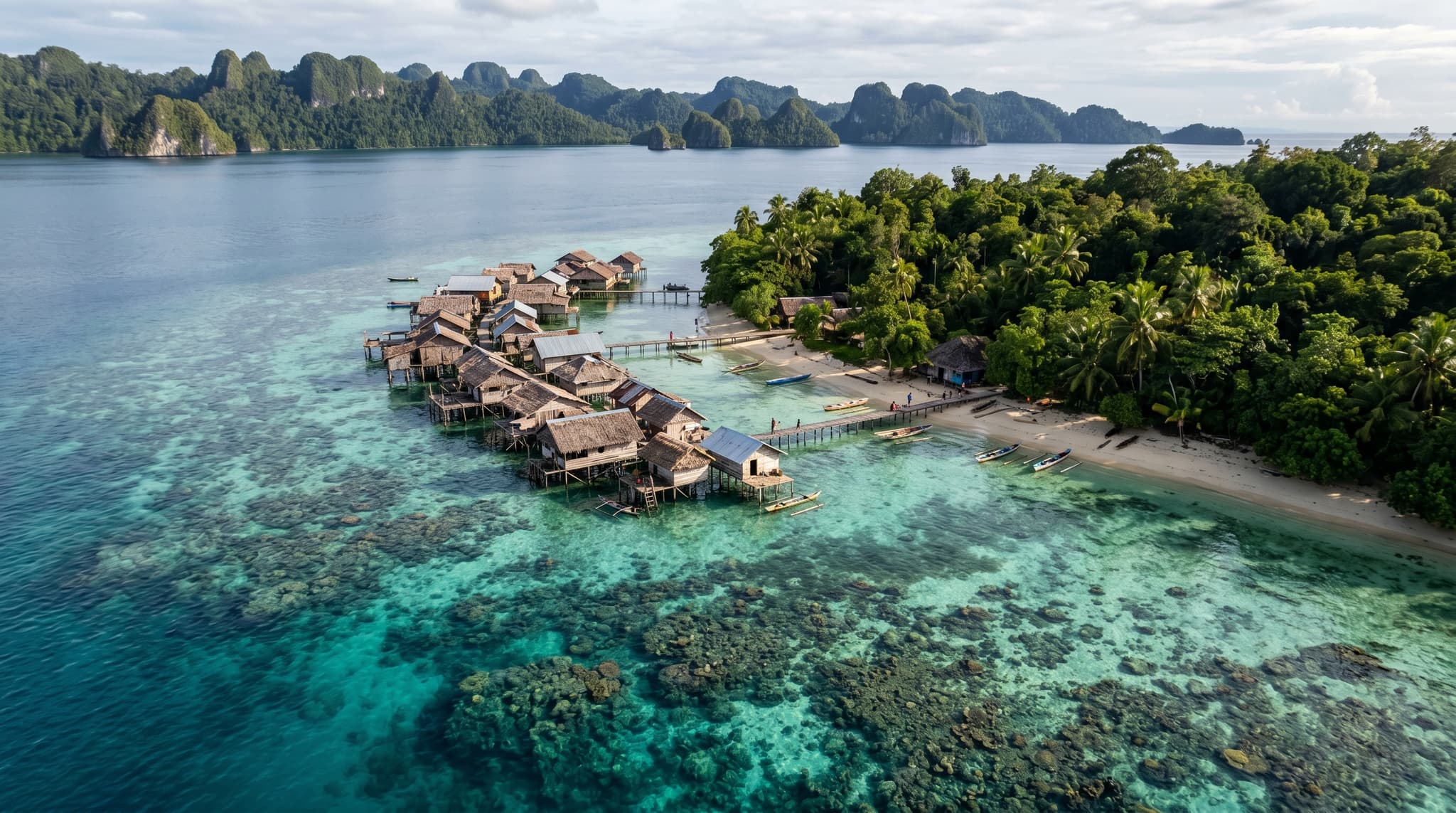
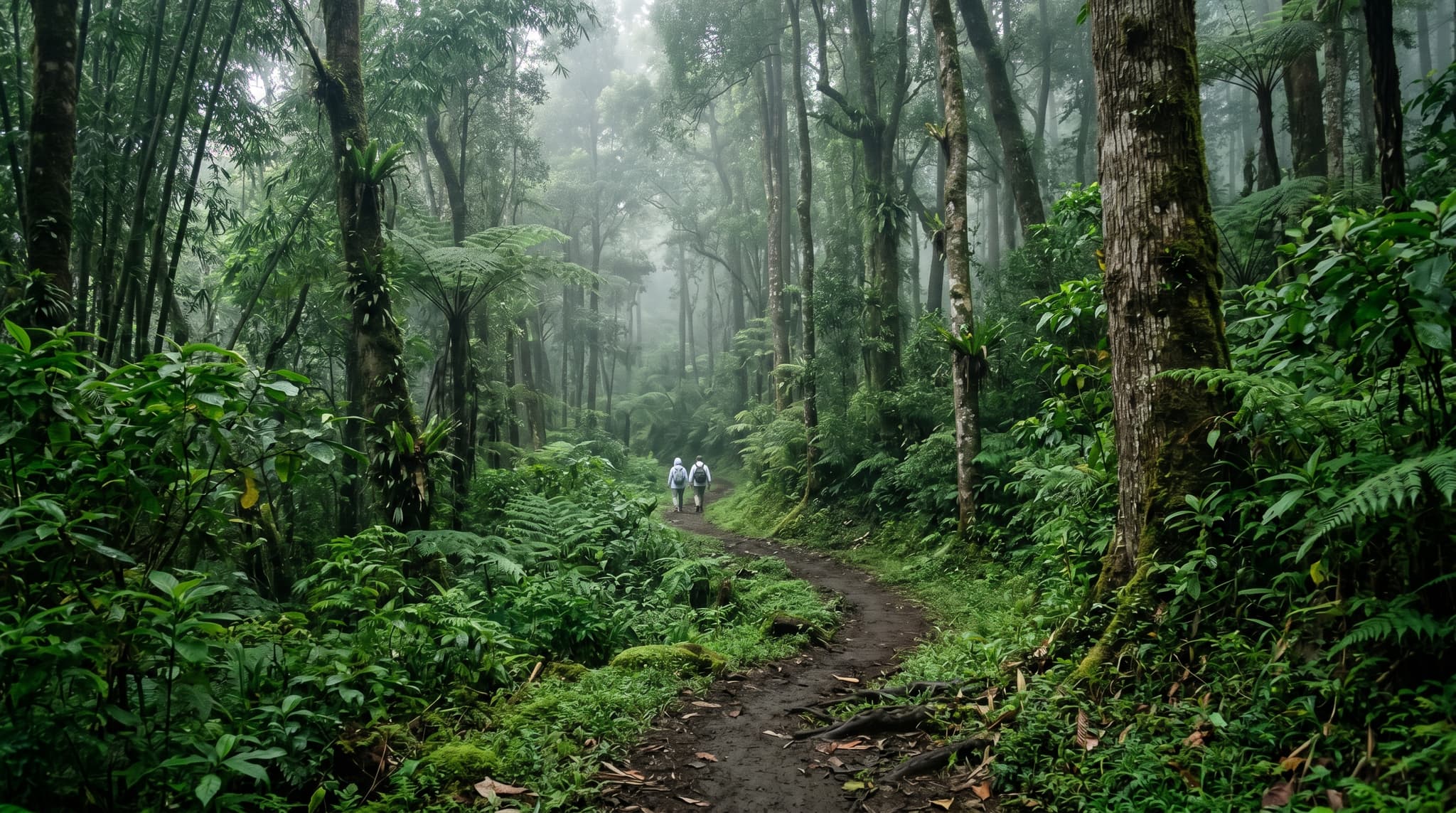
Pantai Saleo is a remote white-sand beach on Waigeo Island where Raja Ampat's tourism model meets its quietest, most unmediated form.
Most visitors to Raja Ampat arrive with a dive itinerary already mapped. The archipelago's reputation rests underwater — the staggering coral counts, the manta cleaning stations, the walls of fish that make even experienced divers go quiet. Pantai Saleo doesn't compete with any of that. It doesn't need to. This is a beach on northern Waigeo that exists on its own terms: a long, pale curve of sand backed by coastal forest, facing water so still in the mornings it looks poured.
There is no resort. No dive operator staging boats from the shore. Getting here requires either a homestay arrangement in or near Saleo village or a chartered boat from Waisai, the regency capital on the southern end of Waigeo. That friction is the point — or at least the filter. Pantai Saleo draws the kind of traveler who has already seen Raja Ampat's headline attractions and wants something that doesn't appear in the brochure.
Getting There
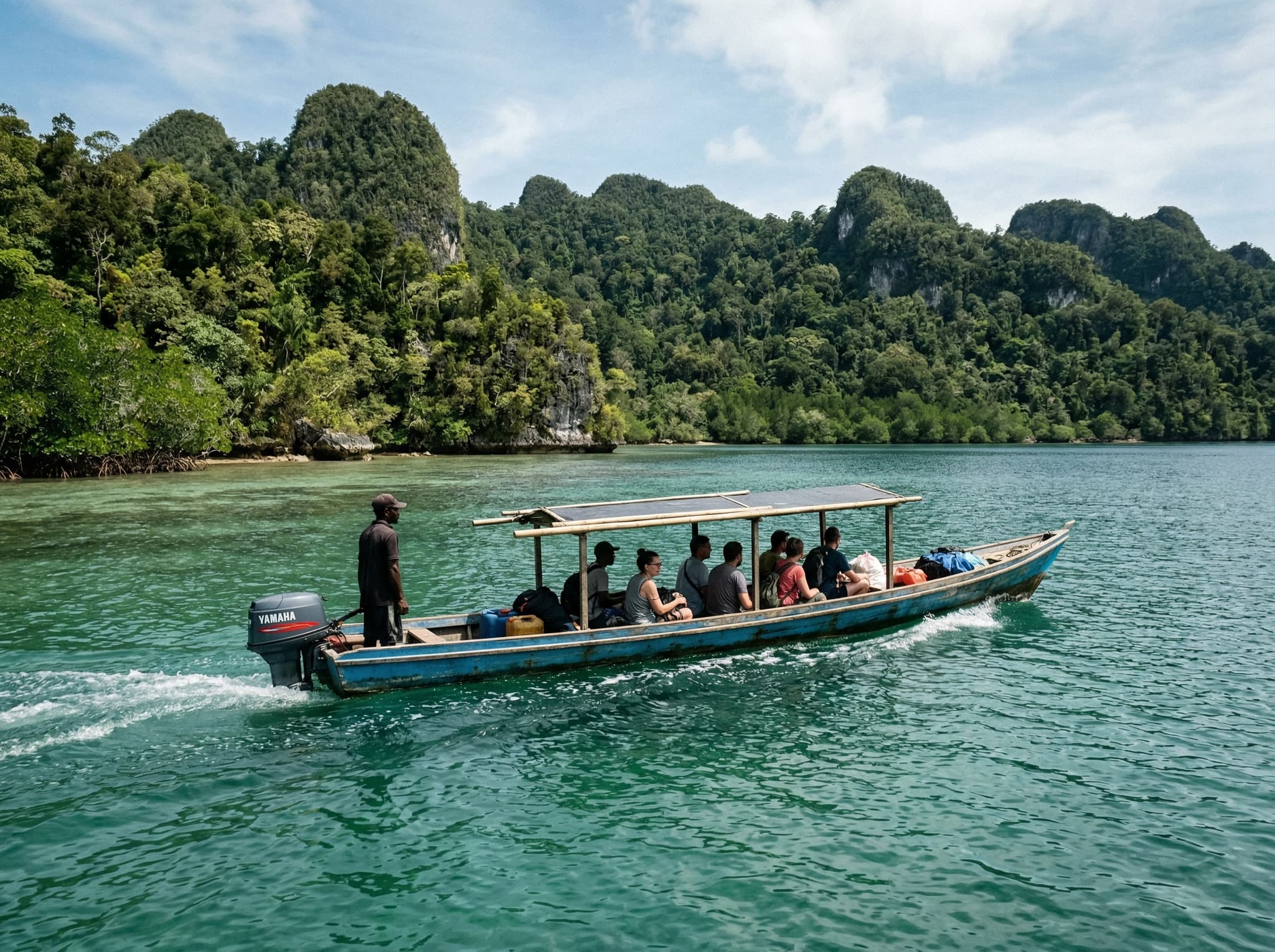
Waisai is the practical starting point. Most travelers reach it by ferry from Sorong (approximately 2 hours; economy class around 130,000 IDR [VERIFY]). From Waisai, reaching Saleo village typically involves a chartered longboat, which can take several hours depending on sea conditions and the specific route along Waigeo's coast. Exact pricing varies — expect to negotiate directly with boat operators in Waisai, and budget accordingly for fuel costs, which are higher in remote Papua.
There is no scheduled public transport to Saleo. Arrange boat transfers in advance through your homestay host or a local contact in Waisai. Traveling without a confirmed return arrangement is risky — this is a remote stretch of coast.
Some travelers reach the area as part of a longer boat trip around northern Waigeo, combining stops at bird-of-paradise viewing sites, other village beaches, and snorkeling points. If you're already on a liveaboard or multi-day island-hopping route, asking your guide to include Saleo is often the simplest approach.
The Beach Itself

Pantai Saleo is not dramatic in the way Raja Ampat's karst-framed lagoons are dramatic. There are no towering limestone mushrooms rising from turquoise water. What it offers instead is space and quiet — a wide stretch of white sand that, on most days, belongs entirely to whoever shows up.
The water is shallow near shore, warming quickly under the equatorial sun, and the reef begins further out. Snorkeling is possible but conditions depend on tide and visibility. This isn't a site that appears on coral reef surveys or species counts. It's a beach where the forest meets the sea without interruption, where the loudest sound at midday is often a hornbill moving through the canopy behind you.
Beach Details
Sand Type
Fine white coral sand
Swimming
Calm, shallow nearshore
Snorkeling
Moderate — reef further offshore
Facilities
None at the beach; village nearby
The village of Saleo sits close to the beach. It's small — a handful of families, most of whom fish or farm. Visitors who spend time here do so as guests in a real sense. Homestay accommodation, where available, is basic: a room, a mattress, meals prepared by the family. Electricity may run on a generator with limited hours. Mobile signal is unreliable at best.
Why It Matters
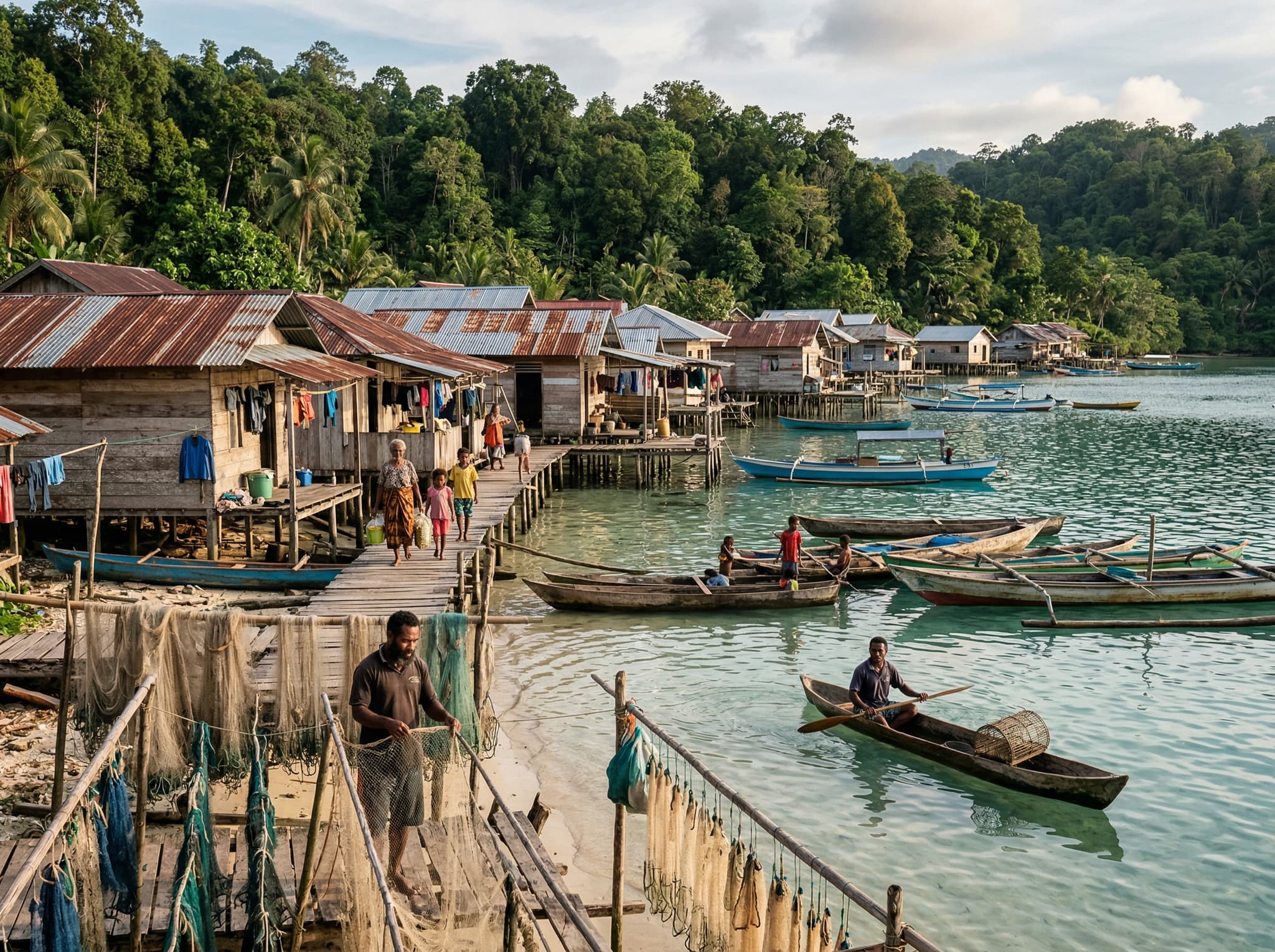
Raja Ampat's tourism model is built around marine park fees and community-managed homestays. The system, at its best, directs money toward conservation and local livelihoods rather than outside operators. Places like Saleo represent the quieter end of that model — villages where tourism is occasional, not constant, and where the economic benefit of a visiting traveler is felt directly.
This also means the infrastructure is minimal. There is no restaurant, no guide office, no printed menu of tours. What you get is hospitality in its most unmediated form: someone's home, someone's cooking, someone's boat. Whether that appeals to you depends on what you're looking for. For travelers accustomed to the polished homestay scene around Kri or Arborek — which, while still community-run, has developed a more structured visitor flow — Saleo will feel like stepping back a decade.
Raja Ampat's marine park tag (Kartu Jasa Lingkungan) is required for all visitors and funds conservation across the archipelago, including less-visited areas like Saleo's coastline. Purchase the tag in Waisai before heading out.
Who This Is For
Pantai Saleo is not a destination to recommend broadly. It's for travelers who are comfortable with uncertainty — uncertain boat schedules, uncertain weather windows, uncertain availability of accommodation. It rewards patience and a willingness to sit with simplicity.
If you're visiting Raja Ampat for the first time, the established homestay clusters around Kri, Gam, or Arborek offer a far more accessible introduction. The diving and snorkeling there is world-class, the logistics are well-trodden, and the experience is still genuinely community-rooted.
But if you've been before — or if you're the kind of traveler who finds a crowded paradise less interesting than an empty one — Saleo is worth the effort of asking around, arranging the boat, and making the trip. The beach will not change your life. It will, for a few hours or a day, make the rest of the world feel very far away. In Raja Ampat, where even the "remote" spots are increasingly mapped and marketed, that distance is becoming harder to find.