The fast boat from Bali to Gili Trawangan takes 1.5–2.5 hours. Here's which operator to book, what the island actually looks like, and who it's for.
The fast boat from Bali to Gili Trawangan is one of those travel decisions that sounds simple until you're standing on a beach in Padang Bai at 8 AM watching a boat that looks smaller than you expected take on more passengers than it should. The crossing is the price of admission. What's on the other side is worth understanding before you pay it.
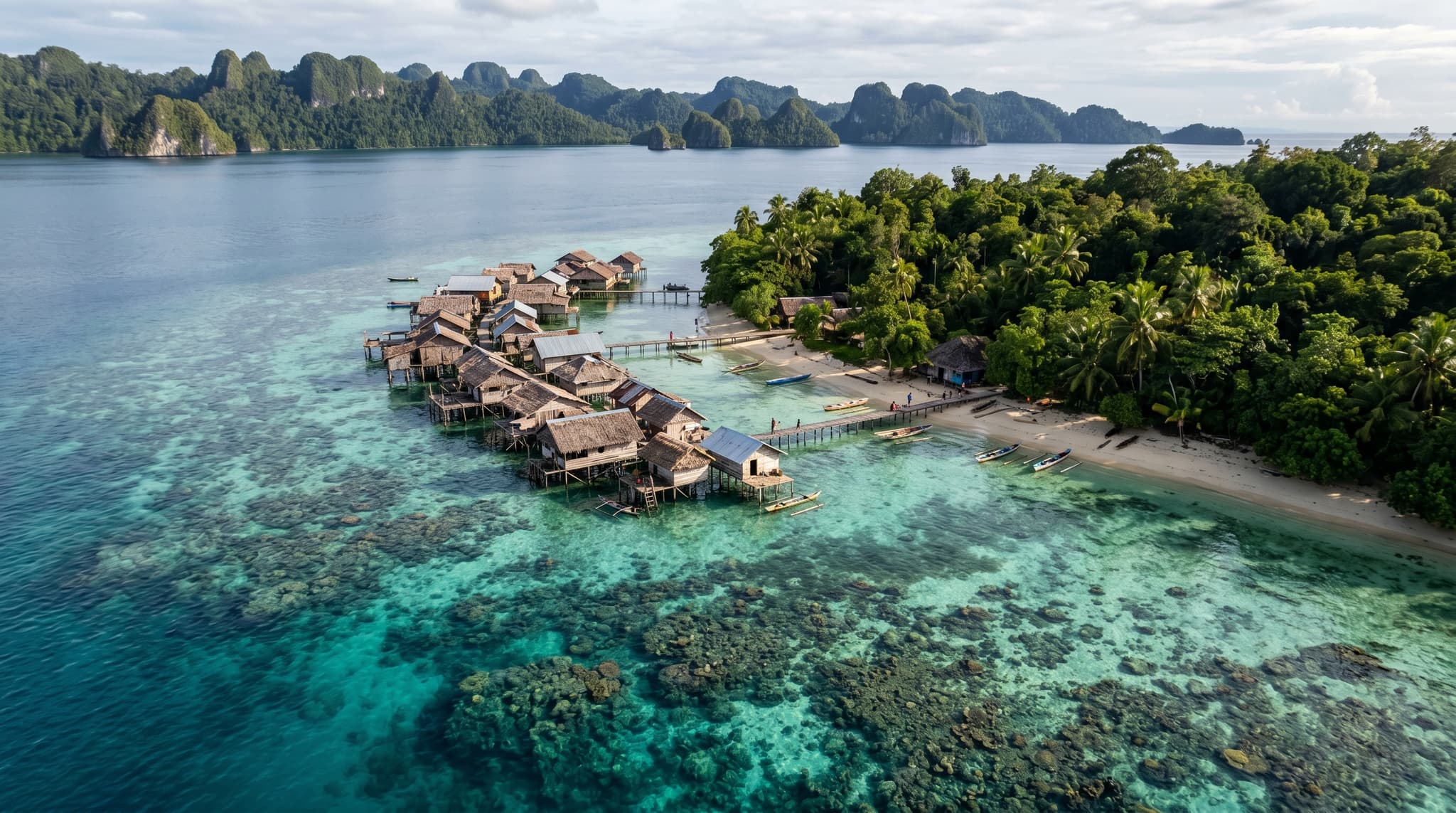
Gili Trawangan — "Gili T" to everyone who's been — is the largest and most developed of the three Gili Islands off Lombok's northwest coast. It has a reputation as a party island, and that reputation is partially earned and partially outdated. The reality in 2024 is more layered than either the backpacker forums or the luxury resort brochures suggest.
The Fast Boat: What You're Actually Signing Up For
The fast boat from Bali to Gili Trawangan departs from a few harbors: Padang Bai (east Bali, most common), Serangan (near Sanur, more convenient if you're staying in southern Bali), and occasionally Amed (northeast, shorter crossing but fewer operators). The ride takes 1.5 to 2.5 hours depending on your departure point, the operator, sea conditions, and — frankly — luck.
Departure Points Compared
Padang Bai
Most operators, 1.5–2 hrs, IDR 350,000–500,000 one way
Serangan (Sanur)
Convenient from south Bali, 2–2.5 hrs, IDR 400,000–600,000
Amed
Shortest crossing (~1 hr), fewer daily departures, IDR 300,000–450,000
Here's the honest version: not all fast boat operators are equal, and the gap between the best and worst is significant. Operators like Bluewater Express, Eka Jaya, and Golden Queen have better safety records and more consistent schedules. The cheapest tickets — the ones that show up at IDR 250,000 on aggregator sites — often come with older boats, chronic delays, and questionable life jacket situations.
Most boats arrive at Gili Trawangan's east coast harbor. There's no pier — you wade through shallow water to the beach. Wear shoes you don't mind getting wet, or go barefoot. Your luggage gets carried by porters; a tip of IDR 20,000–30,000 is standard.
What Gili Trawangan Actually Is Now
The party island label comes from the mid-2010s peak, when the main strip was wall-to-wall bars and the island ran on a cocktail-fueled economy. The 2018 Lombok earthquake changed things. Some businesses didn't come back. COVID thinned the herd further. What rebuilt is a more mixed island — still lively, but no longer one-note.
The east coast is where the action concentrates. Bars, restaurants, dive shops, hostels, and the night market line the main drag. This is the Gili T most people picture. It's loud after dark, especially around the southern end near the harbor.
The west and north coasts are a different island entirely. Quieter beaches, fewer people, better sunsets. Budget bungalows and mid-range villas sit along sandy paths. The swing — yes, the famous Instagram swing — is on the northwest coast. It's exactly as photogenic and exactly as crowded as you'd expect.
The interior is small enough to cross in 15 minutes on foot. There are no motorized vehicles on any of the Gili Islands. Transport is by bicycle (IDR 50,000–70,000 per day to rent) or cidomo, the horse-drawn carts that remain controversial for animal welfare reasons. Walking works fine — you can circle the entire island in about 90 minutes.
Where to Base Yourself
East coast (main strip)
Nightlife, restaurants, dive shops — noisy after 10 PM
North coast
Quieter, good snorkeling offshore, mid-range options
West coast
Best sunsets, most peaceful, fewer dining options within walking distance
What's Genuinely Good
The diving and snorkeling. This is the real reason Gili T earns its place on an itinerary. The waters around all three Gilis have healthy coral, sea turtles that show up reliably, and visibility that often exceeds 20 meters in dry season. A PADI Open Water course runs $350–$450 — cheaper than most of Southeast Asia. Fun dives for certified divers cost $30–$40 per dive. Snorkeling gear rents for IDR 50,000–75,000 per day, and the reef off the north coast is accessible from shore.
The night market. Open nightly near the main strip, with grilled seafood priced by weight. A full plate of grilled fish, rice, vegetables, and sambal runs IDR 50,000–80,000 ($3–$5). It's the best value meal on the island by a wide margin.
The sunsets from the west coast. Lombok's Mount Rinjani across the water, the sky doing its thing. No entry fee required.
What's Overhyped
The party scene gets talked about like it's Ibiza. It's not. It's a handful of bars on a small island playing the same playlist. Fun for a night or two if that's your speed, but nobody's flying to Indonesia specifically for this.
"Untouched paradise" — a phrase that appears in approximately 40% of Gili T marketing. The east coast beach has visible waste issues, especially in wet season when currents push debris ashore. The island's waste management infrastructure hasn't kept pace with tourism. This is improving, but slowly.
The Decision Framework
Gili Trawangan makes sense if you want two to four days of diving or snorkeling combined with easy social energy — meeting people at bars, sharing tables at the night market, that kind of thing. It does not make sense as a week-long stay unless you're doing a dive certification. The island is small. You'll see everything above water in a day.
If you want quiet, Gili Air (10 minutes by public boat, IDR 35,000) offers a similar underwater experience with a fraction of the noise. If you want truly empty beaches, Gili Meno — the middle island — is the one, though dining options are limited.
The fast boat from Bali to Gili Trawangan is a straightforward trip that gets complicated only if you book the wrong operator or travel in the wrong season. The island on the other end is neither the paradise nor the party cliché — it's a small, walkable island with excellent diving, decent food, and a personality that depends entirely on which coast you sleep on. Choose your side accordingly.