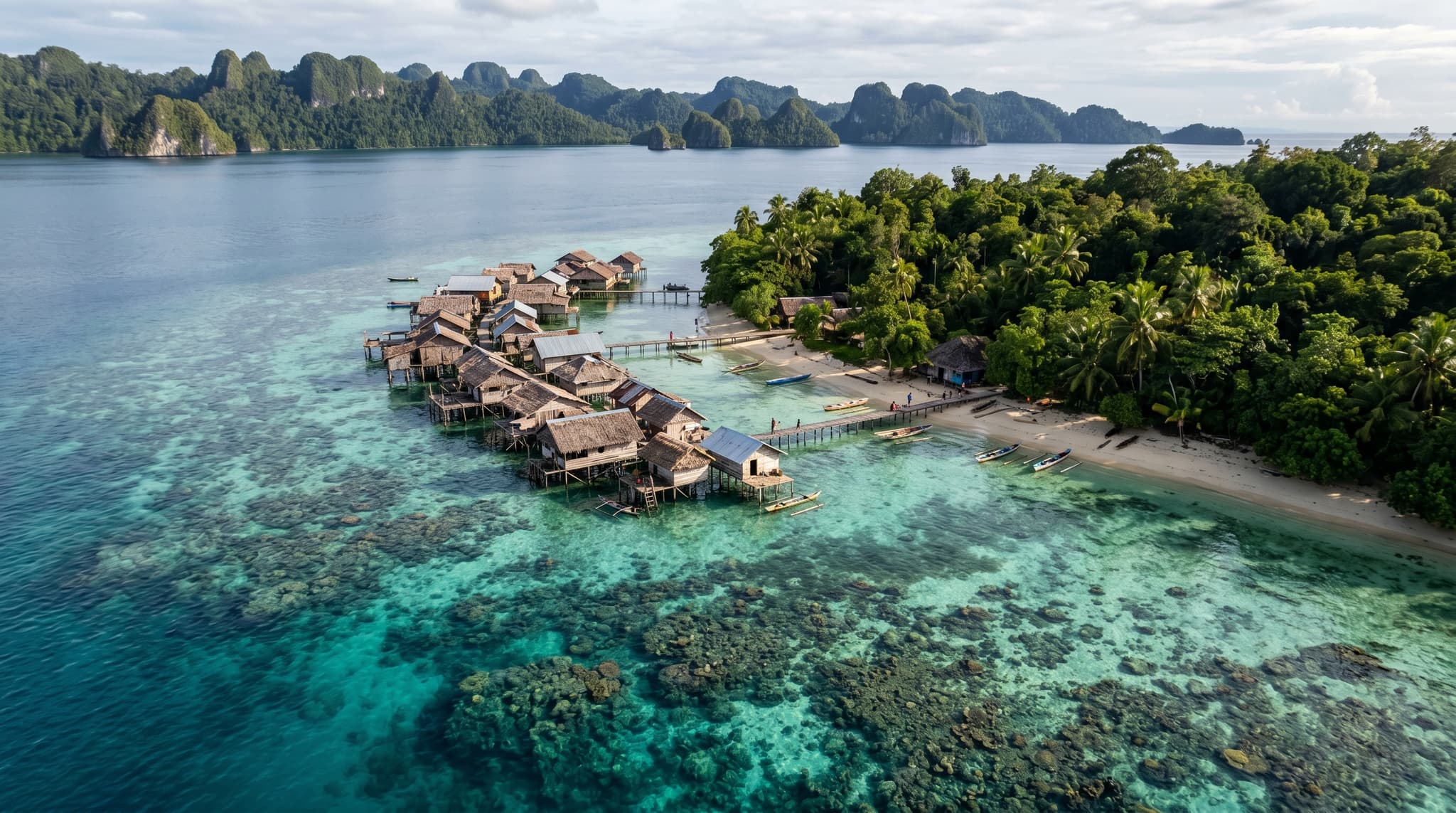
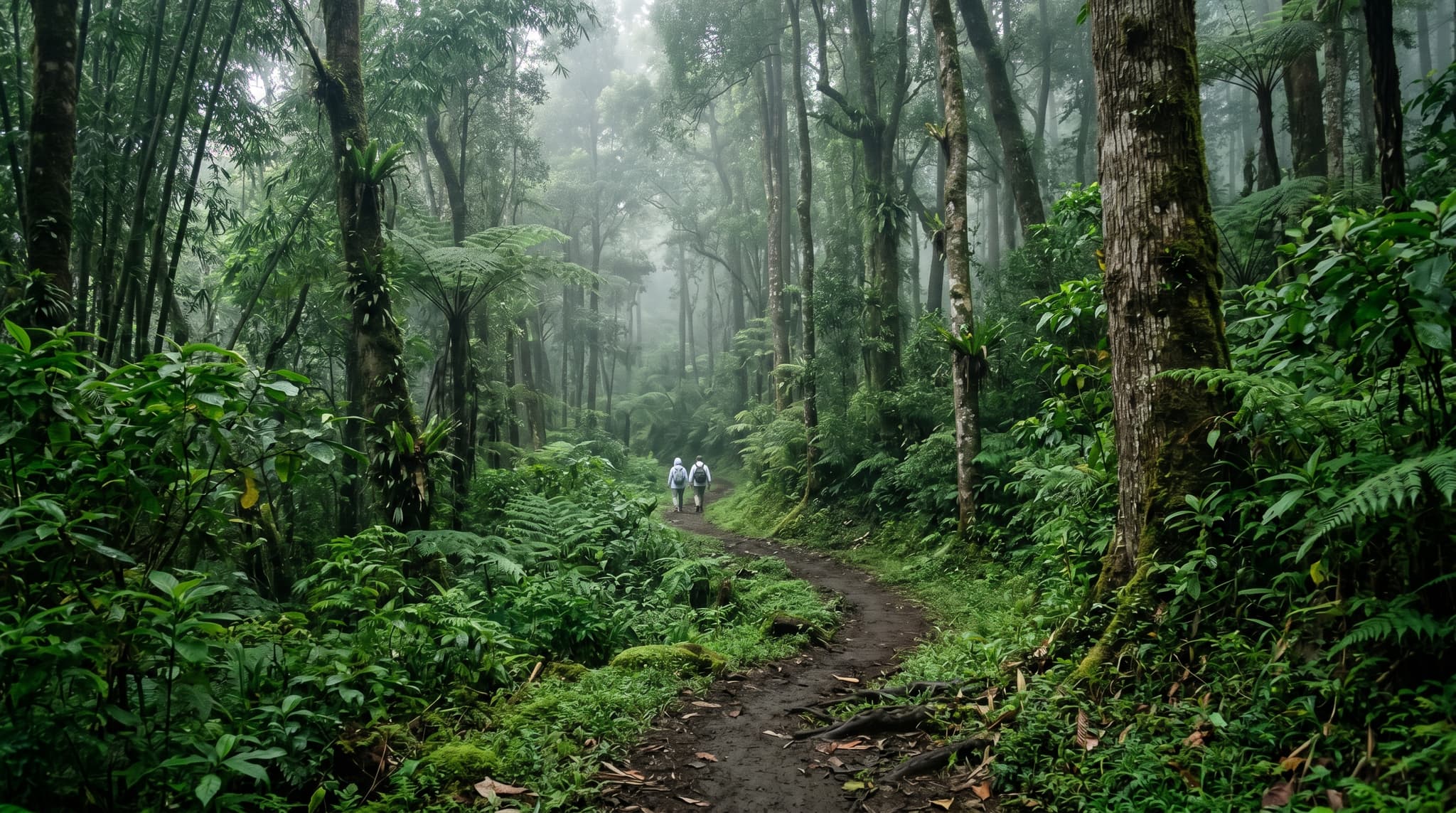
Gunung Payung Beach on Bali's Bukit Peninsula rewards anyone willing to descend 300 cliff steps with white sand and genuine solitude. Here's what to expect.
Every beach on Bali's Bukit Peninsula makes some version of the same promise: fewer crowds, cleaner sand, the "real" Bali. Most of them stopped delivering on that promise around 2018. Gunung Payung is one of the few that still does — not because it's hidden (it's on Google Maps, it has a parking lot, there's a sign), but because getting there requires walking down roughly 300 steep concrete steps carved into a limestone cliff. That staircase is the beach's velvet rope. It filters out anyone who isn't genuinely committed to a quiet afternoon on the sand.
The question isn't whether the beach is beautiful. It is — a wide crescent of white sand backed by dramatic cliff walls, turquoise water that's calm enough for swimming most of the dry season. The real question is whether the descent (and the return climb) is worth it for you specifically.
Getting There
Gunung Payung is on the southeastern edge of the Bukit Peninsula, about 20 minutes from Pandawa Beach by scooter and 30–40 minutes from Seminyak or Canggu depending on traffic. If you're staying anywhere in Uluwatu, Pecatu, or Nusa Dua, it's a short ride.
Access Details
From Uluwatu area
15–20 min by scooter
From Seminyak
50–70 min (traffic dependent)
From Nusa Dua
20–25 min
Parking
IDR 5,000 for scooter
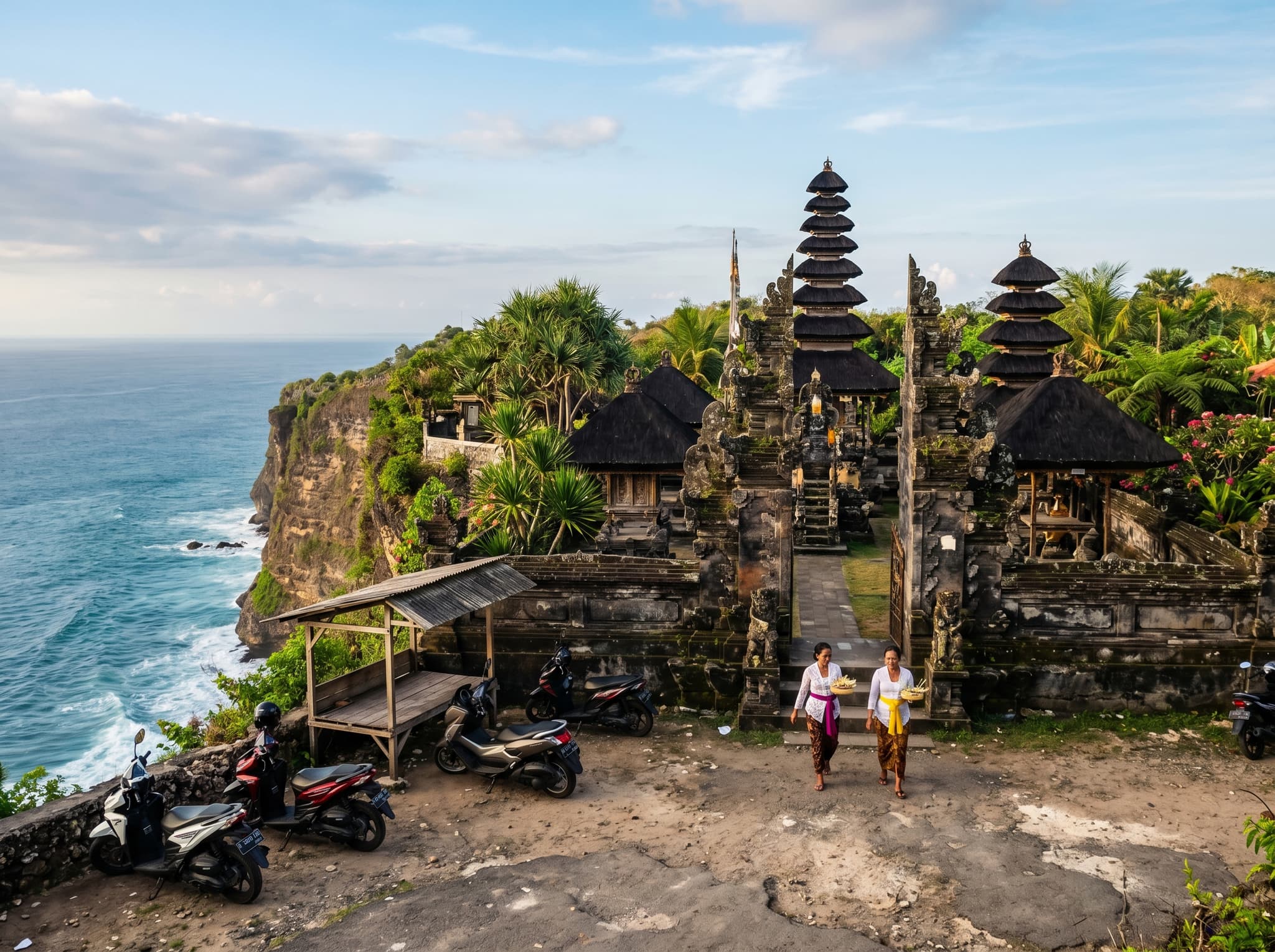
The road to the parking area passes Pura Gunung Payung, a Hindu temple that sits at the cliff's edge. The parking lot is small but rarely full — that should tell you something about visitor volume. Ride-hail apps like Grab can get you here, but getting a return ride from this location is unreliable. If you don't have a scooter, arrange a driver who'll wait or agree on a pickup time. Don't count on finding a Grab at the top when you're ready to leave.
The Staircase: What You're Actually Signing Up For
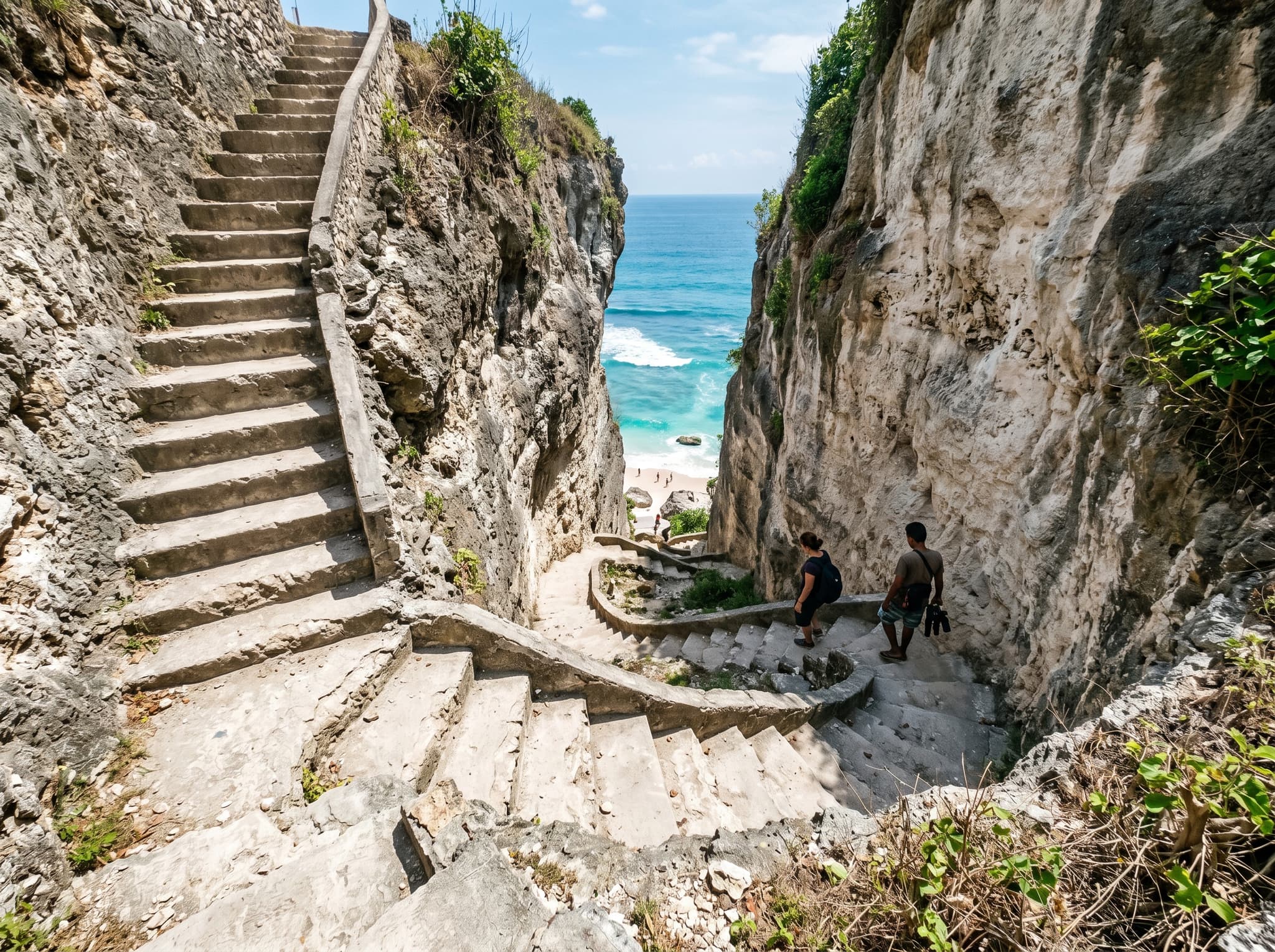
Let's be specific. The descent is approximately 300 concrete steps. They're uneven in places, narrow in others, and completely exposed to the sun. There's no railing for much of it. The surface is dry and manageable in the dry season but gets slippery after rain — if it rained overnight, take this seriously.
Going down takes 10–15 minutes at a comfortable pace. Coming back up takes 15–25 minutes depending on your fitness level and how honestly you assess your fitness level. It's not a hike. It's a stair climb in tropical heat. If you exercise semi-regularly, you'll be fine — sweaty and breathing hard at the top, but fine. If you have knee issues or genuine mobility concerns, this isn't the beach for you. Pandawa, 15 minutes away, offers a similar coastline with drive-up access.
The staircase passes through a gap in the cliff face with a few points where you can stop and look out at the coastline. It's genuinely dramatic scenery — the kind of thing that would be an Instagram landmark if it were easier to reach.
The Beach Itself
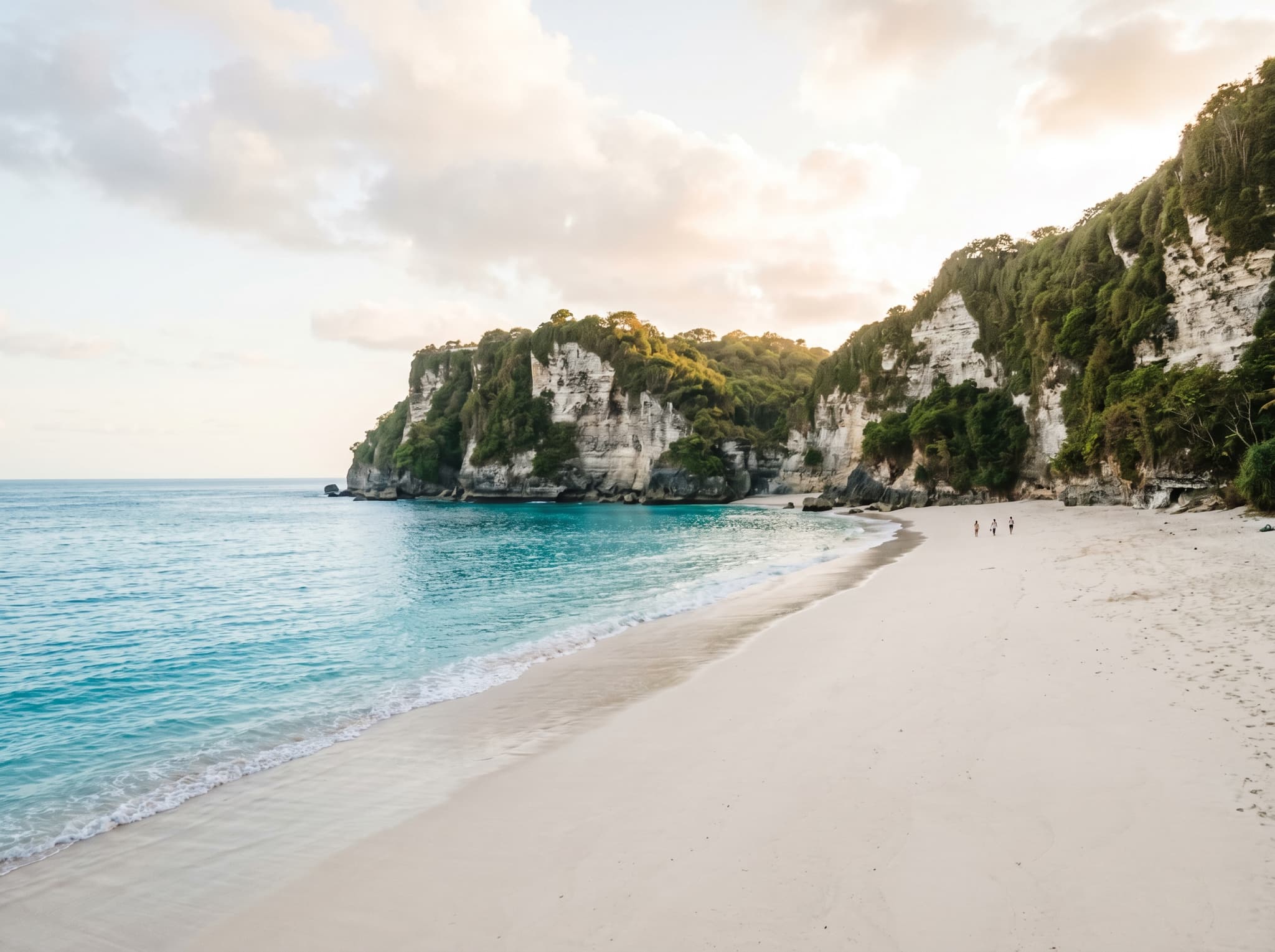
At the bottom, you get a wide stretch of white sand — roughly 200 meters long — framed by limestone cliffs on both sides. The sand is clean, the water is that particular shade of pale turquoise that makes the Bukit Peninsula famous, and on a weekday morning you might share it with five or six other people. That's not an exaggeration. The staircase really does keep numbers low.
Beach Conditions
Sand
White, fine grain
Swimming
Generally calm Apr–Oct, check swell Nov–Mar
Shade
Limited — cliff shadow in late afternoon only
Facilities
None at the beach
Here's the honest part: there is almost nothing at the bottom. No warungs, no beach bars, no sun lounger rentals. Occasionally a local vendor carries drinks down, but don't plan around that. This is a bring-everything-yourself beach. That means water, snacks, sunscreen, a towel or sarong to sit on, and something for shade if you burn easily. There's no natural shade on the sand until late afternoon when the western cliff casts a shadow.
Swimming is generally safe during the dry season (April through October) when the water is calm and visibility is excellent. During the wet season, swells can pick up significantly and currents become less predictable. There's no lifeguard. Use your judgment — if the waves look rough from the top of the stairs, that's your answer.
When to Go
Weekday mornings are the sweet spot. Arrive by 8:00–9:00 AM, and you'll likely have the beach nearly to yourself. The light is beautiful, the temperature is still manageable for the descent, and you can be back up before the midday heat peaks.
Weekends and holidays are different. Gunung Payung has become increasingly popular with domestic visitors, particularly for pre-wedding photo shoots. On a Saturday or Sunday, especially during Indonesian school holidays, the beach can have 30–50 people on it. That's still quiet by Bali standards, but it's not the solitude the weekday experience delivers.
Late afternoon visits work too — the cliff shadow reaches the sand around 3:30–4:00 PM, the light turns golden, and the climb back up is cooler. Just make sure you're back at the top before dark. The staircase has no lighting.
How It Compares
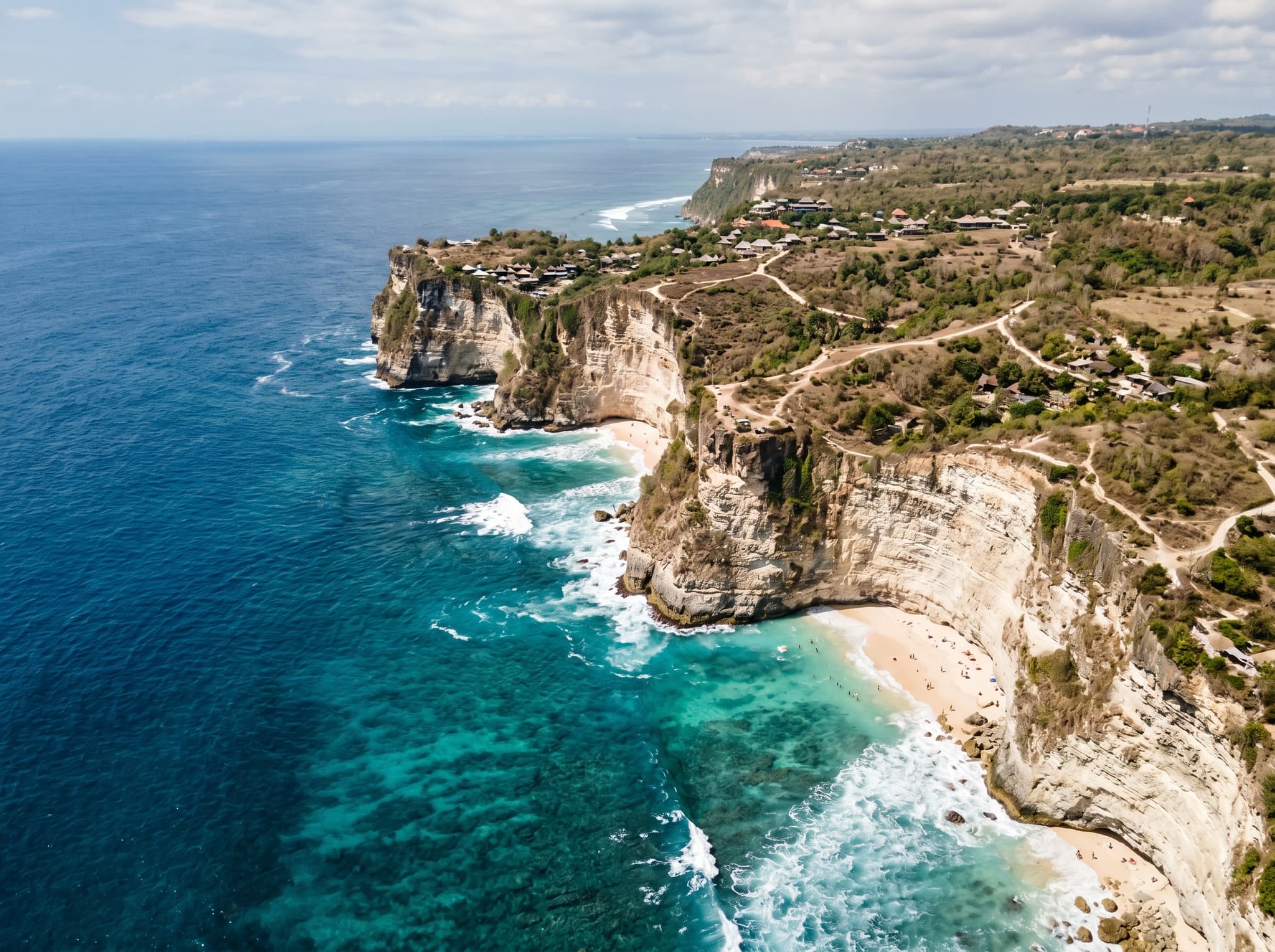
The Bukit Peninsula has a dozen cliff beaches, and the honest comparison matters:
Pandawa Beach is the easy alternative — drive-up access, sun loungers for rent, warungs selling nasi goreng, and crowds to match. If you want convenience, go to Pandawa. If you want quiet, come here.
Melasti Beach is the most photogenic of the group, with dramatic cliff walls and better facilities, but it's become heavily touristed. Beautiful for a visit, but not a place for solitude.
Nyang Nyang Beach requires a similar or harder descent and offers even more isolation, but the access is rougher and the beach is less swimmable. Gunung Payung hits the middle ground — effort required, but not extreme, with a reward that justifies it.
The Verdict
Gunung Payung Beach is not for everyone, and that's precisely why it works for the people it's for. If you want a beach with a cold Bintang waiting for you at the bottom, this isn't it. If you have mobility limitations, Pandawa gives you similar sand without the stairs.
But if you're reasonably fit, willing to carry your own water and snacks, and want a genuinely quiet stretch of white sand on Bali's most beautiful coastline — the kind of beach that Bali travel content promises but rarely delivers — then 300 steps is a small price to pay.
Pack a bag, go on a weekday, leave by noon. You'll have earned the beer you drink at lunch afterward.