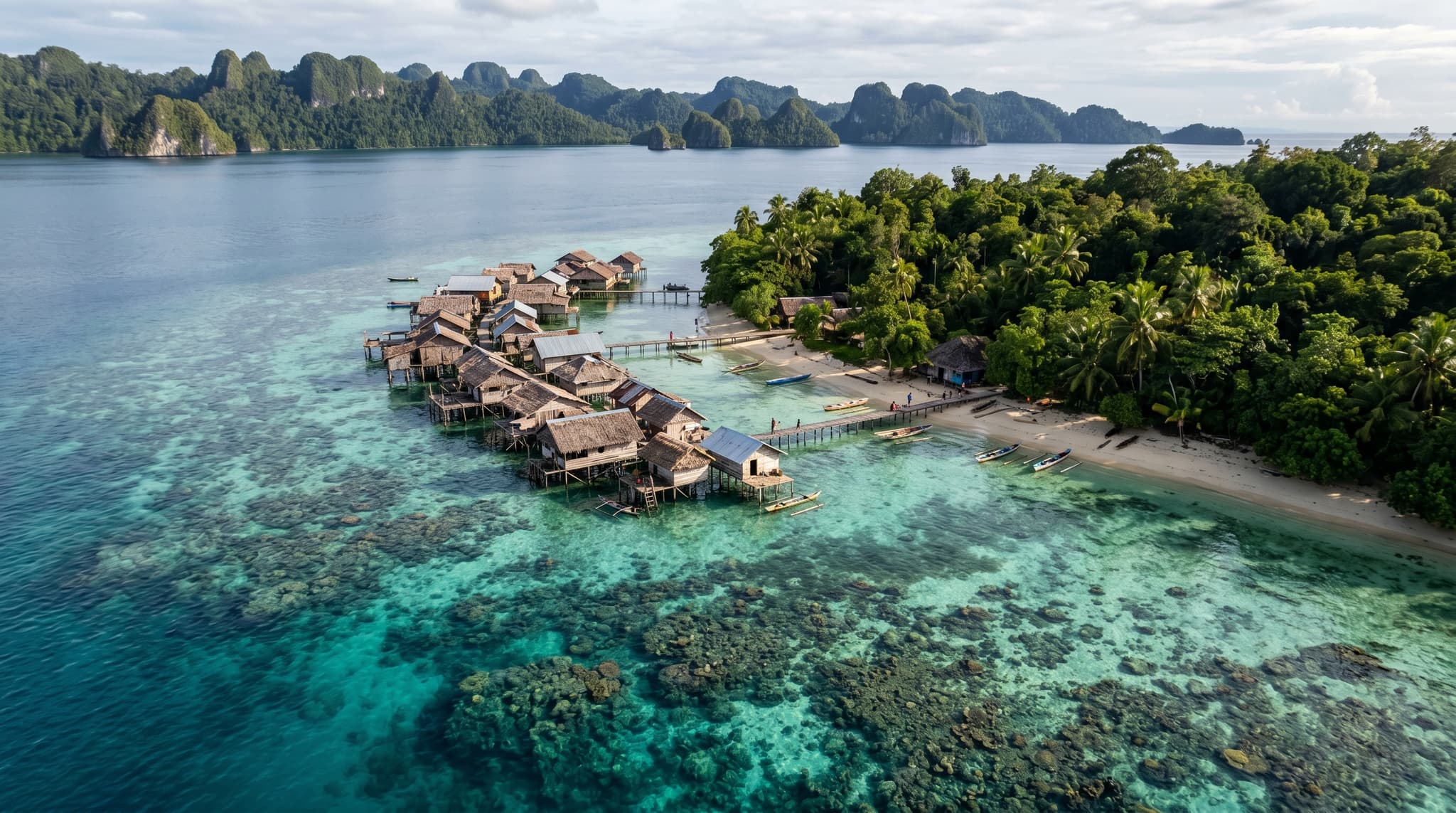
Turtle Island sits 10 minutes by glass-bottom boat from Tanjung Benoa. Here's what it actually costs, what you'll see, and whether it's worth the trip.
Turtle Island — Pulau Penyu in Indonesian — is one of those Bali attractions that sounds more remote than it actually is. The island sits a few hundred meters off the coast of Tanjung Benoa, reachable in about 10 minutes by glass-bottom boat. It functions as part tourist stop, part turtle conservation area, and the experience is compact: you ride out, spend 30–45 minutes on the island looking at turtles and other wildlife, and ride back. The whole thing, boat included, takes under two hours.
Whether that's worth your time depends entirely on what you're expecting. If you're picturing a pristine wildlife sanctuary with turtles gliding through open water, recalibrate. If you're looking for a quick, easy, family-friendly stop that pairs well with a morning of water sports at Tanjung Benoa, Turtle Island delivers exactly that.
Getting There
Every trip to Turtle Island starts at Tanjung Benoa beach, on the eastern side of the Nusa Dua peninsula. If you're staying in Nusa Dua, Jimbaran, or Kuta, the drive to Tanjung Benoa takes 15–30 minutes depending on traffic.
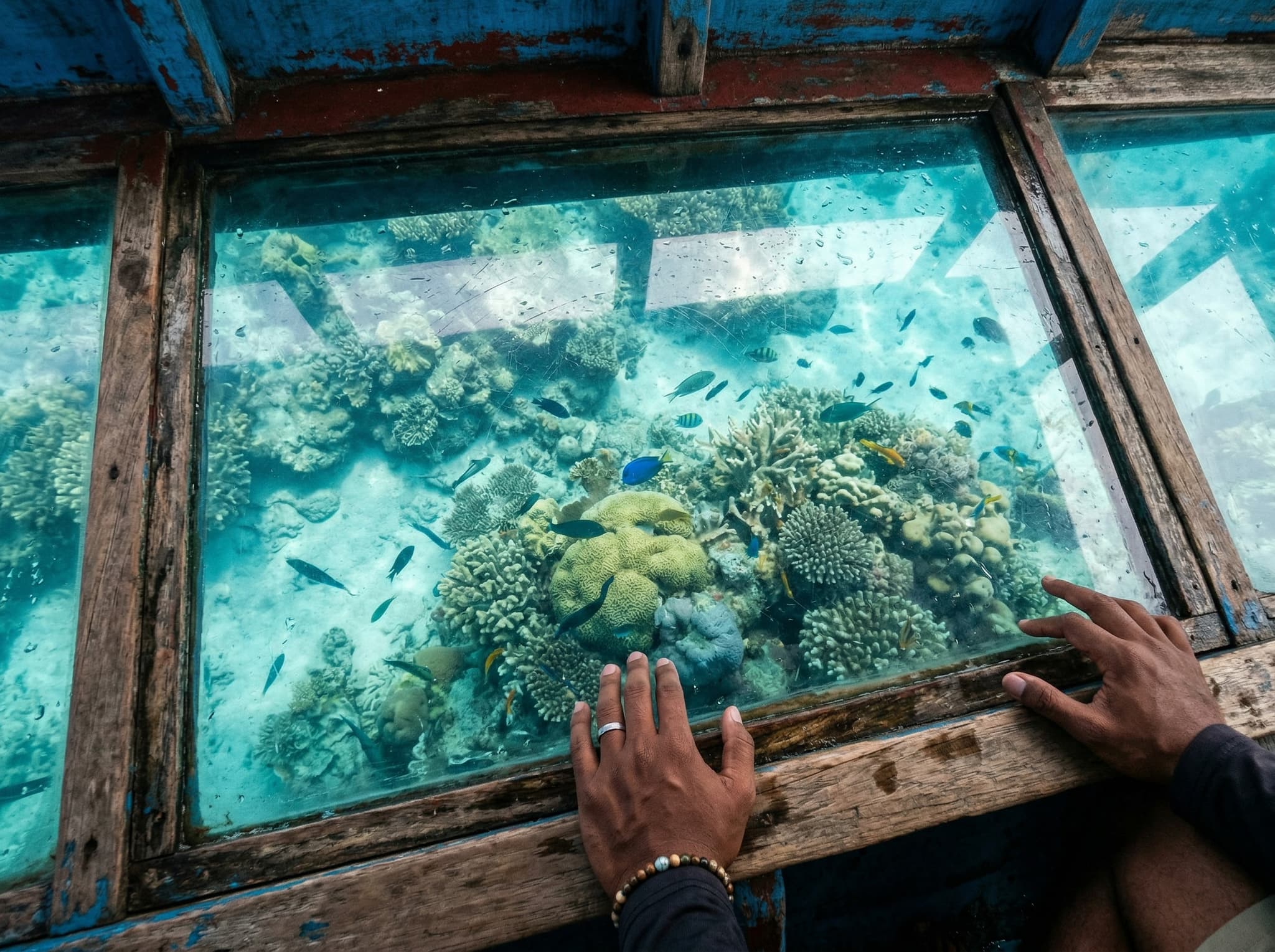
The standard vessel is a glass-bottom boat, which lets you peer down at coral and tropical fish during the short crossing. Some visitors bring bread for fish feeding through the glass panels — operators encourage this, and kids love it.
Boat Pricing Breakdown
Private boat (booked online)
IDR 500,000 (~$30) for up to 9 people
Private boat (walk-in)
IDR 700,000 (~$42) for up to 9 people
Per-person tour packages
IDR 250,000–850,000 ($15–50) depending on inclusions
Entry fee (adult)
IDR 10,000 (~$0.60)
Entry fee (child under 4)
IDR 5,000 (~$0.30)
The math is straightforward: if you have a group of four adults, a private boat booked online plus entry fees totals around IDR 540,000 (~$32). That's $8 per person. Walk-in rates run higher because operators at the beach know you've already committed to going.
What You Actually See on the Island

Turtle Island is small and the visit is structured. A guide walks you through the conservation area, which houses sea turtles at different life stages — from hatchlings in shallow basins (about 50 cm deep, holding dozens of young turtles) to juveniles aged six months to two years in exhibition pools, to large adults in concrete enclosures. The species are primarily green sea turtles and hawksbill turtles, both endangered.
Some of the adult turtles on-site are reportedly over 100 years old, though verifying that claim is above anyone's pay grade.
What to Expect on the Island
Turtle species
Green sea turtle, hawksbill turtle
Other wildlife
Monkeys, snakes, hawks, parrots, bats
Time on island
30–45 minutes
Touching policy
Observation only — no handling without staff permission
Beyond turtles, the island has a small menagerie of other animals — monkeys, snakes, hawks, parrots, and bats. It feels more like a modest wildlife park than a conservation center in the academic sense. The facilities are basic. The concrete pools are functional, not scenic. Reviews on TripAdvisor hover around 4.0–4.2 out of 5, which tracks: visitors generally enjoy it, but nobody is calling it transformative.
The Honest Assessment
Turtle Island is a tourist attraction. It uses the language of conservation, and there are real turtles being housed and eventually released, but the primary function is giving visitors a 45-minute experience they can photograph. That is not necessarily a criticism — it employs local guides, generates income for the Tanjung Benoa community, and introduces people to endangered species they might never otherwise see up close.
But if conservation is genuinely what draws you, Bali has better options.
Alternatives Worth Knowing About
Two other sites in Bali do more substantive conservation work, and both accept visitors.
Serangan Island — Turtle Conservation and Education Centre
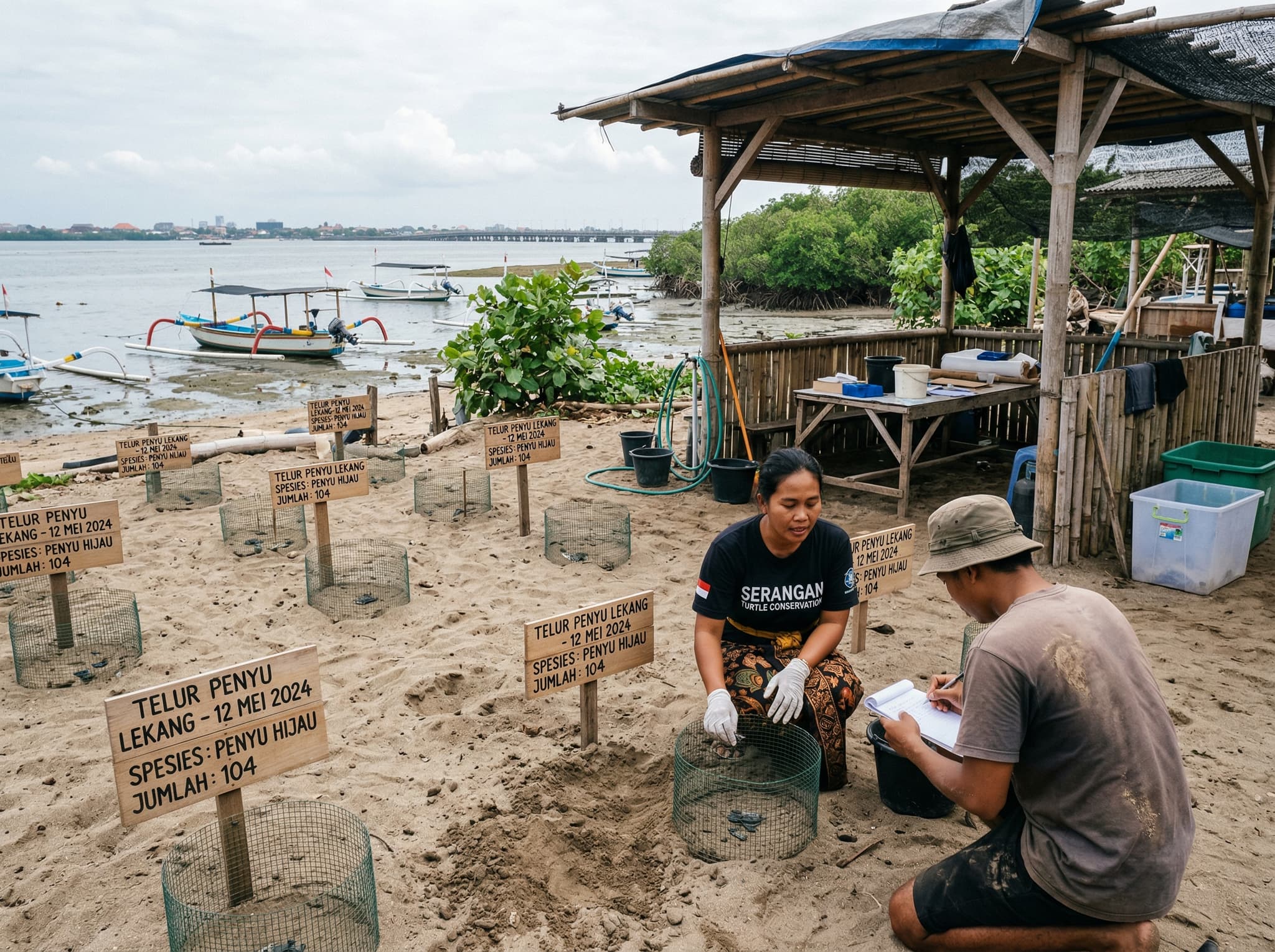
Serangan (sometimes called "Turtle Island" by locals, which adds to the confusion) is the more serious conservation operation. Run in collaboration with the Bali Sea Turtle Society (BSTS) and village-managed programs, the center has protected over 7,600 turtle eggs and rescued and released more than 4,000 turtles. Serangan is a natural nesting habitat, and the focus is on egg discovery, protection, and hatchling release.
Serangan Island Details
Address
Jl. Tukad Punggawa, Serangan, Denpasar Selatan, Bali 80229
Hours
Mon–Fri 9:00 AM–4:00 PM, Sat 9:00 AM–2:00 PM, closed Sundays
Getting there
15–30 min drive from Kuta, Sanur, or Denpasar via causeway off Jl. Bypass Ngurah Rai
Nearby
Pura Dalem Sakenan temple (sarong and sash required)
Serangan is accessible by road — no boat needed. The causeway connects it to the mainland. It is a working conservation site, not a polished tourist experience, which means it is more interesting and less photogenic.
Nusa Penida — Volunteer Conservation Programs
For visitors willing to commit time, Nusa Penida (45 minutes by fast boat from Sanur) hosts multiple turtle conservation volunteer programs through organizations like IVHQ and Ultimate Travel. Programs run 2–12 weeks with weekly Monday start dates. Activities include protecting eggs, nurturing hatchlings, rehabilitating injured turtles, ocean cleanups, and data collection. A newer initiative, Yayasan Bulih, launched in January 2025.
These are not day trips. They are working programs with dorm-style accommodation and hands-on tasks. But they represent actual conservation impact.
Who Should Visit Turtle Island
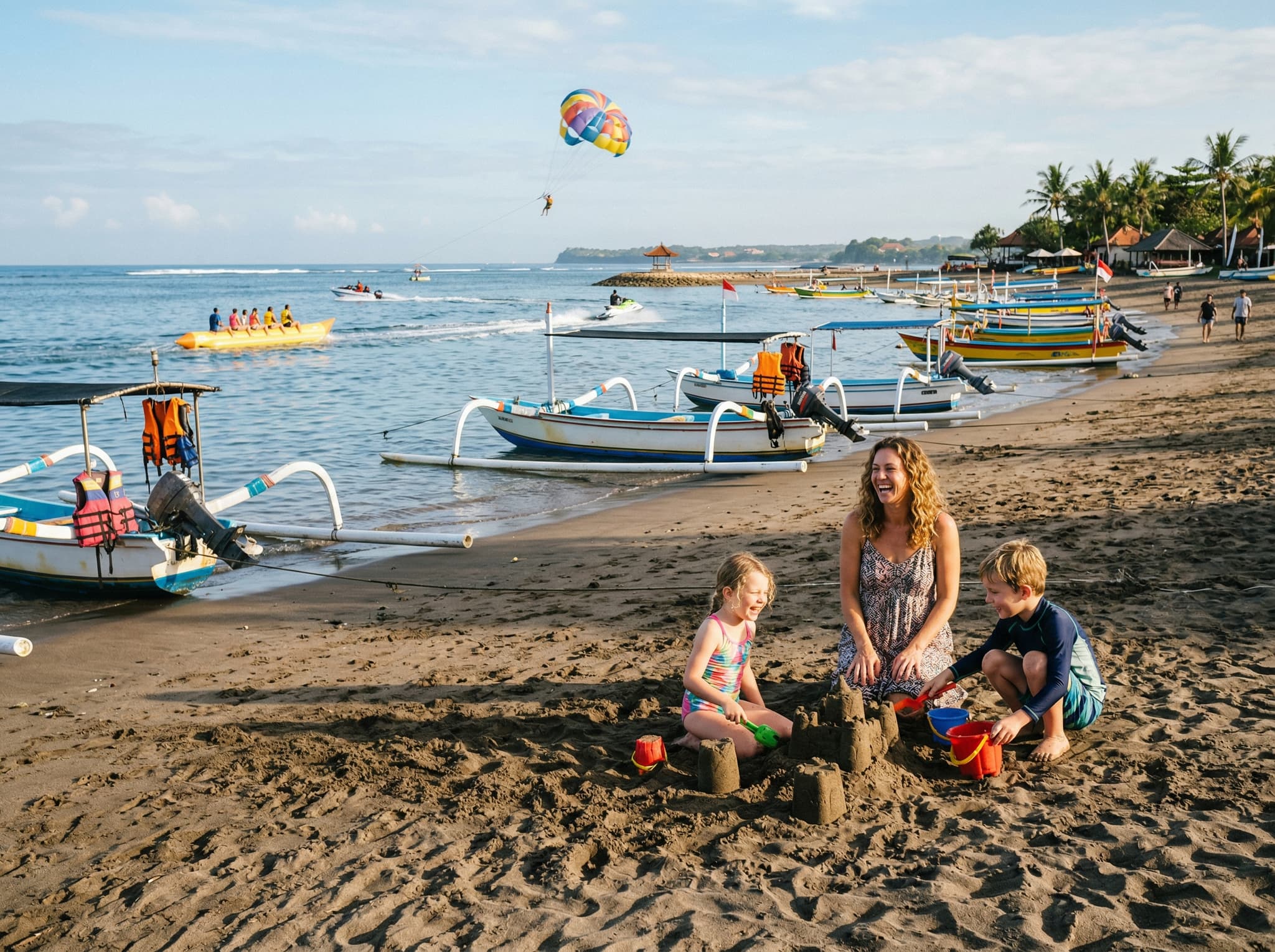
Turtle Island makes the most sense for three types of visitors:
Families with young children. The glass-bottom boat is fun, the visit is short enough for small attention spans, and kids get to see turtles and other animals up close. The whole outing wraps up before anyone melts down.
Visitors already at Tanjung Benoa. If you're doing water sports — parasailing, jet skis, banana boats — Turtle Island slots in as a natural add-on. Most water sport operators offer combo packages.
Anyone with 90 minutes to spare and realistic expectations. It is a quick, inexpensive, mildly educational stop. At $8 per person in a group of four, the price-to-entertainment ratio is reasonable.
The Bottom Line
Turtle Island is not Bali's most remarkable experience. It is a short, affordable, easy-to-reach attraction that does what it says: you ride a glass-bottom boat, you see turtles, you come back. The conservation framing is thin but the turtles are real, the boat ride is pleasant, and the total cost for a small group barely exceeds $30.
Go if it fits your day. Skip it if you are expecting something it is not. And if turtles are genuinely the draw, drive to Serangan instead — it is free of the tourist-attraction packaging, and the conservation work there has real weight behind it.