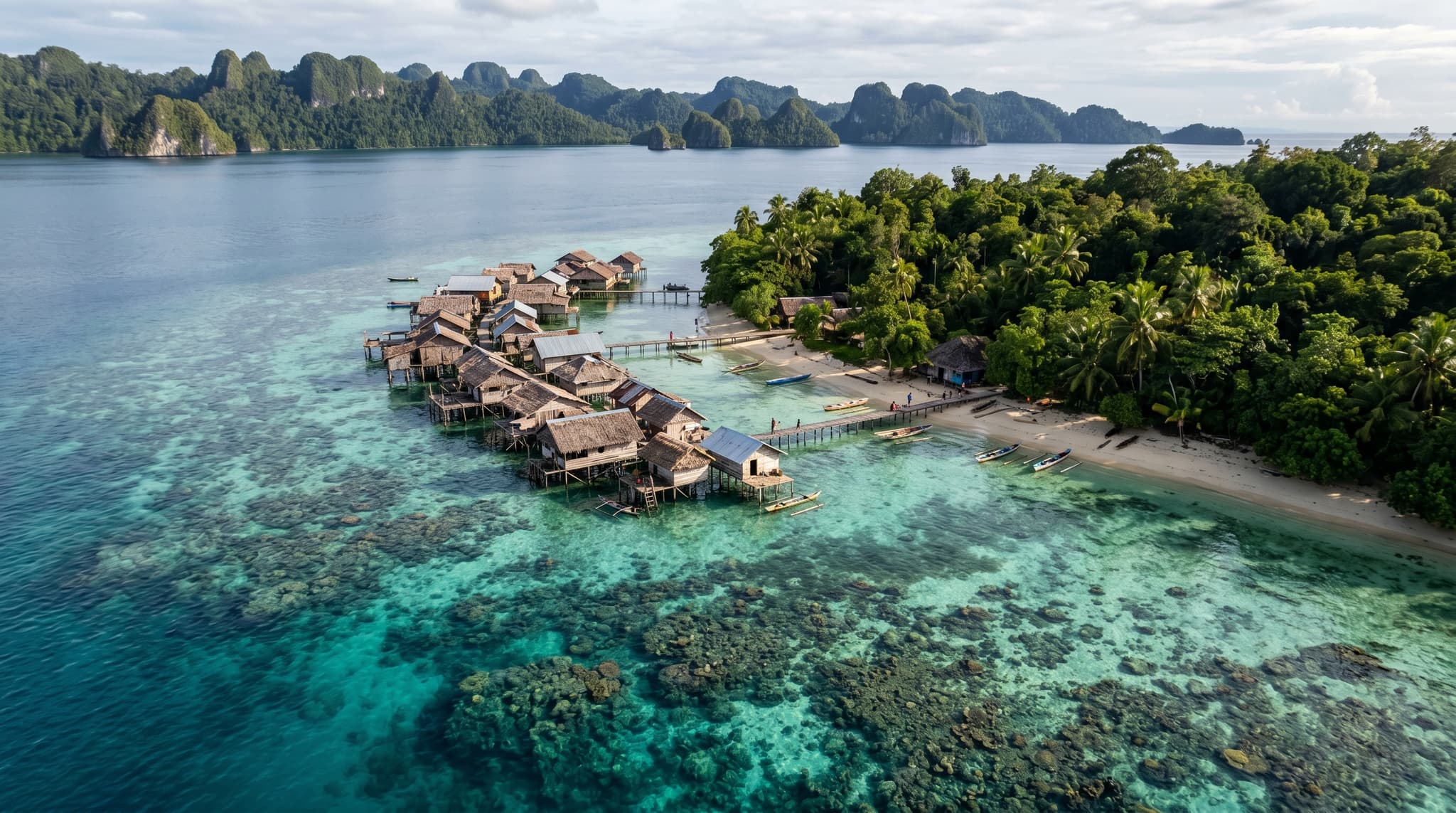
Raja Ampat isn't one trip. It's at least six different trips depending on three variables: how many days you have, whether you dive, and how much logistics you're willing to absorb. Most planning advice treats it as a single destination with a single itinerary. It's not. Five days locks you into the Dampier Strait. Seven days lets you explore it properly. Ten days opens a second region entirely. And the trip a diver should plan looks nothing like the trip a snorkeler or birdwatcher should plan — even at the same duration.
This piece gives you six frameworks. Pick the one that matches your constraints, and the rest of the planning falls into place.
How to Use These Itineraries
Three trip lengths — 5, 7, and 10 days — each with a diver track and a non-diver track. Six total frameworks.
A few ground rules:
- Days are counted from arrival in Sorong to departure from Sorong. Not from your home airport. Your international flights are your problem — these itineraries start when you land in West Papua.
- Non-diver tracks are built for snorkelers, birdwatchers, photographers, and anyone traveling with a diver who doesn't dive. These are not consolation prizes.
- Each itinerary is self-contained. The 7-day is not the 5-day with two days bolted on. The 10-day is not the 7-day stretched thin. Each length fundamentally changes what's accessible.
- All itineraries are resort- and homestay-based. Liveaboard itineraries follow operator-set routes, require a minimum of 7–8 nights, and are covered in a separate dedicated piece.
Quick orientation: Sorong is the fly-in gateway. Waisai is the Raja Ampat port. Most activity concentrates around the Dampier Strait in the north, where resorts cluster on Gam, Waigeo, Kri, and Batanta islands. Misool is the remote southern region — reachable only on longer trips.
Getting There: Sorong to Raja Ampat Logistics

Every Raja Ampat trip funnels through the same bottleneck: Sorong to Waisai by ferry. Get this right and everything flows. Get it wrong and you're sleeping in Sorong.
Flights to Sorong (DEX): Domestic connections from Jakarta (4–5 hours), Makassar (2.5 hours), or Manado (2.5 hours). No international flights — you'll connect through one of these cities.
Sorong airport to ferry terminal: 15 minutes by car, approximately 5 km. Cash taxi costs IDR 100,000.
Express ferry Sorong–Waisai: 2 hours.
Ferry Schedule: Sorong–Waisai
Mon, Tue, Thu, Sat
14:00 only
Wed, Fri, Sun
09:00 + 14:00
National Holidays
Morning ferry does not operate
Economy Class
IDR 137,000 (~$8–9)
VIP Class
IDR 262,000 (~$16–17)
Boarding Fee
IDR 12,000 (all classes)
Payment
Cash IDR, cards, or QRIS
Tickets are purchased in person at the port on day of travel only. WhatsApp reservation is possible through the ferry company, but payment is still made at the port.
The timing trap: If your flight lands after approximately 12:30 PM on a single-ferry day (Monday, Tuesday, Thursday, or Saturday), you've missed the only departure. You're sleeping in Sorong. Plan your inbound flight around the ferry schedule, not the other way around.
Entry fees for international visitors: IDR 1,000,000 (~$55 USD) total, comprising two separate charges:
Raja Ampat Entry Fees
Marine Park Entry Permit
IDR 700,000 (international) / IDR 425,000 (Indonesian)
Visitor Entry Ticket
IDR 300,000 (all visitors)
Children Under 12
Exempt from Marine Park fee
Marine Park Validity
12 months from issue date
Purchase the Marine Park permit online at kkprajaampat.com before arrival. The Visitor Entry Ticket can be purchased online at sipari-rajaampat.id or upon arrival at Waisai port. Do both online if you can — it saves time at the port.
Most resorts and homestays arrange speedboat pickup from Waisai. Confirm this before arrival. Transfer times from Waisai to Kri or Gam run 1–2 hours depending on boat type and sea conditions.
When to Go: Season and What It Changes
Season doesn't just affect comfort — it changes which itineraries are feasible.
Dry season (October–April): This is prime time. Visibility hits 20–30+ meters, water temperature sits at 28–30°C, seas are calm, and marine life peaks from November through March. Manta rays are frequent at Manta Sandy during these months. This is also when everyone else goes — expect higher demand and prices.
Shoulder months (October and April): The sweet spot if you can time it. Good conditions, fewer divers, potential price breaks from resorts. Tail-end manta and whale shark sightings still possible.
Wet season (May–September): Visibility drops to 10–15 meters from plankton and runoff. Seas get rougher, especially July–August, particularly around southern sites like Misool. But here's the thing: the northern Dampier Strait stays sheltered and is diveable year-round.
Seasonal Conditions
Dry Season Water Temp
28–30°C
Wet Season Water Temp
28–29°C
Dry Season Air Temp
25–31°C
Dry Season Visibility
20–30+ meters
Wet Season Visibility
10–15 meters
Manta Ray Peak
Nov–Mar at Manta Sandy
Currents are lunar-influenced throughout Raja Ampat. If you're planning a dive-heavy trip, factor moon phases into your scheduling — your resort dive center can advise on this.
Where to Stay: Resort vs. Homestay

This choice shapes your itinerary more than any other decision. Make it first.
Resorts (Misool Eco Resort, Papua Explorers, Sorido Bay, Papua Paradise) offer full-service operations: PADI courses, dive equipment, AC, en-suite bathrooms, WiFi, and organized excursion programs. Luxury tiers add fine dining, spa services, and pools. They're concentrated in the northern Dampier Strait area, with the exception of Misool Eco Resort in the south — which books years in advance due to its reef protection reputation. Plan accordingly.
Homestays offer fresh local food, authentic communal experiences, and budget pricing. They're also basic: shared facilities, repetitive meals after a few days, and limited logistics support for excursions. Best for travelers comfortable with improvisation and flexible expectations.
For non-divers specifically: Look for resorts with strong house reefs and excursion programs. Papua Paradise on Gam explicitly welcomes non-divers, offering snorkeling, birding, and hornbill cruises as core activities — not afterthoughts. Homestays with good snorkel access work well too, but you'll coordinate your own boat trips.
Liveaboards are an option for trips of 7+ days and are covered in detail in a separate article.
5-Day Itinerary: Diver Track
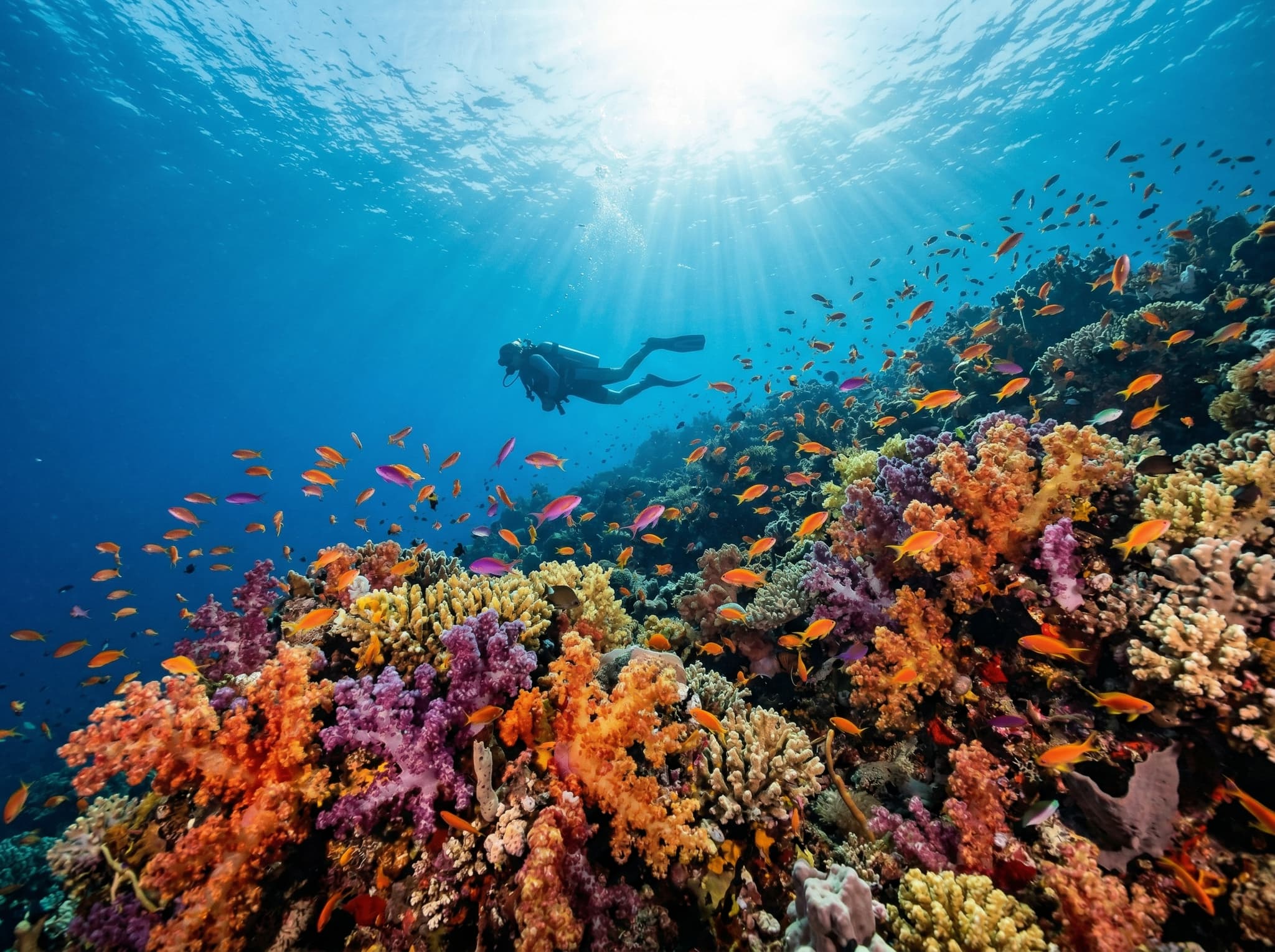
Five days means the Dampier Strait and nothing else. The good news: the Dampier Strait alone justifies the trip. You'll log 7–9 dives over three diving days.
Day 1: Fly to Sorong, ferry to Waisai, speedboat to your resort or homestay on Kri or Gam. If you catch the morning ferry (Wednesday, Friday, or Sunday only), you'll arrive with time for an afternoon check-in dive on the house reef. Afternoon ferry arrival means settling in — no diving today.
Day 2: Two-tank morning dive in the Dampier Strait — Cape Kri, Sardine Reef, or Manta Sandy if the season permits (November–March for mantas). Afternoon rest or a third dive on the house reef.
Day 3: Full diving day. Morning two-tank at different Dampier sites — Blue Magic is the one to request if conditions allow. Afternoon dive or night dive option.
Day 4: Morning dive, then switch gears — afternoon snorkel at Friwen Wall or Kabui Bay for variety. This is your weather buffer day. If Day 2 or 3 got weathered out, this is where you recover those dives.
Day 5: Early morning transfer to Waisai, ferry to Sorong, fly out.
Flight planning: Day 5 requires catching the ferry back to Sorong — either the 09:00 (Wednesday, Friday, Sunday) or 14:00 departure. Book your outbound flight from Sorong for late afternoon or evening to give yourself margin.
5-Day Itinerary: Non-Diver Track
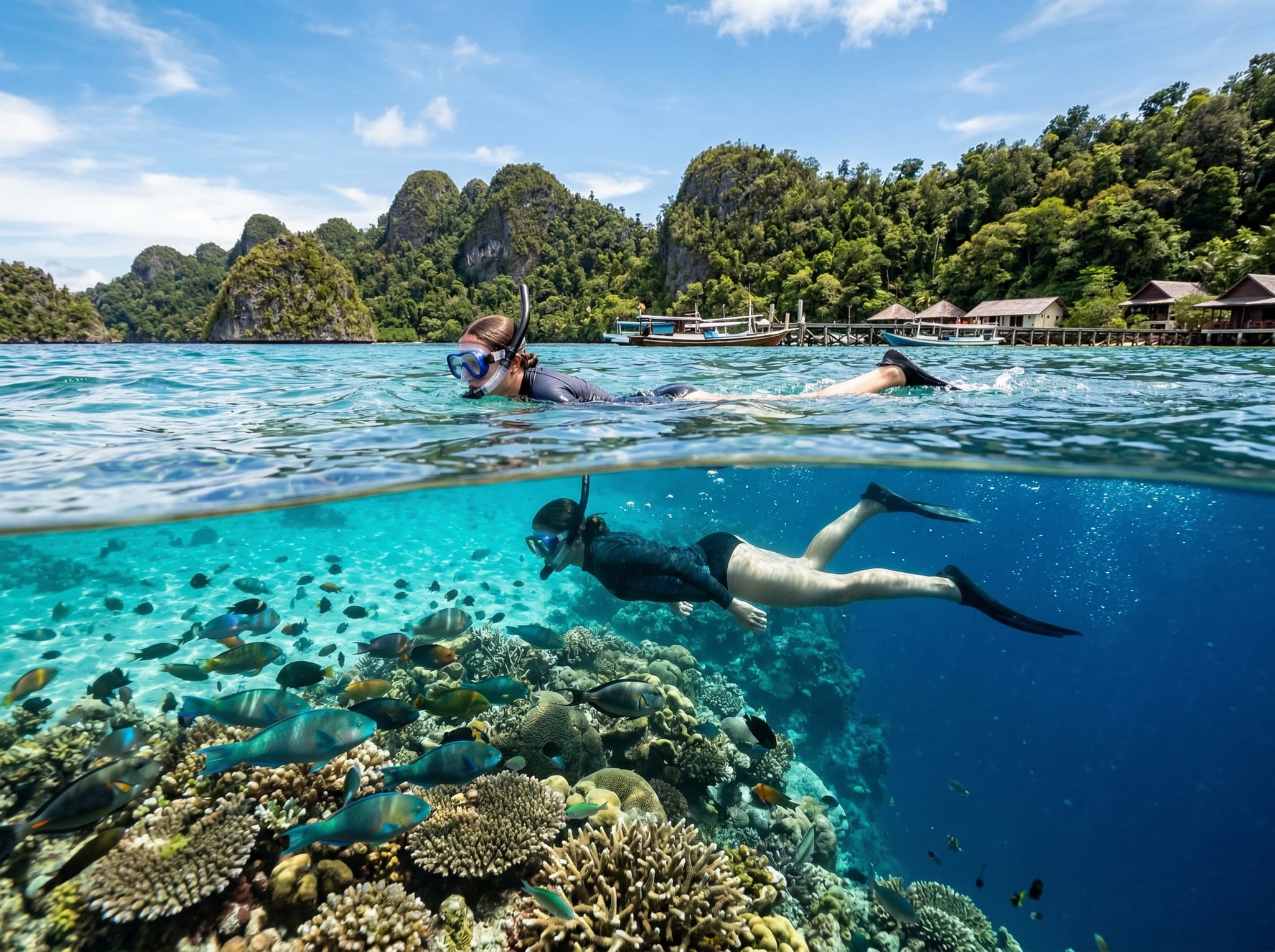
Five days as a non-diver is genuinely rewarding. This is not a compromise itinerary — it's a different trip with its own logic.
Day 1: Same logistics as the diver track — Sorong, ferry, speedboat to resort or homestay. Afternoon snorkel on the house reef. Even a basic house reef in Raja Ampat will recalibrate your expectations for what snorkeling can be.
Day 2: Morning boat to Arborek Village for a cultural tour — weaving demonstrations, village walk, low-tide reef snorkel, and a local meal. This is not a quick photo stop; give it the morning. Afternoon snorkel at Kri Floating Island — a shallow coral platform surrounded by deep blue water, teeming with reef fish just below the surface (20–25 minutes by boat from most Kri/Gam bases).
Day 3: Full day — morning at Kabui Bay for snorkeling and kayaking through calm green waters with climbable limestone cliffs. Afternoon at Friwen Wall, one of the best snorkel sites in the archipelago. The wall drops right off the shore of Waigeo Island — no boat ride needed if you're staying nearby.
Day 4: Pre-dawn boat to Sawinggrai Village on Waigeo Island for Cendrawasih (Birds of Paradise) viewing. Birds are at their nests around 5:00 AM and depart for food by 6:00 AM — this is a one-hour window, and it's worth the early alarm. Rest of the morning is recovery time. Afternoon: Batanta Island hornbill sunset cruise.
Birdwatching at Sawinggrai
Morning Window
~5:00 AM, birds depart by 6:00 AM
Evening Window
~5:00 PM return to nests
Key Species
Cendrawasih (Birds of Paradise)
Other Species
Sunbirds, kingfishers, hornbills, wagtails
Day 5: Transfer, ferry, fly out.
7-Day Itinerary: Diver Track
Seven days is the sweet spot for most divers visiting Raja Ampat for the first time. Enough time to see the Dampier Strait properly — not just hit the marquee sites but repeat the best ones on different tides and currents. Realistic dive count: 12–16 dives over five diving days.
Day 1: Sorong, ferry, transfer to resort. Check-in dive if timing allows.
Days 2–3: Dampier Strait diving — Cape Kri, Sardine Reef, Manta Sandy, Blue Magic. Two-tank mornings, afternoon dives or rest. Night dive option on Day 2 if your resort offers it.
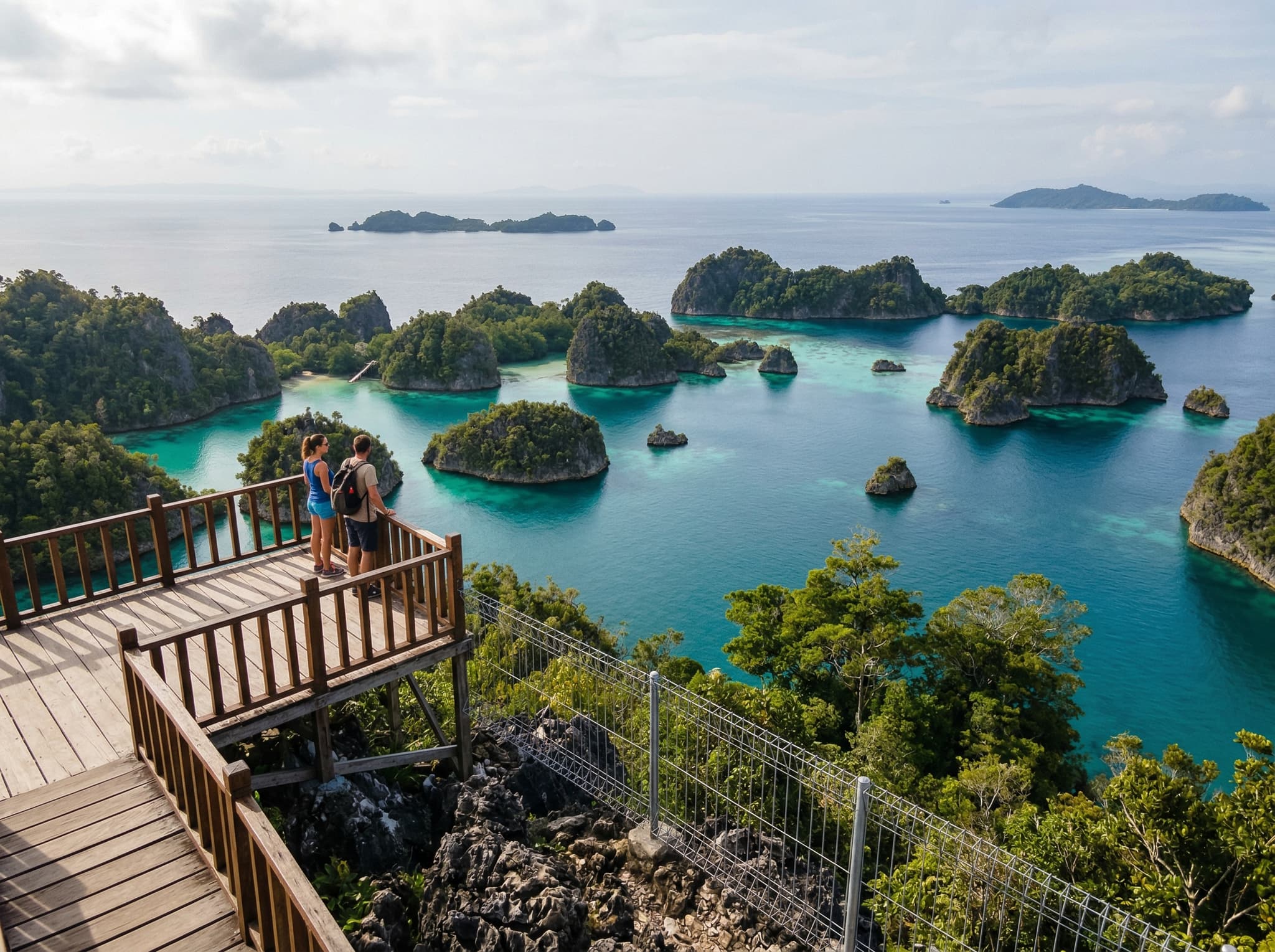
Day 4: Full-day boat excursion to Piaynemo. This is a non-diving day, and every diver should take it. Karst viewpoint hike, mangrove exploration, possible dolphin sightings, snorkel stops en route. You'll see Raja Ampat from above the waterline for the first time, and it recontextualizes everything you've been diving through.
Day 5: Back to diving — different Dampier sites or repeat favorites. Afternoon snorkel at Friwen Wall for a change of pace.
Day 6: Morning dive, afternoon flexibility. Visit Arborek Village, rest, or get a final house reef dive in. This is your weather buffer — if any earlier dive day was lost to conditions, Day 6 absorbs it.
Day 7: Transfer, ferry, fly out.
Seven days meets the minimum threshold for a liveaboard trip (7–8 nights). If you're considering that format instead, see our dedicated Raja Ampat liveaboard guide for operator options and route comparisons.
Seven days doesn't comfortably reach Misool or Wayag from a resort base. Don't try to force it — the Dampier Strait has more than enough to fill five diving days without repeating yourself.
7-Day Itinerary: Non-Diver Track
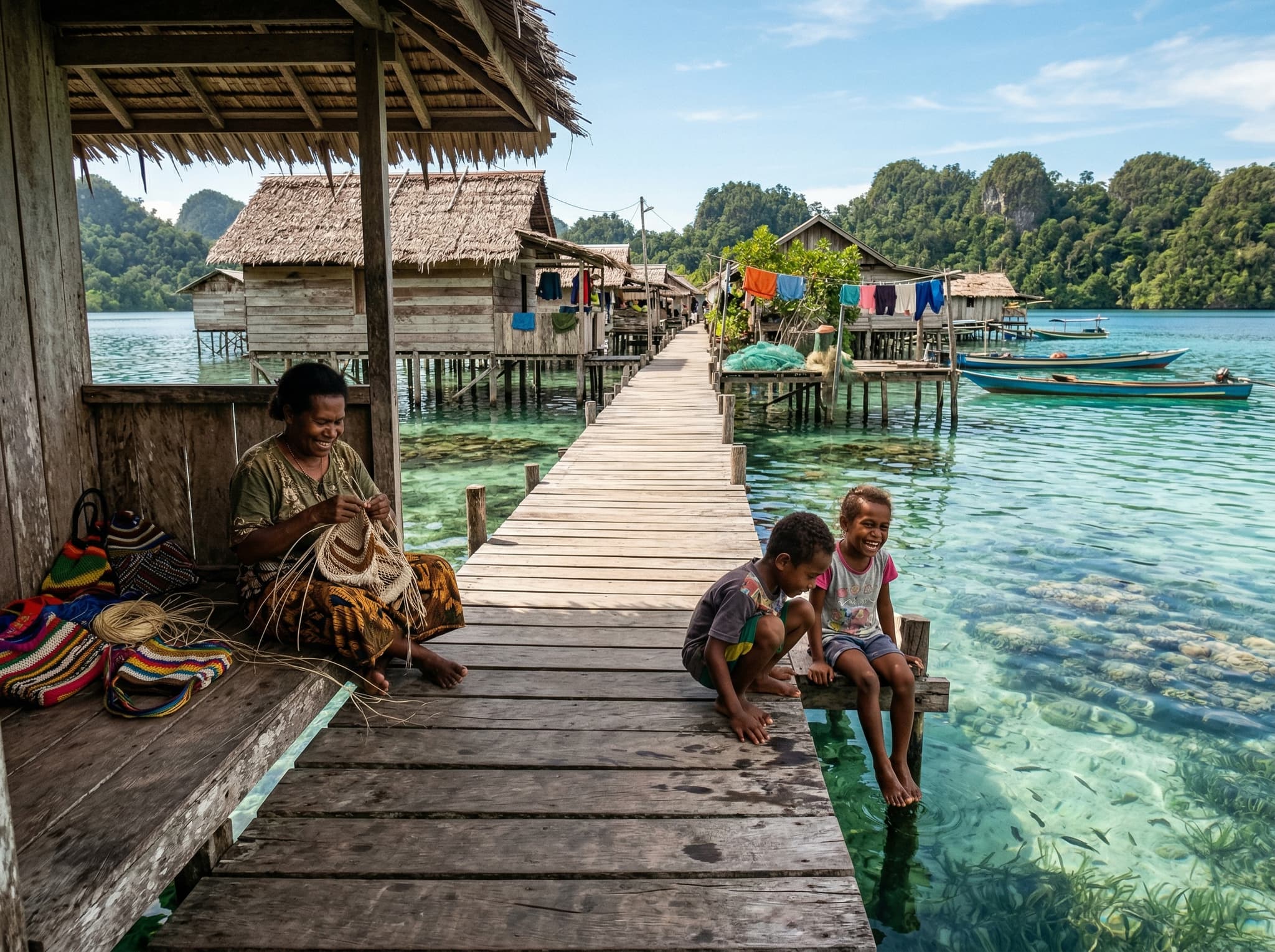
The extra two days over the 5-day aren't just more activities. They're the difference between rushing through a checklist and actually being somewhere.
Day 1: Sorong, ferry, transfer. Afternoon house reef snorkel.
Day 2: Arborek Village cultural day — weaving, snorkeling, local food. Give it the full day, not a morning drive-by.
Day 3: Pre-dawn Sawinggrai birdwatching (5:00 AM departure). Morning recovery. Afternoon Kabui Bay snorkel and kayak.
Day 4: Full-day Piaynemo excursion — karst viewpoints, short hikes, snorkel stops, Mushroom Islands. This is the signature non-diver day trip in Raja Ampat, and it earns the reputation.
Day 5: Friwen Wall snorkel in the morning. Batanta Island hornbill sunset cruise in the afternoon.
Day 6: Flex day. This is the day that makes 7 better than 5. Revisit your favorite snorkel spot. Take a second village visit. Kayak somewhere you spotted from a boat earlier. Or do nothing — sit on a dock above a reef and watch the fish. Not every day needs a plan.
Day 7: Transfer, ferry, fly out.
Wayag is not included in the 7-day non-diver track. The boat ride (1–2 hours each way, varying by boat type and conditions) eats most of a day, and at seven days, that trade-off doesn't justify itself. Save Wayag for 10 days.
Papua Paradise on Gam is worth highlighting here — their house reefs, birding excursions, and hornbill cruises are designed for non-divers as a primary audience, not a secondary one.
10-Day Itinerary: Diver Track
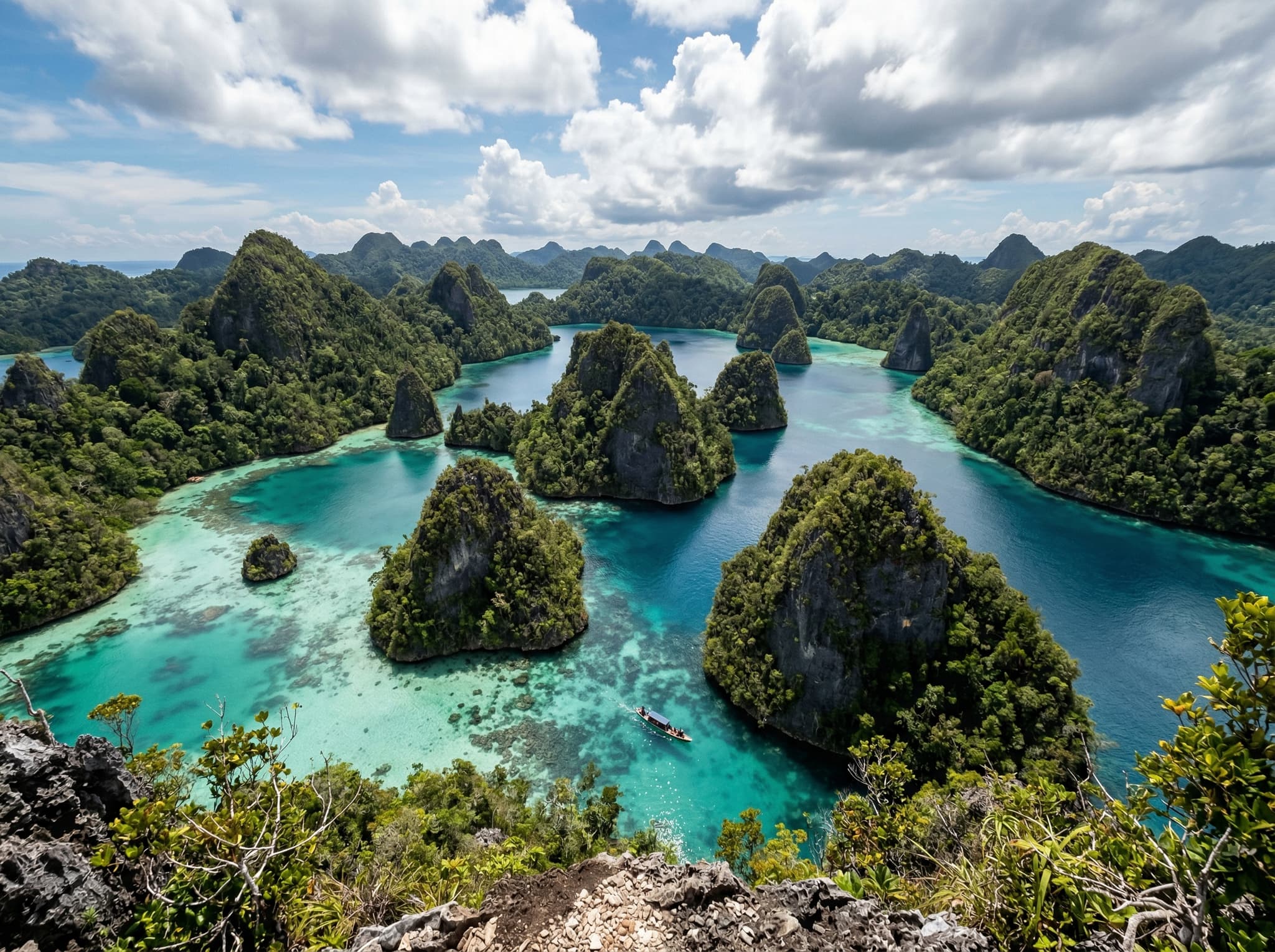
Ten days buys you a second region. That's the fundamental difference. You're no longer limited to the Dampier Strait — Misool or Wayag become real options. Realistic dive count: 22–30 dives.
Day 1: Sorong, ferry, transfer to Dampier Strait resort.
Days 2–4: Dampier Strait diving — full rotation of major sites. Cape Kri, Sardine Reef, Manta Sandy, Blue Magic, and deeper into the site list your resort dive center recommends based on conditions. Night dives on Days 2 or 3.
Day 5: Non-diving day. Full-day Wayag trip — dramatic limestone karsts rising from turquoise lagoons, a short hike to the iconic viewpoint, and lagoon snorkeling. Boat time is 2–3 hours each way from most Dampier Strait resort bases (Kri/Gam area), so this is genuinely a full-day commitment. This is the image on every Raja Ampat article thumbnail, and in person it's better.
Day 6: Transfer day to your second base in the Misool region. This costs roughly a full day of travel. It's the price of a multi-region trip, and it's worth paying.
Days 7–9: Misool diving. Different reef systems, less boat traffic, remote sites. Misool Eco Resort is the established base here — but it books years in advance. If Misool is your priority, start planning accommodation before you book flights.
Day 10: Transfer back to Waisai/Sorong, fly out.
The alternative: Stay in the Dampier Strait for all 10 days. Go deeper on sites rather than wider on regions. Repeat Cape Kri on a different tide. Try Blue Magic with a different current. This is a legitimate choice — especially if you don't want to lose a full day to inter-region transfer.
A liveaboard is the most efficient format for combining Dampier and Misool in 10 days — see our dedicated guide for routes and operators.
10-Day Itinerary: Non-Diver Track
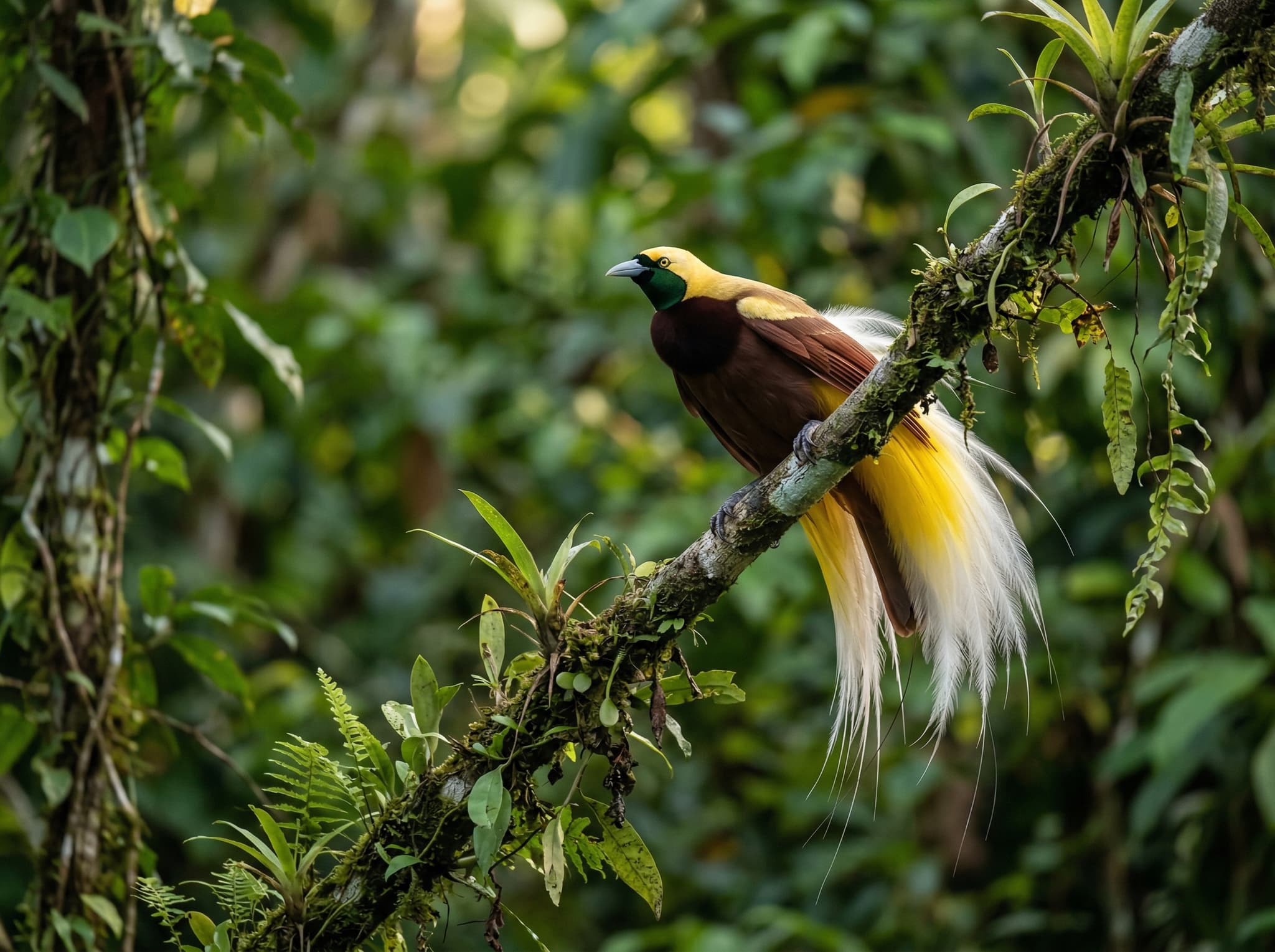
Ten days lets you reach Wayag properly and still have unstructured time. The trip stops feeling like a checklist.
Day 1: Sorong, ferry, transfer.
Day 2: House reef snorkel, settle in. Afternoon Kabui Bay kayaking and snorkeling.
Day 3: Arborek Village full day — cultural immersion, not a quick stop. Weaving, reef walk, meals with families. This is the day you understand why Raja Ampat isn't just a marine park.
Day 4: Pre-dawn Sawinggrai birdwatching, morning recovery, afternoon Friwen Wall snorkel.
Day 5: Full-day Piaynemo excursion with Mushroom Islands. Karst viewpoints, mangrove channels, snorkel stops.
Day 6: Full-day Wayag trip. This is the day that justifies 10 over 7. The boat ride is 2–3 hours each way from most Dampier Strait bases — too much to squeeze into a shorter itinerary without it feeling rushed. At 10 days, you can give Wayag the full day it deserves: viewpoint hike, lagoon snorkel, photography time without watching the clock.
Day 7: Batanta Island hornbill cruise, village visit, or kayaking. Lower intensity by design.
Day 8: Second snorkel day at your best sites. Revisit Friwen Wall or Kri Floating Island — these spots reward repeat visits as you learn to read the reef.
Day 9: Flex day. Consider a homestay night in a different village for a change of perspective. Or make it a genuine rest day at your resort. Ten days is long enough to need one.
Day 10: Transfer, ferry, fly out.
Budget Breakdown by Itinerary Length
All budget figures below are ranges based on available research. No confirmed 2025 operator pricing exists in our sourcing — verify directly with resorts and homestays before booking.
Fixed Costs (All Itineraries)
Flights to Sorong (from Jakarta)
IDR 2,500,000–5,000,000 (~$155–310) round trip
Ferry (round trip, Economy)
IDR 274,000 (~$17) + IDR 24,000 boarding fees
Ferry (round trip, VIP)
IDR 524,000 (~$33) + IDR 24,000 boarding fees
Entry Fees (International)
IDR 1,000,000 (~$55)
Entry Fees (Indonesian)
IDR 725,000 (~$45)
Airport Taxi (each way)
IDR 100,000 (~$6)
Estimated Total Per Person (Excluding Flights)
5 Days — Homestay
$350–550
5 Days — Mid-Range Resort
$1,200–2,000
7 Days — Homestay
$500–800
7 Days — Mid-Range Resort
$1,800–3,000
10 Days — Homestay
$750–1,200
10 Days — Mid-Range Resort
$2,800–4,500
What drives the range: Diving adds significantly — per-dive pricing runs $30–60 at homestays, while resort packages bundle dives into nightly rates. Equipment rental (if not included) adds $20–40 per dive day. Boat excursions to Wayag or Piaynemo carry surcharges of $50–150 depending on group size and distance. Tips for boat crews and dive guides are expected and not included in quoted prices.
Which Itinerary Should You Pick?
Itinerary Comparison
5 Days — Regions
Dampier Strait only
5 Days — Dive Count
7–9 dives
5 Days — Best For
Short on time, committed to going
7 Days — Regions
Dampier Strait + excursions (Piaynemo)
7 Days — Dive Count
12–16 dives
7 Days — Best For
First-timers, divers and non-divers alike
10 Days — Regions
Dampier + Misool or Wayag
10 Days — Dive Count
22–30 dives
10 Days — Best For
Multi-region, unhurried, second visits
5 days: You're short on time but committed to going. Dampier Strait only, and that's fine — it's one of the richest marine areas on the planet. Worth it? Absolutely. But know the limits: no Wayag, no Misool, no flex days.
7 days: The default recommendation for first-timers, both divers and non-divers. Enough depth to see the Dampier Strait properly, enough margin for weather days, and enough breathing room that the trip doesn't feel like a relay race. If you're unsure, pick this one.
10 days: You want Wayag. You want Misool. Or you want to stop counting dives and just be there. Ten days is where the trip shifts from "seeing Raja Ampat" to "being in Raja Ampat" — and that distinction matters more than it sounds.
Traveling as a mixed group (divers + non-divers): Seven days at a resort like Papua Paradise that serves both audiences. The diver gets their Dampier Strait rotation while the non-diver has a full program of snorkeling, birding, and village visits running in parallel. You'll share meals and sunsets; you don't need to share a dive boat.
Wet season only (May–September): Stick to the Dampier Strait — it stays sheltered when southern regions get rough. The 5- or 7-day itinerary is your best fit. Skip Misool plans entirely; the seas won't cooperate reliably.
Raja Ampat rewards any amount of time you give it. But the trip you plan should match the trip you can actually take. Five focused days in the Dampier Strait beats ten days of overambitious logistics. Book the entry permits and lock in the ferry timing first — everything else follows from those two constraints.